Alipore Zoological Garden | Kolkata Zoo | Alipore Zoo

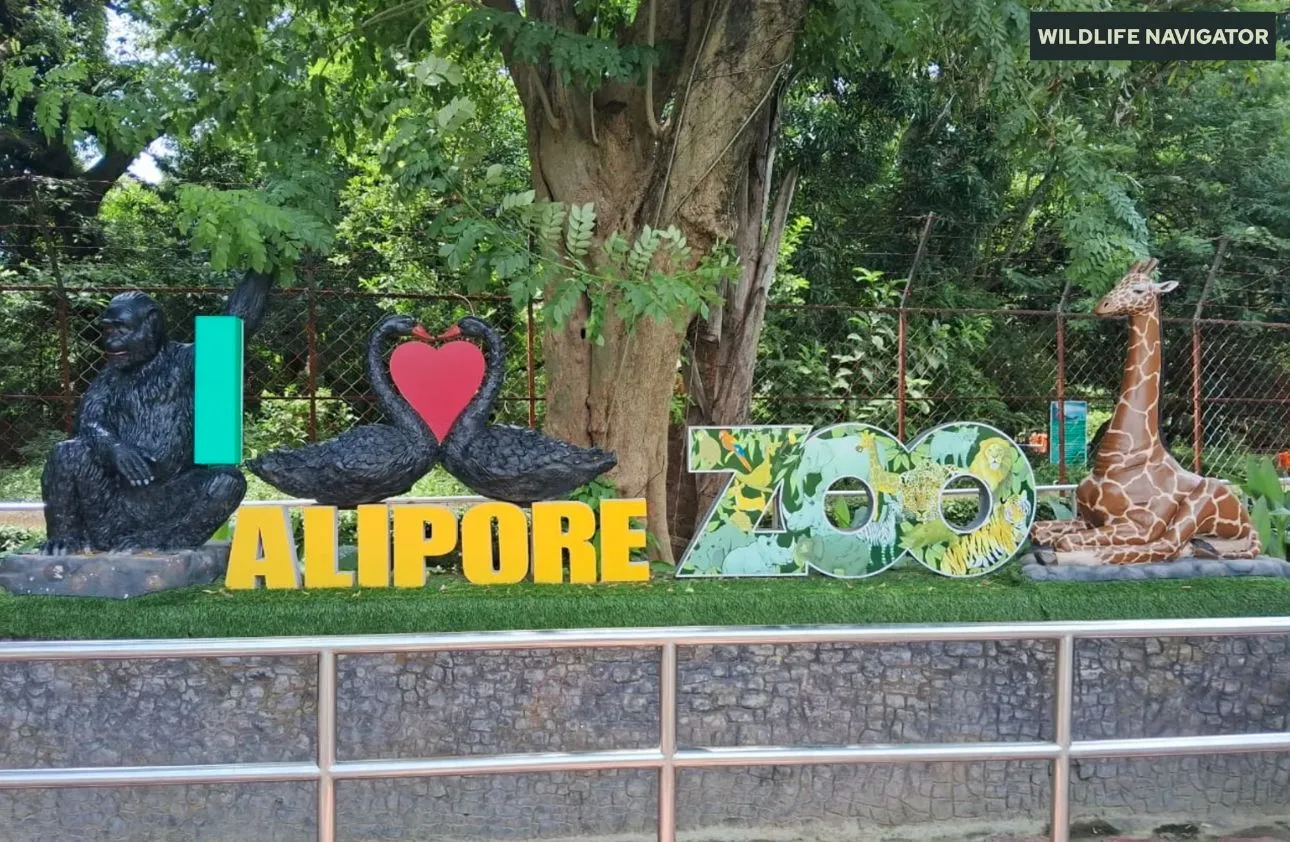
The Alipore Zoological Garden, popularly known as Alipore Zoo, is one of India’s most historic and celebrated wildlife destinations. Established in 1876, it holds the distinction of being the country’s oldest zoological park and remains a major attraction in Kolkata. Surrounded by lush greenery in the heart of South Kolkata, the zoo combines heritage, biodiversity, and recreation, attracting families, students, tourists, and wildlife enthusiasts throughout the year.
Home to a wide variety of mammals, birds, reptiles, and endangered species, Alipore Zoo is far more than a recreational space. The zoo actively supports wildlife conservation, captive breeding, research, and environmental education through modern animal care practices and awareness initiatives. Iconic residents such as the legendary Aldabra giant tortoise Adwaita have further strengthened its place in India’s zoological history.
Over the years, the zoo has continued to modernise with upgraded enclosures, improved habitats, and visitor-friendly facilities while preserving its historic charm. Today, Alipore Zoological Garden stands as an important symbol of Kolkata’s cultural and natural heritage, offering visitors an engaging experience that connects people with wildlife and conservation.
History and Background
Established in 1876, the Alipore Zoological Garden is India’s oldest formal zoo and one of Kolkata’s most iconic heritage attractions. Founded during the British colonial era, the zoo was created to promote wildlife study, public education, and recreation. Its origins are linked to the private animal collection of Sir Richard Temple, the then Lieutenant-Governor of Bengal, which later evolved into a full-scale zoological park.
Over the decades, the zoo expanded through contributions from princely states, naturalists, and international animal exchanges, becoming a major public attraction by the early 20th century. It gained worldwide recognition for housing Adwaita, the famous Aldabra giant tortoise believed to have lived for more than 250 years.
Beyond its historical importance, Alipore Zoo has played a significant role in wildlife conservation and captive breeding programs for species such as tigers, leopards, deer, and birds. Today, with modern enclosures, improved veterinary care, and conservation-focused initiatives, the zoo continues to blend history, education, and biodiversity in the heart of Kolkata.
Animals and Species Highlights
Alipore Zoo is home to a rich diversity of wildlife, ranging from majestic mammals and big cats to exotic birds, reptiles, and small mammals. The zoo emphasises species conservation, education, and recreation, allowing visitors to get close to animals while learning about their habitats and behaviour. Its collection includes both native Indian species and exotic animals from around the world, making it a microcosm of global biodiversity in the heart of Kolkata.
Here’s a breakdown of the major species housed at the zoo:
Mammals
- Big Cats:
- Royal Bengal Tiger
- African Lion
- Leopard
- White Tiger
- Primates:
- Rhesus Macaque
- Bonnet Macaque
- Langurs
- Ring-tailed Lemur
- Herbivores & Ungulates:
- Indian Gaur
- Sambar Deer
- Spotted Deer
- Hippopotamus
- Nilgai
- Others:
- Elephants
- Porcupines
- Civets
- Otters
Birds
- Indian Peafowl
- Emus
- Ostriches
- Parrots & Parakeets
- Pheasants (e.g., Kalij, Silver Pheasant)
- Waterbirds around zoo lakes: ducks, geese, herons
- Vultures (conservation species)
Reptiles & Amphibians
- Crocodiles
- Snakes (Python, Cobra)
- Turtles & Tortoises (including Aldabra tortoise species)
- Lizards
Small Mammals & Others
- Hedgehogs
- Mongoose
- Rabbits and small rodents in children’s zoo sections
Alipore Zoo regularly updates and rotates species based on conservation programs, animal welfare, and breeding initiatives, ensuring a dynamic and educational experience for visitors.
Conservation, Breeding & Research Programs
Alipore Zoological Garden has long been a pioneer in wildlife conservation, captive breeding, and research initiatives in India. Beyond being a popular city attraction, the zoo plays an essential role in protecting endangered species, educating the public, and collaborating with scientific institutions to advance animal care and conservation knowledge.
Key Conservation Initiatives
- The zoo has been actively involved in captive breeding programs in West Bengal, aiming to maintain healthy populations of endangered and vulnerable species.
- Special focus is given to Indian fauna at risk, including Royal Bengal Tigers, vultures, and certain primates.
- Conservation efforts extend to habitat simulation, ensuring animals have environments that closely resemble their natural ecosystems.
- Alipore Zoo participates in rescue and rehabilitation of injured or orphaned wildlife whenever possible.
Big Cat Breeding Program
- Bengal Tiger Breeding: Alipore Zoological Garden has successfully bred Royal Bengal Tigers in captivity, contributing to the long-term survival of this iconic species. Tigers are carefully monitored for health, genetics, and behavioural enrichment.
- Leopard Conservation: Leopards are another focal species, with breeding and enclosure upgrades designed to support natural behaviours and encourage successful reproduction.
Primate & Herbivore Conservation
- Golden Langur Program: While primarily focused in northeastern India, Alipore Zoo contributes to primate research and breeding initiatives for rare langur species.
- Gaur and Deer Breeding: The zoo maintains healthy populations of large herbivores like gaur, sambar, and spotted deer. Controlled breeding programs ensure genetic diversity and population stability.
Bird Conservation
- Alipore Zoo supports breeding programs for parakeets, pheasants, and other native birds, helping replenish declining populations.
- Lakes and aviaries provide safe habitats for waterbirds, which are often part of rescue and care programs for injured or displaced species.
- The zoo also monitors migratory bird activity and works to educate the public about avian conservation.
Research and Collaboration
- The zoo collaborates with the Central Zoo Authority (CZA) to implement national conservation guidelines and breeding protocols.
- Partnerships with universities and wildlife departments facilitate research on animal health, behaviour, and habitat management.
- Veterinary research focuses on disease prevention, nutritional studies, and improving animal welfare, benefiting both captive and wild populations.
Education and Awareness
- Alipore Zoo hosts school visits, nature camps, and guided tours, teaching children and adults about wildlife conservation.
- Educational signage, digital boards, and interactive displays inform visitors about species, habitats, and environmental challenges.
- Special events, such as Zoo Day and conservation workshops, engage the community and promote awareness about sustainable coexistence with wildlife.
Exhibits, Attractions & Activities
Alipore Zoo is designed not only to conserve wildlife but also to offer an engaging and educational experience for visitors of all ages. Its diverse exhibits, attractions, and activities make it one of Kolkata’s most family-friendly destinations, blending heritage charm with modern animal care and interactive learning.
Major Enclosures
- Tiger & Lion Enclosures: Spacious, habitat-style enclosures designed to replicate natural conditions, allowing visitors to observe the big cats safely.
- Elephant House: Home to the zoo’s elephants, with dedicated care areas and enrichment activities.
- Reptile House: Features snakes, crocodiles, turtles, and other reptiles in climate-controlled habitats.
- Aviaries & Bird Exhibits: Large aviaries and waterbird zones provide naturalistic spaces for peafowl, parrots, pheasants, ducks, and more.
- Primate Islands: Elevated enclosures and rope structures encourage natural behaviours in langurs, macaques, and lemurs.
- Herbivore Areas: Open spaces for deer, gaur, and other ungulates, allowing for grazing and social interaction.
Attractions
- Zoo Museum: Offers historical insights into the zoo, its notable residents, and conservation milestones.
- Children’s Zoo: Interactive zones where kids can learn about small mammals and birds up close.
- Lakes & Picnic Spots: Beautiful ponds and green lawns create a serene environment for relaxing walks and photography.
- Heritage Structures: Original 19th-century enclosures and gates showcase the zoo’s colonial legacy.
Activities & Learning Experiences
- Guided Tours: Expert-led walks for school groups and wildlife enthusiasts, explaining animal behaviour, conservation, and history.
- Photography Opportunities: Well-maintained viewpoints for capturing wildlife in naturalistic settings.
- Interactive Learning Programs: Seasonal workshops and talks for children and adults, covering topics like animal care, habitat conservation, and biodiversity.
- Seasonal Events: Zoo Day celebrations and wildlife awareness campaigns enhance engagement.
Family-Friendly Experience
- Kid-Friendly Zones: Play areas, petting corners, and observation decks ensure children remain entertained and safe.
- Amenities: Cafeterias, shaded resting areas, washrooms, and first-aid stations enhance comfort for families.
- Accessibility: Pathways, ramps, and seating cater to elderly visitors and those with mobility challenges.
- Safety Measures: Well-marked enclosures, fencing, and staff supervision ensure a safe environment for all guests.
Visitor Information & Tips
Visiting Alipore Zoological Garden is a delightful experience, but a little planning helps you make the most of your trip. From entry details to accessibility and timing, here’s everything you need to know.
Opening Hours
- Winter (Nov–Feb): 9:30 AM – 4:30 PM
- Summer (Mar–Jun): 9:30 AM – 5:00 PM
- Monsoon (Jul–Oct): 9:30 AM – 4:30 PM
- Weekly Closure: Thursday (for maintenance)
- Tip: Early morning visits are best for seeing active animals, especially big cats and primates.
Entry Fees, Ticket Price & Booking
- Adults: ₹40–₹60 (domestic visitors)
- Children (3–12 years): ₹20–₹30
- Foreign Visitors: ₹100–₹200
- Camera Charges: ₹50–₹100 (for DSLR or professional equipment)
- Booking: Tickets are available at the zoo entrance; online booking may be available through official platforms.
Accessibility
- Wheelchair access available on main pathways.
- Elderly-friendly resting areas and benches along major walking routes.
- Parking available for cars, buses, and two-wheelers.
- Assistance available for disabled visitors on request.
Best Time to Visit
- Winter (Nov–Feb): Pleasant weather, animals are more active.
- Morning (9:30–11:30 AM): Cooler hours, better for photography and animal viewing.
- Avoid: Peak summer afternoons and heavy monsoon days to avoid heat and slippery pathways.
Visitor Tips for Alipore Zoo
- Plan Your Route: Start with big cats, then explore birds, reptiles, and herbivores to cover the zoo efficiently.
- Carry Essentials: Water bottles, hats, sunscreen, and light snacks.
- Photography Tips: Use binoculars for distant enclosures and follow zoo photography rules.
- Respect Wildlife: Do not tap on enclosures, feed animals, or litter inside the zoo.
- Family-Friendly: Children’s zones and interactive exhibits are great for educational experiences.
Nearby Attractions & Travel Guide
Alipore Zoological Garden is not only a wildlife hotspot but also ideally located near several cultural, historical, and recreational attractions in Kolkata. Planning a full day around the zoo can make your visit even more enriching.
How to Reach
- By Metro: Kalighat and Rabindra Sadan metro stations are the closest; auto-rickshaws or taxis can cover the short distance to the zoo.
- By Bus: Multiple city buses connect Alipore with major Kolkata hubs.
- By Taxi/Auto: Convenient for families or those carrying children; ride-hailing apps work well in the city.
- Landmarks Nearby: National Library, Victoria Memorial, and Alipore Jail Museum make great reference points.
Accommodation Nearby
- Budget Options: Guesthouses and budget hotels in Alipore and Ballygunge.
- Mid-Range Hotels: Hotels like Hotel Alipore and Hotel Casa Fortuna offer comfortable stays with easy access to the zoo.
- Luxury Stays: Taj Bengal, The Park Kolkata, and ITC Sonar offer premium amenities within a short drive.
Nearby Attractions
- National Library: India’s largest library with colonial architecture.
- Indian Museum: Historical exhibits on art, archaeology, and natural history.
- Victoria Memorial: Iconic monument surrounded by gardens; perfect for a walk after visiting the zoo.
- Princep Ghat: Scenic riverside spot along the Hooghly River.
- Science City: Interactive science and technology exhibits for families and children.
- Kalighat Temple: A famous cultural and religious landmark nearby.
Travel Tips
- Transport: Autos and taxis are convenient for short trips around Alipore; public buses for budget travel.
- Food & Refreshments: Cafeterias inside the zoo and eateries in Alipore provide snacks and meals.
- Safety & Hygiene: Carry hand sanitizer and follow zoo rules for safe and responsible visiting.
- Combine Attractions: Consider visiting Victoria Memorial and Princep Ghat on the same day for a full cultural and recreational experience.
Conclusion
Alipore Zoological Garden stands as a timeless landmark in Kolkata, blending history, wildlife conservation, and urban recreation. As India’s oldest zoo, it has not only preserved generations of endangered species but also fostered awareness and education about wildlife among millions of visitors.
From majestic Bengal Tigers and playful primates to exotic birds and reptiles, the zoo offers a diverse and immersive experience for wildlife enthusiasts, families, and students alike. Beyond its role as a public attraction, Alipore Zoo continues to make significant contributions to conservation, breeding programs, and research initiatives, demonstrating that urban spaces can play an essential role in protecting biodiversity.
Its heritage structures, lakes, shaded pathways, and modern enclosures create an environment that is both educational and aesthetically pleasing, making every visit memorable. Alipore Zoological Garden is a must-visit destination in Kolkata.
Curating and documenting wildlife and protected areas through detailed guides and the continuously updated WN Index.
- Rosan Prasad

- Rosan Prasad
- Rosan Prasad
- Rosan Prasad