Gray Wolf (Canis lupus): Habitat, Diet, Behaviour, Pack Life & Conservation

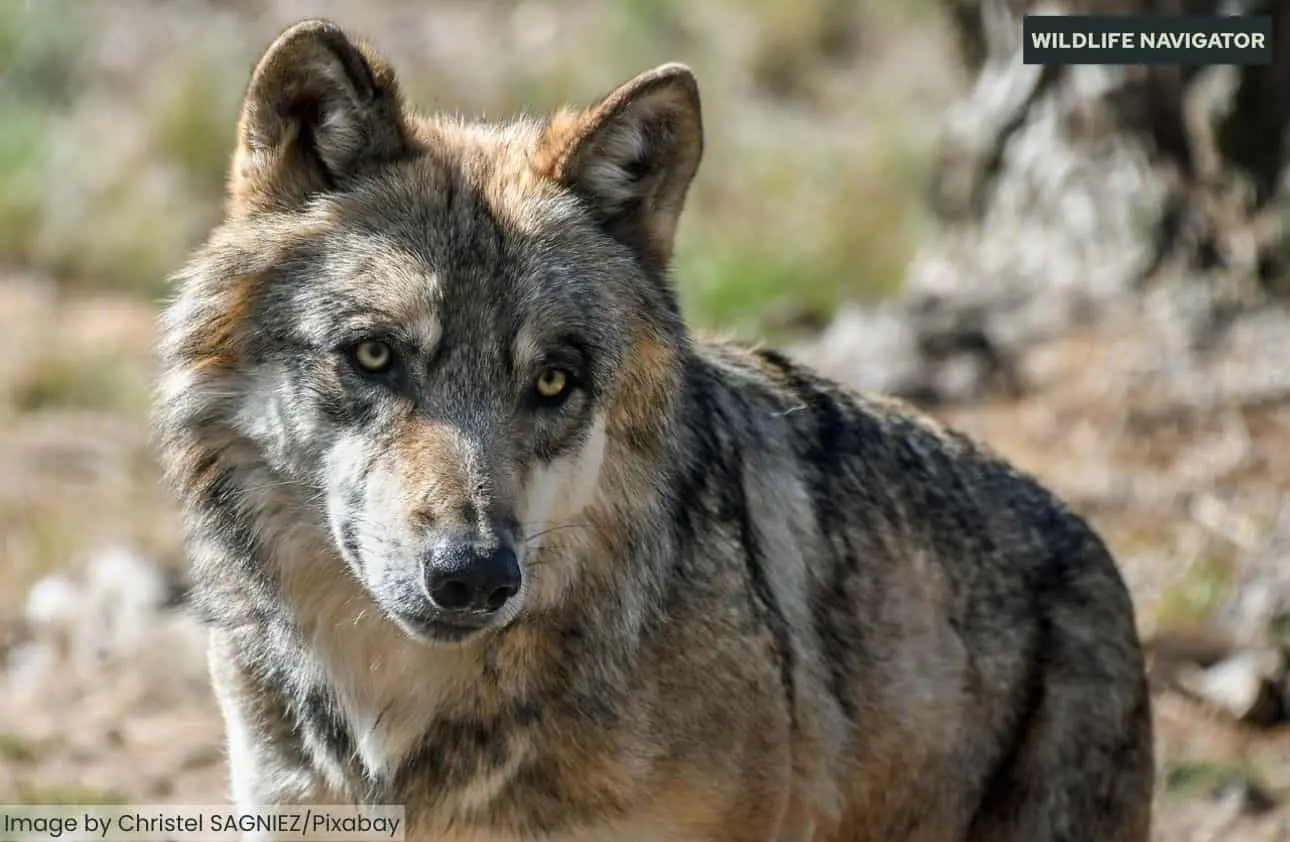
Gray wolves (Canis lupus) are among the most iconic and widely recognized predators on Earth. Known for their intelligence, complex social structures, and haunting howls, these remarkable canines have fascinated humans for thousands of years. From the frozen Arctic tundra to dense forests and mountain ranges, gray wolves have adapted to a wide variety of environments, making them one of the most successful large predators in history.
As apex predators, gray wolves play a crucial role in maintaining healthy ecosystems. Their presence helps regulate prey populations, influences animal behaviour, and even shapes vegetation growth. Despite centuries of persecution and habitat loss, gray wolves continue to survive across much of North America, Europe, and Asia.
Quick Facts About Gray Wolves
| Feature | Details |
|---|---|
| Scientific Name | Canis lupus |
| Common Name | Gray Wolf |
| Family | Canidae |
| Conservation Status | Least Concern (IUCN) |
| Average Weight | 30–80 kg (66–176 lbs) |
| Length | 1–1.8 m (3–6 ft) |
| Lifespan | 6–13 years in the wild |
| Diet | Carnivore |
| Habitat | Forests, tundra, grasslands, mountains |
| Social Structure | Family-based packs |
What Is a Gray Wolf?
The gray wolf is the largest living member of the dog family (Canidae). It is the ancestor of modern domestic dogs, which were domesticated from ancient wolf populations thousands of years ago.
Gray wolves evolved to become highly efficient predators capable of hunting large mammals such as deer, elk, moose, caribou, and wild boar. Their intelligence, endurance, and cooperative hunting strategies allow them to survive in some of the world’s harshest environments.
Scientific Classification
- Kingdom: Animalia
- Phylum: Chordata
- Class: Mammalia
- Order: Carnivora
- Family: Canidae
- Genus: Canis
- Species: Canis lupus
The name Canis lupus comes from Latin, where Canis means “dog” and lupus means “wolf.”
Physical Characteristics of Gray Wolf
Although called “gray” wolves, these animals display a surprising range of coat colors. Depending on their location, wolves may appear gray, white, black, brown, reddish, or a combination of several shades.
Their thick double-layered fur helps them survive extreme cold temperatures. The outer coat repels water and snow, while the dense undercoat provides insulation.
How Big Is a Gray Wolf?
Adult gray wolves vary significantly in size depending on geography and prey availability.
- Weight: 30–80 kg (66–176 lbs)
- Height at shoulder: 60–90 cm (24–35 inches)
- Body length: 1–1.8 meters (3–6 feet)
- Tail length: 30–50 cm (12–20 inches)
Wolves living in northern regions are generally larger than those found in warmer climates, a pattern known as Bergmann’s Rule.
Built for Survival
Gray wolves possess several physical adaptations that make them formidable hunters:
- Powerful jaws capable of crushing bones
- Large canine teeth for gripping prey
- Excellent hearing and vision
- Exceptional sense of smell
- Long legs for covering vast distances
- Thick fur for cold-weather survival
A wolf’s sense of smell is estimated to be hundreds of times more sensitive than that of humans, allowing it to detect prey from remarkable distances.
Where Do Gray Wolves Live?
Historically, gray wolves occupied one of the largest natural ranges of any land mammal. They once lived throughout most of North America, Europe, Asia, and parts of the Middle East.
Although their range declined significantly due to human expansion and persecution, wolves still inhabit large portions of the Northern Hemisphere.
Gray Wolf Habitat
Gray wolves are highly adaptable and can survive in diverse environments, including:
- Forests: Boreal and temperate forests provide abundant cover and prey species.
- Grasslands: Open plains support populations of deer, elk, and other grazing animals.
- Tundra: Arctic wolves thrive in frozen landscapes with little vegetation.
- Mountains: Mountain ranges offer denning sites and reduced human disturbance.
- Deserts: Some wolf populations survive in semi-arid environments where prey remains available.
Countries With Wild Gray Wolf Populations
Gray wolves can be found in numerous countries, including:
- United States
- Canada
- Mexico
- Russia
- Mongolia
- China
- India
- Poland
- Germany
- Italy
- Spain
- Sweden
- Finland
- Norway
- Romania
Russia contains some of the world’s largest gray wolf populations due to its vast wilderness areas.
Gray Wolf Diet and Hunting Behaviour
Gray wolves are carnivores that primarily feed on medium and large mammals. Their diet varies depending on habitat, season, and prey availability.
What Do Gray Wolves Eat?
Common prey species include:
- Deer
- Elk
- Moose
- Caribou
- Wild boar
- Bison calves
- Mountain goats
- Musk oxen
When large prey is scarce, wolves may also consume:
- Rabbits
- Rodents
- Beavers
- Birds
- Fish
- Carrion
Although primarily meat-eaters, wolves occasionally consume berries and fruits.
How Wolves Hunt in Packs
One of the most fascinating aspects of wolf behaviour is cooperative hunting.
A wolf pack may spend hours tracking prey before launching an attack. Rather than relying on speed alone, wolves use endurance, teamwork, and strategy.
Pack members often:
- Test herds for weaknesses
- Isolate vulnerable individuals
- Coordinate attacks
- Exhaust prey through long pursuits
Target animals are often young, old, injured, or weakened individuals that are easier to catch.
Can Gray Wolves Hunt Alone?
Yes. While pack hunting is effective for large prey, individual wolves frequently hunt smaller animals on their own.
Lone wolves may successfully capture:
- Hares
- Rodents
- Beavers
- Small deer
However, hunting in groups greatly increases success rates when targeting larger prey such as elk or moose.
Gray Wolf Pack Structure and Social Life
Gray wolves are highly social animals that live in family groups known as packs. Unlike the outdated idea that packs are ruled by aggressive “alpha wolves,” modern research shows that most wolf packs function much like human families.
A typical pack consists of:
- A breeding pair (parents)
- Their offspring from previous years
- Current-year pups
- Occasionally unrelated wolves that have joined the group
Pack sizes vary depending on habitat and prey availability, usually ranging from 4 to 10 individuals, though some packs may contain more than 20 wolves.
Wolf Pack Roles
Every member contributes to the survival of the group.
- Breeding Pair: The breeding male and female lead hunting activities, defend territory, and raise pups.
- Adult Offspring: Older offspring often remain with the pack for several years and help care for younger siblings.
- Pups: Young wolves learn hunting and social skills through observation and play.
- Scouts and Hunters: While wolves do not have fixed jobs, some individuals naturally take leading roles during travel or hunting.
This cooperative lifestyle increases hunting success and improves pup survival.
How Wolves Communicate
Communication is essential for maintaining pack cohesion and defending territory. Gray wolves communicate through:
Howling
The wolf’s howl is one of nature’s most recognizable sounds.
Wolves howl to:
- Locate pack members
- Announce territorial boundaries
- Coordinate movements
- Strengthen social bonds
Contrary to popular belief, wolves do not howl at the moon. They often raise their heads simply because it helps project sound over long distances.
A wolf’s howl can travel several kilometers under favourable conditions.
Body Language
Wolves use subtle physical signals to communicate.
Examples include:
- Tail position
- Ear posture
- Facial expressions
- Eye contact
- Play bows
These signals help avoid unnecessary conflict within the pack.
Scent Marking
Wolves mark territory using urine, feces, and scent glands.
Scent marking communicates:
- Territory ownership
- Reproductive status
- Pack identity
Neighboring packs can often determine who occupies an area simply through scent.
Gray Wolf Reproduction and Life Cycle
Gray wolves generally mate once a year and form strong pair bonds.
Gray Wolf Breeding Season
Breeding season typically occurs between January and March, depending on geographic location.
Northern wolf populations usually breed later than southern populations because of colder climates.
After mating, the female prepares a den where she will give birth and raise her pups.
Gestation and Birth
The gestation period lasts approximately 63 days.
A litter usually contains:
- 4–6 pups on average
- Occasionally 1–11 pups
Wolf pups are born:
- Blind
- Deaf
- Helpless
At birth, they weigh less than half a kilogram.
Raising Wolf Pups
Wolf pups develop rapidly.
Within a few weeks:
- Their eyes open
- They begin exploring outside the den
- They start eating regurgitated meat from adults
One of the most remarkable aspects of wolf society is cooperative parenting.
Older siblings, aunts, uncles, and other pack members help:
- Guard pups
- Deliver food
- Teach social behavior
This teamwork significantly increases survival rates.
Life Expectancy
Gray wolves face many challenges in the wild.
Average lifespan:
- Wild: 6–13 years
- Captivity: Up to 16–20 years
Many wolves die earlier because of disease, starvation, accidents, territorial conflicts, or human-related causes.
Gray Wolf Behavior and Adaptations
Gray wolves possess a combination of intelligence, endurance, and adaptability that has allowed them to survive for thousands of years.
Territorial Behavior
Wolf packs maintain territories that provide access to prey and denning sites.
Territory size varies greatly:
- 50 square kilometers in prey-rich regions
- More than 2,500 square kilometers in Arctic habitats
Packs defend their territories through:
- Howling
- Scent marking
- Direct confrontation when necessary
Territorial boundaries help reduce competition between neighboring packs.
Why Do Wolves Howl?
Howling serves several important functions.
It can:
- Reunite separated pack members
- Warn rival packs
- Coordinate hunting activities
- Strengthen group identity
Each wolf possesses a unique howl, allowing pack members to recognize one another.
How Fast Can a Gray Wolf Run?
Gray wolves are built for endurance rather than short bursts of speed.
They can:
- Reach speeds of 50–60 km/h (31–37 mph)
- Travel over 30 kilometers in a single day
- Cover hundreds of kilometers during dispersal journeys
Young wolves searching for new territories may travel extraordinary distances.
Some documented individuals have dispersed more than 1,000 kilometers from their birthplace.
Are Gray Wolves Intelligent?
Gray wolves rank among the most intelligent carnivores.
Researchers have observed wolves:
- Solving problems cooperatively
- Learning from experience
- Adjusting hunting strategies
- Recognizing individual pack members
Their intelligence is one reason they have successfully adapted to many different environments.
Gray Wolves and Ecosystems
Gray wolves are considered a keystone species because their presence has effects far beyond the animals they directly hunt.
By controlling herbivore populations, wolves help maintain ecological balance.
Their influence can affect:
- Vegetation growth
- River systems
- Bird populations
- Smaller mammals
- Overall biodiversity
When wolves disappear, ecosystems often experience dramatic changes.
The Yellowstone Wolf Reintroduction Story
One of the most famous wildlife conservation success stories occurred in Yellowstone National Park.
By the early 20th century, wolves had been eliminated from the park through predator-control programs.
Without wolves:
- Elk populations increased significantly
- Heavy browsing damaged vegetation
- Young willow and aspen trees struggled to regenerate
Reintroduction in 1995
In 1995 and 1996, wildlife managers reintroduced gray wolves into Yellowstone.
The results became one of the most studied examples of ecological restoration.
Ecological Impacts
The return of wolves altered elk behavior and reduced browsing pressure in some areas.
As vegetation recovered:
- Willow stands expanded
- Aspen regeneration improved
- Beaver populations increased
- Songbird habitat improved
Although scientists continue debating the exact scale of some effects, the Yellowstone wolf reintroduction remains a landmark example of predator conservation.
Gray Wolves and Humans
The relationship between wolves and humans stretches back thousands of years.
Wolves have inspired:
- Legends
- Folklore
- Literature
- Art
- Religion
At the same time, they have often been feared because they occasionally prey on livestock.
Wolves in Mythology and Culture
Many cultures portray wolves as symbols of:
- Strength
- Loyalty
- Courage
- Intelligence
- Wilderness
Examples include:
- Roman mythology’s she-wolf that raised Romulus and Remus
- Native American traditions that honor wolves as teachers or guides
- Norse mythology featuring the giant wolf Fenrir
These stories reflect humanity’s long fascination with wolves.
Are Gray Wolves Dangerous to Humans?
Gray wolves generally avoid people and prefer to stay away from human settlements whenever possible. Encounters between wolves and humans are relatively rare because wolves are naturally cautious animals.
Documented attacks on humans are uncommon compared to incidents involving many other large mammals. Most wolves will retreat when they detect human presence.
However, as with any wild predator, wolves should never be approached, fed, or provoked. Habituated wolves that lose their fear of humans may become more likely to cause conflicts.
For visitors to wolf habitat, wildlife experts recommend:
- Maintaining a safe distance
- Never feeding wild animals
- Securing food and waste properly
- Keeping pets under control
- Following local wildlife guidelines
Respecting wolves as wild animals helps reduce the likelihood of negative encounters.
Threats to Gray Wolves
Despite their adaptability, gray wolves continue to face numerous challenges across parts of their range.
Habitat Loss and Fragmentation
Expanding human development has reduced and fragmented many natural habitats.
Roads, settlements, agriculture, and industrial activities can divide wolf territories into smaller areas, making it more difficult for wolves to find prey, establish territories, and maintain healthy populations.
Fragmented habitats may also reduce genetic diversity by limiting movement between populations.
Human-Wolf Conflict
Livestock depredation remains one of the most significant sources of conflict between wolves and people.
When wolves prey on:
- Sheep
- Goats
- Cattle
- Horses
Farmers and ranchers may suffer economic losses.
Many conservation programs now focus on non-lethal solutions such as:
- Livestock guardian dogs
- Improved fencing
- Night enclosures
- Compensation programs
These measures help reduce conflict while supporting wolf conservation.
Illegal Killing and Poaching
Although wolves are protected in many regions, illegal hunting remains a threat.
Some wolves are killed because they are perceived as competitors for game animals or threats to livestock.
Poaching can be especially damaging to small or recovering populations.
Disease
Gray wolves are susceptible to several diseases, including:
- Rabies
- Canine distemper
- Mange
- Parvovirus
Disease outbreaks can temporarily reduce local populations, particularly among pups.
Climate Change
Climate change may alter prey distributions, habitat conditions, and ecosystem dynamics.
Arctic and northern wolf populations may experience changing environmental conditions as temperatures continue to rise.
Gray Wolf Conservation Status
According to the International Union for Conservation of Nature (IUCN), the gray wolf is currently classified as Least Concern globally because of its extensive range and large overall population.
However, conservation status can vary considerably between countries and regions.
Some populations are stable or increasing, while others remain small and vulnerable.
Conservation Efforts Around the World
Numerous organizations and governments work to protect gray wolves through:
- Habitat preservation
- Wildlife corridors
- Scientific research
- Population monitoring
- Public education
- Conflict mitigation programs
Protected areas such as national parks, wildlife reserves, and wilderness regions provide important refuges for wolf populations.
Recovery Success Stories
Several wolf populations have recovered significantly over recent decades.
Notable examples include:
- Yellowstone ecosystem wolves in the United States
- Italian wolf populations
- Certain populations in Spain and Portugal
- Recovery efforts in parts of Central Europe
These successes demonstrate that wolves can rebound when suitable habitat and legal protection are available.
The Future of Gray Wolves
The long-term future of gray wolves depends on balancing conservation goals with the needs of local communities.
Key priorities include:
- Maintaining habitat connectivity
- Reducing human-wildlife conflict
- Supporting scientific research
- Encouraging coexistence strategies
As conservation approaches continue to evolve, many experts believe wolves can persist alongside human populations across much of their historic range.
Fascinating Gray Wolf Facts
- Gray wolves are the largest wild members of the dog family.
- Domestic dogs descended from ancient wolf ancestors.
- A wolf’s howl can travel several kilometers.
- Wolves can detect scents far beyond human capability.
- They may travel over 30 kilometers in a single day.
- Wolf packs are usually family groups rather than collections of unrelated animals.
- Gray wolves occur across North America, Europe, and Asia.
- Wolves help maintain healthy ecosystems by regulating prey populations.
- They can run at speeds of up to 60 km/h (37 mph).
- Wolves possess remarkable endurance and can pursue prey over long distances.
- Their coat color ranges from white and gray to black and brown.
- Wolf pups are born blind and deaf.
- Wolves communicate through howls, body language, and scent marking.
- Yellowstone’s wolf reintroduction became one of the world’s most famous conservation projects.
- Gray wolves have survived ice ages, habitat changes, and centuries of human persecution.
Conclusion
Gray wolves are among the most influential predators in the natural world. Their intelligence, social complexity, adaptability, and ecological importance have made them one of the most extensively studied wildlife species on Earth.
As apex predators, wolves help maintain balance within ecosystems by regulating prey populations and influencing ecological processes. From the forests of North America to the mountains of Europe and the vast landscapes of Asia, these remarkable canines continue to shape the environments they inhabit.
Although many wolf populations have recovered from historic declines, conservation challenges remain. Protecting habitat, reducing conflict with humans, and promoting coexistence will be essential for ensuring that future generations can continue to witness gray wolves thriving in the wild.
The story of the gray wolf is ultimately one of resilience—a species that has endured countless challenges and remains a powerful symbol of wilderness across the globe.
Frequently Asked Questions
Curating and documenting wildlife and protected areas through detailed guides and the continuously updated WN Index.
- Rosan Prasad

- Rosan Prasad
- Rosan Prasad

- Rosan Prasad