Why Are White Tigers Rare? Genetics, History & Fascinating Facts Explained

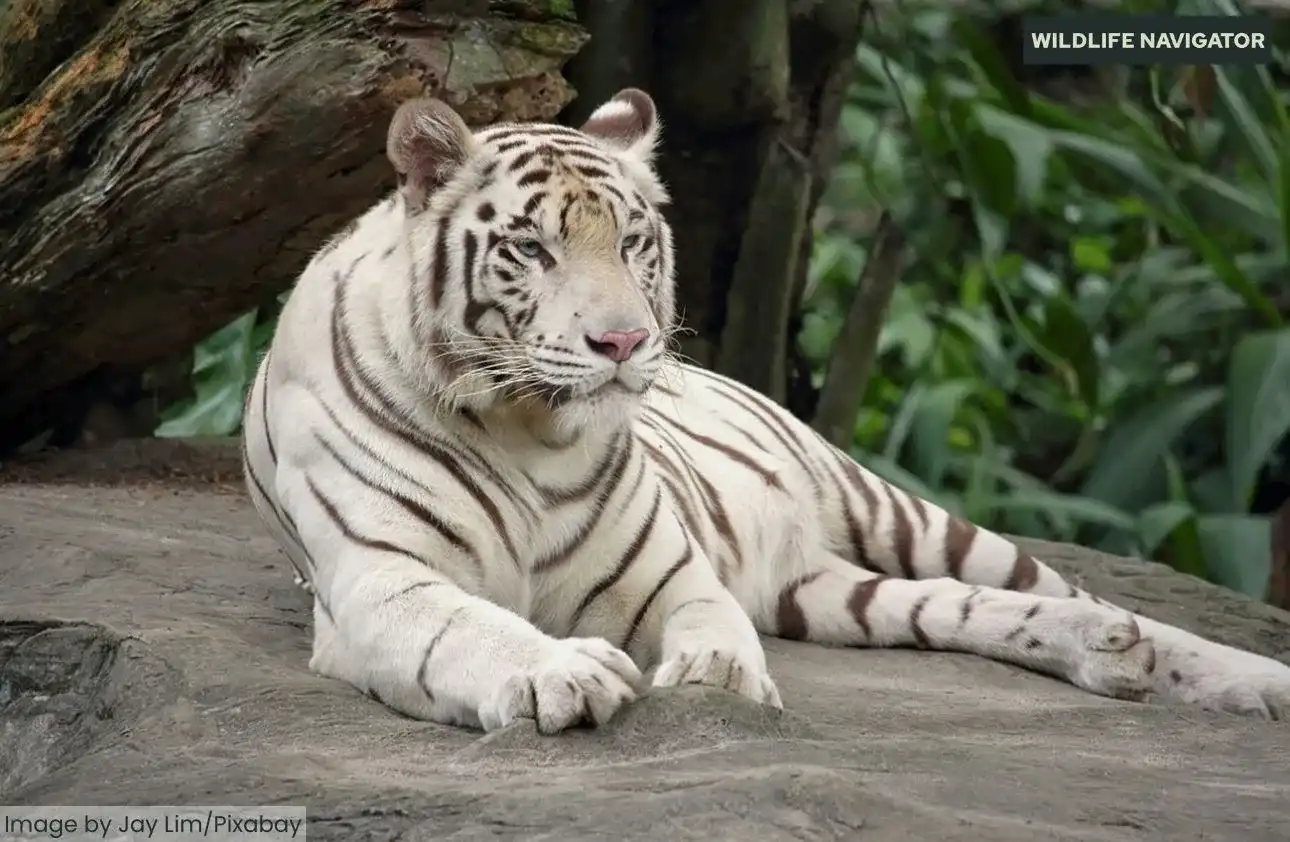
White tigers are among the most recognizable and fascinating animals on Earth. Their striking white coats, dark stripes, and piercing blue eyes have captivated people for centuries. Whether featured in zoos, wildlife documentaries, or conservation discussions, white tigers often attract attention wherever they appear.
Despite their popularity, many people misunderstand what white tigers actually are. Some believe they are a separate species, while others assume they are albinos. In reality, white tigers are neither. Their unusual appearance is the result of a rare genetic mutation that affects pigmentation.
So, why are white tigers rare? The answer lies in genetics, natural selection, and the history of tiger breeding. Understanding these factors reveals why white tigers are so uncommon in the wild and why most of the white tigers seen today live in captivity.
What Is a White Tiger?
A white tiger is not a separate species or subspecies of tiger. Most white tigers belong to the Bengal tiger (Panthera tigris tigris), although white coloration can theoretically occur in other tiger populations carrying the same genetic trait.
Unlike the familiar orange coat of most tigers, white tigers have a cream-colored or white background fur with dark brown, gray, or black stripes. Their eyes are typically blue, and their noses are pink.
The distinctive appearance results from a genetic mutation that reduces the production of certain pigments in the fur. Importantly, white tigers still retain their stripes, which is one reason they are not considered albinos.
White Tigers Are Not Albinos
One of the most common myths about white tigers is that they are albinos. This is incorrect.
Albino animals completely lack melanin, the pigment responsible for coloration in skin, fur, feathers, and eyes. Albino animals usually have pink or red eyes due to visible blood vessels.
White tigers, however, retain dark stripes and typically have blue eyes. Their coloration is caused by a recessive genetic mutation affecting pigmentation rather than complete albinism.
This distinction is important because it helps explain both their appearance and their rarity.
Why Are White Tigers Rare?
The primary reason white tigers are rare is genetics. The white coat color is caused by a recessive gene. For a tiger cub to be born white, it must inherit a copy of this recessive gene from both parents.
Understanding Recessive Genes
Genes come in different forms called alleles. Some traits are dominant, meaning only one copy is needed for the trait to appear. Other traits are recessive, meaning an individual must inherit two copies for the trait to be expressed.
In tigers:
- Orange coloration is the dominant trait.
- White coloration is a recessive trait.
This means a tiger can carry the white gene without actually being white. Such tigers appear orange but can pass the gene to their offspring.
A white cub is only born when both parents carry the recessive gene and pass it to the cub.
Because the gene is naturally uncommon in wild populations, the chances of two carriers mating are very low. As a result, white tiger births are extremely rare.
A Rare Combination in Nature
Even if the recessive gene exists in a population, several conditions must occur:
- Both parents must carry the white gene.
- The two carriers must mate.
- The cub must inherit the recessive gene from both parents.
The odds of all three conditions occurring naturally are relatively small. This is one of the main reasons white tigers are rarely seen in the wild.
How Rare Are White Tigers in the Wild?
Historically, white tigers were occasionally observed in parts of India, particularly within the range of Bengal tigers.
Naturalists and hunters recorded sporadic sightings of white tigers over several centuries. However, these sightings were extremely uncommon.
Wildlife experts often estimate that naturally occurring white tigers may have appeared only once in every several thousand tiger births.
Today, verified sightings of wild white tigers are virtually nonexistent.
Why They Are Rare in Natural Habitats
White coloration can be a disadvantage in many environments.
The orange coat of a tiger provides surprisingly effective camouflage in forests and grasslands. Although humans easily notice orange coloration, many prey species perceive colors differently and may not detect orange as readily.
A white tiger, however, stands out more prominently against vegetation, potentially making it harder to stalk prey undetected.
Natural selection generally favors traits that improve survival and reproduction. Since white coloration may not offer a significant advantage, the trait remains uncommon in wild populations.
The History of White Tigers
The modern story of white tigers largely begins with a famous tiger named Mohan.
The Discovery of Mohan
In 1951, a white tiger cub was captured in the forests of central India. The cub, named Mohan, became the foundation of most captive white tiger populations seen today.
Mohan was kept in captivity and later bred with orange tigers carrying the white gene. Through selective breeding, breeders successfully increased the number of white tiger offspring.
Over time, many zoos and wildlife parks around the world acquired white tigers descended from Mohan. As a result, a significant percentage of white tigers alive today can trace their ancestry back to this single individual.
White Tigers Become Zoo Attractions
The unusual appearance of white tigers quickly made them popular attractions.
Visitors were fascinated by their striking coloration, leading many zoos and animal parks to feature them prominently in exhibits and promotional materials.
Because of public interest, breeding programs focused on producing more white tiger cubs. While successful in increasing numbers, this practice introduced significant genetic concerns.
Why Are Most White Tigers Found in Captivity?
The vast majority of white tigers today live in captivity rather than the wild.
This is largely due to selective breeding.
Selective Breeding for Color
Breeders intentionally pair tigers carrying the white gene to increase the likelihood of producing white offspring.
Because the white gene is recessive, breeding two carriers dramatically raises the chances of white cubs being born.
Over multiple generations, selective breeding can produce a relatively stable population of white tigers.
However, maintaining the trait often requires breeding closely related individuals, especially when the original gene pool is limited.
This has led to concerns among wildlife biologists and conservationists.
The Problem of Inbreeding
Many captive white tigers are descendants of a small number of individuals.
When closely related animals breed repeatedly, genetic diversity decreases. This process is known as inbreeding.
Reduced genetic diversity can increase the likelihood of inherited health problems.
Health Issues Linked to Inbreeding
Not every white tiger experiences health complications, but certain problems have been reported more frequently among heavily inbred populations.
These may include:
- Crossed eyes (strabismus)
- Skeletal deformities
- Spinal abnormalities
- Cleft palate
- Immune system weaknesses
- Reproductive difficulties
- Developmental disorders
It is important to note that these issues are generally associated with inbreeding rather than the white coloration itself.
The white coat does not automatically cause health problems. Instead, problems arise when breeders repeatedly use a limited gene pool to maintain the rare color trait.
Do White Tigers Have Advantages in the Wild?
While white tigers are visually impressive, their coloration does not necessarily provide advantages in most tiger habitats.
Camouflage Challenges
Tigers are ambush predators that rely heavily on camouflage.
Their orange coats blend effectively with dry grasses, sunlight-filtered forests, and vegetation. Combined with dark stripes, this coloration helps conceal them from prey.
A white tiger may be easier to detect in tropical forests and grasslands, reducing hunting success.
Habitat Considerations
In snowy environments, white coloration could theoretically provide camouflage benefits. However, Bengal tigers evolved primarily in forests, grasslands, and wetlands rather than snow-covered regions.
As a result, the white coloration offers little ecological advantage in the habitats where Bengal tigers naturally occur.
Are White Tigers Endangered?
This question often causes confusion.
White tigers themselves are not classified as a separate species or subspecies. Therefore, they do not have a separate conservation status.
Instead, they are part of the broader Bengal tiger population.
The Real Conservation Priority
Conservationists generally focus on protecting wild tiger populations rather than preserving specific color variations.
The greatest threats to tigers today include:
- Habitat destruction
- Deforestation
- Poaching
- Illegal wildlife trade
- Human-wildlife conflict
- Declining prey populations
Protecting genetically diverse wild tiger populations contributes far more to conservation than breeding tigers solely for unusual coloration.
Why Genetic Diversity Matters
Healthy wildlife populations depend on strong genetic diversity.
A diverse gene pool helps species adapt to diseases, environmental changes, and other challenges.
Conservation programs therefore prioritize maintaining genetically healthy tiger populations rather than encouraging breeding practices that may reduce diversity.
Fascinating Facts About White Tigers
White tigers possess several interesting characteristics that continue to fascinate wildlife enthusiasts.
- White Tigers Are Not a Separate Species: They are color variants of existing tiger populations, primarily Bengal tigers.
- Most White Tigers Share Common Ancestors: Many captive white tigers can trace their lineage back to Mohan, the white tiger captured in India in 1951.
- They Still Have Stripes: Even though their coats are white, their dark stripes remain visible and unique to each individual.
- They Usually Have Blue Eyes: Unlike albino animals, white tigers commonly have blue eyes.
- White Cubs Can Be Born to Orange Parents: If both parents carry the recessive white gene, a white cub may be born even when both parents appear orange.
- Every Tiger Has a Unique Stripe Pattern: Just like human fingerprints, no two tigers have identical stripe patterns.
- White Tigers Can Grow Very Large: Some white tigers are known for their impressive size and muscular build, although size varies among individuals.
Frequently Asked Questions
Conclusion
White tigers are rare because their distinctive appearance results from an uncommon recessive genetic mutation. For a white cub to be born, both parents must carry and pass on the rare gene, making natural occurrences extremely uncommon.
Although white tigers once appeared occasionally in the wild, most white tigers alive today are descendants of captive breeding programs. Their striking white coats have made them famous worldwide, but they are not a separate species, nor are they albinos.
The story of white tigers highlights the fascinating role genetics plays in shaping wildlife. At the same time, it reminds us that true conservation is not about preserving unusual colors but about protecting healthy, genetically diverse tiger populations in their natural habitats.
As wild tigers continue to face threats from habitat loss, poaching, and human conflict, safeguarding their future remains one of the most important wildlife conservation challenges of our time.