Brown Bear (Ursus arctos): The Powerful Giant of the Northern Hemisphere

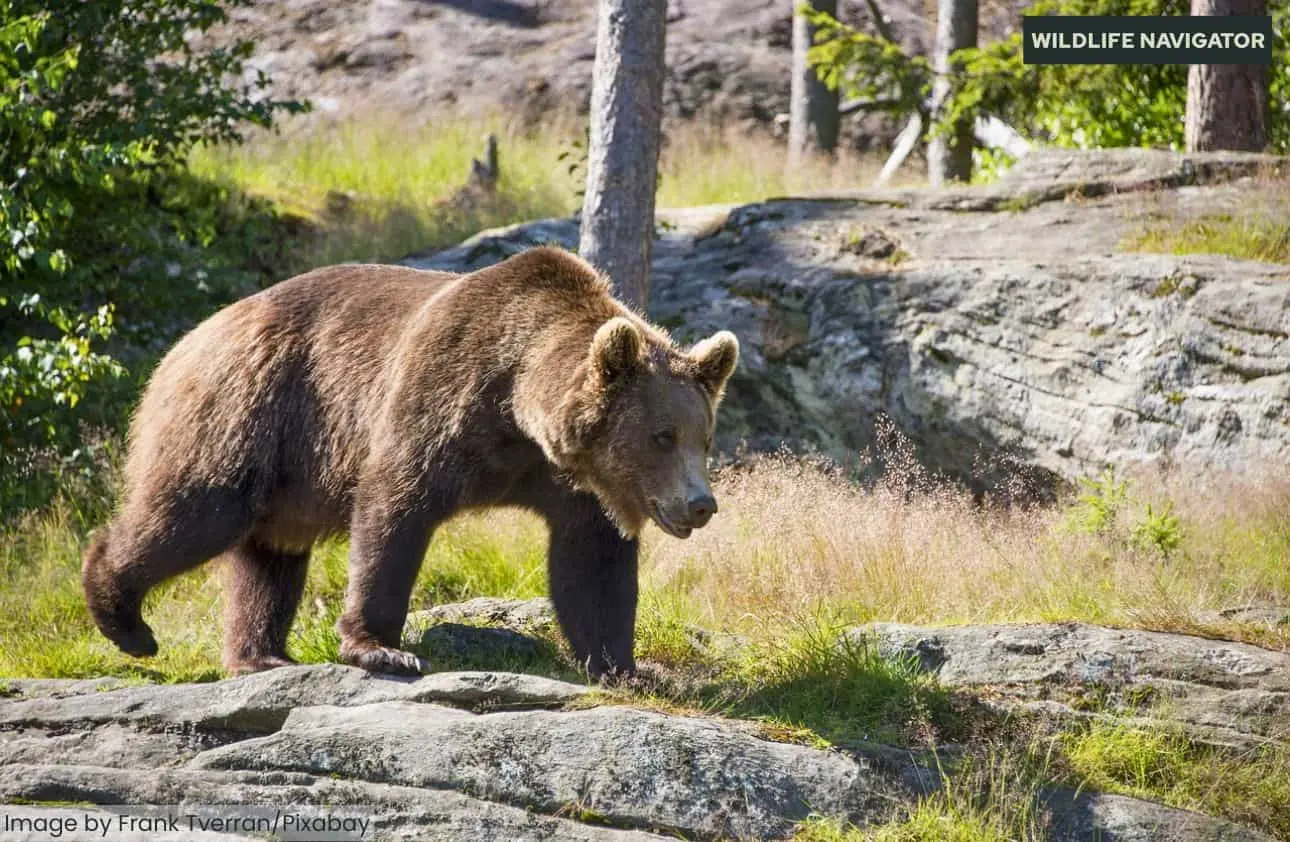
Brown bears are among the most recognizable and widely distributed large mammals on Earth. Known for their immense strength, impressive intelligence, and remarkable adaptability, these iconic bears inhabit forests, mountains, tundra, and coastal regions across North America, Europe, and Asia. From the salmon-rich rivers of Alaska to the remote Himalayan ranges, brown bears have successfully adapted to a wide variety of environments, making them one of the most successful members of the bear family.
The brown bear (Ursus arctos) plays a vital role in maintaining healthy ecosystems. As both predators and scavengers, these animals influence prey populations, disperse seeds, and recycle nutrients throughout their habitats. Despite their power and resilience, many brown bear populations face threats from habitat fragmentation, human-wildlife conflict, and climate change.
This comprehensive guide explores everything you need to know about brown bears, including their appearance, habitat, diet, behavior, and conservation status.
What Is a Brown Bear?
The brown bear is a large mammal belonging to the bear family Ursidae. It is one of the most widespread bear species in the world and is considered the ancestor of several bear populations, including the famous grizzly bear and Kodiak bear.
Scientific Classification
| Classification | Details |
|---|---|
| Kingdom | Animalia |
| Phylum | Chordata |
| Class | Mammalia |
| Order | Carnivora |
| Family | Ursidae |
| Genus | Ursus |
| Species | Ursus arctos |
Brown Bear Quick Facts
| Feature | Details |
|---|---|
| Scientific Name | Ursus arctos |
| Common Name | Brown Bear |
| Diet | Omnivore |
| Lifespan | 20–30 years in the wild |
| Weight | 80–700 kg (176–1,540 lbs) |
| Length | 1.5–3 meters |
| Habitat | Forests, mountains, tundra, coastal areas |
| Range | North America, Europe, Asia |
| Conservation Status | Least Concern (IUCN) |
Brown Bear Identification
Brown bears are powerful animals with several distinctive physical characteristics that help differentiate them from other bear species.
Physical Appearance
The most notable feature of a brown bear is the muscular hump located above its shoulders. This hump contains powerful muscles that aid in digging, running, and overturning rocks or logs while searching for food.
Brown bears possess:
- Large, robust bodies
- Broad heads with small rounded ears
- Strong legs and large paws
- Long curved claws
- Dense fur adapted to cold climates
Unlike black bears, brown bears have a more concave facial profile and a pronounced shoulder hump.
Size and Weight
Brown bears vary significantly in size depending on their location and food availability.
Adult males are generally much larger than females.
- Average Male Brown Bear
- Weight: 180–680 kg (400–1,500 lbs)
- Length: 1.8–3 m (6–10 ft)
- Average Female Brown Bear
- Weight: 80–250 kg (176–550 lbs)
- Length: 1.5–2.5 m (5–8 ft)
The largest individuals are found in coastal Alaska and Russia, where abundant salmon provide a rich food source.
Fur Color Variations
Despite their name, brown bears are not always brown. Their fur can range from:
- Dark chocolate brown
- Light brown
- Blonde
- Cinnamon
- Nearly black
- Silver-tipped grizzled fur
These color variations often depend on geography, genetics, and environmental conditions.
Brown Bear Subspecies
Scientists recognize numerous brown bear subspecies distributed across different regions of the world.
- Grizzly Bear (Ursus arctos horribilis) – The grizzly bear is perhaps the most famous brown bear subspecies in North America.
- Kodiak Bear (Ursus arctos middendorffi) – The Kodiak bear is the largest brown bear subspecies and one of the largest terrestrial carnivores on Earth.
- Eurasian Brown Bear – The Eurasian brown bear inhabits large portions of Europe and Asia.
- Himalayan Brown Bear – The Himalayan brown bear is among the rarest brown bear subspecies.
Other Brown Bear Populations
Additional brown bear populations occur across:
- Japan (Ussuri brown bear)
- Kamchatka Peninsula
- Caucasus Mountains
- Central Asia
Each population exhibits unique adaptations to local environmental conditions.
Brown Bear Habitat and Distribution
Brown bears possess one of the widest geographic distributions of any bear species.
Where Do Brown Bears Live?
Brown bears inhabit three continents:
- North America
- Alaska
- Western Canada
- Parts of Wyoming
- Montana
- Idaho
- Washington
- Europe
- Sweden
- Finland
- Romania
- Slovakia
- Slovenia
- Croatia
- Asia
- Russia
- Mongolia
- China
- Japan
- India
- Pakistan
Historically, brown bears occupied much larger portions of Europe, Asia, North Africa, and North America.
Preferred Habitats
Brown bears are highly adaptable and can survive in various environments.
- Forests (Dense forests provide):
- Shelter
- Food resources
- Denning sites
- Mountains (Mountain regions offer):
- Remote terrain
- Seasonal food availability
- Reduced human disturbance
- Tundra – Arctic and subarctic tundra habitats support bears during summer feeding periods.
- Coastal Areas – Coastal brown bears benefit from abundant marine resources, especially salmon runs.
These food-rich environments often support the largest bears in the world.
Brown Bear Diet
One reason for the brown bear’s success is its flexible diet. Brown bears are omnivores, meaning they consume both plant and animal matter.
What Do Brown Bears Eat?
Their diet varies depending on location and season.
Plant Foods Brown bears consume:
- Berries
- Nuts
- Roots
- Grasses
- Fruits
- Seeds
Plant material often makes up the majority of their annual diet.
Animal Foods They also eat:
- Fish
- Insects
- Rodents
- Deer
- Moose calves
- Elk calves
- Carcasses
In coastal ecosystems, salmon become an extremely important food source.
Seasonal Feeding Habits: Brown bears adjust their feeding behavior throughout the year.
- Spring:
- Fresh vegetation
- Winter-killed animals
- Insects
- Summer:
- Berries
- Fish
- Small mammals
- Autumn: Before winter, bears enter a period called hyperphagia. During this time they eat almost constantly to build fat reserves for hibernation.
Some individuals consume more than 20,000 calories per day.
Hunting and Feeding Behavior
Brown bears are opportunistic feeders that use multiple strategies to obtain food.
Fishing for Salmon
Perhaps the most famous brown bear behavior is salmon fishing.
In Alaska and parts of Russia, bears gather near rivers during annual salmon migrations.
Using lightning-fast reflexes, they:
- Swipe fish from the water
- Dive after salmon
- Capture fish with their jaws
This seasonal feast allows bears to gain substantial weight before winter.
Scavenging
Brown bears frequently scavenge carcasses left behind by wolves or natural causes. Scavenging provides valuable nutrition while conserving energy.
Food Competition
Brown bears may compete with:
- Wolves
- Other bears
- Wolverines
- Humans
Large males often dominate feeding areas and displace smaller bears.
Brown Bear Behavior
Brown bears are often portrayed as aggressive and dangerous animals, but in reality, they are intelligent, cautious, and generally avoid humans whenever possible. Their behavior is largely influenced by food availability, season, age, and environmental conditions.
Solitary Lifestyle
Brown bears are primarily solitary animals.
Adult bears spend most of their lives alone except during:
- Mating season
- Mother-cub interactions
- Concentrated feeding events such as salmon runs
Each bear typically maintains a home range that may overlap with other bears. However, they generally avoid direct confrontation unless competing for food or mates.
Male bears often occupy larger territories than females, especially in regions where food resources are widely dispersed.
Daily Activity Patterns
Brown bears are most active during:
- Early morning
- Late evening
- Nighttime in areas with high human activity
Their activity patterns often change based on environmental conditions.
For example:
- Bears in remote wilderness areas may remain active during the day.
- Bears living near humans often become more nocturnal to avoid encounters.
Communication Methods
Although brown bears live solitary lives, they communicate through a variety of signals.
Vocalizations
Brown bears produce different sounds, including:
- Growls
- Roars
- Huffs
- Moans
- Grunts
Mother bears and cubs frequently communicate using softer vocalizations.
Scent Marking
Scent is one of the most important forms of communication among bears.
Brown bears mark their territories by:
- Rubbing against trees
- Scratching bark
- Leaving scent from specialized glands
- Urinating in specific locations
These scent marks provide information about:
- Identity
- Reproductive status
- Dominance
Body Language
Brown bears use body posture to express intentions.
Examples include:
- Standing upright to investigate surroundings
- Lowering the head during aggression
- Bluff charging when feeling threatened
Most encounters involving aggression are warning displays rather than genuine attacks.
Intelligence and Problem-Solving
Brown bears are considered among the most intelligent carnivorous mammals.
Studies and observations have shown that they can:
- Remember food locations for years
- Learn from experience
- Solve complex problems
- Use objects in simple tool-like ways
Their exceptional memory helps them revisit productive feeding areas season after season.
Hibernation in Brown Bears
One of the most fascinating aspects of brown bear biology is hibernation. Although commonly called hibernation, bear winter dormancy differs from that of smaller mammals such as ground squirrels.
Preparing for Winter
As autumn approaches, brown bears enter a feeding frenzy known as hyperphagia. During this period, they consume enormous quantities of food.
Common autumn foods include:
- Berries
- Salmon
- Nuts
- Roots
- Small mammals
The goal is to accumulate sufficient fat reserves to survive winter. Large brown bears may gain hundreds of kilograms before entering their dens.
Winter Den Sites
Brown bears select sheltered locations for winter dens. Common denning sites include:
- Natural caves
- Hollow trees
- Rock crevices
- Excavated hillside dens
Dens provide protection from:
- Snow
- Wind
- Extreme cold
Female bears preparing to give birth are especially selective when choosing den sites.
What Happens During Hibernation?
While hibernating, brown bears experience significant physiological changes.
- Reduced Heart Rate – A bear’s heart rate can decrease dramatically during winter dormancy.
- Lower Metabolic Activity – Energy requirements decline significantly, allowing fat reserves to sustain the animal for months.
- No Eating or Drinking – Throughout hibernation, bears typically:
- Do not eat
- Do not drink
- Do not urinate
- Do not defecate
Their bodies efficiently recycle waste products and conserve nutrients. This remarkable adaptation allows them to survive extended periods without external resources.
Do All Brown Bears Hibernate?
Not necessarily. The duration of hibernation varies depending on:
- Geographic location
- Climate
- Food availability
Examples:
- Arctic populations may hibernate for up to seven months.
- Some coastal bears with abundant winter food remain active for much of the year.
Pregnant females almost always den during winter.
Reproduction and Life Cycle
Brown bears have relatively slow reproductive rates compared to many mammals. This makes population recovery difficult when numbers decline.
Mating Season
The breeding season typically occurs between:
- May
- July
During this period, males actively search for receptive females.
Competition among males can result in:
- Vocal confrontations
- Physical fights
- Dominance displays
Larger males often gain greater breeding opportunities.
Delayed Implantation
Brown bears possess a unique reproductive adaptation called delayed implantation.
After fertilization:
- The embryo develops briefly.
- Development pauses temporarily.
- Implantation occurs months later if the female has accumulated sufficient fat reserves.
This adaptation ensures cubs are born only when the mother has adequate resources to support them.
Birth of Cubs
Brown bear cubs are born during winter while the mother remains inside the den.
Typical Litter Size
- 1–4 cubs
- Most commonly 2 cubs
At Birth
Cubs are:
- Blind
- Nearly hairless
- Extremely small
Newborn cubs typically weigh less than 500 grams (1 pound).
Despite their tiny size, they grow rapidly while nursing.
Maternal Care
Brown bear mothers are highly protective and attentive.
For up to two or three years, cubs learn essential survival skills such as:
- Finding food
- Avoiding danger
- Navigating habitats
- Social behavior
During this period, mothers may aggressively defend cubs from threats.
In fact, most serious human-bear encounters occur when a female perceives danger to her young.
Lifespan
Brown bears can live surprisingly long lives.
- In the Wild: Average lifespan 20–30 years
- In Captivity: Some individuals exceed 40 years
However, mortality is highest among cubs and young bears.
Predators and Natural Threats
Adult brown bears occupy the top of the food chain in most ecosystems. As a result, they have few natural predators.
Young cubs are more vulnerable.
Predators of Cubs
Potential predators include:
- Wolves
- Large male bears
- Siberian tigers (rarely)
- Other carnivores
Male brown bears may occasionally kill cubs to bring females back into breeding condition.
Human-Related Threats
Humans represent the greatest threat to brown bear populations worldwide.
Habitat Loss
Expanding development reduces available bear habitat through:
- Logging
- Agriculture
- Urbanization
- Road construction
Human-Bear Conflict
Conflicts arise when bears:
- Raid crops
- Access garbage
- Encounter livestock
Such situations often result in bears being relocated or killed.
Poaching
Illegal hunting remains a concern in some regions.
Bears may be targeted for:
- Body parts
- Fur
- Trophy hunting
Climate Change
Changing climates can affect:
- Food availability
- Salmon populations
- Denning patterns
- Habitat suitability
These changes may impact bear populations in the long term.
Brown Bear Conservation Status
Despite numerous challenges, brown bears remain one of the most widespread bear species on Earth.
- IUCN Red List Status: Least Concern (LC) – This classification reflects the species’ broad distribution and relatively large global population. However, some regional populations remain threatened or endangered.
- Global Population Trends:
- Healthy populations occur in:
- Alaska
- Canada
- Russia
- Scandinavia
- Healthy populations occur in:
- Smaller and more vulnerable populations exist in:
- Southern Europe
- Central Asia
- Himalayan regions
Conservation priorities vary significantly across different parts of the species’ range.
Conservation Efforts
Wildlife organizations and governments employ various strategies to protect brown bears.
- Protected Areas – National parks and wildlife reserves provide critical habitat.
- Wildlife Corridors – Corridors help connect fragmented populations and maintain genetic diversity.
- Public Education – Programs teaching coexistence reduce conflicts between people and bears.
- Scientific Monitoring (Researchers track):
- Population trends
- Movements
- Health
- Reproductive success
These efforts help guide conservation decisions.
Why Brown Bears Matter
Brown bears are considered a keystone species in many ecosystems.
Their activities help:
- Disperse seeds
- Regulate prey populations
- Recycle nutrients
- Maintain ecological balance
Protecting brown bears often benefits countless other species sharing the same habitats.
Brown Bears and Humans
Humans and brown bears have shared landscapes for thousands of years. This long relationship has shaped folklore, traditions, and conservation efforts around the world.
Historical Relationship
Early humans often competed with bears for resources such as:
- Food
- Shelter
- Territory
Archaeological evidence suggests that ancient cultures both feared and revered bears. Many prehistoric cave paintings depict large bears, demonstrating their importance in human history.
Cultural Significance
Native American Traditions
Many Indigenous peoples of North America viewed bears as symbols of:
- Strength
- Wisdom
- Courage
- Healing
Brown bears frequently appear in traditional stories and spiritual beliefs.
European Folklore
Across Europe, bears have long represented power and resilience. Many legends feature bears as guardians of forests or embodiments of wilderness.
Asian Cultures
In parts of Asia, bears are associated with:
- Protection
- Spiritual power
- Mountain landscapes
Several communities continue to regard bears with deep respect.
Brown Bear Attacks
Although brown bears are powerful predators, attacks on humans are relatively uncommon.
Most incidents occur when:
- A bear is surprised at close range
- A mother is defending cubs
- A bear is protecting a food source
- People approach too closely for photographs
Bear Safety Tips
When visiting bear country:
- Stay alert
- Make noise while hiking
- Carry bear spray where legal and recommended
- Store food properly
- Never approach bears
- Maintain a safe viewing distance
Respecting wildlife greatly reduces the risk of negative encounters.
Fascinating Brown Bear Facts
Brown bears are full of surprises. Here are some remarkable facts about these incredible animals.
- Brown Bears Can Run Faster Than Most Humans – Despite their massive size, brown bears can reach speeds of approximately 56 km/h (35 mph) over short distances.
- Their Sense of Smell Is Extraordinary – A brown bear can detect odors from several kilometers away. Scientists estimate their sense of smell is many times stronger than that of humans.
- They Are Excellent Swimmers – Brown bears frequently swim across rivers, lakes, and even coastal waters in search of food or new territory.
- Cubs Learn Through Observation – Young bears closely observe their mothers and learn essential survival skills through imitation.
- Brown Bears Help Forests Grow – By consuming fruits and berries and later dispersing seeds, brown bears contribute to forest regeneration.
- They Can Stand Over 3 Meters Tall – When standing on their hind legs, large brown bears may exceed 3 meters (10 feet) in height.
- Bears Have Outstanding Memories – Brown bears can remember productive feeding locations and migration routes for many years.
- They Play Important Ecological Roles – As predators, scavengers, and seed dispersers, brown bears influence ecosystem health in numerous ways.
- Salmon Runs Create Giant Bears – Coastal bears with access to abundant salmon often grow much larger than inland populations.
- Some Brown Bears Live Near the Arctic Circle – These adaptable mammals thrive in some of the harshest environments on Earth.
Conclusion
The brown bear (Ursus arctos) is one of the most powerful, adaptable, and widely distributed mammals on the planet. From the rugged mountains of Europe and Asia to the salmon-filled rivers of Alaska, these remarkable animals have evolved to thrive in diverse environments across the Northern Hemisphere.
Brown bears are much more than formidable predators. They are intelligent omnivores, skilled problem-solvers, devoted mothers, and important ecosystem engineers. By dispersing seeds, recycling nutrients, and influencing food webs, they play a crucial role in maintaining healthy natural landscapes.
Although the species remains relatively widespread, many local populations continue to face challenges from habitat loss, human-wildlife conflict, poaching, and climate change. Effective conservation efforts, protected habitats, and responsible coexistence strategies are essential for ensuring that future generations can continue to witness these magnificent animals in the wild.
Whether known as a grizzly in North America, a Kodiak bear in Alaska, or a Himalayan brown bear in the high mountains of Asia, the brown bear remains a powerful symbol of wilderness, resilience, and the enduring beauty of the natural world.
Frequently Asked Questions
Curating and documenting wildlife and protected areas through detailed guides and the continuously updated WN Index.
- Rosan Prasad

- Rosan Prasad
- Rosan Prasad

- Rosan Prasad