National Parks in UK: Complete List of All 15 (2026)

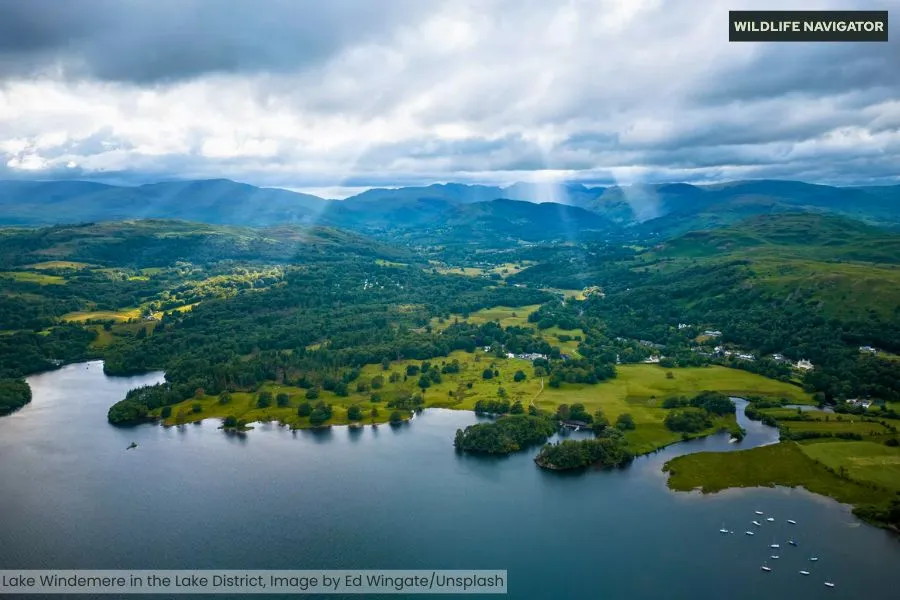
As of July 2026, the United Kingdom is home to 15 national parks, protecting some of the country’s most remarkable landscapes, from rugged mountain ranges and open moorlands to ancient woodlands, lakes, rivers, and dramatic coastlines. These national parks are located across three of the UK’s four constituent countries: England, Wales, and Scotland.
Northern Ireland currently has no designated national parks. Of the 15 national parks in the UK, 10 are in England, 3 in Wales, and 2 in Scotland. Together, they cover a wide variety of landscapes and provide important habitats for wildlife while offering opportunities for hiking, wildlife watching, cycling, and other outdoor activities.
Whether you’re researching national parks in UK, planning a visit, or simply exploring Britain’s protected landscapes, this WN Index provides a single reference for all 15 national parks and their distribution across the United Kingdom, organized by constituent country. It brings together key information about each park, including its location, establishment, area, landscapes, and notable wildlife.
Distribution of National Parks in the UK by Country
The UK’s National Parks are distributed across three constituent countries, while Northern Ireland currently has no designated national parks.
| Constituent country | Number of national parks | Share of UK Total |
|---|---|---|
| England | 10 | 66.7% |
| Wales | 3 | 20.0% |
| Scotland | 2 | 13.3% |
| Northern Ireland | 0 | 0% |
| Total | 15 | 100% |
England has the largest share of the UK’s national parks, accounting for 10 of the 15, while Wales has three and Scotland has two.
National Parks in England
England’s national parks protect a diverse range of landscapes, including mountains, moorlands, forests, wetlands, rivers, valleys, and coastal areas.
They extend from Northumberland in the northeast to the New Forest and South Downs in southern England, encompassing some of the country’s most varied protected landscapes.
| No. | National Park | Year Established | Location | Area |
|---|---|---|---|---|
| 1. | Broads | 1989 | Norfolk & Suffolk | 117 sq mi (303 km²) |
| 2. | Dartmoor | 1951 | Devon | 368 sq mi (954 km²) |
| 3. | Exmoor | 1954 | Somerset & Devon | 267.5 sq mi (692.8 km²) |
| 4. | Lake District | 1951 | Cumbria | 912 sq mi (2,362 km²) |
| 5. | New Forest | 2005 | Hampshire & Wiltshire | 219 sq mi (566 km²) |
| 6. | North York Moors | 1952 | North Yorkshire | 554 sq mi (1,436 km²) |
| 7. | Northumberland | 1956 | Northumberland | 405 sq mi (1,049 km²) |
| 8. | Peak District | 1951 | Derbyshire & surrounding counties | 555 sq mi (1,438 km²) |
| 9. | South Downs | 2010 | Southern England | 628 sq mi (1,627 km²) |
| 10. | Yorkshire Dales | 1954 | North Yorkshire & Cumbria | 841 sq mi (2,178 km²) |
National Parks in Wales
Wales’s three National Parks protect landscapes ranging from high mountain ranges and glacial valleys to rugged coastlines and sandy beaches. Together, they encompass some of the country’s most distinctive natural and cultural landscapes.
| No. | National Park | Year Established | Location | Area |
|---|---|---|---|---|
| 1. | Eryri (Snowdonia) | 1951 | North Wales | 823 sq mi (2,176 km²) |
| 2. | Bannau Brycheiniog (Brecon Beacons) | 1957 | South Wales | 519 sq mi (1,344 km²) |
| 3. | Pembrokeshire Coast | 1952 | West Wales | 240 sq mi (615 km²) |
National Parks in Scotland
Scotland’s National Parks encompass some of the UK’s most extensive mountain, loch, forest, and glacial landscapes, spanning parts of the Scottish Highlands and central Scotland.
| No. | National Park | Year Established | Location | Area |
|---|---|---|---|---|
| 1. | Cairngorms National Park | 2003 | Scottish Highlands | 1748 sq mi (4,528 km²) |
| 2. | Loch Lomond & The Trossachs National Park | 2002 | Central Scotland | 720 sq mi (1,865 km²) |
National Parks in Northern Ireland
Northern Ireland currently has no designated national parks. It is the only one of the UK’s four constituent countries without a national park.
Does Northern Ireland Have Protected Landscapes?
Although Northern Ireland has no national parks, it contains a number of important protected landscapes and conservation areas. These include Areas of Outstanding Natural Beauty (AONBs), nature reserves, and other protected areas.
Northern Ireland’s landscapes include the Mourne Mountains, Causeway Coast, Sperrin Mountains, Lough Neagh, and Strangford Lough, among many other important natural areas.
Why Does Northern Ireland Have No National Park?
Northern Ireland has historically used different landscape protection designations rather than the national park system used in Great Britain. There have been proposals and discussions about establishing a national park in Northern Ireland, but no area currently holds official national park designation.
Oldest and Newest National Parks in the UK
The UK’s national park system was established in the 1950s, following the post-war movement to protect important landscapes and improve public access to the countryside. The first three National Parks were designated in 1951, while South Downs, established in 2010, is the newest National Park in the UK.
Oldest National Parks in the UK
The first national parks were established in 1951:
- Peak District National Park — England
- Lake District National Park — England
- Eryri National Park (Snowdonia) — Wales
These three parks were among the first areas to receive national park status under the UK’s post-war landscape protection framework.
Newest National Park in the UK
South Downs National Park in England is currently the newest National Park in the UK. It was established in 2010, making it the latest addition to the UK’s current network of 15 National Parks.
The park stretches across the chalk landscapes of southern England and includes rolling downs, river valleys, woodland, farmland, and sections of coastline.
Largest National Parks in the UK
The UK’s National Parks vary considerably in size. The table below ranks the 10 largest by approximate total area.
| Rank | National Park | Area |
|---|---|---|
| 1. | Cairngorms | 1,748 sq mi (4,528 km²) |
| 2. | Lake District | 912 sq mi (2,362 km²) |
| 3. | Yorkshire Dales | 841 sq mi (2,178 km²) |
| 4. | Eryri | 823 sq mi (2,176 km²) |
| 5. | Loch Lomond & The Trossachs | 720 sq mi (1,865 km²) |
| 6. | South Downs | 628 sq mi (1,627 km²) |
| 7. | Peak District | 555 sq mi (1,438 km²) |
| 8. | North York Moors | 554 sq mi (1,436 km²) |
| 9. | Bannau Brycheiniog | 519 sq mi (1,344 km²) |
| 10. | Northumberland | 405 sq mi (1,049 km²) |
Note: Area figures are approximate and may vary slightly between sources because of differences in measurement and boundary methodology.
Wildlife and Landscapes of UK National Parks
The 15 national parks in the UK protect a remarkable variety of landscapes and habitats. From the mountains and ancient forests of Scotland to the chalk downs, wetlands, moorlands, and coastal cliffs of England and Wales, these protected landscapes support a wide range of wildlife.
UK national parks are not exclusively wildlife reserves. People live and work within many of them, and their landscapes have been shaped by centuries of farming, forestry, settlement, and other human activities. Their importance lies in conserving these landscapes while supporting communities, recreation, and nature.
Major Landscapes Found in UK National Parks
The national parks encompass a wide range of environments, including:
- Mountains and uplands — particularly prominent in Scotland, Wales, and northern England.
- Lakes and lochs — including the Lake District and Loch Lomond.
- Moorlands and heathlands — important habitats for birds, insects, and specialist plants.
- Ancient and native woodlands — found across several parks and supporting diverse wildlife.
- Rivers and wetlands — providing habitats for aquatic species and wetland birds.
- Coastal landscapes — especially important in Pembrokeshire Coast and parts of several English parks.
- Grasslands and agricultural landscapes — forming an important part of many UK national parks.
Wildlife Found in UK National Parks
The wildlife varies considerably between parks because of differences in climate, elevation, habitat, and geography.
Some notable species associated with UK national parks include:
Mammals
- Red deer
- Roe deer
- Red squirrel
- Otter
- European badger
- Mountain hare
Birds
- Golden eagle
- Red kite
- Peregrine falcon
- Osprey
- Hen harrier
- Capercaillie
Other wildlife
- Atlantic salmon
- Adders
- Frogs and other amphibians
- Numerous butterflies, moths, bees, and other insects
Some species are particularly associated with specific landscapes. For example, golden eagles and mountain hares are strongly associated with upland and mountainous areas, while red squirrels occur in several important woodland habitats.
Why UK National Parks Matter for Wildlife
National parks provide important areas for habitat conservation, landscape management, ecological restoration, and wildlife protection. They also connect different habitats across large landscapes, allowing species and ecosystems to persist in areas where land use is otherwise intensive.
However, national park designation does not mean that every part of a park is untouched wilderness. Many UK national parks are working landscapes, where conservation takes place alongside farming, forestry, tourism, recreation, and local communities.
Together, the national parks in uk form an important part of the country’s network of protected and managed landscapes, helping conserve both natural heritage and cultural landscapes for future generations.
Sources
- Encyclopaedia Britannica – Eryri National Park
- National Parks UK
- Protected Landscapes: the United Kingdom experience. – Portals IUCN