Whanganui National Park – North Island, New Zealand

Whanganui National Park is one of the most distinctive National Parks in New Zealand, defined not by soaring mountains but by the powerful presence of the Whanganui River—an ancient waterway that has shaped landscapes, communities, and cultural identity for centuries. Stretching across a vast expanse of forested valleys, deep gorges, and remote hill country, the park offers a rare blend of wilderness adventure and living heritage.
More than just a protected natural area, Whanganui National Park is deeply intertwined with Māori culture, particularly the Whanganui iwi, who regard the river as an ancestral being and a life-giver. This connection became globally recognised when the Whanganui River was granted legal personhood, a landmark acknowledgement of Indigenous knowledge and environmental guardianship.
For travellers seeking a national park experience that goes beyond scenery—one that immerses them in stories, landscapes, and a powerful sense of place—Whanganui National Park stands as a uniquely enriching destination.
History & Cultural Significance
Whanganui National Park is deeply rooted in the cultural heritage of the Māori, particularly the Whanganui iwi, who have lived along the river for hundreds of years. To them, the Whanganui River is not just a waterway—it is an ancestor, a source of identity, and a living being that carries stories, traditions, and spiritual meaning. Their famous whakataukī, “Ko au te awa, ko te awa ko au” (“I am the river, and the river is me”), expresses this powerful connection.
The region’s earliest settlements developed along the riverbanks, which served as the primary travel route through an otherwise rugged and forested interior. Generations used the river for trade, communication, and sustenance, building pā sites, kāinga (villages), and intricate knowledge systems around its flow.
Whanganui National Park was officially established in 1986 to protect both the natural environment and the cultural heritage surrounding the Whanganui River. This recognition continued to evolve, culminating in the historic Te Awa Tupua (Whanganui River Claims Settlement) Act 2017, which granted the river legal personhood—a world-first acknowledgment of Māori worldviews and environmental guardianship. It means the river is recognized as its own legal entity, with human guardians appointed to represent its interests.
Today, every journey through Whanganui National Park is also a journey through a living cultural landscape—one where nature, history, and Indigenous identity are inseparable.
Landscape & Habitat Diversity
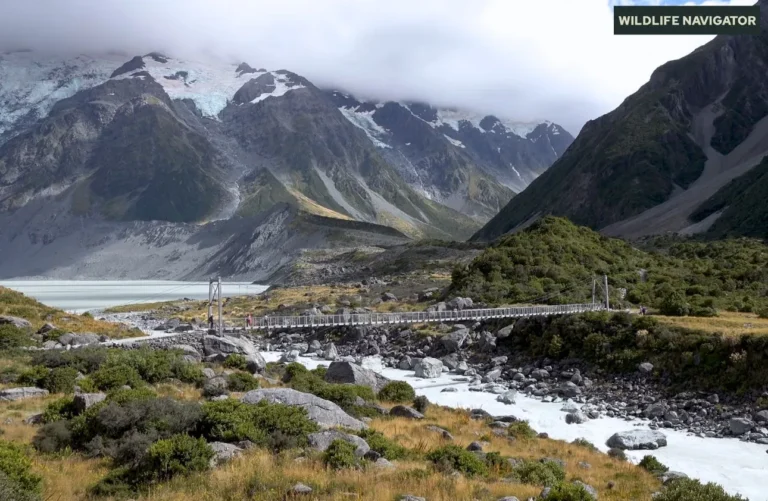
Whanganui National Park is shaped almost entirely by the presence of the Whanganui River, creating a landscape that feels both dramatic and serene. Instead of alpine peaks or volcanic craters, the park is dominated by steep forested valleys, deep-sided gorges, and a network of winding tributaries that carve through the remote hill country.
The forests here are some of the most untouched on the North Island, featuring old-growth podocarp species such as rimu, tōtara, kahikatea, and mataī, along with large tracts of hardwood and beech forest. These dense canopies shelter diverse ecosystems, from river-edge wetlands and terrace forests to upland ridges home to rare wildlife.
Much of the park’s wilderness feels timeless—misty ridgelines, vine-draped ravines, slow-flowing river stretches, and hidden waterfalls combine to create a landscape defined by quiet beauty rather than dramatic extremes. The interplay between water and forest is the park’s defining feature, shaping habitats that support some of Aotearoa’s most threatened species.
Flora & Fauna
Whanganui National Park shelters an impressive variety of native species, many of which thrive in the region’s dense forests, quiet river terraces, and remote upland areas. The interplay of untouched habitat and limited human disturbance has made the park an important stronghold for several threatened birds and forest specialists.
Flora
The park’s vegetation is dominated by lush, ancient forest systems, including:
- Podocarps: rimu, tōtara, kahikatea, mataī
- Hardwood species: tawa, rewarewa, hinau
- Beech forest pockets in higher elevations
- Riparian plants along the Whanganui River and its many tributaries
These diverse plant communities support a rich ecosystem, providing food and shelter for a wide range of wildlife.
Fauna
Whanganui National Park is particularly notable for its birdlife:
- North Island brown kiwi – often heard at night in remote valleys
- Whio (blue duck) – a nationally vulnerable species found along fast-flowing rivers
- Kākā – forest-dwelling parrots with loud, distinctive calls
- Kererū – the native wood pigeon, essential for seed dispersal
- Tūī and korimako (bellbird) – common but iconic native songbirds
- Long-tailed bats – one of New Zealand’s only native land mammals, roosting in old-growth forest
River habitats also support freshwater fish, eels (tuna), and a variety of aquatic insects crucial to the health of the ecosystem.
Together, these species make Whanganui National Park a thriving wildlife refuge and an exceptional destination for birdwatchers and nature enthusiasts.
Location & Accessibility
Whanganui National Park is located in the central-west of New Zealand’s North Island, stretching across a remote landscape between the towns of Whanganui, Raetihi, Ohakune, and Taumarunui. Centered around the Whanganui River, the park feels wild and secluded, yet it’s relatively easy for travellers to reach with good planning.
How to Reach
- By Road:
The park is primarily accessed by road via SH4 and a network of rural routes that lead to key gateways such as Pipiriki, Raetihi, and Whakahoro. - Nearest Cities:
- Wellington – approx. 3.5–4.5 hours by car
- New Plymouth – approx. 3 hours
- Taupō – approx. 2.5–3 hours
- Closest Airports:
The nearest regional airports are in Whanganui and Taupō, with major international connections available through Wellington Airport.
Best Time to Visit
The ideal visiting months are October to April, when weather conditions are more stable for river journeys, hiking, and outdoor exploration. Winter visits are possible but come with cooler temperatures, reduced river flow suitability, and occasional access restrictions.
Top Attractions & Highlights
Whanganui National Park offers a blend of wilderness adventure, cultural immersion, and historic landmarks. Whether you’re exploring by river or on foot, the park’s highlights capture its unique character—remote, soulful, and deeply connected to the Whanganui River.
Whanganui River Journey (Great Walk)
One of New Zealand’s most unusual Great Walks, this 145 km canoe/kayak route follows the river through untouched forest, sheer-sided gorges, and serene bends. It’s both a physical journey and a cultural experience.
Bridge to Nowhere
A striking concrete bridge hidden deep in the Mangapurua Valley, this iconic landmark tells the story of early settlement attempts and eventual abandonment. Accessible via river + short hike, jet boat, or multi-day trail.
Mangapurua Valley
An isolated valley filled with history, forest, and rugged landscapes. Once home to pioneering families after World War I, today it offers tramping and cycling opportunities with powerful historic remnants.
Matemateāonga Track
A multi-day historic trail that once formed part of a traditional Māori travel route. It delivers expansive views, rich birdlife, and quiet forest immersion.
Jet-Boating Adventures
A thrilling way to explore the river while learning about its natural features and cultural significance from experienced guides.
Cultural Encounters
Opportunities to engage with local Māori communities, learn river stories, and experience the living heritage that defines the region.
Scenic Vistas & Forest Lookouts
Throughout the park, viewpoints and river terraces provide tranquil scenes of misty forest canopies, sandstone cliffs, and winding waterways—perfect for photography and nature appreciation.
Outdoor Activities
Whanganui National Park offers a wide range of outdoor experiences, many of which revolve around the iconic Whanganui River. From multi-day journeys to short scenic escapes, the park suits both adventure seekers and travellers looking for quiet nature immersion.
- Canoeing & Kayaking: The most iconic way to experience the park. Paddle through gorges, past waterfalls, and between misty forest walls on the Whanganui River Journey. Suitable for beginners with guided tours, or experienced paddlers going independently.
- Hiking & Multi-Day Tramping:
- Matemateāonga Track – A 3–4 day tramp through remote forest and open ridgelines.
- Bridge to Nowhere Track – A popular short hike accessed via river transport.
- Local walking tracks around Pipiriki and Whakahoro offer shorter options.
- Jet Boating: A fast and scenic way to explore the river’s twists and turns. Jet boat tours combine adventure with storytelling and are perfect for travellers short on time.
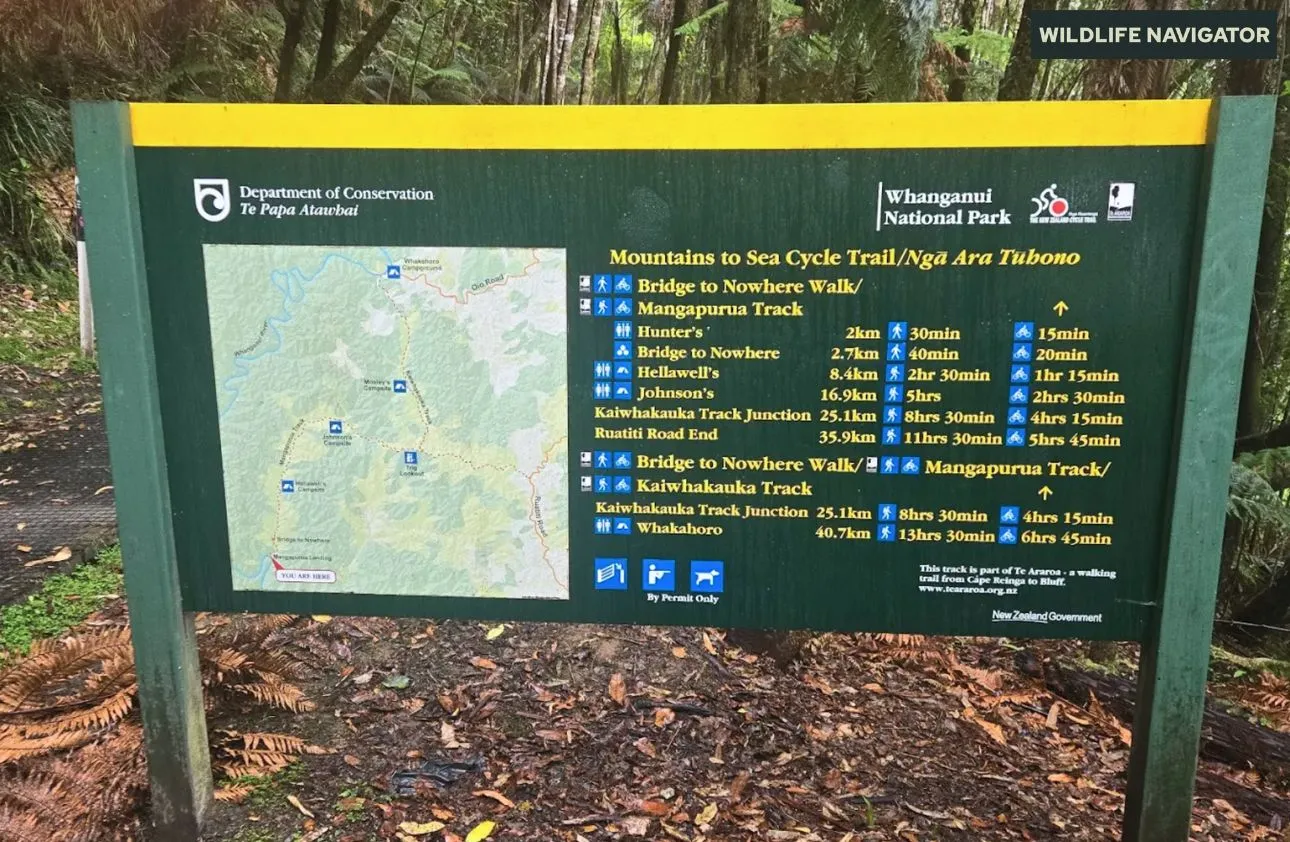
- Cycling: Sections of the Mountains to Sea Cycle Trail pass through or near the park, including the Mangapurua Track—famous for its mix of forest, farmland remnants, and historic sites.
- Birdwatching & Wildlife Viewing: The park provides excellent opportunities to spot kiwi, whio, kererū, kākā, tūī, and bats. Early mornings and evenings offer the best chances for sightings.
- Heritage & Cultural Experiences: Guided tours and local experiences share the Māori history, river traditions, and spiritual narratives that make this region so distinctive.
Whanganui River Journey (Great Walk)
The Whanganui River Journey is one of the most unique Great Walks in New Zealand—not a trek on foot, but a multi-day canoe or kayak adventure along 145 km of the Whanganui River. It is both a wilderness expedition and a cultural experience, immersing you in landscapes and stories that can only be accessed from the water.
Overview
- Distance: 145 km
- Duration: 3–5 days
- Start/End Points:
- Common route: Taumarunui → Pipiriki
- Shorter option: Whakahoro → Pipiriki (88 km)
- Experience: Paddling through forested gorges, cliffs, narrow chutes, and serene river stretches, with only the sound of birds and flowing water.
Key Overnight Stops
- Whakahoro – A remote launch point surrounded by farmland and deep forest.
- John Coull Hut & Campsite – Perched above the river, offering forest views and kiwi calls at night.
- Tīeke Kāinga – A culturally significant site and marae-style hut managed jointly with local iwi, offering a deeper connection to Māori heritage.
Highlights Along the Journey
- Deep sandstone and papa-clay gorges
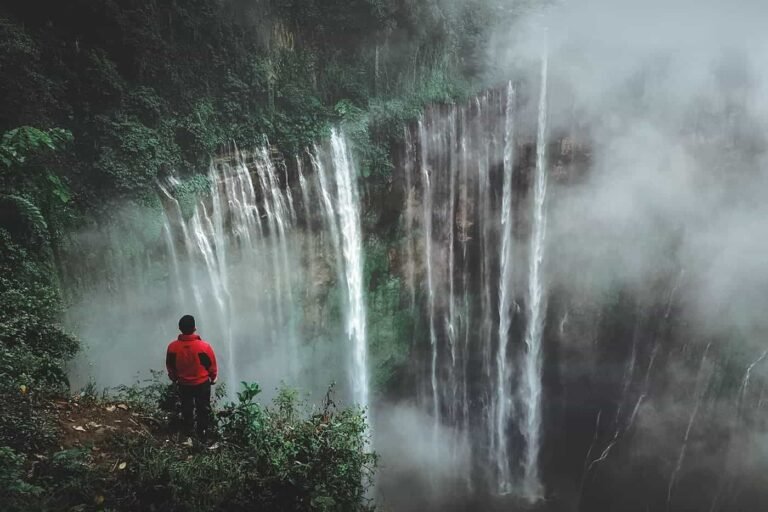
- Waterfalls tumbling from steep valley walls
- Mist-filled morning scenes
- Rich birdlife including whio, kererū, and kākā
- Access to the famous Bridge to Nowhere (via a short side trip)
Difficulty & Safety
- Suitable for beginners with guided tours
- Independent paddlers should be comfortable in moving water
- River levels can fluctuate quickly after rain—always check conditions
- Booking required for all huts and campsites during the Great Walk season
Why It’s Special
The combination of natural beauty, cultural depth, and remote wilderness makes the Whanganui River Journey unlike any other Great Walk—an experience where the river itself becomes your pathway, storyteller, and guide.
Bridge to Nowhere
Hidden deep within the Mangapurua Valley, the Bridge to Nowhere is one of New Zealand’s most intriguing historic landmarks—a solitary concrete bridge standing in the middle of untouched forest, far from any settlement or connecting road. Its isolation is exactly what makes it so captivating.
History
After World War I, returned soldiers were allocated remote land in the Mangapurua Valley as part of a settlement scheme. Families worked tirelessly to clear the land and build a new life in an area accessed only by rugged tracks. In the 1930s, the government constructed the concrete bridge to improve access and support the fledgling community.
But the terrain proved too difficult and the valley too isolated. Harsh conditions, slips, economic challenges, and distance eventually forced settlers to leave. By 1942, the settlement was abandoned before the rest of the road network could be completed—leaving the bridge stranded in the wilderness.
Visiting the Bridge
Today, the Bridge to Nowhere is reached through adventurous routes that enhance its mystique:
- Kayak or canoe + short walk from the Whanganui River
- Jet boat trips from Pipiriki or Whakahoro
- Tramping or cycling via the Mangapurua Track, part of the Mountains to Sea Cycle Trail
The short walking track from the river leads through regenerating forest and past remnants of the old settlement. The bridge itself stands high above the valley, offering scenic views and a contemplative glimpse into a forgotten past.
Why It’s a Must-See
Few attractions blend history, nature, and isolation as powerfully as the Bridge to Nowhere. It’s a reminder of human resilience—set against the overwhelming permanence of the forest.
Cultural Experiences & Storytelling
Whanganui National Park is not just a wilderness destination—it is a living cultural landscape shaped by centuries of Māori history and identity. The Whanganui River, central to the park, is revered by the Whanganui iwi as an ancestor and a life force, carrying stories that have been passed down through generations.
Deep Māori Connections
For local Māori, the river is more than a geographical feature; it embodies identity, spirituality, and belonging. This connection is famously expressed in the whakataukī:
“Ko au te awa, ko te awa ko au”
I am the river, and the river is me.
Visitors who travel through the park often gain a deeper appreciation of this worldview, especially when they experience cultural elements along the river.
Guided Cultural Experiences
Several tour operators and local groups share Māori stories, river traditions, and historic narratives:
- Guided canoe journeys led by local descendants of the river
- Storytelling on the significance of Te Awa Tupua (the river as a legal person)
- Interpretive experiences at Tīeke Kāinga, the Great Walk hut jointly managed with iwi
- Opportunities to learn traditional protocols (tikanga) connected to travel along the river
Living Heritage
Along the riverbanks are remnants of old pā sites, traditional travel routes, and places associated with important ancestors. These landscapes offer insight into how Māori navigated, respected, and thrived in this river-centered world.
Why It Matters
Engaging with cultural experiences adds richness to a visit. It transforms the journey from a scenic adventure into a deeper encounter with Whanganui’s living heritage—one where land, river, and people are inseparably connected.
Conservation & Protected Status
Whanganui National Park plays a vital role in protecting both the natural ecosystems of the central North Island and the cultural heritage of the Whanganui River. Its remote forests, rugged valleys, and extensive waterways support a range of threatened species, while ongoing conservation work ensures the survival of key wildlife and the integrity of the river environment.
Protecting Native Species
Conservation efforts focus strongly on safeguarding species such as:
- Whio (blue duck) – protected through habitat restoration, river monitoring, and predator control
- North Island brown kiwi – supported by trapping networks and community-led conservation initiatives
- Long-tailed bats – dependent on old-growth forests preserved within the park
Predator control remains a core part of daily conservation, with DOC and community groups running extensive networks of traps to reduce stoat, rat, and possum populations.
Te Awa Tupua & River Protection
The recognition of the Whanganui River as a legal person under the Te Awa Tupua Act is one of the most significant conservation milestones in the region’s history. This status ensures the river is treated as a living entity whose health, flow, and ecological balance must be protected. Guardians, known as Te Pou Tupua, represent the river’s interests and work with communities, iwi, and the Department of Conservation to uphold its wellbeing.
Habitat Preservation
Large tracts of forest within the park remain untouched, allowing natural ecological processes to continue. Regenerating valleys and forested terraces provide vital habitat for birds, insects, and freshwater species.
Collaborative Management
Conservation in Whanganui National Park is a shared effort involving:
- DOC
- Local iwi
- Community volunteers
- Environmental groups
- Tourism operators committed to sustainable practices
Together, these partnerships ensure the park’s landscapes and species continue to thrive for future generations.
Accommodation Options
Whanganui National Park offers a variety of accommodation choices, ranging from remote DOC huts along the river to comfortable lodges and homestays in nearby towns. Whether you’re paddling the Great Walk or exploring the park by road, there are options to suit every style of travel.
DOC Huts & Campsites (Great Walk & Tramping Routes)
Ideal for river-journey travellers and trampers:
- John Coull Hut & Campsite – A popular overnight stop with forest views and excellent chances to hear kiwi at night.
- Tīeke Kāinga – A unique marae-style hut jointly managed with local iwi; combines shelter with cultural experience.
- Whakahoro Campsite & Hut – A scenic and quiet riverside base often used as a starting point for trips.
- Mangapurua & Matemateāonga huts – Basic but atmospheric backcountry huts on inland trails.
Booking is essential during the Great Walk season.
Lodges, Motels & Homestays (Near the Park)
Comfortable stays are available in surrounding towns, offering easy access and more amenities:
- Whanganui – Hotels, riverside lodges, and B&Bs
- Raetihi & Ohakune – Motels, chalets, and warm alpine lodges (good for combining with Tongariro and Whanganui trips)
- Taumarunui – Motels, farm stays, and backpacker options
- Pipiriki – Small-scale accommodation, lodges, and operator-run stays close to river activities
Canoe Journey Packages
Many river-journey operators offer all-inclusive packages combining:
- Gear hire
- Transport
- Hut/campsite bookings
- Optional lodging before and after the trip
These are ideal for travellers looking for a seamless Great Walk experience.
Camping & Holiday Parks
Holiday parks in Whanganui, Ohakune, and Taumarunui provide budget-friendly options with facilities for families and groups.
Practical Travel Tips
A trip to Whanganui National Park is rewarding, but its remote landscapes and river-centered experiences require good planning. These practical tips help ensure a safe and smooth journey.
Plan for Weather & River Conditions
- The Whanganui River can rise quickly after rain—always check conditions with DOC or tour operators.
- Summer and early autumn offer the best weather for paddling and hiking.
Book Early During Peak Season
Huts, campsites, and canoe hire for the Great Walk often book out months in advance. Secure:
- Accommodation
- Canoe/kayak rentals
- Transport shuttles
as early as possible.
Bring Proper Gear
For river journeys:
- Dry bags and waterproof layers
- Quick-drying clothing
- Extra snacks and drinking water
For tramping/hiking:
- Sturdy boots
- Warm layers (weather can shift quickly)
- Insect repellent and a first-aid kit
Safety First
- Mobile coverage is limited—carry a PLB if going into remote areas.
- Always wear life jackets on the river.
- Know the basics of paddling safety or choose guided options.
Respect Cultural Sites
Tīeke Kāinga and other culturally significant places require awareness of tikanga (protocol). Follow guidance from iwi or DOC staff.
Leave No Trace
- Pack out all rubbish.
- Use toilets at huts and campsites.
- Stick to established tracks and assigned campsites.
Transport Logistics
Many travellers use shuttle services for pick-up/drop-off on the river. Confirm transport arrangements before starting your journey, especially for the Great Walk.
Photography Tips
- Early mornings provide magical mist on the river.
- Bring a dry case for your camera or phone.
- Forest valleys and gorges offer stunning low-light scenes—adjust settings accordingly.
Conclusion
Whanganui National Park is far more than a scenic wilderness—it’s a living cultural landscape shaped by centuries of Māori heritage and the enduring power of the Whanganui River.
Whether you’re paddling down the historic Whanganui Journey, trekking through lush podocarp forests, or exploring remote river settlements, the park offers an experience that blends adventure, nature, and deep cultural significance.
For travellers seeking a journey that feels both timeless and uniquely New Zealand, Whanganui National Park delivers a rare sense of connection—to the land, to the river, and to the stories that flow through it.