List of National Parks in New Zealand 2026 Updated

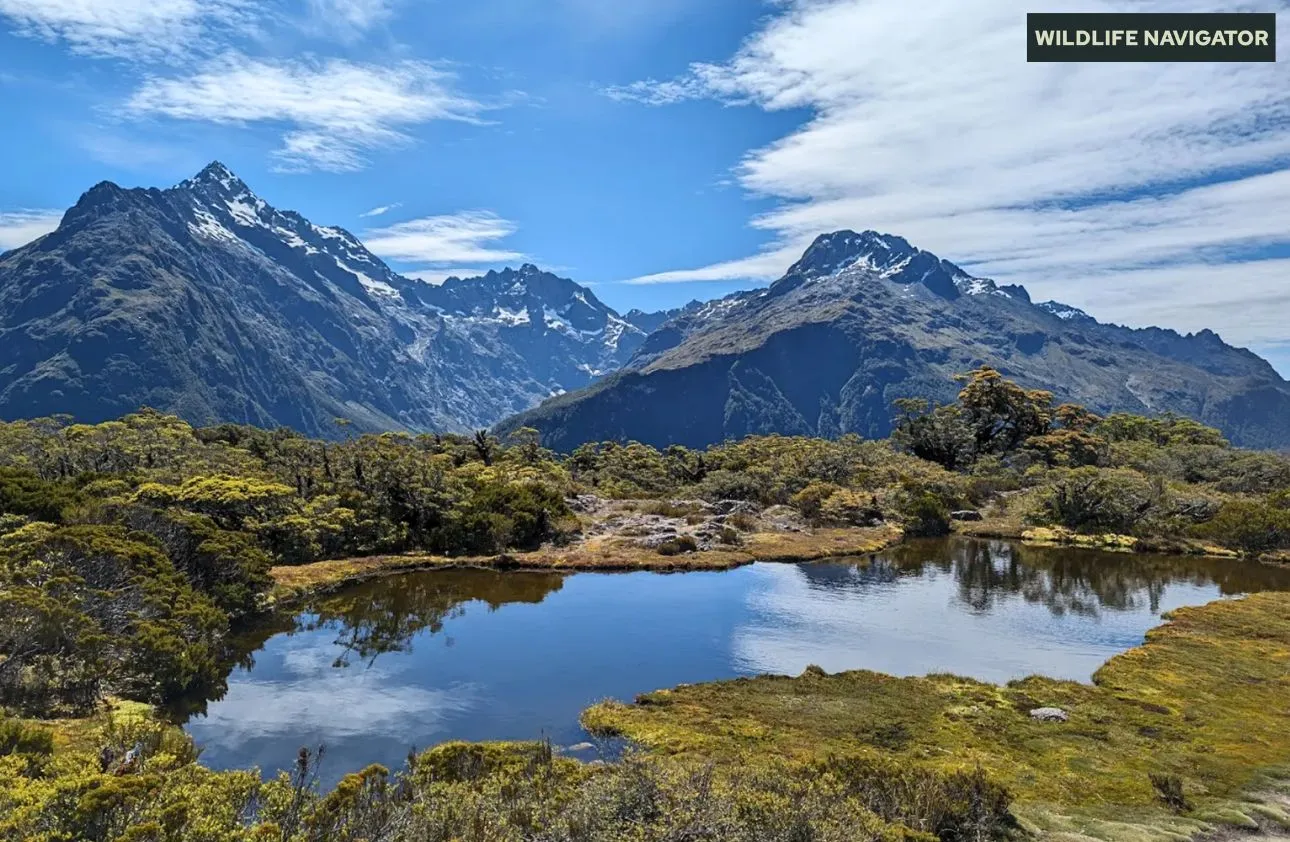
New Zealand is one of the world’s most remarkable natural playgrounds—an isolated duo of islands shaped by volcanoes, glaciers, ancient forests, and powerful tectonic forces. There are 13 national parks in New Zealand, spread across the North and South Islands, covering over 30,000 square kilometres of protected wilderness.
These parks are overseen by the Department of Conservation (DOC), which ensures that sensitive habitats, native species, and cultural landscapes remain preserved for future generations. These parks safeguard millions of hectares of wilderness, including habitats that are home to species found nowhere else on Earth—like the kiwi, kea, and kākāpō.
What makes New Zealand’s national park system so special is its astonishing diversity. Each park represents a different ecological zone—towering Southern Alps, glacier-fed fjords, lush temperate rainforests, volcano-dominated plateaus, limestone caves, coastal sanctuaries, and subalpine shrublands. No two parks look or feel the same.
DOC’s management approach prioritises:
- Conservation of endemic species
- Restoration of fragile ecosystems
- Sustainable visitor experiences
- Partnerships with local iwi (Māori communities)
Together, these parks form the backbone of New Zealand’s nature-based tourism, drawing hikers, wildlife enthusiasts, and photographers from around the world. Whether you’re exploring remote Fiordland or walking the volcanic landscapes of Tongariro, every national park offers a unique window into Aotearoa’s wild heritage.
List of All National Parks in New Zealand
New Zealand has 13 national parks spread across both the North and South Islands. Each park protects a unique slice of the country’s dramatic landscapes and rare wildlife.
North Island National Parks
| # | National Park | Year Estd. | Area (km²/sqmi) | Location | Highlight |
|---|---|---|---|---|---|
| 1 | Tongariro National Park | 1887 | 786 km² / ~303 sq mi | Manawatū-Whanganui / Waikato | Volcanic landscapes, alpine lakes, Tongariro Alpine Crossing |
| 2 | Egmont National Park | 1900 | 342 km² / ~132 sq mi | Taranaki | Iconic Mt Taranaki volcanic cone, lush rainforest |
| 3 | Whanganui National Park | 1986 | 742 km² / ~287 sq mi | Manawatū-Whanganui | Whanganui River journeys, rich lowland forest |
South Island National Parks
| # | National Park | Year Estd. | Area (km²/sqmi) | Location | Highlight |
|---|---|---|---|---|---|
| 4 | Fiordland National Park | 1952 | 12,607 km² / ~4,868 sq mi | Southland | Massive fjords (Milford/Doubtful), waterfalls, dramatic wilderness |
| 5 | Mount Aspiring / Tititea NP | 1964 | 3,562 km² / ~1,376 sq mi | Otago / West Coast | Glaciated valleys, alpine trekking, backcountry adventure |
| 6 | Aoraki / Mount Cook NP | 1953 | 722 km² / ~279 sq mi | Canterbury | NZ’s highest peak, alpine glaciers, dark sky reserve |
| 7 | Westland Tai Poutini NP | 1960 | 1,320 km² / ~510 sq mi | West Coast | Fox & Franz Josef glaciers descending into the rainforest |
| 8 | Arthur’s Pass NP | 1929 | 1,185 km² / ~458 sq mi | Canterbury / West Coast | High alpine passes, kea sightings, dramatic ridges |
| 9 | Kahurangi NP | 1996 | 4,529 km² / ~1,749 sq mi | Nelson / Tasman | Vast remote wilderness, karst landscapes, Heaphy Track |
| 10 | Nelson Lakes NP | 1956 | 1,019 km² / ~393 sq mi | Tasman | Deep glacial lakes (Rotoiti, Rotoroa), beech forests |
| 11 | Paparoa NP | 1987 | 430 km² / ~166 sq mi | West Coast | Limestone cliffs, Pancake Rocks, lush coastal rainforest |
| 12 | Abel Tasman NP | 1942 | 237 km² / ~91 sq mi | Nelson / Tasman | Golden beaches, turquoise waters, coastal hiking/kayaking |
| 13 | Rakiura National Park | 2002 | 1,400 km² / ~541 sq mi | Stewart Island | Dark skies, Southern Lights, wild kiwi sightings |
Key Wildlife & Flora Across New Zealand’s National Parks
New Zealand’s isolation created a living laboratory of species found nowhere else on Earth. Its national parks protect this extraordinary natural heritage—home to flightless birds, ancient forests, rare alpine plants, and thriving marine life. Each park offers a different window into Aotearoa’s ecological story.
Iconic Birdlife
New Zealand is a bird-lover’s paradise, with many species evolving without mammalian predators.
- Kiwi – Seen best in Rakiura, Fiordland, and Northland forests
- Kea – The world’s only alpine parrot, common in Arthur’s Pass and Aoraki/Mt Cook
- Kākā – Forest parrot found in Kahurangi, Abel Tasman, and Paparoa
- Takahē – Once thought extinct, protected in Fiordland
- Whio (Blue Duck) – Endangered river duck seen in Tongariro and Nelson Lakes
- Yellow-eyed Penguin – Found along remote coastlines in Southland and Otago
- Tūī & Bellbird – Forest songbirds across both islands
Marine & Coastal Wildlife
New Zealand’s coastal parks are rich with marine life.
- New Zealand fur seals – Abel Tasman, Fiordland, West Coast
- Hector’s dolphins – Westland and Fiordland
- Little blue penguins – Seen near Abel Tasman and Stewart Island
- Sea lions & migratory whales – Southern and subantarctic waters
Reptiles, Insects & Endemic Species
Though mammals are scarce, New Zealand excels in unique reptiles and invertebrates.
- Tuatara – Ancient reptile living on protected offshore islands
- Skinks & geckos – Found across alpine and coastal zones
- Wētā – Giant insects thriving in forests and cave ecosystems
Forests & Native Vegetation
New Zealand’s flora ranges from ancient podocarps to high-alpine herb fields.
- Podocarps (rimu, kahikatea, miro) – Dominant in Westland, Paparoa, Kahurangi
- Southern beech forests – Seen in Fiordland, Nelson Lakes, Mt Aspiring
- Alpine tussocks & herb fields – Aoraki/Mt Cook, Arthur’s Pass
- Manuka & kanuka shrublands – Common in drier North Island and coastal zones
- Coastal forests (nikau palms, rata) – Abel Tasman & Stewart Island
Rare & Endemic Plants
- Mount Cook buttercup – Alpine symbol of Aoraki
- Edelweiss-like alpine daisies – High-altitude South Island ranges
- Rātā & pōhutukawa – Scarlet flowering trees across coastal regions
New Zealand’s national parks protect an extraordinary tapestry of life—much of it ancient, vulnerable, and found nowhere else on Earth. Whether you’re hiking alpine ridgelines, kayaking through coastal sanctuaries, or exploring deep rainforests, wildlife encounters are an unforgettable part of every journey.
Landscape & Habitat Diversity
New Zealand’s national parks protect some of the most varied and dramatic landscapes on the planet. Each park represents a unique ecological world, shaped by ancient geological forces and evolving in isolation for millions of years. Together, they form a mosaic of habitats that support rare wildlife, flourishing forests, and pristine wilderness.
Alpine Peaks & Glacial Landscapes
South Island parks like Aoraki/Mount Cook, Mount Aspiring, and Arthur’s Pass showcase towering summits, permanent snowfields, hanging glaciers, and ice-fed rivers. These rugged alpine zones are home to the kea, rock wren, and hardy alpine plants adapted to extreme cold.
Fjords, Sounds & Deep Coastal Valleys
Fiordland National Park is dominated by spectacular glacial fjords, dramatic sea cliffs, lush rainforests, and deep marine ecosystems. The combination of steep terrain and heavy rainfall creates mossy valleys, waterfalls, and some of the world’s richest temperate rainforests.
Temperate Rainforests & Podocarp Forests
Parks such as Paparoa, Westland Tai Poutini, and parts of Kahurangi are draped in dense, ancient rainforests with rimu, kahikatea, miro, and beech. These forests are biodiversity hotspots, supporting kiwi, kākā, and countless invertebrates.
Volcanic Plateaus & Geothermal Landscapes
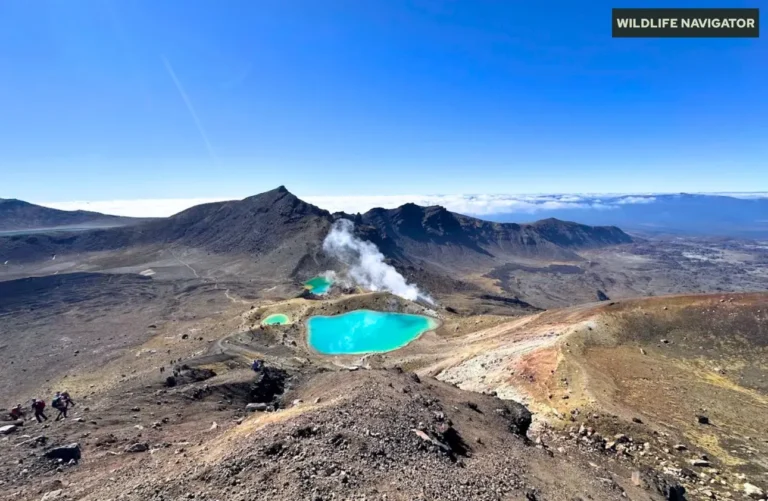
The North Island’s Tongariro National Park features active volcanoes, steaming vents, emerald lakes, and lava fields. Its volcanic ecosystems blend Māori cultural heritage with raw, otherworldly landscapes.
Coastal Ecosystems & Golden Beaches
Abel Tasman National Park is famous for its golden sand beaches, turquoise bays, granite headlands, and coastal forests. Seals, dolphins, penguins, and sea birds thrive along its shoreline.
Limestone Formations & Karst Landscapes
In Paparoa National Park and parts of Kahurangi, unique limestone cliffs, caves, sinkholes, gorges, and the famous Pancake Rocks create dramatic geological formations.
Lakes, Rivers & Alpine Valleys
Nelson Lakes National Park and the Whanganui region protect deep glacial lakes, braided rivers, and serene valleys. These freshwater ecosystems are vital for native fish and endangered water birds.
Subantarctic, Dark-Sky & Remote Island Landscapes
Rakiura National Park on Stewart Island preserves windswept coasts, peat bogs, dense forests, and some of the world’s clearest dark skies. It is also one of the best regions for spotting wild kiwis in their natural habitat.
Top Things to Do in New Zealand’s National Parks
New Zealand’s national parks offer experiences that range from world-class hikes to peaceful wildlife encounters, glacier adventures, and coastal escapes. Whether you’re a photographer, birder, or wilderness explorer, each park delivers something unforgettable.
Hiking & Great Walks
New Zealand is famous for its hiking trails, from short scenic walks to multi-day expeditions.
- Milford Track – Fiordland
- Routeburn Track – Fiordland/Mt Aspiring
- Abel Tasman Coast Track – Abel Tasman
- Kepler Track – Fiordland
- Tongariro Alpine Crossing – Tongariro National Park
These trails showcase alpine vistas, fjords, volcanic craters, rainforests, and pristine coastlines.
Wildlife Spotting
Each park offers unique wildlife viewing opportunities.
- Wild kiwis – Rakiura National Park (best chance in NZ)
- Kea & alpine birds – Aoraki and Arthur’s Pass
- Blue duck (Whio) – Tongariro & Nelson Lakes
- Seals, penguins & dolphins – Abel Tasman, Fiordland, Westland
- Takahē – Murchison Mountains (Fiordland, restricted access)
Backcountry Camping & Huts
Thousands of campsites and DOC huts allow you to immerse in the wilderness.
- Backcountry huts in Fiordland, Mt Aspiring & Nelson Lakes
- Beachside camps in Abel Tasman
- Volcanic plateau camping in Tongariro
- Remote forest camps on Stewart Island
Scenic Drives & Lookouts
Perfect for travellers exploring by car.
- Milford Road – waterfalls, alpine passes, mirror lakes
- West Coast Drive – glaciers, limestone cliffs, rugged beaches
- Arthur’s Pass alpine route – dramatic mountain scenery
- Abel Tasman coastal viewpoints
Water-Based Adventures
New Zealand’s coastline and waterways provide endless water activities.
- Kayaking in Abel Tasman, Milford Sound & Doubtful Sound
- Jet boating on the Whanganui River
- Cruises into Milford and Doubtful Sound
- Lake exploration in Nelson Lakes and Westland
Glacier Exploration
South Island parks protect beautiful glacial systems.
- Fox and Franz Josef Glaciers (Westland Tai Poutini)
- Tasman Glacier (Aoraki/Mt Cook)
- Guided ice walks, heli-hikes & glacier viewpoints
Volcanic & Geothermal Experiences
The North Island’s volcanic heartland is full of raw energy.
- Tongariro Alpine Crossing
- Lava fields, craters, fumaroles & colourful lakes
- Winter snow adventures around Mt Ruapehu
Dark Sky & Night Photography
Some of the world’s clearest skies lie within NZ’s remote parks.
- Aoraki/Mt Cook International Dark Sky Reserve
- Rakiura National Park – Southern Lights (Aurora Australis)
- Fiordland – minimal light pollution, perfect for Milky Way shots
Kayaking, Boating & Coastal Walks
Especially rewarding in Abel Tasman, Fiordland, and West Coast parks.
- Explore hidden coves
- Spot seals & seabirds
- Calm paddling routes suitable for beginners
Cultural & Historical Experiences
Many national parks hold deep cultural significance for Māori communities.
- Sacred volcanic peaks in Tongariro
- Historic sites along the Whanganui River
- Stories of waka routes, taniwha, and ancient forest guardians
Best Time to Visit New Zealand’s National Parks
New Zealand’s national parks are open year-round, but each season brings a different flavour of landscapes, wildlife behaviour, and trail accessibility. The best time to visit depends on what you want to experience—alpine hikes, wildlife viewing, dark skies, or peaceful off-season exploration.
Summer (December–February) – Peak Season
Best for: Great Walks, alpine hiking, kayaking, beach adventures
- Stable weather and long daylight hours
- Most hiking trails and alpine routes are fully open
- Coastal parks like Abel Tasman and Westland are at their best
- Ideal for Fiordland cruises and multi-day tracks
- Expect higher crowds and advance bookings required for huts & campsites
Autumn (March–May) – Mild & Scenic
Best for: Photography, quieter trails, cool-weather hiking
- Forests transform with warm autumn colours
- Clear skies and crisp mornings create excellent photography conditions
- Fewer visitors, easier hut availability
- Great season for Whanganui, Kahurangi, and Nelson Lakes
Winter (June–August) – Alpine & Stargazing Season
Best for: Mountaineering, snow activities, dark-sky viewing
- Snow blankets the Southern Alps and Tongariro peaks
- Perfect for stargazing in Aoraki/Mt Cook and Rakiura
- Access to some trails may be restricted due to snow and ice
- Fewer visitors, peaceful landscapes, and dramatic winter scenery
Spring (September to November), Bloom & Rebirth
Best for: Waterfalls, wildlife, wildflowers, shoulder-season hiking
- Snowmelt fills rivers and waterfalls, especially in Fiordland
- Alpine flowers bloom across Aoraki, Arthur’s Pass & Nelson Lakes
- Baby birds and increased wildlife activity
- Weather can be unpredictable but beautiful when clear
Special Mention: Aurora Viewing
- Best months: April–September
- Best parks: Rakiura National Park & Aoraki/Mt Cook
- Long nights and clear winter skies offer the highest chances for seeing the Southern Lights.
Permits, Passes & Entry Rules
New Zealand’s national parks are generally free to enter, but certain activities—especially overnight hikes, huts, camping, and special areas—require permits or bookings. Managed by the Department of Conservation (DOC), these rules help protect fragile ecosystems and ensure visitor safety.
Park Entry
- No entry fee for all 13 national parks.
- Visitors can freely drive, walk, and explore most areas without a permit.
Hut & Campsite Bookings
Required for:
- Great Walks (e.g., Milford, Routeburn, Kepler, Tongariro Northern Circuit, Abel Tasman Coast Track)
- Popular backcountry huts in Fiordland, Mt Aspiring, Arthur’s Pass, Nelson Lakes
- DOC-managed campsites in busy seasons
Bookings open months in advance—especially for summer Great Walks.
Backcountry Camping Rules
- Allowed in most parks but must follow Leave No Trace principles.
- Some zones restrict camping to designated sites (e.g., Abel Tasman Coast Track).
- No camping within 500 m of Great Walk huts unless at official campsites.
Great Walks Permits & Requirements
- Mandatory bookings for huts and campsites during the Great Walk season.
- Off-season requires experience & self-sufficiency due to risks (snow, flooding, avalanches).
Vehicle Access & Road Rules
- Some remote park roads require 4WD (e.g., parts of Kahurangi, Arthur’s Pass).
- Seasonal closures are common due to snow, rockfall, or rain.
Fishing & Hunting Permits
- Fishing requires a Fish & Game licence (not run by DOC).
- Hunting inside national parks requires a DOC Hunting Permit and adherence to strict zones.
Drone Use
- Drones are not allowed in national parks without a special permit.
- Approval is strict to protect wildlife and the visitor experience.
Māori Cultural Protocols
Some places hold deep cultural significance:
- Tongariro’s volcanic peaks
- Whanganui River
Visitors are expected to: - Stay on marked routes
- Respect restricted areas
- Avoid touching or climbing sacred features (e.g., Mount Taranaki summit is culturally sensitive)
Restricted or Protected Areas
Certain fragile zones are closed or require guided access:
- Penguin nesting sites (South Island coasts)
- Takahe conservation areas (Fiordland)
- Predator-free wildlife sanctuaries (e.g., Codfish Island – no public access)
In general, entry is free, but overnight stays, Great Walks, camping, and special activities require planning and often advance bookings.
Travel Tips, Safety & Responsible Tourism
- Packing Essentials: Sturdy hiking boots, layered clothing, rain gear, water, sunscreen.
- Trail Safety: Stick to marked paths, check the weather, carry maps or GPS, and inform someone of plans.
- Wildlife Etiquette: Observe from a distance, never feed animals, respect nesting sites.
- Leave No Trace: Carry out all waste, avoid disturbing vegetation, and camp only in designated areas.
- Transport Tips: Many parks require self-drive or guided tours; 4WD may be needed in remote areas.
- Local Knowledge: Visit DOC centres for updated trail conditions, maps, and safety advice.
- Cultural Respect: Honour Māori sacred sites and follow park rules.
Suggested 7–10 Day National Park Itineraries
South Island Highlights (8–10 Days)
Focus: Fjords, alpine landscapes, glaciers, and coastal parks
- Day 1–2: Queenstown → Fiordland National Park (Milford Sound cruise, short hikes)
- Day 3–4: Te Anau → Kepler Track or local short hikes
- Day 5–6: Mount Aspiring National Park → Rob Roy Glacier Track
- Day 7–8: Aoraki/Mount Cook National Park → Hooker Valley Track, stargazing
- Optional: Westland Tai Poutini → Fox & Franz Josef Glacier walks
- Add-on: Abel Tasman National Park → Kayaking & coastal walks
North Island Adventure (7 Days)
Focus: Volcanic landscapes, rivers, and cultural sites
- Day 1: Wellington → Travel to Whanganui National Park → Canoe or kayak the Whanganui River
- Day 2–3: Tongariro National Park → Tongariro Alpine Crossing, short crater walks
- Day 4: Egmont National Park → Summit track & rainforest walks
- Day 5–6: Rotorua / Taupō (nearby geothermal parks) → optional hiking
- Day 7: Return / scenic drive with stops at lakes & small walks
Stewart Island & Rakiura (3–5 Days)
Focus: Remote wilderness, kiwi spotting, and dark skies
- Day 1: Ferry from Bluff → Oban, Stewart Island
- Day 2: Rakiura Track or Ulva Island → Guided wildlife tours, kiwi spotting
- Day 3: Coastal walks, birdwatching, photography
- Optional: Extend 1–2 days for Southern Lights / Aurora Australis observation
Tips for Multi-Park Itineraries
- Combine South and North Island trips only if flying between islands.
- Prioritise Great Walks for unforgettable hiking experiences.
- Book huts, ferries, and guided tours well in advance, especially during summer.
- Carry maps, weather gear, and emergency equipment for remote tracks.
Conclusion
New Zealand’s national parks are living masterpieces—each one a unique blend of dramatic landscapes, rare wildlife, and rich cultural heritage. From the towering peaks of Aoraki/Mount Cook to the remote forests of Rakiura, these parks offer experiences that reconnect us with nature, challenge our sense of adventure, and inspire awe at the planet’s beauty.
Visiting these parks is not just about sightseeing—it’s about treading lightly, respecting wildlife, and leaving these pristine environments as untouched as we found them. Whether you’re hiking, kayaking, birdwatching, or simply soaking in the serenity, New Zealand’s national parks promise memories that last a lifetime.