Mukundra Hills Tiger Reserve -Rajasthan, India

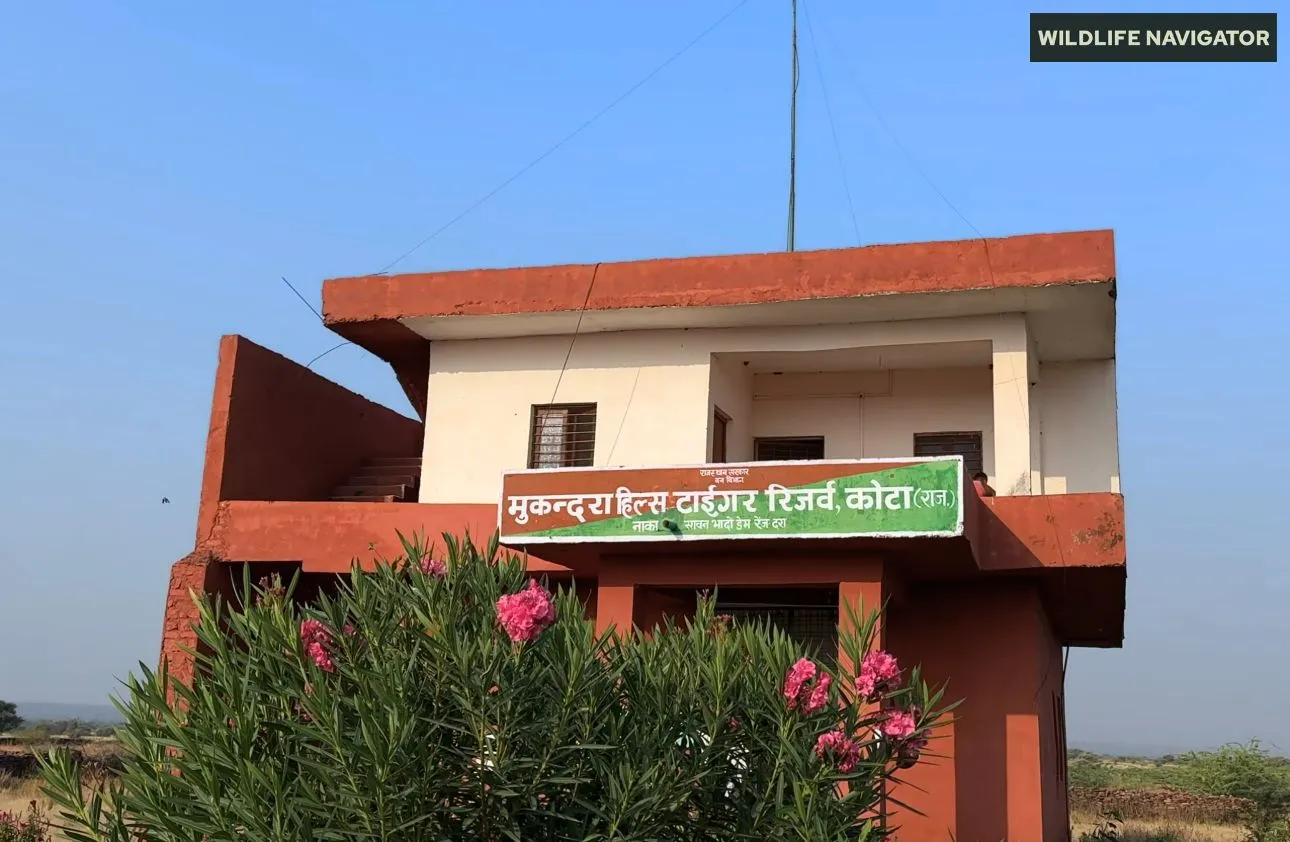
Mukundra Hills Tiger Reserve is one of India’s youngest and most promising tiger conservation landscapes, Spread across the rugged landscapes of Rajasthan. Located across the districts of Kota, Bundi, Jhalawar, and Chittorgarh, this reserve stretches along the dramatic Mukundra hill range, offering a blend of raw wilderness, river-fed valleys, and ancient geological formations.
Declared a tiger reserve in 2013, Mukundra Hills was envisioned as an extension of tiger conservation efforts beyond the saturated habitats of Ranthambore. Today, it stands as a rejuvenating landscape where tigers are being carefully reintroduced, marking a new chapter in Rajasthan’s wildlife revival.
What sets Mukundra apart is its quiet, less-touristy charm. Unlike the bustling safari routes of Ranthambore or Sariska, Mukundra Hills offers a serene, untouched experience—ideal for wildlife enthusiasts seeking solitude, pristine habitats, and the thrill of spotting big cats in a relatively fresh environment.
The reserve’s natural setting is equally captivating: dry deciduous forests, rocky outcrops, narrow gorges, and the lifeline rivers—Chambal, Kali Sindh, and Ahu—weave through the terrain, supporting an impressive variety of flora and fauna. Together, these elements make Mukundra Hills Tiger Reserve an emerging hotspot for wildlife tourism, conservation, and nature-based exploration.
History & Establishment
Mukundra Hills Tiger Reserve has a rich and layered history that reflects Rajasthan’s evolving landscape of wildlife conservation. The region’s journey began long before it earned the status of a tiger reserve—its origins lie in the former Darrah Wildlife Sanctuary, an area once used as a royal hunting ground by the Maharajas of Kota. Over time, as awareness of wildlife protection grew, these hunting territories transformed into protected habitats.
From Sanctuary to National Park
In 1955, Darrah was declared a wildlife sanctuary to safeguard the dry deciduous forests and the wildlife of the Mukundra hill range. Later, in 2004, the government consolidated three key protected areas—Darrah Wildlife Sanctuary, Jawahar Sagar Wildlife Sanctuary, and Chambal Wildlife Sanctuary—into a single entity known as Mukundra Hills National Park.
This marked an important milestone, as it unified a large, continuous stretch of habitat spread across the Aravalli hill system and the valleys of the Chambal River basin.
Declared a Tiger Reserve in 2013
With Ranthambore Tiger Reserve reaching saturation and territorial conflicts among big cats increasing, Rajasthan needed an alternative habitat to support a growing tiger population. Mukundra, with its dense forest patches, ravines, and riverine ecosystems, emerged as the perfect choice.
Thus, in 2013, it was officially notified as the Mukundra Hills Tiger Reserve—making it Rajasthan’s third tiger reserve after Ranthambore and Sariska.
Tiger Reintroduction Efforts
One of the most significant chapters in Mukundra’s history is its tiger reintroduction program. Tigers were gradually translocated from Ranthambore to create a breeding population here. The process came with challenges—territorial issues, adaptation struggles, and the need for enhanced prey density—but it marked a new beginning for the reserve.
Today, Mukundra stands as an evolving conservation landscape, steadily strengthening its population of apex predators while promoting balanced ecological growth across the region.
Geography & Landscape
Mukundra Hills Tiger Reserve lies along a striking stretch of the south-eastern Aravalli hill ranges, creating a dramatic landscape defined by rugged hills, narrow valleys, and ancient rock formations. The reserve covers parts of Kota, Bundi, Jhalawar, and Chittorgarh, forming a long, linear habitat corridor that runs almost parallel to the mighty Chambal River.
A Landscape Shaped by Hills & Ravines
The reserve’s terrain is dominated by:
- Steep slopes of the Mukundra hills
- Deep gorges and ravines carved over centuries
- Plateaus and table-top surfaces
- Rocky cliffs and hidden caves
These natural features create ideal hiding spots for predators and secure breeding grounds for wildlife.
A River-Fed Ecosystem
Three major rivers nourish the reserve:
- Chambal River – the lifeline of the region, flowing along the eastern boundary
- Kali Sindh River – supporting moist patches of vegetation and wetlands
- Ahu River – adding seasonal water flow is essential for herbivores
Together, they sustain rich biodiversity and provide year-round water availability—one of the most critical elements in arid Rajasthan.
Forest Types & Vegetation Patterns
Mukundra is primarily composed of dry deciduous forest, interspersed with:
- Thorny scrublands
- Grassy meadows
- Riverine belts with lush vegetation
These varied vegetation zones support everything from small herbivores to apex predators.
Climate & Seasonal Beauty
The reserve experiences:
- Hot summers, where wildlife gathers near rivers and waterholes
- Pleasant winters, ideal for safaris
- Short monsoons transform the hills into green, vibrant slopes
Each season reveals a different face of Mukundra—dusty golden hues in summer, lush green valleys post-monsoon, and crystal-clear skies in winter.
Why Mukundra’s Geography Matters
Its long, narrow shape acts as a natural wildlife corridor, providing tigers, leopards, and other species with abundant cover and movement space. The combination of hills, rivers, and dense foliage makes Mukundra a secure and promising habitat for long-term tiger conservation.
Flora of Mukundra Hills
Mukundra Hills Tiger Reserve is dominated by dry deciduous forests, a characteristic vegetation type of southern Rajasthan. The forest cover here may appear rugged at first glance, but it hides a diverse mix of hardy trees, thorny shrubs, and seasonal grasses that play a crucial role in sustaining the region’s wildlife.
A Dry Deciduous Forest Ecosystem
The reserve’s vegetation is adapted to Rajasthan’s climate—intense summers, brief monsoons, and mild winters. Trees shed leaves during the dry months to reduce water loss, creating an open canopy that allows sunlight to reach the forest floor and encourage the growth of grasses essential for herbivores.
Key Tree Species
Several native trees dominate the reserve, contributing to the ecological stability of the region:
- Dhok (Anogeissus pendula) – the most common tree, forming nearly 40% of the forest cover.
- Salar (Boswellia serrata) – known for its medicinal properties and adaptability.
- Tendu (Diospyros melanoxylon) – produces leaves used for traditional bidi making.
- Mahua (Madhuca longifolia) – a culturally significant tree with edible flowers and oil-rich seeds.
- Babul (Acacia nilotica) – thrives in arid zones and supports grazing fauna.
- Ber (Ziziphus mauritiana) – bears fruits that attract birds and mammals.
- Palash (Butea monosperma) – adds vibrant orange blooms during spring, earning the name “Flame of the Forest.”
Shrubs, Grasses & Ground Vegetation
Alongside the prominent trees, Mukundra has a healthy layer of undergrowth:
- Thorny shrubs like Euphorbia, Capparis, and Zizyphus species.
- Seasonal grasses that flourish post-monsoon, providing nutrition for herbivores such as chital, sambar, and nilgai.
- Riverine vegetation, including willows, tamarind, and dense shrubs along the Chambal and Kali Sindh riverbanks.
Seasonal Changes in Vegetation
- Summer: Forests take on shades of brown and ochre; leafless trees create better visibility for wildlife spotting.
- Monsoon: A rapid burst of greenery transforms the hills and valleys.
- Winter: A balance of dry leaves, green patches, and cool air creates pleasant safari conditions.
Importance of Flora in the Tiger Reserve
The vegetation of Mukundra Hills acts as:
- A food source for herbivores,
- A shelter and hunting ground for predators,
- A stabiliser of soil and moisture, preventing erosion in the hilly terrain, and
- A buffer that sustains birdlife, reptiles, and smaller mammals.
This diverse botanical landscape ensures a thriving ecosystem capable of supporting tigers and their prey, making flora conservation a core part of Mukundra’s management.
Fauna & Tiger Population
Mukundra Hills Tiger Reserve is home to a rich variety of wildlife that thrives in its rugged hills, ravines, and river-fed forests. Though still developing as a tiger landscape, the reserve supports a balanced mix of predators, herbivores, birds, and reptiles, making it a vital ecological corridor in southeastern Rajasthan.
Major Mammals
The mammals of Mukundra represent both forest-dwelling and scrub-adapted species. Some of the important mammals found here include:
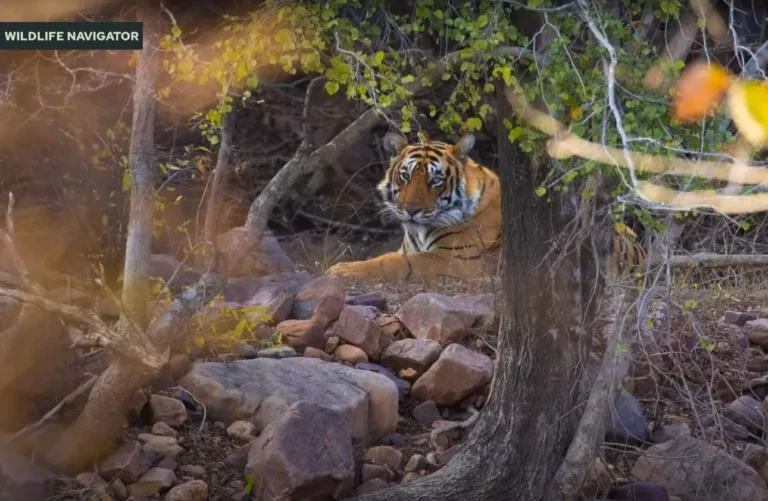
- Bengal Tiger – the apex predator and the focus of ongoing reintroduction efforts.
- Leopard – widely distributed across hilly and rocky terrain.
- Sloth Bear – often sighted in denser forest patches and rocky caves.
- Striped Hyena – a scavenger that plays an important ecological role.
- Wild Boar – common prey species for big cats.
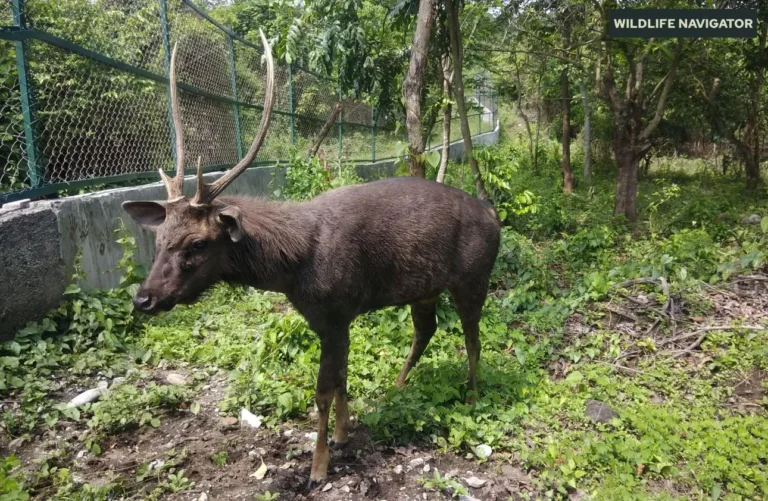
- Sambar Deer – the largest deer species in the reserve.
- Chital (Spotted Deer) – abundant in open forest areas.
- Nilgai (Blue Bull) – India’s largest antelope.
- Chinkara – desert-adapted antelope found in grassland pockets.
- Indian Fox & Jackal – common in scrubland regions.
- Palm Civet & Small Indian Civet – nocturnal mammals seen occasionally.
Birdlife of Mukundra Hills
Thanks to its mix of forest, river, and rocky habitats, Mukundra supports excellent bird diversity. It’s a promising site for birdwatchers.
Commonly seen bird species include:
- Indian Paradise Flycatcher
- Grey Hornbill
- Crested Serpent Eagle
- White-throated Kingfisher
- Peafowl (abundant)
- Indian Roller
- Black Drongo
- Red-vented Bulbul
- Pond Heron & Egret species
- Sandpipers near riverbanks
Seasonal migrants also appear during winter, especially near water bodies.
Reptiles & Amphibians
The reserve’s rocky habitats and riverine areas create ideal conditions for reptiles.
Common reptile species:
- Indian Rock Python
- Monitor Lizard
- Spectacled Cobra
- Rat Snake
- Indian Tortoise
- Skink species
- Freshwater turtles along Chambal river stretches
The presence of these reptiles indicates a healthy trophic structure in the ecosystem.
Tiger Population & Reintroduction Efforts
Mukundra Hills is one of India’s most closely watched tiger conservation projects. As a younger reserve, its tiger numbers are still developing, but every addition marks a significant ecological milestone.
How Reintroduction Began
- In 2018, Mukundra received its first tiger translocated from Ranthambore.
- This was followed by additional individuals over the next years to establish a breeding population.
- The aim is to reduce pressure on Ranthambore (which has high tiger density) and build a genetically strong, separate population.
Challenges
- Ensuring prey density.
- Managing territorial conflicts among relocated tigers.
- Preventing human–wildlife conflict around the buffer zone.
- Habitat adaptation issues faced by newly introduced tigers.
Current Scenario
While numbers remain limited, Mukundra is steadily moving towards becoming a self-sustaining tiger habitat. With ongoing monitoring, better habitat management, and expanding prey populations, the reserve holds strong potential for long-term tiger recovery.
Why Mukundra’s Fauna Matters
The fauna of Mukundra Hills reflects the reserve’s ecological potential. It is a developing but promising tiger landscape where:
- The food chain is strong,
- Predators are returning gradually, and
- Birdlife and reptiles flourish due to the mixed habitat types.
Mukundra is not just a tiger reserve—it is a landscape restoring its wild identity after decades of waiting.
Safari Zones & How the Reserve Is Divided
Mukundra Hills Tiger Reserve is unique in its structure because it is not a compact circular forest like Ranthambore, but a long, linear habitat stretching across multiple protected areas. This creates a distinctive safari experience—more spread out, more rugged, and far less crowded.
Three Main Wildlife Components
The reserve integrates three major sanctuaries into one larger protected area:
- Darrah Wildlife Sanctuary
- The core of Mukundra.
- Dense forests, hilly terrain, and remote valleys.
- Historically a royal hunting ground.
- Primary zone for tiger reintroduction.
- Jawahar Sagar Wildlife Sanctuary
- Located along the Chambal River.
- Known for riverine vegetation, rocky cliffs, and birdlife.
- Offers opportunities for crocodile and turtle sightings near river stretches.
- Chambal Wildlife Sanctuary
- Part of the larger National Chambal Gharial Sanctuary landscape.
- Habitat for gharials, crocodiles, turtles, and river birds.
- Important ecological buffer on the southern edge of the tiger reserve.
Together, these three protected areas create a continuous wildlife corridor of hills, forests, and rivers.
Core and Buffer Zones
Just like all tiger reserves in India, Mukundra is divided into:
- Core Zone (Critical Tiger Habitat)
Areas with minimal human disturbance.
This is where tigers, leopards, and herbivores thrive naturally.
Public access is usually restricted or highly regulated. - Buffer Zone
Surrounding forested and revenue areas.
Human activities such as villages, agriculture, and grazing may occur in controlled ways.
Some tourism activities may be allowed here depending on regulation.
Mukundra’s long, narrow shape means the buffer zone runs parallel to the core for long stretches, making monitoring very structured and strategic.
Tourism & Safari Access Status
Safari access in Mukundra Hills has historically been limited and highly regulated, primarily because:
- The tiger population is still in early reintroduction stages.
- Authorities prioritize habitat recovery over tourism pressure.
- Core zones need more time to stabilize prey-base and big-cat behavior.
Some parts of the buffer areas and select routes in the Darrah region may be opened for wildlife tourism depending on the latest forest department notifications.
Typical Safari Landscape
A safari in Mukundra feels different from Rajasthan’s popular reserves:
- Long stretches of winding tracks through valley corridors
- Dense tree cover in some areas, open scrublands in others
- Rocky slopes and sudden cliffs
- Occasional water bodies fed by Chambal and its tributaries
- Fewer vehicles, offering a peaceful and undisturbed wilderness experience
While tiger sightings may be unpredictable, Mukundra makes up for it with its raw terrain, solitude, and photographic landscapes.
Safari Experience in Mukundra Hills
A safari in Mukundra Hills Tiger Reserve delivers a raw, rugged, and peaceful wilderness experience—quite different from the buzzing tourism circuits of Ranthambore or the open forests of Sariska. Because the reserve is still in its early phases of tiger reintroduction, the landscape remains largely untouched, quiet, and ideal for nature lovers seeking calm over crowds.
Types of Safari Available
Safari access in Mukundra Hills is limited and closely regulated, primarily to protect the young tiger population. The types of safaris may include:
- Jeep Safari (Open Gypsy)
The primary mode of safari, offering better mobility through narrow hills and ravines. - Canter Safari
Operates only if the forest department allows group visits; less common compared to jeeps. - Buffer Area Drives
Some routes in the buffer zone may be accessible when core areas remain restricted.
Visitors are advised to confirm the latest safari options with the Rajasthan Forest Department or local tourism offices before planning.
What to Expect on a Safari
Mukundra offers a completely different vibe—more like exploring a hidden, lesser-known wildlife frontier.
The experience typically includes:
- Long, winding tracks cutting through the Mukundra hill ranges.
- Dense patches of dhok trees and thorny shrubs.
- Rocky outcrops and cliffs where leopards often roam.
- Riverine zones near Kali Sindh or Chambal where birds, reptiles, and herbivores gather.
- Silent, unspoiled forests with very few safari vehicles—ideal for true wilderness seekers.
While tiger sightings are less common due to the developing population, leopard sightings, birdwatching, and photographing landscapes are major highlights.
Wildlife Sightings
Species you can reasonably expect to see during a safari:
- Sambar, chital, nilgai
- Wild boar
- Langur and rhesus macaque
- Peafowl and hornbills
- Birds of prey like serpent eagles
- Monitor lizards, turtles, and snakes near water bodies
- Occasional glimpses of sloth bears or hyenas
Tigers may be seen occasionally—especially in the Darrah region—but sightings are not yet frequent.
Photography Opportunities
Mukundra is a paradise for landscape and wildlife photographers:
- Sunrise light filtering through valleys
- Golden-hour views over the Chambal river
- Dramatic hill silhouettes
- Birds perched along riverbanks
- Leopards using rocky terrain as vantage points
The absence of crowds allows slow-paced, mindful photography—perfect for storytelling blog shots.
Safari Rules & Safety Tips
To protect wildlife and ensure responsible tourism:
- Avoid loud talking during safaris.
- Follow forest guide instructions strictly.
- Do not attempt to lure or track animals off designated routes.
- Carry no-plastic essentials; leave no waste behind.
- Stay inside the vehicle at all times.
- Wear earthy-colored clothing like brown, olive green, or grey.
Mukundra’s quiet environment enhances sightings—respecting that silence is key.
Best Time to Visit
The best time to visit Mukundra Hills Tiger Reserve is October to June.
- October to February (Winter):
Pleasant weather, clear skies, and great visibility for wildlife photography. Ideal for safaris. - March to June (Summer):
Hot, but the best chance for wildlife sightings as animals gather near water sources. - July to September (Monsoon):
Reserve usually remains closed; greenery is lush but safaris are not permitted.
How to Reach Mukundra Hills Tiger Reserve
Mukundra Hills Tiger Reserve is easily accessible from major cities in Rajasthan and central India. The reserve lies close to Kota, which serves as the primary gateway for most visitors.
Nearest City
Kota
- Only 20–35 km from key entry points.
- Well connected by rail and road.
- Has plenty of accommodation options for wildlife travellers.
By Air
The nearest airport is:
- Kota Airport – limited operational flights (check schedule).
- Jaipur International Airport – 240 km away; major domestic and international connectivity.
- Udaipur Airport – around 290 km away, another convenient option.
Most travellers prefer flying into Jaipur, then driving to Kota/Mukundra.
By Rail
Kota Junction is a major railway hub on the Delhi–Mumbai route.
Regular trains connect Kota to:
- Delhi
- Mumbai
- Jaipur
- Ahmedabad
- Indore
- Kolkata
- Lucknow
Travel time from Kota to the tiger reserve is roughly 30–45 minutes depending on the entry gate.
By Road
Mukundra is easily accessible by well-maintained highways.
Distances:
- Kota → Mukundra: 20–35 km
- Jaipur → Kota: ~250 km
- Udaipur → Kota: ~275 km
- Jodhpur → Kota: ~320 km
- Indore → Kota: ~340 km
Road quality is good, with smooth stretches along NH-52 and NH-27.
Local taxis, buses, and private vehicles can be used to reach the reserve’s entry gates.
Nearest Entry Points
Entry points may vary based on tourism permissions, but commonly used access routes include:
- Darrah Gate (Kota side)
- Chambal Sanctuary area (Jhalawar side)
- Jawahar Sagar region
Travellers should always check the latest entry points and safari availability before planning.
Accommodation Options Near Mukundra Hills
Since Mukundra Hills Tiger Reserve is still developing as a major wildlife destination, accommodation options are centered mainly around Kota, with a few stays located near the outskirts of the reserve. Visitors can choose from hotels, forest rest houses, and nature lodges based on budget and preferences.
Hotels in Kota (Most Convenient Option)
Kota offers the widest range of stays and serves as the main base for safaris.
Popular options include:
- Mid-range hotels: Comfortable rooms, good service, and close proximity to safari gates.
- Budget hotels: Ideal for backpackers, solo travelers, and short stays.
- Business hotels: Suitable for those wanting modern amenities and city access.
Staying in Kota ensures easy transport, restaurants, and access to key safari entry points.
Nature Lodges & Resorts Near the Reserve
A few eco-lodges and retreats are located closer to the forest, offering a more immersive wilderness experience.
Features usually include:
- Forest-facing cottages
- Peaceful surroundings
- Limited yet cozy amenities
- Ideal for photographers and birdwatchers
These stays offer quick access to morning safaris but require advance booking.
Forest Rest Houses (Limited Availability)
The Rajasthan Forest Department maintains a few Forest Rest Houses (FRHs) in and around the protected zones.
Good for:
- Visitors wanting a rustic, nature-based stay
- Researchers and wildlife enthusiasts
- People looking for budget-friendly accommodation in serene surroundings
Facilities are basic, and bookings must be made through official channels.
Where Should You Stay?
- For best comfort: Stay in Kota city.
- For a close-to-nature vibe: Choose a lodge near Darrah or Jawahar Sagar areas.
- For a budget and authentic forest feel: Opt for Forest Rest Houses (if available).
Mukundra Hills — Entry & Safari Fees
Here’s a snapshot of typical costs for visiting Mukundra Hills. As always — it’s best to double-check with park authorities before you book.
| Fee / Permit Type | Approximate Charge |
|---|---|
| Entry Fee (Indian citizen) | ₹ 50 per person/permit |
| Entry Fee (Foreigner) | ₹ 300 per person |
| Jeep / Gypsy Safari (full vehicle, up to 6 persons) | ₹ 1,500 – ₹ 2,000 per Jeep |
| Canter / Shared-seat Safari (per person, when available) | ₹ 100 per person |
| Still-Camera Permit | ₹ 200 per person/permit |
| Video-Camera / Videography Permit | ₹ 200 per person / permit |
Nearby Attractions
While Mukundra Hills Tiger Reserve is the main highlight, the surrounding region offers several interesting destinations that wildlife enthusiasts and travellers can explore before or after their safari.
Kota Barrage
- Located on the Chambal River, about 30 km from Mukundra.
- A popular spot for birdwatching, especially migratory waterfowl during winter.
- Ideal for photography and short nature walks along the embankment.
Jawahar Sagar Dam
- Around 40 km from the reserve, this dam creates a tranquil waterbody amidst rugged terrain.
- Supports aquatic life and attracts birds such as herons, kingfishers, and sandpipers.
- Nearby scenic viewpoints are perfect for sunrise and sunset shots.
Garadia Mahadev Viewpoint
- Approximately 50 km from Mukundra, offers panoramic views of forests, hills, and the Chambal valley.
- The climb is short but steep, rewarding visitors with one of the best natural vistas in the region.
Bundi Fort & City
- About 90 km from Mukundra, Bundi is famous for its historical fort, palaces, and step-wells.
- A blend of architecture, culture, and history complements your wildlife-focused trip.
Chambal River Sanctuary
- A short detour from Mukundra, this area is part of the larger National Chambal Gharial Sanctuary.
- Home to gharials, crocodiles, freshwater turtles, and a rich variety of waterbirds.
- Perfect for eco-tourism and spotting reptiles along riverbanks.
These attractions make Mukundra not just a wildlife destination but part of a complete nature and heritage experience, allowing travellers to combine safari adventures with birding, photography, and local exploration.
Conclusion
Mukundra Hills Tiger Reserve is emerging as a hidden gem in Rajasthan’s wildlife landscape. While still developing its tiger population, the reserve offers a raw, serene, and less-touristy experience compared to Ranthambore and Sariska. Its rugged hills, deep ravines, and river-fed forests create a perfect habitat for tigers, leopards, sloth bears, and a wide variety of birds and reptiles.
For wildlife enthusiasts, photographers, and nature lovers, Mukundra provides a peaceful and immersive wilderness experience. Beyond safaris, the surrounding region—with its rivers, dams, and historical towns—adds layers of adventure and cultural exploration.
Visiting Mukundra is not just a trip; it’s a chance to witness the revival of India’s tiger population, support conservation efforts, and enjoy an authentic connection with Rajasthan’s wild heart. As the reserve grows, it promises to become one of the country’s must-visit tiger destinations, combining nature, adventure, and responsible tourism in one unforgettable journey.