Manas National Park – Chirang and Baksa Districts, Assam

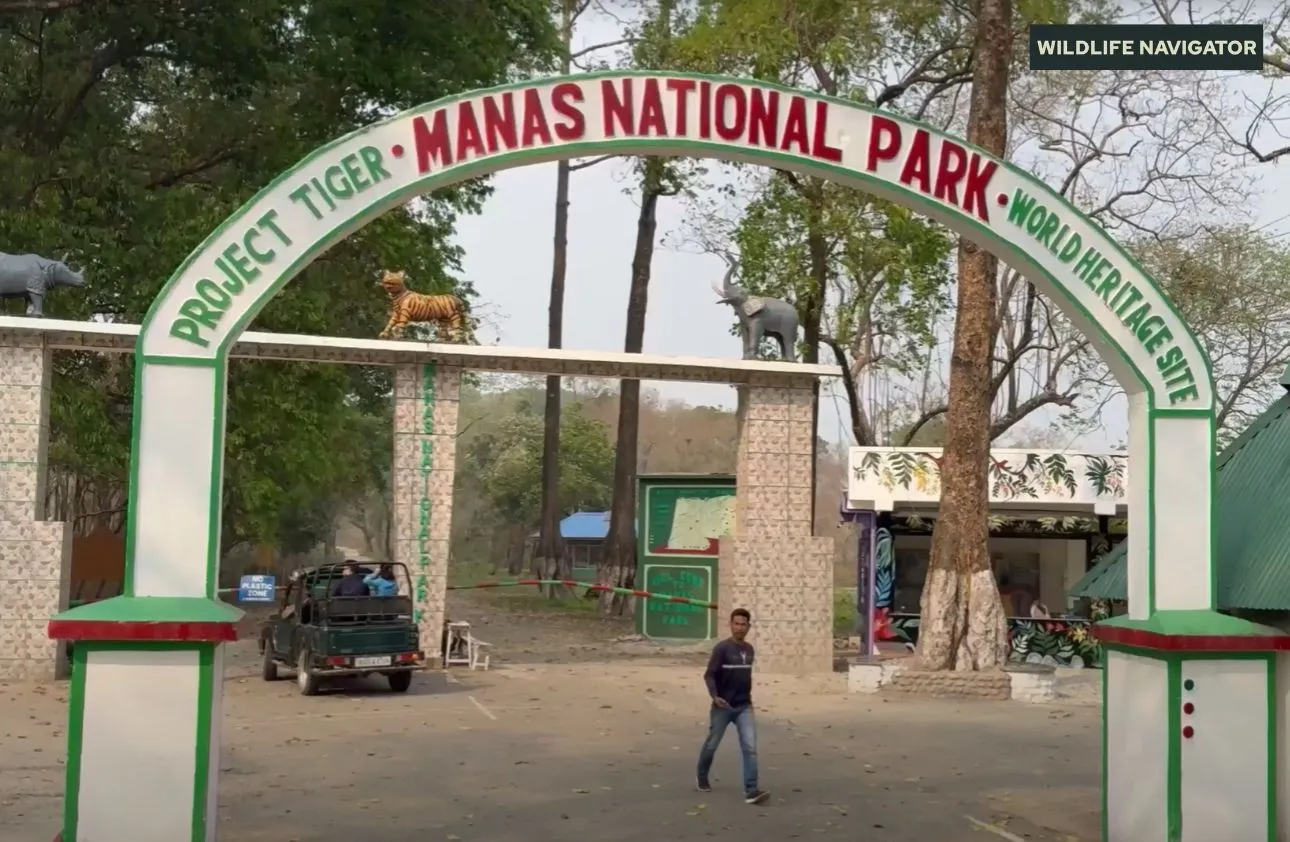
Manas National Park is one of the most enchanting wildlife destinations in the Himalayan foothills along the India–Bhutan border in India. Located in the Chirang and Baksa districts of the state of Assam, this UNESCO World Heritage Site is celebrated for its unmatched biodiversity and breathtaking landscapes. Spread over 950 square kilometres, the park is not just a national park but also a Project Tiger Reserve, Elephant Reserve, and Biosphere Reserve, making it a hotspot for conservation and eco-tourism.
What makes Manas truly special is its rare collection of species, some of which are found nowhere else in the world. From the endangered Golden Langur and Pygmy Hog to iconic animals like the Bengal Tiger, Indian Rhino, and Asiatic Elephant, Manas offers a once-in-a-lifetime chance to witness both common and critically endangered species in their natural habitat.
For travellers seeking more than just a safari, the park provides a mix of wildlife adventure, cultural immersion with local Bodo villages, and thrilling river rafting experiences. Whether you are a passionate wildlife photographer, an adventure seeker, or a nature lover, Manas National Park promises a journey that goes far beyond the ordinary.
History, Geography & Landscape
The story of Manas National Park goes back almost a century. It was first declared a Reserve Forest in 1907 and later upgraded to a Wildlife Sanctuary in 1928. In 1990, it officially became a National Park, and by then it had already gained global recognition, being designated as a UNESCO World Heritage Site in 1985. Its strategic location along the Indo-Bhutan border makes it an integral part of the Eastern Himalayan biodiversity hotspot.
The park is named after the Manas River, a major tributary of the mighty Brahmaputra, which meanders gracefully through its dense forests and grasslands. The river not only enhances the beauty of the park but also sustains its rich ecosystem. On one side, the forest seamlessly connects to Royal Manas National Park in Bhutan, creating a continuous corridor for wildlife movement—a rarity in today’s fragmented landscapes.
The terrain of Manas National Park is diverse and visually captivating. From alluvial grasslands and tropical evergreen forests to riverine tracts and wetlands, the park is a patchwork of ecosystems that support an incredible variety of species. The park lies at the base of the Himalayas, with gently rolling hills merging into the fertile plains of Assam, giving visitors a mix of both mountain and lowland scenery.
As for climate, Manas experiences three distinct seasons:
- Summer (March–June): Warm and dry, with temperatures ranging between 25°C–35°C.
- Monsoon (July–September): Heavy rains often cause flooding, making safaris difficult.
- Winter (October–February): Pleasant and cool (15°C–25°C), offering the best time to explore the park.
This seasonal rhythm directly influences wildlife activity, which is why the winter months are ideal for safaris.
Flora and Fauna of Manas National Park
The highlight of Manas is undoubtedly its diverse flora and fauna. Classified under the Indo-Burma biodiversity hotspot, the park hosts over 650 species of plants and a staggering variety of animals and birds.
Flora
Manas is a green wonderland, with landscapes that shift from tropical semi-evergreen forests to tall alluvial grasslands. Dense patches of bamboo and cane, towering sal trees, and evergreen shrubs dominate its forests. Along the riverbanks, one can find lush riverine vegetation and wetlands that serve as breeding grounds for aquatic species.
Fauna
The park is a haven for wildlife lovers, home to more than 55 species of mammals, 50 reptiles, and over 450 bird species.
- Flagship Species: The Royal Bengal Tiger, One Horned Rhinoceros, and Asian Elephant are the star attractions.
- Endangered & Rare Species: Manas is one of the last refuges of the Golden Langur, Pygmy Hog, and Assam Roofed Turtle, all of which are critically endangered.
- Other Mammals: Indian Leopard, Clouded Leopard, Wild Buffalo, Sloth Bear, Gaur, and Hog Deer.
- Birdlife: From the majestic Great Hornbill to the critically endangered Bengal Florican, birdwatchers can expect rare sightings at every turn. Raptors, migratory ducks, and colourful forest birds further enrich the park’s avian population.
- Reptiles & Aquatic Life: Pythons, monitor lizards, and freshwater turtles thrive here, while the rivers host a variety of fish and amphibians.
This incredible mix of species makes Manas one of the richest biodiversity zones in the world and a must-visit for wildlife enthusiasts.
Safari Experience & Park Zones
A visit to Manas National Park is incomplete without experiencing its thrilling safaris. Unlike many other parks in India, Manas offers a diverse range of safari options that cater to every kind of traveller—whether you want the excitement of a jeep ride, the calm of a river rafting trip, or the cultural depth of a guided walk through Bodo villages.
Types of Safari in Manas
- Jeep Safari: The most popular way to explore the park, jeep safaris take you deep into the grasslands and forests where chances of spotting big mammals like tigers, rhinos, and elephants are high. The open vehicles are ideal for photography.
- Elephant Safari: Offered in selected areas, these safaris provide a unique vantage point to watch wildlife at close quarters. Elephants can take you through grasslands where jeeps cannot go.
- Boat/River Rafting Safari: On the Manas River, travellers can enjoy a peaceful yet adventurous rafting experience. This safari offers excellent birdwatching opportunities, especially for migratory species and riverine animals like wild buffalo.
- Walking Tours & Village Safaris: Local guides organise nature walks and cultural tours to nearby Bodo villages, offering a blend of wildlife and cultural experiences.
Safari Timings & Gates
- Safaris usually operate twice a day: morning (7:00 AM – 10:00 AM) and afternoon (2:00 PM – 5:00 PM).
- Major entry points include Bansbari Range (Barpeta Road side), Panbari Range, and Kokilabari Range.
- Each zone has its own specialities—for instance, the Bansbari Range is best for rhino sightings, while Panbari Range offers a denser forest experience for spotting leopards and elephants.
Safari bookings can be done either through the official Assam forest department website or local tour operators. It’s always advisable to book in advance, especially during the peak season (November–April).
Best Time to Visit Manas National Park
The best time to visit Manas depends on what you want to experience. Since the park has distinct seasons, each brings its own flavour.
- Winter (November – April): This is the peak tourist season. The weather is cool and pleasant (15°C–25°C), making safaris comfortable. Wildlife sightings are at their best since animals often come out into the open grasslands. This is also the best time for birdwatching, as migratory species flock to the park.
- Summer (May – June): Summers can get hot (temperatures up to 35°C), but it’s still possible to visit. The grass is shorter, making it easier to spot elephants, rhinos, and even tigers. However, you’ll need to carry sun protection and stay hydrated.
- Monsoon (July – September): The park remains closed during this time due to heavy rainfall and flooding caused by the Brahmaputra. The dense vegetation and swollen rivers make safaris unsafe.
Recommended months: November to April is undoubtedly the best time for a complete Manas experience, whether it’s safaris, rafting, or cultural tours.
How to Reach & Getting Around
Manas National Park is well connected to major cities in Assam, particularly Guwahati, which serves as the main entry point for travellers.
By Air
- The nearest airport is Lokpriya Gopinath Bordoloi International Airport, Guwahati, located about 176 km from the park.
- From the airport, one can hire a taxi, rent a car, or take a bus to reach Barpeta Road, the main gateway to the park.
By Train
- The nearest railway station is Barpeta Road Railway Station, just 22 km from the park entrance.
- Regular trains from Guwahati and other major cities in Assam connect to Barpeta Road. From there, local taxis and buses are available.
By Road
- Manas is well connected via road from Guwahati (≈5 hours by car).
- State transport buses and private vehicles frequently operate on this route.
Getting Around Inside the Park
- Authorised park jeeps with naturalist guides are the best way to explore.
- Some eco-resorts and lodges arrange safaris for their guests.
- Local naturalist guides not only help spot wildlife but also share stories about the park’s history, culture, and ongoing conservation efforts.
Accommodation & Stay Options
Finding the right place to stay is an important part of planning your Manas trip. Thankfully, the park and its surrounding areas offer a wide range of accommodations—from rustic forest lodges to eco-friendly camps and luxury resorts.
Forest Lodges & Government Rest Houses
Inside the Manas National Park, a few government-managed forest lodges provide basic yet charming accommodations. The Mathanguri Forest Lodge is the most iconic, located on a cliff overlooking the Manas River with stunning views of Bhutan’s hills. Staying here feels like living in the heart of the wild, with the sounds of elephants trumpeting and birds calling as your natural soundtrack. However, bookings for Mathanguri must be made well in advance through the Assam Forest Department.
Eco-Camps & Budget Stays
For budget-conscious travellers, there are several eco-camps and small guesthouses near Bansbari Range (Barpeta Road entrance). These are run by local communities and eco-tourism groups, offering clean rooms, traditional Assamese meals, and guided tours. Some popular names include Florican Cottages and Manas Jungle Camp, both of which provide cosy stays and a chance to interact with local villagers.
Luxury Resorts & Hotels
If you prefer more comfort, a few upscale resorts and boutique properties are located near the park’s buffer zones. These come with spacious rooms, modern amenities, and curated safari experiences. While luxury options aren’t as widespread as in Kaziranga, a couple of resorts near Barpeta Road cater to travellers looking for a premium stay.
Whether you’re on a shoestring budget or seeking a luxurious retreat, Manas National Park has something for everyone. Staying inside or near the park ensures you can catch the early morning safaris, when wildlife sightings are at their peak.
Travel Tips & Visitor Guidelines
A successful trip to Manas National Park isn’t just about booking a safari—it’s also about being prepared and respecting the delicate ecosystem. Here are some essential tips to make the most of your journey:
What to Pack
- Clothing: Neutral-colored clothes (greens, browns, beige) that blend into the environment. Light cottons in summer, woollens in winter. Avoid bright colours.
- Accessories: A good pair of binoculars, sturdy walking shoes, a hat, and sunglasses.
- Photography Gear: A zoom lens (200–400mm) for wildlife photography. Carry extra batteries and memory cards, as charging points may be limited inside the park.
- Essentials: Mosquito repellent, water bottles, sunscreen, and a small first-aid kit.
Safari Etiquette
- Maintain silence during safaris to avoid disturbing animals.
- Do not litter, feed, or tease wildlife.
- Always keep a safe distance, especially from elephants and rhinos.
- Follow your guide’s instructions strictly—wildlife encounters can be unpredictable.
Responsible Tourism
- Support eco-friendly accommodations and local guides, as they directly contribute to conservation.
- Avoid plastic packaging and carry reusable bottles.
- Respect local customs if visiting nearby Bodo villages.
Following these simple guidelines ensures a safe and enjoyable experience while helping preserve Manas’s fragile ecosystem for future generations.
Nearby Attractions & Suggested Itineraries
While Manas itself can keep you busy for days, its location in Assam makes it easy to combine with other wildlife and cultural experiences.
Nearby Attractions
- Royal Manas National Park (Bhutan): Just across the border, this park shares its ecosystem with Manas. Cross-border eco-tours can sometimes be arranged with special permits.
- Pobitora Wildlife Sanctuary: Known for its high density of One-Horned Rhinos, about 4 hours from Guwahati.
- Kaziranga National Park: The most famous wildlife destination in Assam, around 6–7 hours from Manas.
- Bodo Villages: Cultural tours to local villages allow visitors to experience the traditional lifestyle, crafts, and cuisine of the Bodo community.
Adventure Activities
- River Rafting on Manas River: A thrilling way to spot aquatic birds and riverbank wildlife.
- Birdwatching Trails: Winter is ideal for spotting migratory birds like ducks, geese, and raptors.
- Trekking & Nature Walks: Some eco-camps organise guided walks along the forest edges and buffer zones.
Suggested Itineraries
2-Day Itinerary
- Day 1: Morning Jeep Safari + Visit to Mathanguri Lodge viewpoint + Evening river rafting.
- Day 2: Morning Elephant Safari + Cultural tour to a nearby Bodo village before departure.
3-Day Itinerary
- Day 1: Jeep Safari + Sunset at Manas River.
- Day 2: Full-day exploration (morning & evening safaris) + Birdwatching trail.
- Day 3: Morning river rafting + Short trek in buffer zones or optional trip towards Bhutan border.
These itineraries balance wildlife, adventure, and culture, giving travellers a wholesome Manas experience.
Conservation & Importance of Manas National Park
Manas is not just another wildlife destination—it is a living symbol of conservation success and ecological importance. Declared a UNESCO World Heritage Site in 1985, it has been recognised globally for its extraordinary biodiversity and rare species.
Role in Conservation Programs
- Project Tiger Reserve (since 1973): Manas was among the earliest tiger reserves included in India’s ambitious tiger conservation program. It remains a critical stronghold for the Royal Bengal Tiger in the Eastern Himalayas.
- Biosphere Reserve (1989): The park’s diverse ecosystems—from wetlands to grasslands—make it a unique biosphere supporting multiple endangered species.
- Elephant Reserve: Manas is also part of India’s elephant conservation network, hosting a large population of Asiatic Elephants.
Endangered Species Protection
Manas is the last refuge for some of the world’s most endangered animals:
- The Golden Langur, a species found only in a small region of Assam and Bhutan.
- The Pygmy Hog, the smallest and rarest wild pig species, successfully reintroduced into the wild through conservation programs.
- The Bengal Florican, a critically endangered grassland bird, has viable breeding populations here.
Challenges & Recovery
In the past, Manas suffered heavily due to poaching and political unrest, which led to it being listed as a World Heritage Site in Danger. However, strong conservation efforts, community participation, and eco-tourism initiatives have helped it bounce back. Today, wildlife populations are recovering, and the park is once again gaining recognition as one of India’s premier tiger reserves.
How Visitors Can Help
- Choose eco-friendly stays and safaris that support local communities.
- Spread awareness by sharing responsible travel experiences.
- Respect wildlife rules—silence, no littering, no off-road driving.
- Contribute to conservation NGOs working in Assam.
By visiting Manas National Park responsibly, travellers become part of its story of revival, helping protect this extraordinary wilderness for generations to come.