Dibru Saikhowa National Park Guide: Flora, Fauna, Activities & Travel Tips

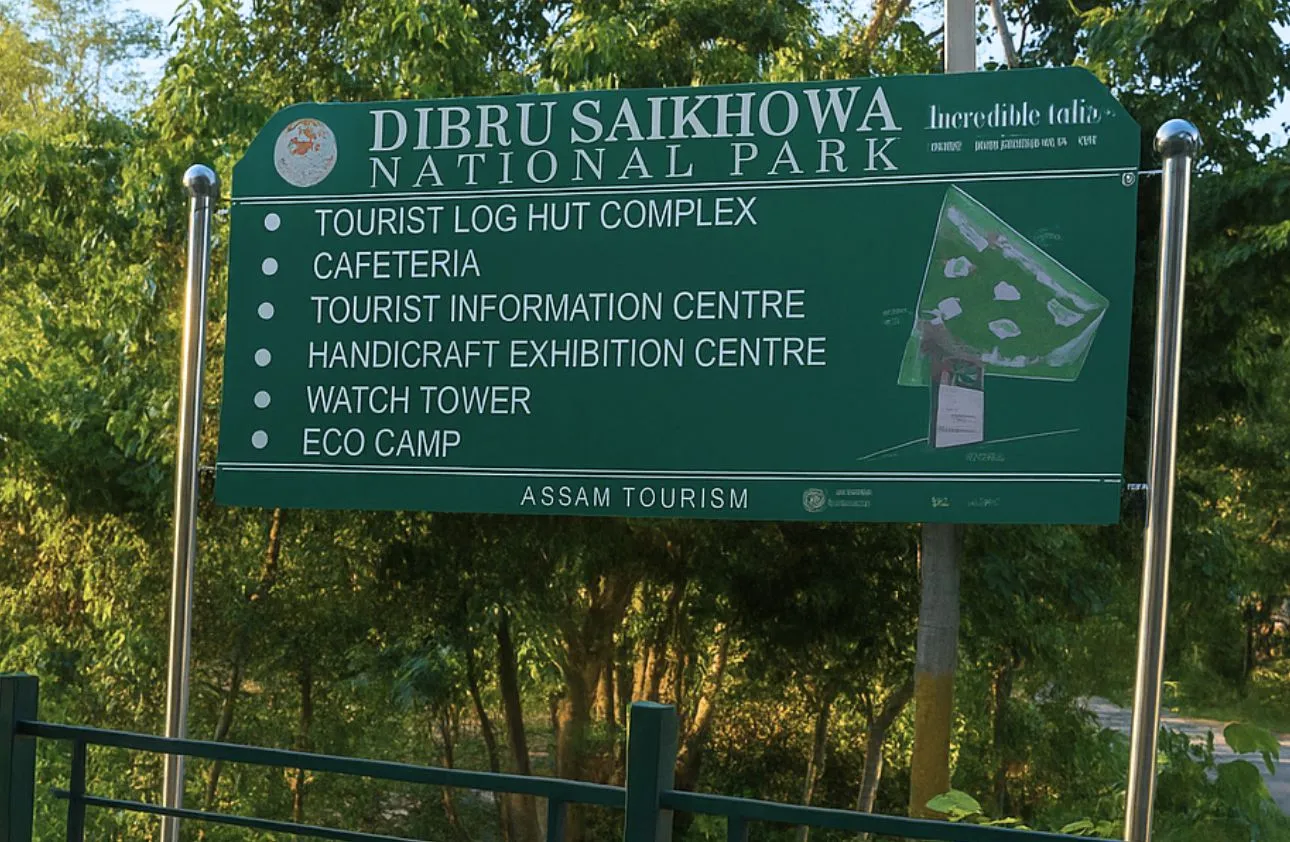
Dibru Saikhowa National Park, located in the northeastern state of Assam, is one of India’s most remarkable wildlife destinations. Spread across lush riverine plains and dotted with numerous islands, the park is part of the Dibru-Saikhowa Biosphere Reserve, a protected area recognised for its extraordinary biodiversity. The landscape is a striking mix of wetlands, grasslands, and semi-evergreen forests, providing a sanctuary for an array of wildlife species.
What sets Dibru Saikhowa apart is its unique combination of habitats, including swampy marshes, oxbow lakes, and riverine islands formed by the mighty Brahmaputra and Dibru rivers. This ecological diversity makes it an ideal home for rare and endangered species like the white-winged wood duck, swamp deer, and Asian elephants, as well as a haven for migratory birds during the winter months.
Beyond its wildlife, the park offers a peaceful retreat into nature, with opportunities for birdwatching, photography, and immersive nature walks. For travellers seeking a mix of adventure and tranquillity, Dibru Saikhowa promises a truly unforgettable experience, where every river bend and forested corner holds the potential for discovery.
Geography and Location
Dibru Saikhowa National Park is situated in the northeastern region of India, within the Tinsukia and Dibrugarh districts of Assam. It lies at the confluence of the Dibru and Brahmaputra rivers, which have played a major role in shaping the park’s unique landscape of riverine islands, wetlands, and floodplains. Covering an area of approximately 340 square kilometres, the park forms a significant part of the Dibru-Saikhowa Biosphere Reserve, highlighting its importance for both conservation and biodiversity research.
The park’s terrain is remarkably diverse. While the low-lying wetlands and marshes dominate much of the landscape, patches of semi-evergreen and tropical moist forests provide refuge for terrestrial wildlife. During the monsoon season, many areas become waterlogged, creating ideal conditions for migratory birds and aquatic species. The combination of forested regions, grasslands, and freshwater ecosystems makes the park a hotspot for wildlife enthusiasts and ecologists alike.
Accessibility:
- By Air: The nearest airport is Dibrugarh Airport, about 40 km from the park.
- By Rail: The closest railway stations are Tinsukia Junction and Dibrugarh Town, both well-connected to major cities in Assam and neighbouring states.
- By Road: National highways connect the park to nearby towns, and local transport options are available for reaching entry points and eco-lodges.
Travellers are advised to plan their visit according to the season, as the park’s wetland areas can become challenging to navigate during peak monsoon. However, this seasonal transformation also brings out the park’s extraordinary beauty, attracting photographers and nature lovers from across the country and beyond.
History and Significance
Dibru Saikhowa National Park was officially declared a national park in 1999, but its conservation importance stretches back much further. The park covers an area of approximately 340 square kilometres, forming a critical part of the Dibru-Saikhowa Biosphere Reserve, which was established in 1997 under UNESCO’s Man and Biosphere Programme. This recognition underscores its global ecological significance.
The park’s name comes from two rivers, the Dibru and Saikhowa, whose floodplains and islands shape the park’s distinctive wetland ecosystem. These waterways create fertile grasslands, marshes, and oxbow lakes that support a wide range of flora and fauna. The wetlands are particularly crucial for migratory birds, making Dibru Saikhowa one of India’s prime destinations for birdwatching.
Dibru Saikhowa plays a vital role in wildlife conservation, providing a refuge for endangered species such as the white-winged wood duck, hoolock gibbons, and swamp deer. It also acts as a corridor for Asian elephants and tigers, allowing them to move safely between different forested regions of Assam. Conservation efforts in the park include habitat management, anti-poaching measures, and community awareness programs, ensuring that local people are involved in protecting the park’s natural heritage.
The park is not only a sanctuary for wildlife but also a living laboratory for ecological research. Scientists study its wetlands, floodplain dynamics, and species diversity to understand broader environmental patterns, making Dibru Saikhowa an essential component of India’s network of protected areas and national parks.
Flora
Dibru Saikhowa National Park boasts a rich and diverse plant life, making it one of Assam’s most ecologically vibrant areas. The park’s unique combination of wetlands, grasslands, and forested patches creates a mosaic of habitats that support a wide variety of flora.
- Forest Types: The park is home to tropical semi-evergreen forests, alluvial grasslands, and riverine wetlands, each supporting different plant communities. Dense forest patches provide shelter for terrestrial animals, while wetlands are crucial for aquatic and semi-aquatic species.
- Notable Plant Species: Visitors can find Bamboo groves, Shorea robusta (Sal trees), Acorus calamus (Sweet flag), Saccharum spontaneum (Wild sugarcane), and various medicinal plants used traditionally by local communities.
- Wetlands and Riverine Vegetation: The marshes, oxbow lakes, and riverbanks are lined with water lilies, reeds, and sedges, which not only sustain the ecosystem but also provide food and breeding grounds for numerous birds, fish, and amphibians.
- Grasslands: The alluvial grasslands are dominated by tall grasses like Saccharum bengalense and Cynodon dactylon, creating ideal grazing areas for herbivores such as swamp deer and elephants.
The park’s flora plays a crucial role in maintaining ecological balance. Wetland plants act as natural water purifiers, grasslands prevent soil erosion, and forest patches regulate microclimates. For visitors, exploring the park is like walking through a living botanical museum, where each plant has its ecological story to tell.
Fauna
Dibru Saikhowa National Park is renowned for its exceptional wildlife diversity, making it a paradise for animal lovers, birdwatchers, and conservation enthusiasts. Its mixture of wetlands, grasslands, and forests supports a wide array of species, many of which are rare or endangered.
Mammals
- Asian Elephant: Often seen in grasslands and along riverbanks.
- Swamp Deer (Barasingha): Endangered and a key species of the park.
- Tiger: Bengal tigers occasionally roam the forested areas.
- Leopard: Primarily found in denser forest patches.
- Feral Horse
- Hoolock Gibbon: India’s only ape species, found swinging through tree canopies.
- Other mammals: Wild boar, barking deer, otters, and civets.
Birds
Dibru Saikhowa is a birdwatcher’s haven, especially during the migratory season.
- White-winged Wood Duck: Critically endangered and a flagship species of the park.
- Spot-billed Pelican: Seen around wetlands and rivers.
- Ferruginous Pochard, Cotton Pygmy Goose, and Lesser Adjutant: Seasonal visitors.
- Resident species: Kingfishers, hornbills, owls, and various waterfowl.
Reptiles and Amphibians
- Gharial and Freshwater Turtles: Found in rivers and oxbow lakes.
- Snakes: Including pythons and several non-venomous species.
- Frogs and Amphibians: Diverse species thriving in wetland ecosystems.
Fish and Aquatic Life
- The park’s wetlands and rivers support rich fish biodiversity, providing food for birds and mammals.
- Indigenous fish species contribute to both local livelihoods and ecological balance.
The incredible diversity of fauna makes Dibru Saikhowa not only a vital conservation area but also an ideal destination for wildlife photography, nature trails, and eco-tourism. Each visit offers a chance to witness unique species in their natural habitat, from the elusive swamp deer grazing in tall grasses to the white-winged wood duck gliding over serene wetlands.
Best Time to Visit
The experience at Dibru Saikhowa National Park varies greatly with the seasons, as its wetlands, grasslands, and riverine islands transform throughout the year. Choosing the right time to visit can significantly enhance wildlife spotting and overall enjoyment.
Winter (October to March) – Ideal for Birdwatching
- This is the peak season for migratory birds, with species arriving from Siberia, Central Asia, and the Himalayas.
- Expect sightings of the white-winged wood duck, spot-billed pelican, ferruginous pochard, and many other waterfowl.
- Weather is cool and pleasant, making safaris and boat rides more comfortable.
- Best months: November to February.
Summer (April to June) – Best for Mammals and Photography
- Warm temperatures bring wildlife closer to water sources, improving chances of spotting elephants, swamp deer, and leopards.
- Lush green landscapes and clear skies make it ideal for photography.
- Daytime can be hot, so early morning and late afternoon are the best times for safaris.
Monsoon (July to September) – Experience the Wetlands
- Heavy rainfall rejuvenates wetlands, rivers, and marshes, creating a vibrant ecosystem.
- Many areas may become waterlogged, limiting access for safaris, but the park is at its most scenic.
- Ideal for eco-tourists and nature enthusiasts who enjoy the lush greenery and birdlife in their breeding season.
Travel Tips for Visitors:
- Carry waterproof clothing and insect repellent during monsoons.
- Binoculars and a camera with zoom lenses are essential for birdwatching and wildlife photography.
- Early morning or late afternoon visits maximise the chance of spotting elusive animals.
By planning your visit according to the season, you can fully enjoy the rich biodiversity, scenic landscapes, and immersive wildlife experiences that Dibru Saikhowa National Park offers.
Activities, Attractions & Travel Tips
Dibru Saikhowa National Park offers a variety of experiences for nature lovers, adventure seekers, and wildlife enthusiasts. From wildlife safaris to cultural explorations, the park provides something for everyone while encouraging responsible tourism.
Wildlife Safaris and Nature Trails
- Explore the park’s diverse habitats on guided jeep safaris or boat rides through wetlands and river channels.
- Early morning and late afternoon safaris are ideal for spotting swamp deer, elephants, leopards, and gibbons.
- Nature trails allow visitors to observe smaller flora and fauna while learning about the ecosystem from trained guides.
Birdwatching
- The park is a haven for both resident and migratory birds.
- Use binoculars to spot white-winged wood ducks, spot-billed pelicans, and migratory waterfowl during winter.
- Seasonal highlights include breeding plumages and nesting behaviours of many bird species, making it a paradise for photographers.
Cultural and Local Experiences
- Visit nearby river islands and villages to observe traditional Assamese lifestyles.
- Eco-tours often include insights into local crafts, cuisine, and sustainable fishing practices.
Travel Tips
- Safety: Follow park rules strictly. Avoid venturing into restricted areas.
- Guides: Hiring local guides enhances the experience and supports community livelihoods.
- Best Viewing Times: Early mornings and late afternoons provide the highest chances of wildlife sightings.
- Responsible Tourism: Carry reusable bottles, avoid littering, and respect wildlife habitats.
- Photography Tips: Long zoom lenses are recommended for capturing animals from a safe distance without disturbing them.
By combining thrilling wildlife experiences with cultural immersion, visitors can enjoy the full charm of Dibru Saikhowa National Park while contributing to its preservation.
Accommodation
While Dibru Saikhowa National Park itself does not have in-park lodging, there are several comfortable options nearby, ranging from eco-lodges to resorts and homestays. These accommodations allow visitors to stay close to nature while enjoying modern amenities.
Eco-Lodges and Resorts
- Dibrugarh Eco Resort – Located about 35 km from the park, offering cottages and tents surrounded by greenery. Price: ₹3,000–₹5,500 per night.
- Assam Wildlife Resort – Provides wildlife-themed accommodations with guided safari packages. Price: ₹4,000–₹6,000 per night.
- Brahmaputra Riverside Resort – Set along the river, ideal for birdwatching and photography enthusiasts. Price: ₹3,500–₹6,500 per night.
Homestays
- Local homestays in nearby villages offer an immersive experience of Assamese culture.
- Guests can enjoy home-cooked meals, traditional hospitality, and firsthand insight into local lifestyles. Price: ₹1,500–₹3,000 per night.
Facilities
- Most resorts and lodges provide Wi-Fi, meals, guided tours, and parking.
- Some eco-lodges offer nature trails, birdwatching decks, and boat rides.
- Homestays focus on authentic experiences rather than luxury but are ideal for travellers seeking tranquillity and cultural immersion.
Entry Fees and Permits
Visiting Dibru Saikhowa National Park requires paying entry fees and, in some cases, obtaining permits. These regulations help protect the park’s delicate ecosystems and ensure a safe, enjoyable experience for all visitors.
Entry Fees
- Indian Citizens: ₹50–₹100 per adult; ₹25–₹50 per child (depending on zones or safari packages).
- Foreign Tourists: ₹500–₹1,000 per adult; ₹250–₹500 per child.
- Fees may vary slightly for special guided safaris or boat rides.
Permits
- Permits are required for wildlife photography, research activities, and organised tours.
- Visitors can obtain permits at park entry gates or through authorised tour operators.
- Certain areas may be restricted during the breeding season to protect sensitive species like the white-winged wood duck.
Visitor Guidelines
- Follow park rules strictly, including no littering, no loud noises, and no feeding of wildlife.
- Stick to marked trails and authorised safari routes.
- Use of drones or large professional photography equipment may require special permission.
By adhering to these guidelines and paying the entry fees, visitors contribute to ongoing conservation efforts, helping preserve Dibru Saikhowa’s rich biodiversity for future generations.
Conclusion
Dibru Saikhowa National Park stands as one of Assam’s most extraordinary natural treasures, offering a rare glimpse into the rich biodiversity of northeastern India. From its sprawling wetlands and riverine islands to dense forests and alluvial grasslands, the park provides a sanctuary for countless species of mammals, birds, reptiles, and plants. Whether you are a wildlife enthusiast, a birdwatcher, or simply a nature lover seeking tranquillity, Dibru Saikhowa promises an unforgettable experience.
The park’s unique combination of ecosystems, coupled with its conservation significance, makes every visit both an adventure and a lesson in environmental stewardship. By following park guidelines, hiring local guides, and engaging in responsible tourism, visitors can ensure that this natural haven remains protected for generations to come.
Plan your trip according to the season, explore its wildlife-rich landscapes, enjoy immersive eco-tours, and experience the vibrant culture of Assam’s riverine communities. Dibru Saikhowa National Park is not just a destination; it’s a journey into the heart of nature, where every river bend, forest patch, and wetland tells a story waiting to be discovered.