Bandhavgarh National Park & Tiger Reserve: Complete Travel Guide for Wildlife Enthusiasts

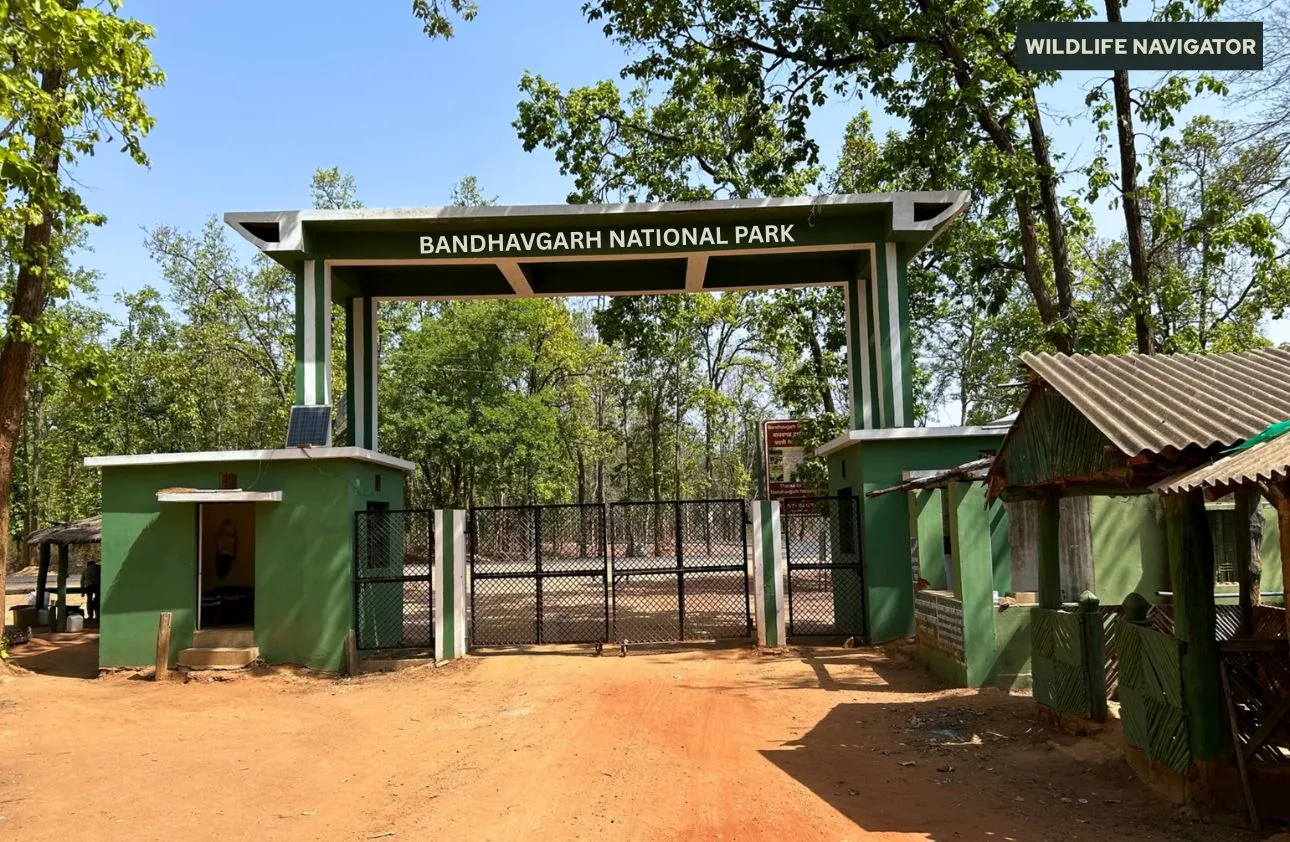
Bandhavgarh National Park is one of India’s most iconic wildlife destinations, known across the world for its extraordinary tiger population and stunning natural beauty. Spread over dense Sal forests, grassy meadows, and hilly terrains, this park is often hailed as the place with the highest density of tigers in India. For wildlife enthusiasts and photographers, Bandhavgarh offers an unmatched chance of spotting the majestic Royal Bengal Tiger in its natural habitat.
But Bandhavgarh is not just about tigers—it is a treasure trove of biodiversity, home to leopards, sloth bears, wild dogs, and over 250 species of birds. The park also carries a fascinating blend of history and mythology, with ancient caves, inscriptions, and the legendary Bandhavgarh Fort, which links the reserve to the stories of Lord Rama and his brother Lakshmana.
Declared a Tiger Reserve under Project Tiger, Bandhavgarh has played a vital role in the conservation of India’s big cats. Its mix of rich wildlife, cultural heritage, and thrilling safaris makes it one of the most sought-after national parks in the country. Whether you are a passionate wildlife traveller, a nature lover, or someone looking for an offbeat yet adventurous holiday, Bandhavgarh promises an experience you will never forget.
History, Geography & Landscape of Bandhavgarh National Park
Bandhavgarh is a place where history, mythology, and nature converge beautifully. The name itself comes from the legendary Bandhavgarh Fort, which translates to “the fort of the brother.” According to ancient texts, it is believed that Lord Rama, after his victory over Ravana, gifted this fort to his younger brother Lakshmana—hence the name Bandhavgarh. The fort still stands within the park boundaries, rising high on a hilltop, with age-old caves, inscriptions, and sculptures scattered around its slopes, silently narrating tales of its glorious past.
For centuries, Bandhavgarh remained under the rule of the Rewa dynasty. During the royal era, this forest was used as the private hunting ground of the Maharajas of Rewa. White tigers, which are now globally famous, were first discovered in these very forests—the most notable being Mohan, the celebrated white tiger captured in the 1950s. This legacy has permanently tied Bandhavgarh to the history of India’s tiger population. Over time, recognising the ecological importance of the area, it was declared a national park in 1968 and later included under Project Tiger in 1993 to strengthen tiger conservation.
Geographically, Bandhavgarh lies in the Umaria district of Madhya Pradesh and covers an area of about 1,536 sq. km, including the core and buffer zones. The core zone spans 716 sq. km, forming the heart of tiger territory, while the buffer zone ensures sustainable coexistence with nearby villages. The park’s terrain is a mix of steep ridges, rolling meadows, valleys, and dense Sal and bamboo forests that provide the perfect cover for wildlife.
The Bandhavgarh hill, crowned by the fort, dominates the landscape, surrounded by 32 hills, creating a dramatic setting for the forest. Rivers like the Johila and Son, along with several perennial streams, nourish the park, ensuring year-round greenery. During safaris, travellers are greeted with sweeping grasslands and thick woodlands, offering both breathtaking scenery and excellent wildlife-viewing opportunities.
Bandhavgarh Tiger Reserve
Declared a Tiger Reserve under Project Tiger in 1993, Bandhavgarh Tiger Reserve is globally recognised for its exceptionally high tiger density, making it one of the best places in India to spot these majestic predators in the wild. The reserve is carefully divided into the core area and buffer area. The core zone, covering about 716 sq. km, is strictly protected for wildlife conservation and offers the prime territory for tigers, leopards, and their prey. The buffer zone, spanning 820 sq. km, surrounds the core and allows regulated human activities like tourism and sustainable forestry, creating a balance between wildlife protection and local livelihoods.
Bandhavgarh’s tiger population is supported by a rich prey base that includes sambar, chital, wild boar, gaur, and langurs. This abundance of food, along with dense forests and natural water sources, has contributed to the remarkable success of tiger conservation in the reserve. Many tiger enthusiasts and wildlife photographers travel to Bandhavgarh specifically to witness tiger sightings, and the park has produced several famous tigers like “Bamera,” “Baghinia,” and “Spotty.”
Beyond tigers, the reserve is home to other predators such as leopards, jungle cats, hyenas, and wild dogs, making it a hub for observing predator-prey dynamics in a natural setting. Birdwatchers also find Bandhavgarh a paradise, with over 250 species of birds, including peafowls, vultures, and hornbills.
The reserve’s well-planned safari zones, such as Tala, Magadhi, and Khitauli, provide visitors with the best chance of spotting tigers and other wildlife while ensuring minimal disturbance to their natural behaviour. With a blend of successful conservation efforts, scenic landscapes, and abundant wildlife, Bandhavgarh Tiger Reserve stands as a shining example of India’s commitment to protecting its national animal.
Wildlife in Bandhavgarh
Bandhavgarh National Park and Tiger Reserve is not only famous for its tigers but also for its incredible biodiversity, making it one of India’s richest wildlife destinations. The park’s diverse habitats—ranging from dense Sal forests and grassy meadows to hills and streams—support a wide variety of species.
Big Cats
- Royal Bengal Tigers: Bandhavgarh is known for having the highest tiger density in India, making tiger sightings more frequent than in most other reserves.
- Leopards: Elusive and graceful, leopards can often be spotted near rocky hills or forest edges.
- Jungle Cats: Smaller felines like jungle cats add to the park’s feline diversity.
Mammals
- Sambar Deer: The primary prey for tigers, these deer are commonly seen grazing in grasslands.
- Chital (Spotted Deer): Agile and abundant, forming large herds.
- Gaur (Indian Bison): The largest herbivore in the park, often seen in forests.
- Sloth Bear: Nocturnal and shy, these bears feed mainly on termites and honey.
- Wild Dogs (Dholes): Social and highly cooperative hunters.
- Jackals and Civets: Add to the park’s predatory diversity.
Birds
- Peafowl: Commonly seen across grasslands.
- Vultures: Critical scavengers helping maintain ecological balance.
- Hornbills: Often spotted in tall Sal trees.
- Malabar Pied Hornbill (Anthracoceros coronatus)
- Indian Grey Hornbill (Ocyceros birostris)
- Kingfishers, Eagles, and Migratory Birds: The park hosts more than 250 bird species, attracting birdwatchers year-round.
Reptiles & Amphibians
- Pythons and Cobras: Large snakes that inhabit forests and riverbanks.
- Monitor Lizards: Often seen basking in the sun.
- Marsh Frogs and Turtles: Found near streams and water bodies within the park.
The combination of predators, herbivores, and avian species ensures a thriving ecosystem where each species plays a crucial role. Whether you are a wildlife photographer, naturalist, or a first-time visitor, Bandhavgarh’s rich fauna makes every safari an unforgettable experience.
Safari in Bandhavgarh: Types, Timings & Entry Fees
A safari in Bandhavgarh is the ultimate way to explore the park’s stunning landscapes and encounter its rich wildlife. The reserve offers multiple safari options, each providing a unique experience.
Types of Safaris
- Jeep Safari
- The most popular option for visitors, offering mobility and access to deeper zones.
- Typically accommodates 6–8 passengers per jeep.
- Best for spotting tigers, leopards, and herbivores up close.
- Safari zones include Tala, Magadhi, Khitauli, and Panpatha, each offering different wildlife experiences.
- Canter Safari
- Larger open vehicles designed for 20–25 passengers.
- Ideal for groups, school trips, and first-time wildlife enthusiasts.
- Provides elevated seating for better wildlife visibility.
- Elephant Safari
- Limited availability, usually in Tala Zone.
- Offers a unique, elevated perspective for spotting animals.
- Only recommended in winter months for comfort.
Safari Timings
Bandhavgarh safaris are organised in morning and evening slots, each lasting approximately 3–4 hours:
- Morning Safari: 6:00 AM – 9:00 AM (timings may vary by season)
- Evening Safari: 2:00 PM – 5:00 PM
Tip: Early morning safaris are best for tiger sightings, while evening safaris provide excellent lighting for photography.
Seasonal Variations:
- Summer (March–June): Safaris start earlier due to higher temperatures.
- Winter (Nov–Feb): Slightly delayed morning safaris for comfort.
Entry Fees & Charges
The fees for Bandhavgarh safaris vary based on the type of safari and visitor category:
| Safari Type | Indian Citizen | Foreign Tourist | Vehicle/Guide Charges |
|---|---|---|---|
| Jeep Safari | ₹2,500–3,000 | ₹2,800–3,500 | ₹400 per jeep, ₹400 per guide |
| Canter Safari | ₹1,200–1,500 | ₹1,500–2,000 | Included in safari ticket |
| Elephant Safari | ₹2,000–2,500 | ₹2,500–3,000 | Limited availability |
Fees are subject to updates by the Forest Department, so it is advisable to book safaris online in advance through the official Bandhavgarh website.
Bandhavgarh safaris combine thrilling wildlife encounters with scenic views, offering visitors a once-in-a-lifetime opportunity to observe tigers and other wildlife in their natural habitat while following eco-friendly guidelines.
Best Time to Visit Bandhavgarh
Choosing the right time to visit Bandhavgarh National Park can significantly enhance your wildlife experience. The park is open to visitors for most of the year, but the best months depend on weather conditions and wildlife activity.
October to June – Open Season
- Bandhavgarh is open for safaris from October to June, covering both winter and summer months.
- During this period, the park is accessible, and safaris operate daily in designated zones.
Peak Tiger Sightings – March to May
- The summer months are ideal for spotting tigers and other wildlife.
- As water sources shrink, animals congregate near ponds and rivers, increasing the chances of sightings.
- Morning safaris are especially productive for wildlife photography due to the golden light and active animals.
Winter – November to February
- Winters bring pleasant temperatures, making safari rides comfortable.
- The mornings are cold, but clear skies and dry landscapes enhance visibility for wildlife spotting.
- Grasslands are less dense, providing better opportunities to observe herbivores and big cats.
Monsoon – July to September
- The park remains closed during the monsoon for safety reasons and wildlife conservation.
- Heavy rains make roads and safari zones inaccessible, and animals retreat to dense forests.
Tip: For the ultimate wildlife experience, plan your visit in late March to early May for tiger sightings, or November to February for a comfortable safari with scenic landscapes.
Bandhavgarh’s seasonal variations ensure that every visit is unique, whether you are aiming for thrilling tiger encounters, vibrant birdwatching, or exploring the lush green terrain after the rains.
How to Reach Bandhavgarh
Bandhavgarh National Park is well-connected by air, rail, and road, making it accessible for travellers from all over India and abroad. Here’s a detailed guide to reaching this iconic tiger reserve:
By Air
- The nearest airports are:
- Jabalpur Airport (JBP) – approximately 160 km from the park.
- Khajuraho Airport (HJR) – around 200 km away.
- Both airports have regular domestic flights from major cities like Delhi, Mumbai, and Bhopal.
- From the airport, travellers can hire taxis or pre-book vehicles to reach Bandhavgarh.
By Rail
- The closest railway stations are:
- Umaria Railway Station – about 12 km from the park, ideal for early morning safari access.
- Katni Railway Junction – around 110 km, well-connected to major cities like Delhi, Mumbai, and Kolkata.
- Trains are a convenient option for budget travellers and those who enjoy scenic train journeys through Madhya Pradesh.
By Road
- Bandhavgarh is well-connected by roads from nearby cities:
- From Jabalpur: ~160 km via NH39 and SH5.
- From Khajuraho: ~200 km via SH22 and NH39.
- From Satna: ~150 km via NH44.
- Regular taxi services and private cabs are available. Roads are generally in good condition, making self-drive trips possible.
Travel Tips
- It is advisable to arrive a day before your safari to avoid early morning delays.
- Renting a private vehicle or booking a cab in advance is recommended, as public transport options to the park are limited.
Accommodation in Bandhavgarh
Staying close to Bandhavgarh National Park enhances the wildlife experience, as you can enjoy early morning safaris and soak in the park’s natural ambience. The park offers a variety of accommodation options, ranging from luxury resorts to forest rest houses, catering to different budgets and preferences.
Forest Rest Houses
- Managed by the Madhya Pradesh Forest Department, these are ideal for travellers seeking a genuine jungle experience.
- Located near core zones, they offer easy access to safari starting points.
- Amenities are basic but comfortable, with clean rooms, attached bathrooms, and guided safari booking facilities.
- Advance booking through the official forest department website is recommended.
Luxury Resorts
- Several private resorts are located near park entrances, offering high-end amenities such as swimming pools, spas, and fine dining.
- Popular choices include Tala, Magadhi, and Khitauli zone resorts, providing proximity to safari zones.
- Many resorts organise guided nature walks, cultural activities, and photography tours for guests.
Budget Lodges & Eco-Friendly Stays
- For travellers on a budget, lodges and eco-cottages near the park provide affordable yet comfortable accommodations.
- Many eco-lodges focus on sustainable tourism, with solar power, rainwater harvesting, and locally sourced food.
- These stays often include guided safaris and are ideal for family trips or solo travellers.
Tips for Choosing Accommodation
- Book early during peak season (October–June) to secure a spot near preferred safari zones.
- Staying in the Tala zone offers the highest chance of tiger sightings.
- Check whether safaris are included in the stay package, as this can save both time and money.
Attractions Around Bandhavgarh
While Bandhavgarh is primarily famous for its wildlife, the area is also rich in history, culture, and natural beauty, offering visitors plenty of attractions beyond safaris.
Bandhavgarh Fort
- The iconic Bandhavgarh Fort, perched atop a hill, is one of the oldest forts in India, dating back over 2,000 years.
- The fort is steeped in mythological significance, believed to have been gifted by Lord Rama to his brother Lakshmana.
- Visitors can explore ancient caves, inscriptions, and stone sculptures, while enjoying panoramic views of the surrounding forest and wildlife.
- Guided tours are available to understand the historical and architectural importance of the fort.
Shesh Shaiya (Vishnu Statue)
- Located within the park, Shesh Shaiya is a large reclining statue of Lord Vishnu on the serpent Adisesha.
- It reflects the region’s mythological heritage and offers a tranquil spot for visitors interested in cultural history.
Village & Cultural Tours
- Several local villages around Bandhavgarh National Park allow travellers to experience Madhya Pradesh’s tribal culture.
- Visitors can witness handicrafts, traditional dances, and local cuisine, providing a unique insight into rural life.
- Some eco-lodges organise village walks as part of their tourism packages.
Nearby Wildlife Reserves
- Bandhavgarh’s central location makes it a gateway to other famous reserves:
- Kanha National Park – around 200 km, famous for tigers and swamp deer.
- Pench National Park – around 180 km, offering rich biodiversity and tiger sightings.
- Sanjay Dubri Tiger Reserve – located nearby, ideal for extended wildlife trips.
Scenic Landscapes
- Beyond wildlife, Bandhavgarh National Park offers rolling grasslands, dense Sal forests, and meandering rivers, perfect for photography and nature walks.
- Sunrise and sunset views from the hills are particularly breathtaking, providing excellent opportunities for nature photography.
Travel Tips for Bandhavgarh National Park
Visiting Bandhavgarh National Park can be an unforgettable experience if you plan carefully. Here are some practical tips to make the most of your trip while ensuring safety and responsible wildlife tourism:
Book Safaris in Advance
- Safaris are limited and highly popular, especially in Tala and Magadhi zones.
- Book your jeep, canter, or elephant safari online through the official forest department portal or via your resort to avoid last-minute hassles.
Dress Appropriately
- Wear light-colored clothing (beige, khaki, or green) to blend with the surroundings and avoid disturbing wildlife.
- Carry a hat, sunglasses, and sunscreen for sun protection during safaris.
- Comfortable shoes are recommended for walking and trekking near the fort or village areas.
Carry Essential Gear
- Binoculars and cameras are must-haves for wildlife photography.
- Bring water bottles, snacks, and insect repellent for longer safaris.
- A small backpack is ideal for carrying essentials without burdening yourself.
Follow Park Rules
- Do not feed animals or litter in the park.
- Maintain silence during safaris to avoid disturbing wildlife.
- Stick to designated trails and safari routes.
Timing Matters
- Morning safaris offer the best chances of spotting tigers and other predators.
- Evening safaris provide excellent lighting for photography and chances to see grazing herbivores.
Respect Local Culture
- Interact politely with local villagers if visiting surrounding villages.
- Avoid taking photographs of people without permission.
- Support local handicrafts and eco-tourism initiatives.
Safety Tips
- Always follow the instructions of safari guides.
- Keep a safe distance from wildlife; never attempt to touch or provoke animals.
- Carry a basic first-aid kit for minor injuries or emergencies.
Conclusion
Bandhavgarh National Park and Tiger Reserve is much more than a wildlife destination—it is a perfect blend of nature, history, and adventure. From the dense Sal forests and rolling grasslands to the majestic Bandhavgarh Fort and mythological sites like Shesh Shaiya, the park offers a complete travel experience for wildlife enthusiasts, photographers, and cultural explorers alike.
The park’s successful tiger conservation efforts have made it a global hotspot for big cat sightings, while its rich biodiversity ensures that visitors encounter a variety of animals, birds, and reptiles. Well-managed safari options, comfortable accommodations, and easy accessibility make Bandhavgarh a convenient yet thrilling destination.
Whether you are planning your first safari or are a seasoned wildlife traveller, Bandhavgarh promises unforgettable encounters, stunning landscapes, and a deep connection with India’s natural heritage. Remember to travel responsibly, respect wildlife, and savour every moment of this extraordinary reserve.