Zoo Basel aka Basel Zoo – Switzerland’s Oldest and Most Iconic Zoo

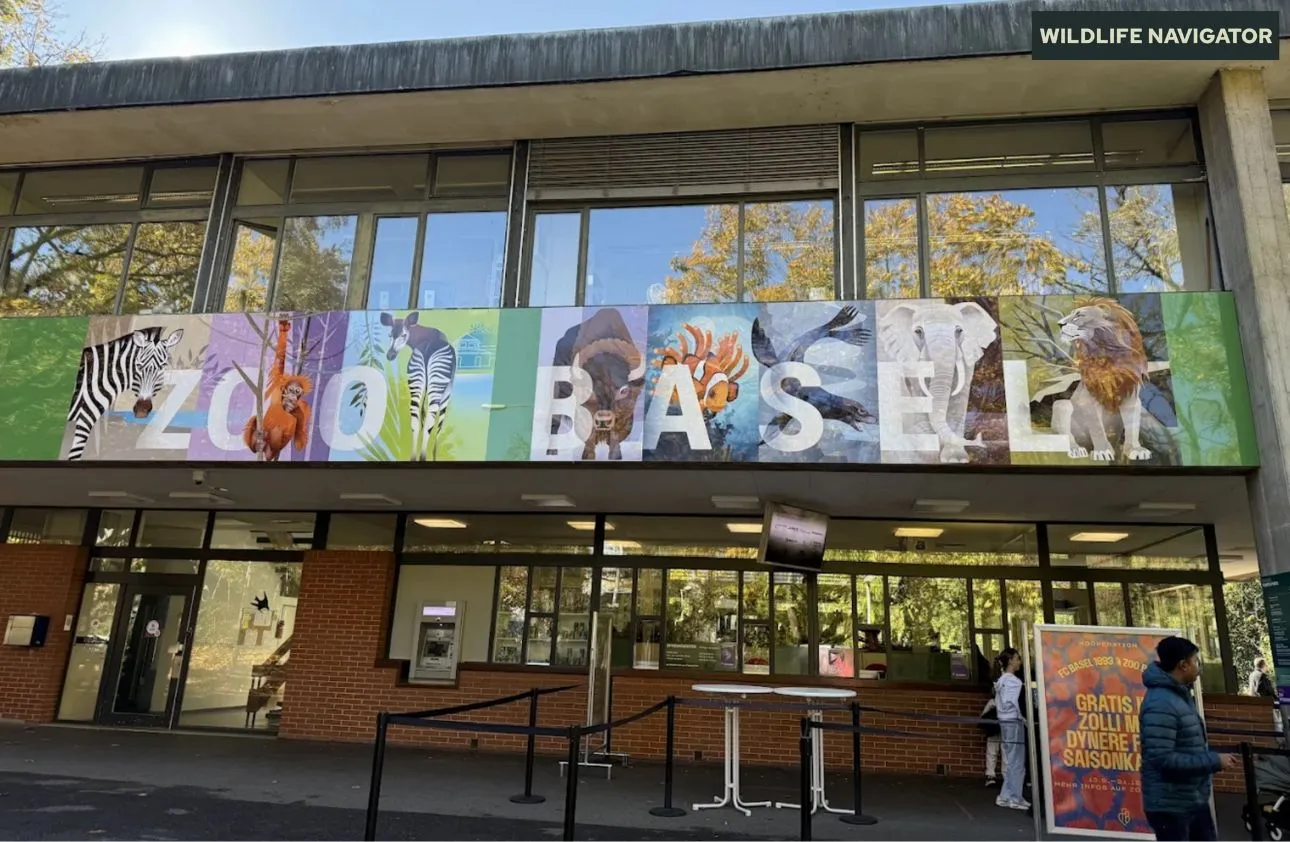
Zoo Basel, affectionately known as “Zolli” by locals, is Switzerland’s oldest and one of its most respected zoological institutions. Located in the heart of Basel, this historic zoo is a major attraction for wildlife enthusiasts, families, and tourists alike. More than just a place to observe animals, Zoo Basel plays a vital role in wildlife conservation, scientific research, and environmental education, making it a cornerstone of Switzerland’s natural heritage.
Established in 1874, Zoo Basel was founded with the vision of bringing people closer to wildlife while promoting respect for the natural world. Over the decades, the zoo has evolved significantly, transforming from a traditional menagerie into a modern, conservation-oriented zoo. Continuous redevelopment has focused on creating spacious, naturalistic enclosures that reflect animals’ native habitats and support their physical and behavioural needs.
Zoo Basel has also earned international recognition for its success in breeding endangered species and its active participation in European conservation programmes. The zoo works closely with global partners to support species survival both in captivity and in the wild. Today, Zoo Basel stands as a symbol of how historic zoos can adapt to modern conservation standards while remaining deeply connected to the local community. Its blend of heritage, science, and sustainability makes Zoo Basel a must-visit destination for anyone interested in wildlife and conservation in Switzerland.
Zoo Basel Layout and Sections
Zoo Basel is thoughtfully designed to balance animal welfare with an engaging visitor experience. Located in the heart of Basel, the zoo features wide, well-maintained pathways, shaded resting areas, and clear signage that makes navigation easy for visitors of all ages. The layout combines historic elements with modern, naturalistic enclosures that reflect the zoo’s strong commitment to conservation, education, and ethical animal care.
The zoo is divided into several key sections, each representing distinct habitats and animal groups:
- Elephant Park – A spacious and modern complex with indoor and outdoor areas that encourage natural elephant behaviour.
- Africa Enclosures – Home to giraffes, zebras, antelope, and other African species in open, savanna-style habitats.
- Vivarium – A climate-controlled house featuring reptiles, amphibians, fish, and invertebrates from around the world.
- Bird House and Aviaries – Showcasing native and exotic bird species in walk-through and enclosed aviaries.
- Predator and Big Cat Areas – Naturalistic enclosures for lions and other carnivores with elevated viewing points.
- European Wildlife Section – Highlighting native species and regional biodiversity.
Natural landscaping elements such as water bodies, rocks, and vegetation are integrated throughout the zoo to mimic real ecosystems. This immersive layout enhances animal well-being while helping visitors understand the importance of habitat conservation and ecological balance.
Mammals at Zoo Basel
Zoo Basel is home to a diverse and carefully managed collection of mammals, representing ecosystems from across the globe. The zoo places strong emphasis on providing spacious, naturalistic enclosures that encourage animals to express natural behaviours while supporting breeding and conservation goals. Many of the mammal species housed here are part of international conservation and breeding programmes, highlighting Zoo Basel’s role in protecting threatened wildlife.
Some of the most notable mammals at Zoo Basel include:
- Asian Elephants – One of the zoo’s flagship species, housed in the modern Elephant Park designed for social interaction and movement.
- African Lions – Majestic predators displayed in well-structured habitats with elevated viewpoints.
- Giraffes – Popular residents of the Africa-themed area, living in open enclosures that mirror savanna landscapes.
- Rhinoceroses – Large herbivores maintained under specialised care and conservation-focused management.
- Primates – Including gorillas, orangutans, and various monkey species, housed in complex environments that stimulate natural behaviours.
- Hoofed Mammals – Zebras, antelopes, and other grazing species that form mixed-species exhibits.
- Small Mammals – Red pandas, otters, and rodents that highlight biodiversity beyond large charismatic species.
Through these exhibits, Zoo Basel educates visitors about habitat loss, species decline, and the importance of global conservation efforts. The mammal section remains one of the zoo’s biggest attractions, offering close yet responsible encounters with some of the world’s most fascinating animals.
Birds and Aviaries at Zoo Basel
Zoo Basel hosts a rich and diverse collection of bird species, reflecting habitats from Europe, Africa, Asia, and tropical regions. The zoo’s bird exhibits are designed to closely resemble natural environments, allowing birds to fly, forage, and nest in settings that support their natural behaviours. Spacious aviaries, well-planned landscaping, and climate-controlled indoor houses make this section both educational and visually engaging for visitors.
The Bird House and outdoor aviaries feature a mix of native and exotic species, many of which are part of European breeding and conservation programmes. Walk-through aviaries offer immersive viewing experiences, while interpretive signage provides insights into bird ecology, migration, and conservation challenges.
Notable bird species at Zoo Basel include:
- Flamingos – Iconic residents often seen in large social groups near water features.
- Penguins – Adapted to colder climates and housed in specialised aquatic enclosures.
- Parrots and Macaws – Colourful, intelligent birds representing tropical forest ecosystems.
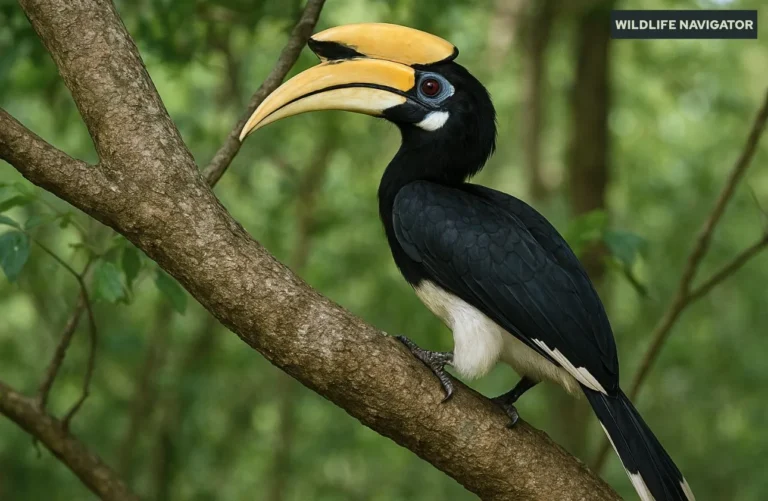
- Hornbills – Striking forest birds known for their unique bills and breeding behaviour.
- Owls – Nocturnal birds of prey displayed in quiet, shaded enclosures.
- Eagles and Vultures – Powerful raptors that highlight the importance of scavengers and predators in ecosystems.
- European Waterfowl – Ducks, geese, and swans representing regional wetland species.
Zoo Basel’s bird section plays an important role in avian conservation, public education, and research. By showcasing birds from different continents, the zoo helps visitors understand the importance of protecting habitats and maintaining healthy ecosystems worldwide.
Reptiles, Amphibians, and Aquatic Life
Zoo Basel’s Vivarium is a fascinating and educational space dedicated to reptiles, amphibians, fish, and invertebrates from diverse ecosystems around the world. This climate-controlled facility is designed to replicate tropical rainforests, deserts, wetlands, and freshwater environments, allowing species with specialised needs to thrive. The exhibits emphasise biodiversity, adaptation, and the often-overlooked importance of cold-blooded and aquatic animals in maintaining healthy ecosystems.
The Vivarium also plays an important role in conservation and awareness, particularly for amphibians, which are among the most threatened animal groups globally due to habitat loss, pollution, and disease.
Notable species found in this section include:
- Reptiles
- Green iguanas
- Giant tortoises
- Chameleons
- Pythons and boas
- Monitor lizards
- Amphibians
- Poison dart frogs
- Tree frogs
- Fire salamanders
- Axolotls
- Aquatic Life
- Freshwater and tropical fish species
- Piranhas
- Cichlids
- Native European fish
- Invertebrates
- Leaf-cutter ants
- Stick insects
- Giant cockroaches
Through immersive displays and clear educational signage, Zoo Basel helps visitors appreciate the ecological roles of these species—from pest control to nutrient cycling—while reinforcing the urgent need to protect fragile aquatic and amphibian habitats worldwide.
Wildlife Conservation and Breeding Programmes
Zoo Basel is internationally recognised for its strong commitment to wildlife conservation and species survival. The zoo actively participates in European Endangered Species Programmes (EEP) and other international breeding initiatives aimed at maintaining healthy, genetically diverse populations of threatened animals.
Over the years, Zoo Basel has achieved notable breeding successes with species such as elephants, primates, and rare birds, contributing valuable knowledge to global conservation efforts. Beyond the zoo’s boundaries, it supports field conservation projects that protect natural habitats and wildlife in their native ranges.
Education and Public Awareness
Education is a central pillar of Zoo Basel’s mission. The zoo offers a wide range of educational programmes designed for children, students, families, and adults.
Interactive exhibits, guided tours, and animal talks help visitors understand animal behaviour, conservation challenges, and the impact of human activity on wildlife. Special workshops and school programmes align with environmental education goals, encouraging responsible attitudes toward nature from a young age.
Scientific Research and Collaboration
Zoo Basel also plays an active role in scientific research, collaborating with universities, conservation organisations, and international zoological institutions. Research focuses on animal health, behaviour, breeding biology, and habitat management.
The findings contribute not only to improved animal welfare within the zoo but also to conservation strategies in the wild. Together, conservation, education, and research make Zoo Basel a leading institution dedicated to protecting biodiversity for future generations.
Best Time to Visit Zoo Basel
Zoo Basel can be visited year-round, but the experience varies with the seasons. Spring and summer are ideal for observing animals outdoors, as many species are more active and enclosures are fully accessible. Autumn offers pleasant weather and fewer crowds, making it a great time for relaxed exploration. During winter, indoor exhibits such as the Vivarium and Bird House remain open, providing a quieter yet rewarding visit.
- Best seasons: Spring and summer
- Best time of day: Morning hours
- Crowd levels: Lower on weekdays
How to Reach Zoo Basel
Zoo Basel is centrally located and easily accessible using public and private transport.
- By Public Transport – Trams and buses stop near the zoo entrance
- By Car – Paid parking available nearby
- By Train – Basel SBB railway station is within walking distance
- On Foot or Bicycle – Safe pedestrian routes and bicycle stands are provided
With convenient access, clear visitor information, and year-round attractions, Zoo Basel remains one of Switzerland’s most accessible and rewarding wildlife destinations.
Visitor Information
Planning ahead helps make your visit to Zoo Basel smooth and enjoyable. The zoo is family-friendly and well-organised, with clear guidelines to ensure animal welfare and visitor safety.
- Opening Hours – Open daily, including weekends and public holidays
- Tickets – Adult, child, student, and family tickets available
- Discounts – Reduced entry for children, groups, and members
- Facilities – Restrooms, cafés, gift shops, and picnic areas
- Rules – Feeding animals and crossing barriers is strictly prohibited
- Official Site – https://www.zoobasel.ch/en/
Facilities at Zoo Basel
To enhance the overall experience, Zoo Basel provides a range of facilities and visitor services, including:
- Animal Feeding Sessions and Talks – Scheduled presentations by keepers that offer insights into animal behaviour, care routines, and conservation efforts.
- Family-Friendly Amenities – Play areas, stroller-friendly paths, and rest zones suitable for visitors with children.
- Dining Options – Restaurants, cafés, and snack kiosks offering a variety of meals and refreshments.
- Picnic Areas – Designated outdoor spaces for visitors who prefer to bring their own food.
- Gift and Souvenir Shops – Offering wildlife-themed merchandise, books, and educational items.
- Accessibility Services – Wheelchair-accessible paths, restrooms, and seating areas to ensure inclusivity.
- Rest Facilities – Clean restrooms and drinking water points located across the zoo.
Interactive exhibits and viewing platforms allow visitors to observe animals responsibly while learning about conservation challenges. Combined with high-quality facilities and attentive visitor services, Zoo Basel ensures a comfortable, educational, and memorable wildlife experience for all ages.
Nearby Attractions in Basel
A visit to Zoo Basel can be easily combined with exploring the cultural and natural highlights of the city. Basel offers a variety of attractions within close proximity, making it ideal for a full-day or weekend itinerary.
- Rhine River Promenade – Scenic walking paths along the Rhine, perfect for relaxing strolls and photography.
- Basel Minster (Basler Münster) – A historic Gothic cathedral offering panoramic city views from its towers.
- Tinguely Museum – Showcasing kinetic art and interactive installations by artist Jean Tinguely.
- Museum of Natural History Basel – An excellent stop for learning more about wildlife, fossils, and biodiversity.
- Old Town (Altstadt) – Charming streets, medieval architecture, and local cafés reflecting Basel’s heritage.
- Botanical Garden of the University of Basel – Home to diverse plant species from around the world.
These nearby attractions complement a Zoo Basel visit, offering a balanced mix of wildlife, culture, and history.
Conclusion
Zoo Basel stands as one of Switzerland’s most important wildlife institutions, combining rich history with modern conservation values. From its thoughtfully designed habitats and diverse animal collections to its strong focus on education, research, and species protection, the zoo offers far more than a traditional sightseeing experience.
Visitors gain meaningful insights into global biodiversity while enjoying a well-organised and family-friendly environment. Whether you are a wildlife enthusiast, a travelling family, or a first-time visitor to Basel, Zoo Basel delivers an engaging, educational, and memorable encounter with the natural world—making it a must-visit destination in Switzerland for responsible wildlife tourism.