Discover Valley of Flowers National Park – A Himalayan Floral Wonderland

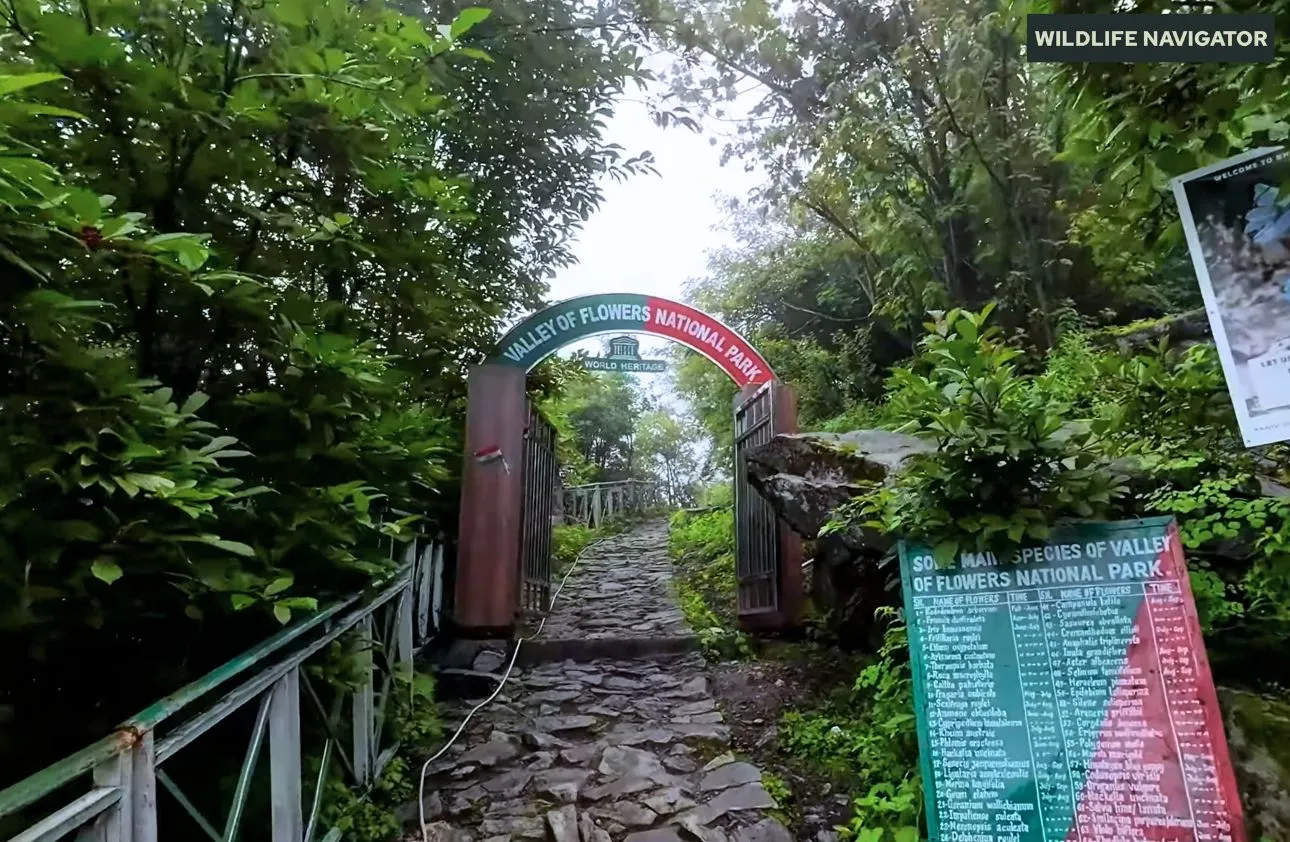
Valley of Flowers National Park is one of India’s most spectacular natural wonders, celebrated for its breathtaking landscapes and extraordinary biodiversity. Recognised as a UNESCO World Heritage site in 2005, this alpine meadow in Uttarakhand bursts into a riot of colours every summer, attracting nature enthusiasts, photographers, and trekkers from across the globe.
Beyond its visual splendour, the park is a sanctuary for rare and endangered species, both flora and fauna, making it a vital part of the Himalayan ecosystem. With rolling meadows, vibrant wildflowers, and pristine rivers winding through the valley, visiting the park offers a unique opportunity to witness nature at its most vibrant and unspoiled.
Whether you are an avid botanist, a wildlife lover, or simply seeking a tranquil escape, the Valley of Flowers promises an unforgettable journey into the heart of the Himalayas.
History & Recognition
Valley of Flowers National Park has a rich history that intertwines exploration, discovery, and conservation. Although local communities knew about this vibrant meadow for centuries, it was officially brought to the world’s attention by British mountaineer Frank S. Smythe in 1931 during one of his Himalayan expeditions. He described it as “a garden that stretches as far as the eye can see, filled with flowers in every colour imaginable,” capturing the imagination of nature lovers worldwide.
In 1982, the park was declared a National Park to protect its unique biodiversity. Recognising its global ecological significance, UNESCO added the Valley of Flowers to its World Heritage list in 2005, alongside the neighbouring Nanda Devi National Park. This recognition not only underscores its natural beauty but also highlights its importance as a habitat for rare and endangered species, such as the Asiatic black bear, snow leopard, and several Himalayan birds.
The Valley of Flowers is more than just a visual spectacle; it is a living laboratory for botanists and ecologists, showcasing the resilience and diversity of alpine flora. Its historical recognition and ongoing conservation efforts ensure that this pristine wilderness remains protected for generations of visitors and scientists alike.
Location & How to Reach
Valley of Flowers National Park is located in the Chamoli district of Uttarakhand, forming part of the majestic Western Himalayas. The park spans an area of approximately 87 square kilometres, with elevations ranging from 3,300 to 3,600 meters. Its high-altitude meadows, surrounded by snow-capped peaks and glacial streams, make it one of the most picturesque natural destinations in India.
Nearest Towns & Base Camps
- Ghangaria: The primary base for trekkers, located about 13 km from the park entrance. Offers accommodation and basic amenities.
- Govindghat: Located around 25 km from Ghangaria, it serves as the main starting point for the trek to the park.
- Joshimath: Around 95 km from Govindghat, Joshimath is well-connected and acts as a hub for travellers coming from other parts of Uttarakhand.
How to Reach
- By Air: The nearest airport is Jolly Grant Airport in Dehradun, approximately 400 km from Govindghat. From the airport, travellers can hire taxis or take buses to reach Govindghat.
- By Train: The closest railway stations are Rishikesh (344 km) and Haridwar (370 km). From either station, buses or taxis are available to reach Govindghat.
- By Road: Govindghat is well-connected by road with regular buses and taxis from major towns like Rishikesh, Dehradun, and Joshimath. Roads are scenic but winding, so travellers should plan extra time for travel.
Trekking Route
From Govindghat, a trek of approximately 13 km leads to Ghangaria, which takes around 5–7 hours depending on pace. From Ghangaria, the Valley of Flowers is another 3 km trek, passing through lush meadows, rivers, and small waterfalls.
Best Time to Visit
Timing your visit to the Valley of Flowers is crucial to fully experience its vibrant landscapes and pristine beauty. The park’s high-altitude climate means that accessibility and flowering seasons vary throughout the year.
Peak Bloom Season (July – August)
- This is the most popular period to visit, as the alpine meadows are carpeted with a spectacular array of wildflowers.
- Flowers like Brahma Kamal, Blue Poppy, Marsh Marigold, and countless others are in full bloom, creating a colourful paradise.
- The weather is relatively mild, with temperatures ranging from 5°C to 15°C, making trekking comfortable.
Shoulder Season (June & September)
- Early June may have lingering snow, but the first flowers start appearing, offering a quieter experience with fewer crowds.
- September brings the tail end of the bloom, with the valley gradually turning golden as the monsoon recedes.
Weather Conditions
- Monsoon (July – August): Brings lush greenery and blooming flowers but occasional rain may make trails slippery.
- Winter (October – May): The park remains closed due to heavy snowfall, making trekking impossible.
Photography & Nature Tips
- Morning light is ideal for capturing the flowers and mist-covered peaks.
- Use waterproof gear for both yourself and your camera during the monsoon.
- Early morning or late afternoon hikes offer the best chance to spot wildlife.
Visiting during the right time ensures you witness the Valley of Flowers in all its glory, with vibrant blooms, clear streams, and panoramic Himalayan views.
Flora and Fauna
The Valley of Flowers National Park is a biodiversity hotspot, home to a remarkable variety of plant and animal species. Its unique alpine ecosystem, shaped by altitude, climate, and soil, supports endemic and rare species that thrive in the cool Himalayan environment. The park is a paradise for botanists, wildlife enthusiasts, and photographers alike.
Flora
The park is renowned for its vibrant alpine meadows, where flowers bloom in a riot of colours from July to September. Some notable species include:
- Brahma Kamal (Saussurea obvallata): Sacred and rare, blooms at high altitudes.
- Blue Poppy (Meconopsis grandis): A striking blue flower found in the higher reaches.
- Marsh Marigold (Caltha palustris): Bright yellow flowers near streams and wetlands.
- Bistorta affinis (Himalayan Knotweed): Found in clusters across the meadows.
- Rhododendrons: Various species, including red and pink blooms, dot the slopes.
- Primula species (Primroses): Add delicate colors to the valley.
- Potentilla species (Cinquefoil): Found in open meadows.
- Geraniums, Orchids, and Gentians: Various species providing vibrant patches.
The flora diversity of the park includes over 500 species of flowering plants, many of which are endemic to the region. Meadows, alpine pastures, and riverbanks provide microhabitats supporting this rich variety.
Fauna
The Valley of Flowers supports a diverse range of animals adapted to its alpine climate.
Mammals:
- Asiatic Black Bear
- Snow Leopard (rare, elusive)
- Musk Deer
- Himalayan Tahr
- Langurs and other Himalayan monkeys
- Himalayan Serow
Birds:
- Himalayan Monal (state bird of Uttarakhand)
- Red-billed Chough
- Snow Partridge
- Himalayan Griffon Vulture
- Accentors and Finches
- Flycatchers and Warblers (summer migrants)
Reptiles and Amphibians:
- Himalayan Pit Viper (rare sightings)
- Various species of skinks
- Frogs in alpine streams
Insects:
- Numerous butterfly species, including Swallowtails and Whites
- Bees and pollinators are essential for the alpine flowers
Ecological Importance
- The park plays a crucial role in preserving endangered Himalayan species.
- Alpine flowers help prevent soil erosion in high-altitude slopes.
- Rivers originating in the valley sustain downstream ecosystems.
Exploring the Valley of Flowers offers a unique chance to witness rare alpine flora and fauna coexisting in one of the most spectacular and untouched regions of the Himalayas. Each trek through the meadows reveals new blooms and glimpses of wildlife, making every visit an unforgettable experience.
Trekking & Adventure
Trekking is the most popular way to experience the Valley of Flowers. The journey itself is as breathtaking as the destination, with trails winding through rivers, alpine meadows, and dense forests. Both beginner and experienced trekkers can enjoy this adventure with proper preparation.
Trekking Route Overview
- Starting Point: Govindghat (25 km from Joshimath).
- Base Camp: Ghangaria, located 13 km from Govindghat.
- Valley Entry: 3 km trek from Ghangaria to the main valley.
Trek Duration & Difficulty
- Govindghat → Ghangaria: 5–7 hours, moderate difficulty with uphill climbs and occasional river crossings.
- Ghangaria → Valley of Flowers: 3 km, easy to moderate, mostly through meadows and well-marked trails.
- Total trek (round trip including Valley of Flowers and return to Govindghat): 3–4 days recommended for a comfortable pace.
Trekking Highlights
- Alpine Meadows: Vibrant flower carpets in July–August.
- Waterfalls & Streams: Crystal-clear streams and small waterfalls along the trail.
- Wildlife Sightings: Occasional glimpses of musk deer, Himalayan birds, and langurs.
- Scenic Views: Panoramic views of the snow-capped Himalayas.
Essential Trekking Tips
- Fitness: Moderate physical fitness recommended; regular walkers will manage well.
- Gear: Comfortable trekking shoes, warm clothing, raincoat, and trekking poles.
- Hydration & Snacks: Carry sufficient water and energy-rich snacks.
- Acclimatisation: Spend a day at Ghangaria to adjust to the altitude (3,050 meters).
- Guides: Hiring a local guide is optional but enhances safety and experience.
Adventure Beyond the Valley
- Hemkund Sahib Trek: A nearby sacred lake and gurdwara located at 4,329 meters, accessible from Ghangaria.
- Photography & Nature Walks: Ideal for wildlife spotting and macro photography of flowers.
- Birdwatching: Early mornings are best to spot Himalayan Monal, accentors, and flycatchers.
Trekking to the Valley of Flowers is not just a hike; it’s an immersive experience where every step brings a new panorama, a fresh bloom, or a glimpse of wildlife. For adventure seekers and nature enthusiasts, it’s a journey that rewards both the eyes and the soul.
Accommodation & Nearby Stays
While the Valley of Flowers itself does not have lodging inside the park, several accommodation options are available in nearby Ghangaria and surrounding towns. These range from budget guesthouses to eco-lodges, catering to trekkers and nature lovers.
Ghangaria – Base Camp Stays
Ghangaria is the primary base for visitors, situated about 13 km from Govindghat. Staying here allows early access to the Valley of Flowers and Hemkund Sahib.
Types of Accommodation:
- Guesthouses & Homestays: Affordable, basic facilities, often run by local families.
- Eco-Lodges: Focus on sustainable tourism with minimal environmental impact.
- Tents & Campsites: Available during peak season for a closer-to-nature experience.
Facilities:
- Basic meals (mostly Indian vegetarian cuisine)
- Limited Wi-Fi or no connectivity
- Shared bathrooms or basic private facilities
- Hot water available in most lodges
Approximate Price Range (per night):
- Budget Guesthouses: ₹500 – ₹1,500
- Eco-Lodges: ₹1,500 – ₹3,000
- Campsites: ₹1,000 – ₹2,000
Who it’s Best For:
- Trekkers and adventure enthusiasts
- Nature photographers
- Travelers seeking a simple, authentic Himalayan experience
Govindghat – Nearby Stays
For those who prefer staying closer to transport hubs or need a more comfortable option before starting the trek:
Options:
- Guesthouses and small hotels with basic facilities
- Limited restaurants and local markets
Facilities:
- Hot water and bedding
- Basic meals
- Easy access to taxi and bus services
Approximate Price Range (per night): ₹600 – ₹2,000
Tips for Booking
- Reserve accommodation in advance during peak season (July–August).
- Choose Ghangaria if you want to start early treks to the Valley of Flowers.
- Eco-lodges are ideal for sustainable travel experiences.
By staying in Ghangaria or Govindghat, visitors can fully enjoy the Valley of Flowers while supporting local communities and eco-tourism initiatives.
Park Guidelines, Travel & Photography Tips
Visiting the Valley of Flowers requires careful planning to ensure safety, preserve the delicate ecosystem, and make the most of your experience. This section covers essential rules, practical travel tips, and advice for capturing the valley’s beauty.
Entry Fees & Permits
- Entry Fee: ₹100–₹200 per person for Indian visitors; ₹500–₹700 for foreign tourists (approximate).
- Trekking Permits: Required for access to the park and the trek route; can be obtained at Govindghat or online.
- Best Timing for Permits: Peak season (July–August) can be crowded, so secure permits in advance.
Park Rules
- Stay on marked trails to protect fragile flora.
- No littering or plastic inside the park; carry biodegradable or reusable items.
- Avoid disturbing wildlife; maintain a safe distance.
- Camping inside the park is not allowed; use designated campsites in Ghangaria.
- Fires and loud music are prohibited to maintain the valley’s tranquillity.
Safety & Gear Tips
- Wear sturdy trekking shoes suitable for uneven terrain.
- Carry warm clothing; temperatures can drop significantly even in summer.
- A raincoat or poncho is essential during monsoon months.
- Bring a first-aid kit, water, and high-energy snacks.
- Acclimatize in Ghangaria for a day before trekking to higher altitudes.
Photography Tips
- Morning light (sunrise to 10 AM) is ideal for soft lighting and misty landscapes.
- Capture macro shots of flowers like Brahma Kamal, Blue Poppy, and Primulas.
- Golden hour before sunset offers warm light and vibrant valley colours.
- Carry waterproof protection for cameras and phones during rain.
- Respect wildlife and maintain distance while photographing animals.
Practical Travel Tips
- Connectivity: Limited mobile network; plan for offline maps and communication.
- Hydration: Carry adequate water for treks, as natural streams may not be safe to drink untreated.
- Weather Awareness: Check daily weather reports; trails may become slippery during rain.
- Eco-Friendly Travel: Support local guides, homestays, and eco-lodges to contribute to sustainable tourism.
By following these guidelines, visitors can enjoy the Valley of Flowers responsibly, capturing its beauty while preserving it for future generations.
Nearby Attractions
The Valley of Flowers is not only about its colourful meadows; the surrounding region offers several attractions that enhance the trekking and nature experience. From sacred sites to scenic viewpoints, these spots are ideal for day trips or extensions of your trek.
Hemkund Sahib Gurudwara
- Location: About 6 km from Ghangaria, at an altitude of 4,329 meters.
- Significance: A revered Sikh pilgrimage site dedicated to Guru Gobind Singh.
- Trek Details: A steep trek of around 6–7 km from Ghangaria, taking 4–6 hours one way.
- Highlights: Crystal-clear glacial lake, snow-capped peaks, and spiritual ambience.
- Best Time to Visit: June to September (park is closed in winter).
Pushpawati River & Alpine Meadows
- Trekking routes along the Pushpawati River offer serene landscapes, waterfalls, and lush meadows.
- Ideal for nature walks, photography, and birdwatching.
- The meadows along the river are particularly vibrant during the peak bloom season.
Nanda Devi Biosphere Reserve
- Part of the larger Nanda Devi National Park, a UNESCO World Heritage site like the Valley of Flowers.
- Known for endangered wildlife, high-altitude flora, and panoramic Himalayan views.
- Accessible via trekking routes from the valley for experienced hikers.
Other Scenic Viewpoints
- Bhyundar Valley: Entry point to the Valley of Flowers, offering scenic vistas of surrounding peaks.
- Ghangaria Village: A small Himalayan settlement providing cultural insights and local cuisine.
- Nearby Glacial Streams: Perfect spots for photography, nature observation, and short rest breaks during treks.
These nearby attractions make the journey to the Valley of Flowers a complete Himalayan adventure, combining trekking, wildlife spotting, spiritual visits, and breathtaking landscapes.
Conclusion
The Valley of Flowers National Park is a treasure of the Indian Himalayas, offering a rare glimpse into the harmony of alpine flora, wildlife, and rugged mountain landscapes. Its vibrant meadows, colorful wildflowers, and crystal-clear streams create a spectacle that changes with every season, while nearby attractions like Hemkund Sahib add spiritual and cultural depth to the journey.
Visiting the Valley of Flowers is more than just a trek; it is an immersive experience that connects you with nature, challenges you physically, and inspires a sense of wonder. By following park guidelines, respecting local communities, and practicing responsible tourism, travelers can ensure that this pristine ecosystem remains protected for generations to come.