Tongariro National Park – Volcanoes, Hiking, and Māori Heritage in New Zealand

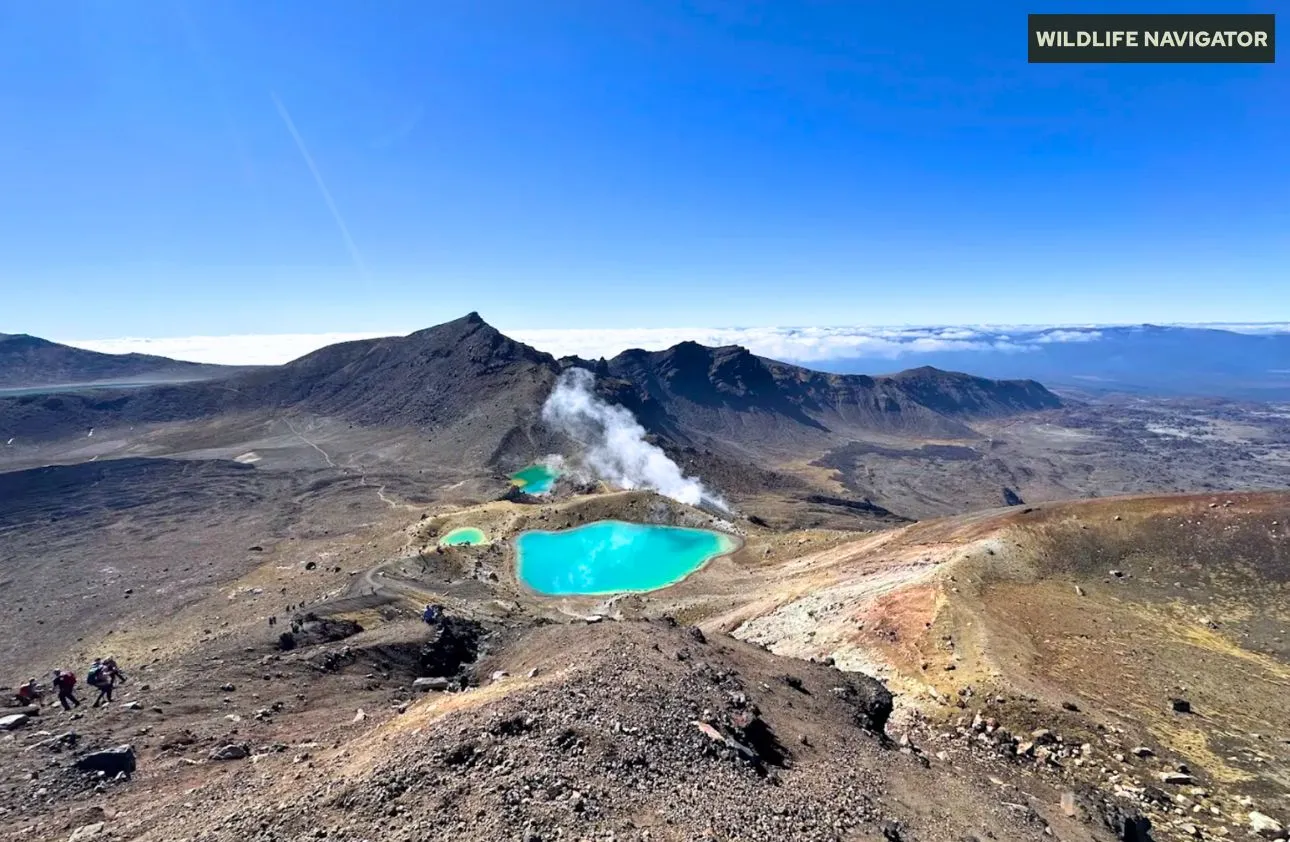
Tongariro National Park is where New Zealand’s volcanic heart beats strongest. Dominated by three active volcanoes—Ruapehu, Ngauruhoe, and Tongariro—the park offers a landscape that feels almost otherworldly: steaming craters, emerald lakes, red-rugged ridgelines, and vast alpine plateaus shaped by thousands of years of eruptions.
Established in 1887, it is the oldest national park in New Zealand and the first in the world to receive dual UNESCO World Heritage status for both its natural wonders and its deep cultural significance to the Māori people.
Tongariro is far more than a dramatic geological showcase. It is a living cultural landscape gifted by the Ngāti Tūwharetoa iwi to protect its sacred peaks and preserve the stories woven through them. Today, the park stands as a symbol of partnership between nature and people, offering a rare blend of adventure, spirituality, and wilderness.
Whether you’re here to experience the legendary Tongariro Alpine Crossing, explore the Great Walks, ski down Mt Ruapehu, or simply admire the volcanic scenery, Tongariro National Park promises a journey through some of the most iconic and powerful landscapes in Aotearoa.
History and Significance
Tongariro National Park’s story begins long before its official establishment—rooted in the ancestral lands, legends, and guardianship of the Ngāti Tūwharetoa iwi. For centuries, the volcanic peaks of Tongariro, Ngauruhoe, and Ruapehu have been revered as sacred ancestors, each carrying spiritual significance and powerful whakapapa (genealogy). These mountains are woven into Māori creation stories, battles between gods, and the identity of the local people.
In 1887, Te Heuheu Tukino IV, the paramount chief of Ngāti Tūwharetoa, made a historic decision. To safeguard these sacred peaks from European settlement and to ensure their cultural integrity survived, he gifted them to the Crown—creating the foundation for New Zealand’s first national park. This remarkable act of guardianship shaped a new legacy, one where Māori values and conservation ideals came together.
The park later earned dual UNESCO World Heritage status:
- Natural significance for its active volcanoes, dramatic landscapes, and outstanding geological features.
- Cultural significance for its living Māori traditions, spiritual associations, and historic gift that established a model for protected areas worldwide.
Today, Tongariro remains a place where nature and culture cannot be separated. Every trail, crater, and valley carries stories passed through generations—reminding visitors that this rugged volcanic landscape is not only visually striking, but deeply sacred.
Landscape and Habitat Diversity
Tongariro National Park is a landscape shaped by fire, ice, and relentless geological forces—creating one of the most dramatic natural environments in New Zealand. At its core lie three active volcanoes—Ruapehu, Ngauruhoe, and Tongariro—whose eruptions, lava flows, and ash deposits have carved a raw, rugged terrain found nowhere else in the country.
The volcanic plateau is a mosaic of distinct habitats, each responding to altitude, climate, and volcanic history. At higher elevations, the environment is stark and powerful: steaming vents, barren lava fields, old explosion craters, and mineral-rich lakes like the Emerald Lakes and Blue Lake, whose colours are shaped by geothermal chemistry. The iconic Red Crater, with its deep scarlet walls, offers a vivid glimpse into the region’s explosive past.
As you descend, the scenery softens into alpine meadows and tussock grasslands, where hardy shrubs and grasses cling to nutrient-poor soils. Lower still, the park transitions into lush beech forests, sparkling streams, wetlands, and river valleys that shelter an entirely different set of plant and animal species.
This blend of volcanic wilderness and living ecosystems makes Tongariro a natural laboratory—where life continually adapts to an environment defined by both destruction and renewal. The result is a breathtaking range of habitats, from icy summits to forested foothills, all within a single national park.
Wildlife of Tongariro National Park
Despite its rugged volcanic terrain, Tongariro National Park supports a surprising diversity of wildlife—much of it uniquely adapted to the region’s extreme alpine conditions. The mix of tussock grasslands, beech forests, wetlands, and rocky slopes creates habitats for both hardy alpine species and forest specialists.
Birdlife
Birds are the park’s most visible wildlife, especially in lower forested areas and cascading river valleys. Key species include:
- Whio (Blue Duck): A rare, river-loving duck found only in fast-flowing mountain streams.
- Kārearea (New Zealand Falcon): The country’s fastest flying bird, often seen soaring above open tussock landscapes.
- Kākā: A native forest parrot known for its loud, distinctive calls.
- North Island robin & tomtit: Friendly, curious songbirds often seen along forest trails.
- Pipit & skylark: Small ground birds commonly spotted in alpine herbfields and open tussock zones.
Reptiles & Invertebrates
The harsh volcanic plateau is also home to resilient cold-adapted reptiles and insects:
- Skinks and geckos, including species that hide among rocky crevices.
- Alpine wētā, a hardy insect capable of surviving sub-freezing temperatures.
- Various native beetles, spiders, and moths that thrive in tussock and subalpine scrublands.
Mammals
Tongariro has very few native mammals—only bats—while most others are introduced species that impact the park’s ecosystems. Conservation teams actively manage these populations to protect native birds and alpine habitats.
Native Mammals:
- Long-tailed bat (pekapeka-tou-roa)
- Lesser short-tailed bat (pekapeka-tou-poto) (rarely seen)
Introduced Mammals:
- Possums
- Stoats & ferrets
- Rats & mice
- Hares & rabbits
- Feral cats
- Feral pigs & goats
- Red deer & sika deer
Flora & Plant Adaptations
Though not wildlife, the plant life is essential to the ecosystem’s character. You’ll find:
- Herbfields and alpine shrubs are adapted to thin, nutrient-poor volcanic soils.
- Red tussock grasslands shape the landscape’s golden-brown textures.
- Beech forests (in lower elevations) provide habitat for birds and insects.
- Unique species like mountain daisies and hebe shrubs survive strong winds and temperature extremes.
Conservation Efforts
Predator control, habitat restoration, and protection of vulnerable species—especially the endangered whio—are ongoing priorities. With active volcanic landscapes changing the terrain over time, conservation here is a dynamic balance between nature’s power and human stewardship.
Tongariro’s wildlife may not be the most abundant or obvious at first glance, but its species represent some of the most resilient and iconic lifeforms in Aotearoa.
Best Things to Do in Tongariro National Park
Tongariro Alpine Crossing (Iconic Day Hike)
Often called one of the best day hikes in the world, the 19.4 km Tongariro Alpine Crossing takes you through an unbelievable volcanic landscape—crater lakes glowing turquoise, steaming fumaroles, red craters, and sweeping ridgelines. It’s challenging but incredibly rewarding, with ever-changing terrain shaped by active volcanoes. Shuttles are essential, and proper alpine gear is a must.
Tongariro Northern Circuit (Great Walk)
One of New Zealand’s premier Great Walks, the Tongariro Northern Circuit loops around Mt Ngauruhoe and explores remote alpine valleys, ancient lava flows, and the stunning Emerald Lakes. Usually completed in 3–4 days, it offers a deeper, more immersive experience of Tongariro’s volcanic wilderness. DOC hut bookings are required.
Scenic Drives & Lookouts
For those who prefer to explore at an easier pace, Tongariro offers multiple drive-in viewpoints with dramatic scenery:
- Whakapapa Village Lookouts – views of Ruapehu’s snow-covered summit.
- Desert Road (SH1) – iconic shots of Ngauruhoe rising above the plains.
- Bushy Park & Tama Lakes viewpoints – accessible landscapes with minimal walking.
Skiing & Snow Activities on Mt Ruapehu
In winter, Tongariro transforms into New Zealand’s premier volcanic ski destination. The two major skifields—Whakapapa (North Island’s largest) and Tūroa (known for its long runs)—offer skiing, snowboarding, sledding, and stunning views over the volcanic plateau.
Waterfalls & Short Walks
Short, scenic trails make Tongariro perfect for casual walkers:
- Taranaki Falls Track – a 6 km loop leading to a spectacular waterfall plunging over volcanic cliffs.
- Tawhai Falls (Gollum’s Pool) – an easy walk to a picturesque cascade.
- Silica Rapids Track – colourful mineral terraces fed by alpine streams.
- Whakapapa Nature Walk – wheelchair-friendly and ideal for families.
Cultural & Interpretive Experiences
Learn about the sacred mountains, Māori legends, geothermal forces, and the historic gift that established the park.
- Visitor centres at Whakapapa and Ohakune provide deep insight into geology, eruptions, and Ngāti Tūwharetoa heritage.
- Guided experiences may include cultural storytelling and ecological interpretation.
Photography & Landscape Exploration
From sunrise glowing over the Red Crater to sunset sweeping across the tussock plains, Tongariro is a dream for photographers. Popular spots include the Emerald Lakes, Ngauruhoe vantage points, Desert Road panoramas, and Tama Lakes.
Best Time to Visit Tongariro National Park
The timing of your visit can dramatically shape your Tongariro experience, whether you’re hiking, skiing, or exploring its volcanic landscapes.
Summer (December – February)
- Ideal for hiking and outdoor adventures.
- Days are longer and weather is generally stable.
- The Tongariro Alpine Crossing is fully accessible, though alpine conditions can still be unpredictable.
Autumn (March – May)
- Cooler temperatures and fewer visitors.
- Crisp, clear skies enhance photography.
- Some higher trails may start seeing early snow or wet conditions.
Winter (June – August)
- Snow transforms Mt Ruapehu into a skiing and snowboarding haven.
- Alpine tracks may be snow-covered or icy—hiking is for experienced, well-prepared adventurers.
- Stunning snowy landscapes for photography.
Spring (September – November)
- Melting snow rejuvenates rivers, waterfalls, and alpine flora.
- Wildflowers bloom, and birds become more active.
- Weather is variable; prepare for sudden changes at higher elevations.
Travel Tips
- Weather can change rapidly—even in summer, alpine storms are possible.
- Check volcanic alert levels and trail conditions before heading out.
- Layered clothing, waterproof gear, and sun protection are essential.
How to Reach Tongariro National Park
Tongariro National Park is well-connected by road and is accessible from several nearby towns and transport hubs, making it relatively easy to explore despite its rugged landscape.
By Car
- The park lies along State Highway 1 (SH1) and State Highway 47 (SH47).
- Driving offers flexibility to stop at viewpoints like Desert Road, Tama Lakes, and Whakapapa Village.
- Rentals are available from nearby towns such as Taupō, Rotorua, and Ohakune.
By Air
- Taupō Airport (1.5 hours) and Rotorua Airport (2 hours) are the closest domestic airports.
- Flights from Auckland, Wellington, and Christchurch connect to both airports.
By Public Transport
- Intercity buses run from Auckland, Wellington, and Taupō to National Park Village, the gateway to hiking trails.
- Shuttle services specifically for the Tongariro Alpine Crossing operate from key accommodations to trailheads.
Nearby Towns & Accommodation Hubs
- National Park Village: The central hub for hiking, skiing, and tours.
- Ohakune: Larger town with more restaurants, shops, and lodging options.
- Turangi: South of the park, convenient for accessing the southern trails.
Tips
- Parking at trailheads, especially for the Alpine Crossing, can fill quickly—consider shuttle services.
- Road conditions on SH47 may be affected by snow in winter; check updates if driving.
Entry Fees, Permits & Safety
Tongariro National Park does not charge a general entry fee, making it accessible for all visitors. However, certain activities, tracks, and facilities require permits or bookings, and safety is a key concern in this active volcanic and alpine environment.
Permits & Bookings
- Tongariro Alpine Crossing: No permit required, but a shuttle service is highly recommended for return transport.
- Northern Circuit Great Walk: Book DOC huts or campsites in advance; mandatory for overnight hikers.
- Ski fields (Mt Ruapehu): Lift passes required in winter.
Camera & Drone Usage
- Personal cameras are allowed; drones may require separate permission from DOC due to wildlife and cultural sensitivity.
Safety Guidelines
- Weather is unpredictable: Even summer days can see snow, wind, or sudden storms.
- Alpine terrain: Proper hiking gear, layered clothing, water, and food are essential.
- Volcanic hazards: Check the Volcanic Alert Level before heading into high-risk zones.
- Predator & animal awareness: Though mostly free of dangerous wildlife, be aware of introduced mammals and stay on marked tracks to protect fragile ecosystems.
- Emergency numbers: Carry a mobile phone and note nearest DOC visitor centres for assistance.
Tongariro is an adventure-ready park, but respecting safety rules ensures an unforgettable and secure experience.
Where to Stay: Accommodation
Tongariro National Park and its surrounding areas offer a range of accommodations to suit all budgets—from basic campsites to boutique lodges. Staying nearby gives you easy access to trails, viewpoints, and ski fields.
Inside / Near the Park
- Whakapapa Village:
- Chateau Tongariro Hotel – historic lodge-style accommodation with panoramic views of Ruapehu.
- Skotel Alpine Resort – convenient for skiing and hiking access.
- Holiday parks and backpacker hostels – budget-friendly options for hikers and families.
- National Park Village:
- Lodges, motels, and cabins with easy access to Alpine Crossing shuttle services.
- Small cafés and restaurants for convenience.
- Ohakune:
- Larger town with more choices: boutique lodges, self-contained apartments, and motels.
- Popular for both winter skiing and summer hiking.
DOC Huts & Campsites
- Northern Circuit Great Walk: Offers DOC huts and campsites; bookings are mandatory.
- Facilities include bunks, basic cooking areas, and water supply (carry purification tablets).
Tips
- Book well in advance during peak summer (Dec–Feb) and winter ski season (Jun–Aug).
- Consider staying in Ohakune or Turangi for quieter nights and easier access to southern trails.
- Check shuttle services from accommodations for day hikes like the Alpine Crossing.
Responsible Travel Tips
Visiting Tongariro National Park comes with the responsibility to protect its delicate ecosystems, respect Māori cultural values, and ensure your own safety. Following these guidelines helps preserve the park for future generations.
Stay on Marked Tracks
- Alpine and volcanic areas are fragile; veering off paths can damage native vegetation and destabilise soil.
- Stick to boardwalks and marked trails around wetlands and crater lakes.
Carry In – Carry Out
- Take all your trash with you.
- Avoid leaving food scraps, which can attract introduced pests like possums, rats, and stoats.
Respect Māori Cultural Sites
- Peaks such as Tongariro, Ngauruhoe, and Ruapehu are sacred.
- Follow signage and guidance regarding restricted areas or culturally sensitive sites.
Be Weather-Prepared
- Sudden storms, snow, and temperature drops are common in alpine zones.
- Always carry layered clothing, waterproof gear, and emergency supplies.
Protect Wildlife
- Do not feed or disturb birds, bats, or other animals.
- Follow guidelines for photographing wildlife without stressing them.
Sustainable Practices
- Use refillable water bottles.
- Avoid single-use plastics.
- Support local businesses and eco-friendly tours to promote conservation.
By respecting these tips, you help Tongariro remain a thriving natural and cultural treasure while enjoying a safe, memorable adventure.
Suggested Itinerary
Tongariro National Park offers experiences for every type of traveler, from day hikers to multi-day adventurers. Here are sample itineraries to help plan your visit:
1-Day Adventure
- Morning: Start early for the Tongariro Alpine Crossing.
- Midday: Enjoy lunch along the trail while taking in Emerald Lakes and Red Crater views.
- Afternoon: Complete the hike and return via shuttle to National Park Village.
- Evening: Relax at a nearby lodge or enjoy a casual dinner in Whakapapa or Ohakune.
2-Day Plan
- Day 1: Short walks around Whakapapa Village, Taranaki Falls, and lookout points for panoramic photos.
- Day 2: Full Alpine Crossing or half-day hikes like Tama Lakes Track.
- Optionally include cultural visit to learn about Māori legends and volcanic heritage.
3–4 Day Adventure (Northern Circuit Great Walk)
- Day 1: Begin Northern Circuit from Mangatepopo Track, hike to the first DOC hut.
- Day 2–3: Traverse volcanic ridges, craters, and tussock plains; stay in DOC huts each night.
- Day 4: Return to start or continue exploring lower-altitude walks and waterfalls.
- Optional side trip: Skiing or snowboarding at Mt Ruapehu (seasonal).
Tips for Planning
- Shuttle bookings are essential for day hikes.
- Start early to avoid crowds, especially on the Alpine Crossing.
- Check weather forecasts and volcanic alert levels before departure.
- Carry water, snacks, and layered clothing for alpine conditions.
This itinerary flexibility allows visitors to tailor their trip for adventure, photography, cultural immersion, or a mix of all three.
Conclusion
Tongariro National Park is a destination that blends raw volcanic power, rich Māori heritage, and breathtaking natural beauty. From the fiery peaks of Ruapehu and Ngauruhoe to the serene emerald lakes and tussock-covered valleys, the park offers a landscape that is as dramatic as it is sacred.
Whether you’re an adventure seeker tackling the Tongariro Alpine Crossing, a hiker exploring the Northern Circuit, a skier on Mt Ruapehu, or a traveller soaking in cultural stories and photography opportunities, Tongariro delivers experiences that leave a lasting impression.
Visiting responsibly—respecting cultural sites, staying on marked trails, and following conservation guidelines—ensures this unique landscape remains pristine for generations to come.
For anyone planning a trip to New Zealand, Tongariro National Park is not just a place to see—it’s a place to feel, explore, and connect deeply with both nature and culture.