Singalila National Park – Darjeeling, West Bengal

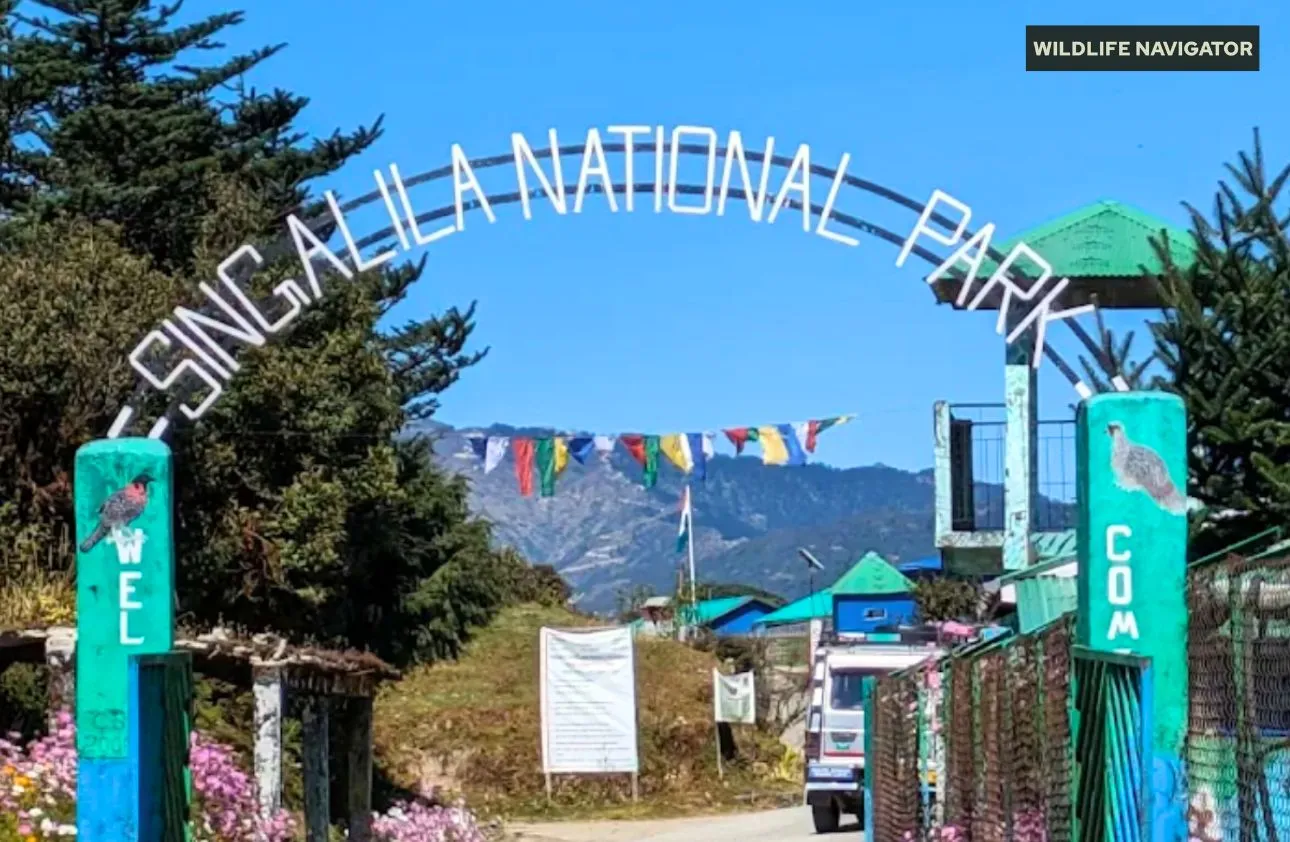
Singalila National Park is one of India’s most enchanting high-altitude parks in the Eastern Himalayas. Nestled in the Darjeeling district of West Bengal, along the Indo-Nepal border, it is a place where adventure, wildlife, and breathtaking landscapes blend seamlessly.
Spread across 78.6 square kilometres, Singalila is not your typical safari-style national park; instead, it invites travellers to walk its misty trails, climb to Himalayan ridges, and immerse themselves in nature’s grandeur.
What makes this park truly unique is its status as one of the last natural habitats of the elusive Red Panda in India. Beyond wildlife, the park is a dream destination for trekkers, offering spectacular views of the world’s tallest peaks — Mount Everest, Kanchenjunga, Lhotse, and Makalu — all visible on clear days from the legendary Sandakphu-Phalut trail.
For nature lovers, birdwatchers, and adventurers seeking raw Himalayan beauty, Singalila National Park is nothing short of magical.
History, Geography & Landscape of Singalila National Park
The story of Singalila National Park is woven into both natural history and local culture. Before it became a national park, the area was known mainly to trekkers walking the Singalila Ridge, connecting Sikkim, Nepal, and Darjeeling. Recognizing its ecological value, the Government of India declared it a wildlife sanctuary in 1986 and later upgraded it to a national park in 1992.
Geographically, Singalila sits along the Singalila Ridge, a high-altitude spine forming the border between India and Nepal. The altitude ranges from 2,100 meters (6,900 ft) at the lower valleys to 3,600 meters (12,000 ft) at Sandakphu, the highest point in West Bengal. This dramatic elevation change creates multiple ecosystems within a relatively small area.
- Forests & Valleys: Dense temperate forests of oak, bamboo, and rhododendrons cloak the lower slopes, while higher ridges burst into alpine meadows.
- Rivers & Streams: Fed by Himalayan snow and rain, streams crisscross the park, supporting lush biodiversity.
- Panoramic Ridges: From Sandakphu and Phalut, travellers can witness the legendary “Sleeping Buddha” formation of Kanchenjunga, with Everest and Lhotse in the backdrop.
The climate is as dramatic as the terrain:
- Winters (Dec–Feb): Snow blankets higher ridges; temperatures often fall below freezing.
- Spring (Mar–May): The park turns into a floral paradise with rhododendrons, magnolias, and orchids in bloom.
- Monsoon (Jun–Sep): Heavy rainfall makes trails slippery; the park is closed.
- Autumn (Oct–Nov): Crisp, clear skies reveal breathtaking Himalayan views.
Singalila’s diverse landscape makes it one of the most visually striking national parks in India.
Flora and Fauna of Singalila National Park
Singalila is a botanical wonderland and a wildlife sanctuary rolled into one. Thanks to its high-altitude ecosystem, the park shelters species that are rare, endangered, and found nowhere else in India.
Flora
The park boasts more than 500 species of orchids, making it a paradise for plant lovers. During spring, the landscape explodes in colour with rhododendrons, magnolias, and primulas painting the slopes.
- Lower Altitudes (2,100–2,700 m): Oak, chestnut, and magnolia forests.
- Mid Altitudes (2,700–3,200 m): Bamboo groves (favourite of the Red Panda), rhododendrons, and maple.
- High Altitudes (above 3,200 m): Alpine meadows, lichens, mosses, and dwarf shrubs.
Fauna
The park’s most celebrated resident is the Red Panda, a shy and nocturnal animal that is incredibly hard to spot. Singalila is one of the best places in the world to see it in the wild.
Other mammals include:
- Clouded Leopard – rare and elusive predator.
- Himalayan Black Bear – sometimes spotted foraging.
- Yellow-throated Marten, Barking Deer, Leopards, and Civets.
Birds
For birdwatchers, Singalila is heaven. Over 120 bird species have been recorded, including:
- Satyr Tragopan – the jewel of Himalayan pheasants.
- Blood Pheasant – found at higher altitudes.
- Himalayan Monal – India’s national bird of Nepal.
- Fire-tailed Sunbird, Scarlet Minivet, Golden-breasted Fulvetta, and Laughingthrushes.
Insects & Reptiles
The park is also known for its vibrant butterfly population during spring and summer. Reptiles are less common due to the cold climate, but the Himalayan Newt can be found in some wetland patches.
Together, this mix of rare flora and fauna makes Singalila not just a trekking destination, but a living, breathing encyclopedia of Himalayan biodiversity.
Safari Experience & Park Zones
Unlike many famous Indian parks like Ranthambore or Bandhavgarh, Singalila doesn’t offer jeep safaris to spot tigers. Instead, its magic lies in trekking trails, birdwatching walks, and cultural interactions. This makes it truly unique among Indian national parks.
Trekking – The Heart of Singalila
The Sandakphu trek or the Sandakphu–Phalut trek is the most famous trail, often hailed as one of the best treks in India.
- It begins from Manebhanjan, a small town about 26 km from Darjeeling.
- Trekkers pass through Tumling, Tonglu, Kalipokhri, Sandakphu, and Phalut, each offering different landscapes.
- Along the way, trekkers often spot Red Pandas in bamboo groves, pheasants, and herds of wild grazing animals.
Land Rover Rides
For those not keen on trekking, vintage British-era Land Rovers still run from Manebhanjan to Sandakphu. The ride is adventurous and bumpy, but it has its own charm — almost like travelling back in time.
Birdwatching & Wildlife Spotting
The park is a hotspot for birding tours, especially in spring and autumn. Local naturalists guide visitors to specific forest patches where rare pheasants, warblers, and sunbirds are found. Birdwatchers often spend hours in silence, waiting for the magical moment when a rare species emerges.
Park Entry Points
- Manebhanjan – Main entry point for treks and Land Rover rides.
- Tumling & Gairibas – Checkpoints for permits and accommodation.
- Rimbik – Alternative entry/exit for trekkers.
Unlike other parks divided into “zones,” Singalila is more of a linear ridge trek. Every bend in the trail feels like entering a new zone, from bamboo groves to alpine meadows.
Best Time to Visit Singalila National Park
Choosing the right season is key to enjoying Singalila’s beauty. Each season here transforms the park into a completely new world.
Spring (March–May)
- Highlights: Rhododendrons and magnolias in full bloom.
- Forests are painted red, pink, and white, making it a photographer’s paradise.
- Great for birdwatching as migratory species return.
- Comfortable temperatures for trekking.
Autumn (October–November)
- Highlights: The clearest Himalayan views.
- Perfect time for Red Panda spotting as they come down to feed on bamboo.
- Trekkers call it the “golden season” — blue skies, crisp air, and colourful landscapes.
Winter (December–February)
- Highlights: Snow-covered trails at higher altitudes.
- Fewer visitors, which means absolute solitude.
- Red Pandas are harder to spot as they retreat into dense bamboo forests.
- Trekking becomes challenging, but the experience is surreal.
Monsoon (June–September)
- The park remains closed due to heavy rainfall and risk of landslides.
- Not recommended for visitors, though the forest rejuvenates during this time.
Best Recommendation:
If you want to witness Himalayan flowers, visit in spring.
If you want to trek with crystal-clear mountain views and higher wildlife sighting chances, go in autumn.
How to Reach & Getting Around
Despite being a remote Himalayan park, Singalila is surprisingly accessible thanks to Darjeeling’s popularity as a hill station.
By Air:
- Nearest Airport: Bagdogra Airport (IXB), about 110 km from Manebhanjan.
- From the airport, taxis and shared jeeps are available to Darjeeling and then onward to the park.
By Train:
- Nearest Railway Station: New Jalpaiguri (NJP), about 115 km from Manebhanjan.
- NJP is well-connected with Kolkata, Delhi, Guwahati, and other major cities.
By Road:
- From Siliguri to Darjeeling: 80 km (approx. 3 hours).
- From Darjeeling to Manebhanjan: 26 km (approx. 1.5 hours).
- Manebhanjan acts as the main base camp for entry.
Getting Around the Park
- Trekking: The most rewarding way to explore the park. Trekkers usually hire guides and porters at Manebhanjan.
- Land Rovers: These iconic 1950s vintage jeeps run between Manebhanjan and Sandakphu. Rugged but charming, they’re perfect for non-trekkers.
- Guides & Permits: Hiring a local guide is mandatory for trekking inside the park. Entry permits can be obtained at Manebhanjan Forest Office.
Travel Tip: If you’re carrying cameras or drones, check the latest rules at the entry gate. Drone flying is often restricted due to wildlife protection laws.
Accommodation & Stay Options
Singalila National Park may not have luxury jungle resorts like those in Central India, but it offers something even more special — authentic mountain stays that connect you deeply with local culture and the wilderness.
Forest Rest Houses & Trekkers’ Huts
The West Bengal Forest Development Corporation (WBFDC) operates trekkers’ huts and forest lodges at key points such as Tonglu, Gairibas, Sandakphu, and Phalut. These are simple accommodations with basic bedding and meals but are ideal for trekkers seeking an immersive experience. Booking must be done in advance through the forest department offices in Darjeeling or Kolkata.
Homestays in Mountain Villages
Villages like Tumling, Kalipokhri, and Meghma offer charming homestays run by local families. Staying here is not just about a bed for the night; it’s about sharing a meal of steaming momos, listening to mountain stories, and waking up to prayer flags fluttering in the wind. Many homestays also assist visitors in arranging local guides and Red Panda tracking tours.
Eco-Lodges & Guesthouses
Near the entry point of Manebhanjan, you’ll find eco-lodges and small guesthouses catering to trekkers. These provide comfortable stays with warm blankets, hot meals, and sometimes Wi-Fi connectivity.
Luxury Stays (Darjeeling)
For those who prefer a bit of luxury, Darjeeling town (about 1.5 hours from Manebhanjan) offers heritage hotels, boutique resorts, and tea estate stays. Many travellers spend a night in Darjeeling before heading into Singalila.
Travel Tip: Nights in Singalila can get extremely cold, even in summer. Carry your own sleeping bag or warm blankets if you plan to stay in forest huts.
Travel Tips & Visitor Guidelines
Singalila is not a typical safari park — it’s rugged, high-altitude, and culturally rich. To make the most of your visit, keep these travel tips in mind:
Packing Essentials
- Clothing: Layered winter wear (temperature can drop to sub-zero even in autumn nights).
- Footwear: Strong trekking shoes with good grip.
- Rain Gear: Always carry a poncho or rain jacket, as mountain weather changes suddenly.
- Other Essentials: Torch/flashlight, refillable water bottles, power banks, personal medicines.
Photography & Ethics
- Red Pandas and Himalayan birds are sensitive to disturbance — avoid flash photography.
- Keep your distance; do not chase animals for pictures.
- Always ask permission before photographing locals.
Eco-Tourism Rules
- Plastic ban: Carry reusable bottles and bags.
- Do not litter on trekking routes; carry waste back to your base.
- Respect silence in the forest — loud noises scare wildlife.
Permits & Guides
- Entry permits are available at Manebhanjan check post or the Forest Office in Darjeeling.
- Hiring a local guide is mandatory, both for safety and to support the local economy.
Safety & Health
- Trek slowly to avoid altitude sickness, especially at Sandakphu (3,636 m).
- Drink warm soups and teas often; dehydration is common in cold climates.
- Always keep emergency contact numbers handy; mobile connectivity is patchy inside the park.
Nearby Attractions & Suggested Itineraries
One of the best things about visiting Singalila is that it fits beautifully into a Darjeeling-Sikkim travel circuit. After your trek, you can explore tea gardens, monasteries, or even head into another wildlife sanctuary.
Nearby Attractions
- Darjeeling Town (26 km from Manebhanjan): Toy Train (UNESCO heritage), Tiger Hill sunrise, Batasia Loop, Himalayan Mountaineering Institute, tea plantations.
- Neora Valley National Park: Another hotspot for Red Panda and birdwatching, located near Kalimpong.
- Mirik Lake: A serene lake town surrounded by pine forests, often included in Darjeeling itineraries.
- Sikkim Border: From Sandakphu ridge, you can literally see into Sikkim and Nepal. Many combine the trek with a Sikkim tour.
Suggested Itineraries
2-Day Itinerary (Quick Trekker’s Escape):
- Day 1: Darjeeling → Manebhanjan → trek/drive to Tonglu → overnight stay in a forest hut.
- Day 2: Sunrise trek → return to Darjeeling.
3-Day Itinerary (Red Panda & Mountain Views):
- Day 1: Darjeeling → Manebhanjan → trek to Tumling (homestay stay).
- Day 2: Tumling → Kalipokhri → Sandakphu (overnight at trekkers’ hut or lodge).
- Day 3: Sandakphu sunrise → trek/drive back to Manebhanjan → onward to Darjeeling.
5-6 Day Itinerary (Classic Sandakphu–Phalut Trek):
- Full trek covering Tumling, Kalipokhri, Sandakphu, Phalut, and back via Rimbik. This route offers the most immersive Singalila experience.
Travel Tip: If your main goal is Red Panda spotting, arrange a special guided wildlife tour through local eco-tourism groups rather than just trekking. They know the bamboo zones where sightings are most likely.
Conservation & Importance of Singalila National Park
Singalila is more than just a trekking destination; it is a critical biodiversity hotspot that plays a vital role in Himalayan ecology. Its conservation importance stretches far beyond its boundaries.
Protecting the Red Panda
The Red Panda, a globally endangered species, finds one of its last strongholds in Singalila. With only an estimated 2,500 individuals left in the wild worldwide, every single sighting here is a symbol of hope for conservation. Local organisations, along with the Darjeeling Forest Department, conduct Red Panda monitoring and awareness programs to protect their fragile habitat from poaching and deforestation.
An Important Bird Area (IBA)
Singalila has been recognized by BirdLife International as an Important Bird Area due to its rich diversity of Himalayan pheasants and migratory species. Protecting this avian diversity is crucial for maintaining ecological balance.
Ecological Significance
- Part of the Eastern Himalayan Eco-Region, considered one of the richest biodiversity zones in the world.
- Dense forests act as carbon sinks, helping in climate regulation.
- The park’s rivers and streams sustain both local wildlife and human settlements downstream.
Challenges in Conservation
- Tourism Pressure: Growing popularity of the Sandakphu trek has led to waste management and habitat disturbance issues.
- Climate Change: Shifts in seasonal patterns affect flowering cycles and wildlife movement.
- Human–Wildlife Conflict: Expansion of nearby villages sometimes leads to encounters with leopards and bears.
Community & Eco-Tourism
The future of Singalila lies in community-driven conservation. Homestays and local guide services provide income to villagers, reducing dependence on forest resources. Trekkers are encouraged to travel responsibly — carrying back their waste, respecting wildlife, and supporting local businesses.
By visiting responsibly, travellers not only experience the park’s magic but also contribute to the long-term survival of its unique ecosystem.