Sanjay Dubri Tiger Reserve – Madhya Pradesh, India

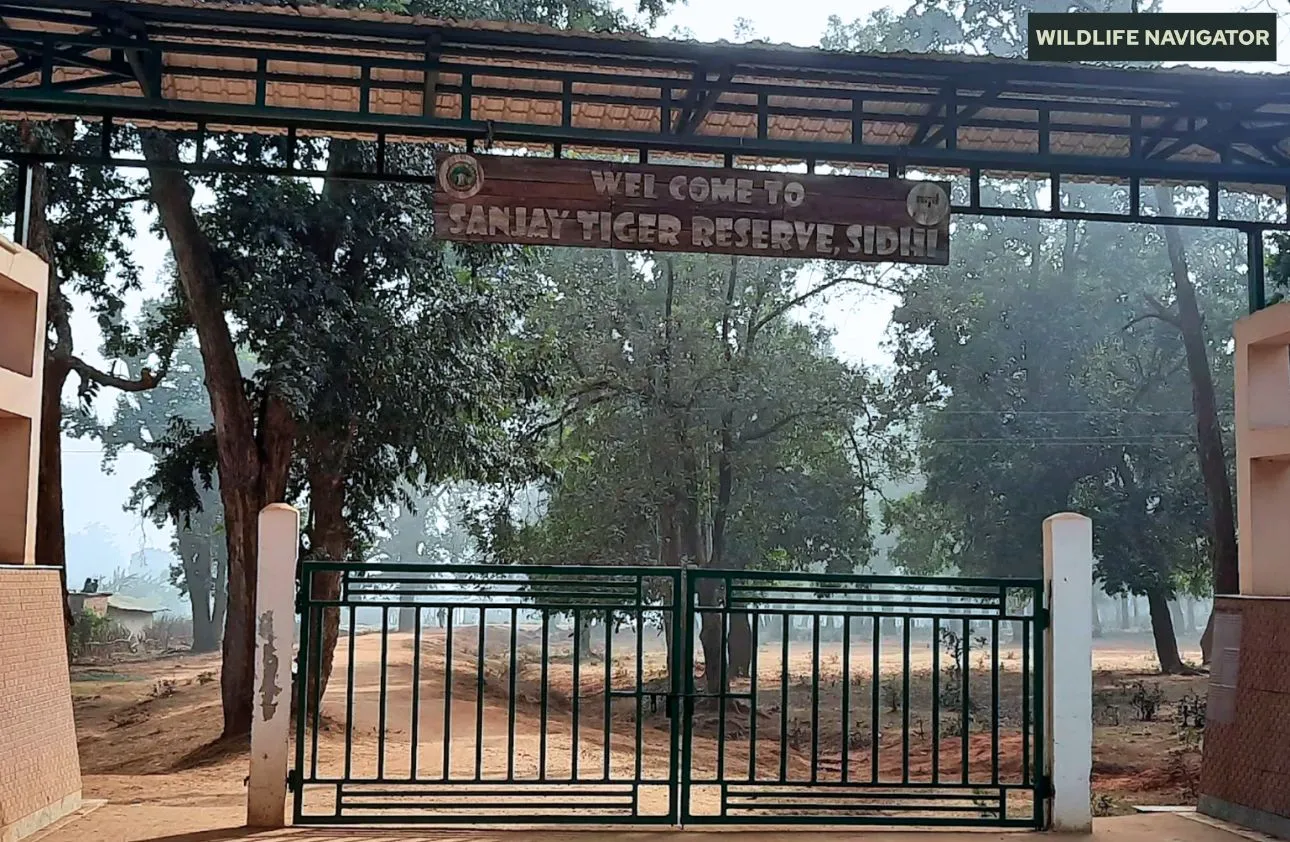
Sanjay Dubri Tiger Reserve is one of Central India’s most underrated yet biologically rich tiger habitats. Spread across 1,674.55 km², this landscape is a seamless blend of deep sal forests, ancient river systems, and undisturbed wilderness that shelters some of the region’s most iconic wildlife.
The reserve spans the Sidhi and Singrauli districts, forming an important part of the larger Central Indian Tiger Landscape. What makes Sanjay Dubri truly unique is its structural composition: it is not a single forest patch, but a protected network combining Sanjay National Park and the adjoining Dubri Wildlife Sanctuary. Sanjay National Park, established in 1981, forms the core region known for its pristine sal belts, while the Dubri Wildlife Sanctuary acts as a crucial extension that enhances the reserve’s ecological connectivity. Together, they were declared a tiger reserve in 2006, creating a unified conservation landscape aimed at preserving the Bengal tiger and its supporting biodiversity.
Despite being less commercial and far quieter than the famous reserves of Madhya Pradesh, Sanjay Dubri rewards travellers with something rare—raw, untouched wilderness. Here, wildlife moves without tourist pressure, and sightings feel authentic and deeply immersive. For photographers, birders, naturalists, and slow travellers, this is one of India’s last remaining wild spaces where nature still dominates the narrative.
Reserve History and Structure
The Sanjay Dubri landscape often confuses travellers because it includes two major protected areas that function together. Here’s a clear breakdown to help readers understand it easily:
Sanjay National Park
Established in 1981, Sanjay National Park forms the pristine core of the region. Located primarily across the Sidhi and Singrauli districts, it is dominated by dense sal forests, undisturbed river valleys, and rugged terrain that offers ideal habitat for tigers and their prey. As a national park, this zone receives the highest level of protection under Indian wildlife law—no human habitation, no resource extraction, and strictly regulated tourism.
This core area is known for:
- Rich old-growth sal forests
- Low human disturbance
- Good habitat for tigers, sloth bears, herbivores, and birds
- Landscapes that still retain their original wilderness character
Dubri Wildlife Sanctuary
Bordering the national park is the Dubri Wildlife Sanctuary, a crucial extension that enhances the tiger reserve’s ecological reach. While slightly more accessible than the national park, it remains a protected zone with significant biodiversity.
Its key roles include:
- Acting as a buffer and corridor that supports tiger movement
- Providing additional habitat for prey species
- Connecting the reserve with the surrounding forest blocks
Together, the sanctuary and the national park create a continuous stretch of habitat—critical for wide-ranging species like tigers and leopards.
How They Form the Sanjay-Dubri Tiger Reserve
In 2006, these two areas were combined and officially designated as the Sanjay-Dubri Tiger Reserve.
Key points to highlight:
- Sanjay National Park is not a separate entity — it is a vital part of the tiger reserve.
- Dubri Wildlife Sanctuary complements and strengthens this core, expanding the total protected area.
- The unified tiger reserve now covers ~1,674.55 km², ensuring robust conservation, scientific monitoring, and managed tourism.
This integrated structure is essential for long-term tiger conservation because it provides:
- Large enough habitat for tiger breeding
- Safe corridors for dispersal
- Diverse ecosystems that support a healthy prey base
Geography and Landscape
The Sanjay Dubri Tiger Reserve lies within the northeastern part of Madhya Pradesh, forming one of the most scenic and least-disturbed forest belts of the state. Geographically, the landscape is part of the Central Indian Highlands, shaped by ancient plateaus, river valleys, and gently undulating terrain. This varied topography creates a mosaic of habitats that support a wide spectrum of wildlife.
Terrain & Landforms
The reserve is dominated by sal-drenched plateaus, rolling hills, and flat forest expanses broken by occasional grassland openings. Several seasonal streams carve through the forest, ultimately feeding into larger river systems. Rugged patches, deep gorges, and forested slopes provide natural cover for predators and shy species like sloth bears and wolves.
River Systems
Sanjay Dubri’s ecological richness is closely tied to its river networks.
Important waterbodies include:
- Gopad River
- Umaria River
- Tributaries of the Banas River
These riverine stretches host unique riparian vegetation and attract a wide diversity of birds, reptiles, and mammals, especially during summer when water becomes scarce in the forest interior.
Landscape Connectivity
A major ecological advantage of Sanjay Dubri is its connection to other forest systems. To its east, it seamlessly merges with Guru Ghasidas National Park (Chhattisgarh), forming a vital corridor for tiger movement between the two states. This shared landscape is part of the greater Central Indian Tiger Conservation Network, making Sanjay Dubri strategically important for long-term genetic flow and landscape-level conservation.
Flora of Sanjay Dubri Tiger Reserve
The flora of Sanjay Dubri Tiger Reserve is dominated by rich deciduous forests, with sal (Shorea robusta) forming the defining feature of the landscape. These forests support a diverse range of plant species that create the foundation of the reserve’s wildlife-rich ecosystem.
Dominant Tree Species
- Sal – the most widespread and ecologically important species
- Saja (Terminalia tomentosa)
- Tendu (Diospyros melanoxylon)
- Mahua (Madhuca longifolia)
- Bija, Haldu, Arjun, Jamun
- Bamboo forming dense clumps in many patches
Key Vegetation Zones
- Moist Deciduous Forests: Dense, shady stretches dominated by sal.
- Dry Deciduous Forests: Mixed forest areas with mahua, palash, saja, and bamboo thickets.
- Riverine Strips: Lush belts of arjun, jamun, syzygium species along Gopad and Umaria rivers.
- Open Grasslands: Limited meadows that support herbivores like chital and chausingha.
Ecological Importance
- Sal and bamboo provide excellent cover for tigers, leopards, and sloth bears.
- Flowering and fruiting trees like mahua and tendu sustain herbivores and smaller mammals.
- Riverine vegetation helps maintain water availability and microhabitats for birds, reptiles, and amphibians.
- Seasonal leaf fall in dry months enriches the soil and influences wildlife movement patterns.
Overall, Sanjay Dubri’s diverse plant life supports a stable prey base, making the reserve a thriving tiger habitat.
Wildlife of Sanjay Dubri Tiger Reserve
Sanjay Dubri is home to a rich assemblage of Central Indian wildlife. While tiger sightings are less commercialized compared to popular MP reserves, the forest supports a healthy predator–prey ecosystem and offers an authentic wilderness experience.
Flagship Predators
- Bengal Tiger: Elusive but present across both Sanjay National Park and Dubri Sanctuary; sightings are highly rewarding.
- Indian Leopard: More adaptable and often encountered in rocky, forested terrain.
Herbivore Diversity
A strong prey base sustains the reserve’s carnivores. Key species include:
- Chital (spotted deer)
- Sambar deer
- Nilgai
- Chausingha (four-horned antelope) — a special species of the region
- Chinkara
- Gaur (Indian bison)
Other Mammals
- Sloth Bear — frequently seen around bamboo zones and fruiting trees
- Indian Wolf — uses open woodland patches
- Dhole (Wild Dog) — packs occasionally recorded in deeper forests
- Jackal, fox, civets, porcupine, and small mammals
Avifauna
Sanjay Dubri is excellent for birdwatching, especially around rivers and open meadows. Common species include:
- Indian grey hornbill
- Crested serpent eagle
- Owl species
- Kingfishers
- Woodpeckers
- Waterbirds along riverbeds and nullahs
Reptiles and Others
- Indian monitor lizard
- Indian python
- Common krait
- Turtles and amphibians near streams
The reserve’s wildlife thrives due to its intact forests, minimal tourism pressure, and strong landscape connectivity.
Conservation Importance & Challenges
Sanjay Dubri Tiger Reserve plays a vital role in the Central Indian Tiger Landscape, acting as a key link between Madhya Pradesh and Chhattisgarh forests. Its connection with Guru Ghasidas National Park allows safe tiger dispersal and supports long-term genetic diversity. The reserve’s intact sal forests also shelter endangered species like dhole, sloth bear, and four-horned antelope, making it an essential stronghold for biodiversity.
However, conservation comes with challenges:
- Human–wildlife conflict around fringe villages
- Poaching threats to prey species and carnivores
- Fragmentation due to roads, mining pressure in surrounding districts
- Limited tourism revenue, affecting local community involvement
Despite these hurdles, ongoing habitat restoration, anti-poaching patrols, and eco-development programmes are gradually strengthening the reserve’s protection and ecological resilience.
Safari Experience in Sanjay Dubri Tiger Reserve
Exploring Sanjay Dubri through a jungle safari is one of the most rewarding ways to experience its quiet, untouched wilderness. Unlike the crowded safari circuits of Bandhavgarh or Kanha, Sanjay Dubri offers a slow, immersive, and authentic forest experience where every sighting feels special.
Safari Zones & Entry Points
Sanjay Dubri Tiger Reserve offers carefully managed safari access through core and buffer zones, each designed to balance wildlife protection with meaningful visitor experiences. Every zone has a dedicated entry gate and fixed safari timings for morning and evening drives.
Dubri Core Zone
- Safari Type: Morning / Evening
- Entry Gate: Dubri Gate
- About the Zone:
The prime tiger habitat of the reserve—dense sal forests, meadows, and perennial water sources. This is where tiger sightings are most promising. - Safari Access:
- Sharing: Dubri Gate
- Full Vehicle: Dubri Gate
Gadduha Buffer Zone
- Safari Type: Morning / Evening
- Entry Gate: Giddha Gate
- About the Zone:
A quieter landscape with mixed forests and lesser-explored trails. Good for spotting herbivores, sloth bears, and birdlife. - Safari Access:
- Sharing: Giddha Gate
- Full Vehicle: Giddha Gate
Koilary Buffer Zone
- Safari Type: Morning / Evening
- Entry Gate: Koilary Gate
- About the Zone:
Known for its scenic drives, open woodland patches, and high chances of leopard movement. Perfect for slow, immersive drives. - Safari Access:
- Sharing: Koilary Gate
- Full Vehicle: Koilary Gate
What to Expect During a Safari
- Thick sal forests that open into quiet meadows
- River crossings and streamside drives rich in birdlife
- High chances of spotting chital, sambar, chausingha, and gaur
- Occasional encounters with sloth bears
- Tiger sightings are rare but deeply rewarding due to minimal human disturbance
- Excellent opportunities for bird photography, especially near waterbodies
Ideal Safari Timings
- Morning Safari: Better for predators, birds, and movement around riverbeds
- Evening Safari: Great for herbivores and sloth bear sightings
A safari in Sanjay Dubri is less about chasing big cats and more about soaking in the raw, untouched beauty of a truly wild forest.
Best Time to Visit
The ideal time to visit Sanjay Dubri Tiger Reserve is October to June, when the park remains open for tourism and wildlife activity is at its peak.
Season-wise Breakdown
- October – February (Winter):
Crisp weather, clear light, and lush post-monsoon greenery. Excellent for photography, birdwatching, and long forest drives. Animal movement is steady throughout the day. - March – June (Summer):
Dry forests improve visibility and concentrate wildlife around water sources. These months offer the best chances of spotting tigers, leopards, and sloth bears, especially during early mornings and late afternoons.
Monsoon Closure
- July – September:
The reserve remains closed due to heavy rainfall, slippery tracks, and breeding season for many species.
How to Reach
Sanjay Dubri Tiger Reserve is accessible through multiple travel routes, with Sidhi and Singrauli serving as the main gateways.
Nearest Airports
- Jabalpur Airport – ~250–270 km
Best option with frequent flights and good onward road connectivity. - Varanasi Airport – ~220–240 km
Convenient for travellers coming from northern India.
Nearest Railway Stations
- Singrauli Railway Station – ~50–70 km
Well-connected to major cities like Delhi, Jabalpur, Patna. - Sidhi Railway Station – ~45–60 km
A close access point for travellers from MP and neighbouring states.
By Road
- Well-connected via NH 39 and regional state highways.
- Main entry routes:
- Sidhi → Sanjay National Park Gate
- Singrauli → Dubri Sanctuary Zone
- Taxis and local jeeps are easily available from both towns.
Nearby Major Cities
- Rewa – 120 km
- Jabalpur – ~250 km
- Varanasi – ~230 km
Reaching the reserve is straightforward, with scenic forested roads making the journey itself part of the experience.
Accommodation Options
Official Forest Rest Houses / Eco-centres (inside or just at forest boundary)
These are managed by the forest department and offer the most “in-forest” experience. Options include: Eco Centre Bastua, Eco Centre Bhuimand, plus rest houses at Pondi, Kusmi, Dubri, Jogdaha, Bagdara.
- These stays are located inside or immediately adjacent to the protected forest — ideal for those wanting to stay within the reserve zone rather than in towns or resorts.
- Exact published rates are not easily available publicly; forest-rest houses in similar MP reserves (for comparison) often cost modest sums (though for Sanjay Dubri, you’ll need to contact the office of the field director to confirm availability and cost).
Private / Resort-style Lodging near the Reserve or just outside the gates
These are more comfortable, often include meals and resort amenities, and are good if you prefer comfort over rustic forest stay.
Tiger Safari Camp Resort — a resort marketed for visitors to Sanjay Dubri. It offers “Super Deluxe AC Rooms” and “Deluxe AC Rooms”, with amenities like private restaurant, hot water, laundry, garden-view rooms.
- This resort is located outside the core forest zones, but near enough to serve as a base for safaris.
- Approximate rate per night: While the website doesn’t list exact per-night tariff publicly, private accommodations around the reserve (as reported by travellers) tend to charge ₹2,500–₹3,500 per night.
Sanjay Resort Baghela Heritage — another private stay option close to the reserve / gate area. It markets itself as combining “heritage hospitality” with safari convenience.
- Likely located outside the forest core — easier access to town/roads, though less “in-wild” feel.
- Based on general accommodation costs around the forest, expect rates in the ballpark of ₹2,500–₹3,500 per night (per room).
Travel Tips & Responsible Tourism
A visit to Sanjay Dubri Tiger Reserve becomes more rewarding when done responsibly. These essential tips help you stay safe, informed, and eco-conscious:
Travel & Safari Tips
- Book safaris in advance during peak season (Oct–Feb). Morning slots offer better sightings.
- Carry essentials: binoculars, extra batteries, a light jacket, a refillable water bottle, and sunscreen.
- Choose eco-friendly stays that support local conservation and communities.
- Avoid loud conversations during safaris—silence increases sighting chances.
Safety & Etiquette
- Never get down from the vehicle inside the reserve unless instructed by forest staff.
- Follow your guide’s instructions strictly and maintain safe distance from wildlife.
- Do not litter; take back everything you carry.
- Avoid flash photography, especially during close sightings.
Responsible Tourism Practices
- Support local guides, homestays, and handicrafts to benefit surrounding villages.
- Respect the forest’s natural rhythm—no feeding animals, no chasing them for photos.
- Opt for slow travel: spend more time exploring on multiple safaris rather than rushing.
Entry Fees & Safari Charges
Below are the current charges for visiting Sanjay Dubri Tiger Reserve. These may vary seasonally, so always confirm from official sources before planning your visit.
Entry Fees
| Fee Type | Indian National | Foreign National |
|---|---|---|
| Entry Fee | ₹200 per person | ₹1,000 per person |
Safari & Guide Charges
| Charge Type | Amount |
|---|---|
| Jeep Safari | ₹2,000 per vehicle (up to 6 people) |
| Mandatory Guide Fee | ₹500 per safari (same for Indians & foreigners) |
| Camera Charges | Not Available |
Conclusion
Sanjay Dubri Tiger Reserve stands out as a haven for slow, immersive wildlife exploration, far from the commercial rush of central India’s more crowded reserves. Its untouched sal forests, thriving wildlife corridors, and serene landscapes make it ideal for travellers seeking authentic nature experiences.
As tiger numbers steadily improve, the reserve is emerging as a promising conservation stronghold—a place where ecological recovery is visible and meaningful. Visitors play a crucial role in supporting this growth through responsible tourism.
Whether it’s tracking pugmarks, listening to forest calls, or absorbing raw wilderness, Sanjay Dubri invites you to explore with curiosity, respect, and mindfulness.