Periyar National Park & Tiger Reserve | Safari, Timings & Travel Guide

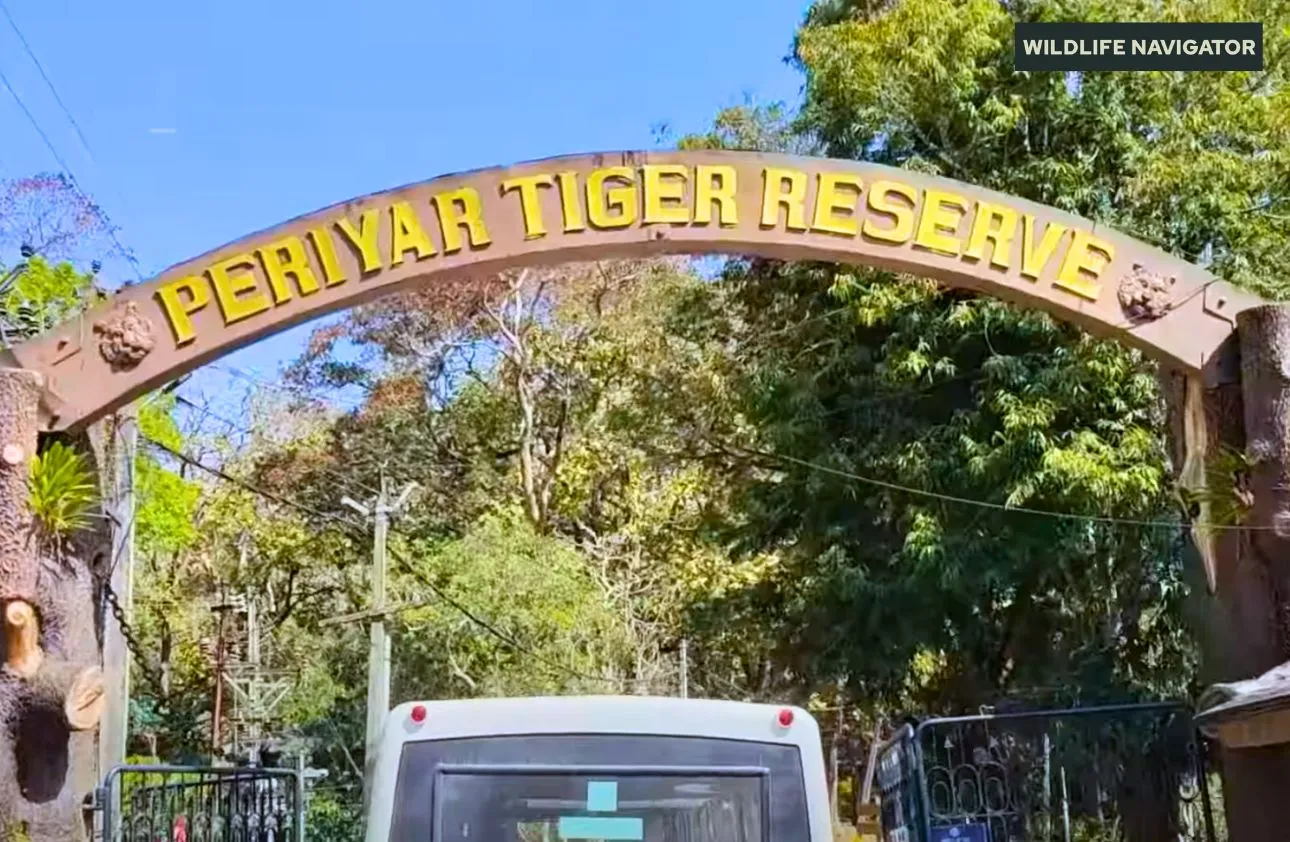
Periyar National Park (also known as Periyar Tiger Reserve) is one of India’s most celebrated wildlife sanctuaries in the lush Western Ghats of Kerala. Spanning across the Idukki and Pathanamthitta districts, this protected area is famous for its scenic beauty, diverse ecosystems, and thriving wildlife. At the heart of the park lies the picturesque Periyar Lake, a man-made reservoir created by the Mullaperiyar Dam, which has become the lifeline of the forest and its wild inhabitants.
What makes Periyar truly special is its reputation as an elephant reserve and a tiger reserve, where visitors have the chance to spot herds of majestic Asian elephants and the elusive Royal Bengal tiger. Beyond these flagship species, the sanctuary is a paradise for birdwatchers, nature enthusiasts, and adventure seekers. Whether it’s a peaceful Periyar Lake boat safari, a thrilling jungle trek, or simply soaking in the serenity of Kerala’s greenery, this park offers an unforgettable experience in the lap of nature.
History, Geography & Landscape of Periyar National Park
The origins of Periyar National Park date back to 1950, when the forests surrounding the Periyar Lake were declared a wildlife sanctuary to protect the region’s unique flora and fauna. In 1978, it was elevated to the status of a Periyar Tiger Reserve under India’s prestigious Project Tiger initiative, further highlighting its importance as a safe haven for the endangered Bengal tiger.
Geographically, the park lies in the southern part of Kerala, spreading across the districts of Idukki and Pathanamthitta. Covering an area of about 925 square kilometres, it forms part of the Western Ghats, which are recognised as a UNESCO World Heritage Site for their exceptional biodiversity. The altitude here ranges from 900 to 2,000 meters, creating varied ecosystems that support a wide range of wildlife.
The landscape of Periyar is a mix of evergreen and semi-evergreen forests, moist deciduous woodlands, grasslands, and savannahs. Towering hills surround the glittering Periyar Lake, which stretches for 26 square kilometres and serves as the lifeline of the sanctuary. The lake, formed after the construction of the Mullaperiyar Dam in the late 19th century, is not only a scenic centrepiece but also an essential water source that sustains both the forest and its wildlife. With mist-covered mountains, rolling valleys, and dense jungles, the geography of Periyar makes it one of the most breathtaking national parks in India.
Flora of Periyar National Park
The lush greenery of Periyar National Park is one of its most captivating features. Spread across the Western Ghats, the park supports a rich and diverse range of plant life, making it a paradise for botanists and nature lovers alike. Its vegetation is classified into tropical evergreen forests, semi-evergreen forests, moist deciduous forests, grasslands, and eucalyptus plantations, creating a layered ecosystem that sustains countless species of wildlife.
The evergreen forests, which thrive in the higher rainfall zones, are home to giant trees rising over 40 meters high, their dense canopies forming a cool and moist environment beneath. Among the most commonly found species are teak, rosewood, sandalwood, and bamboo. The park is also famous for its wide variety of orchids, medicinal plants, and aromatic herbs, many of which are used in traditional Ayurvedic treatments.
In the semi-evergreen and moist deciduous zones, one can find a mixture of tall trees and open grasslands that attract grazing animals like gaurs and deer. Bamboo thickets and cane brakes dominate certain areas, providing shelter and food for elephants. Seasonal wildflowers carpet the forest floor, adding splashes of colour to the green landscape, especially after the monsoons.
This diversity of flora not only contributes to the beauty of Periyar Tiger Reserve but also plays a vital role in maintaining its ecological balance. The thick vegetation helps retain water in the Periyar Lake, supports soil fertility, and sustains a microclimate that makes the sanctuary one of the most important natural reserves in southern India.
Fauna of Periyar National Park
The true charm of Periyar National Park lies in its extraordinary wildlife. Known worldwide as an elephant reserve and a tiger reserve, the park is home to some of India’s most iconic and endangered species. Watching a herd of wild elephants bathing or grazing along the shores of Periyar Lake is often the highlight of a visitor’s trip. Though elusive, the majestic Royal Bengal Tiger also roams these forests, making Periyar an essential part of India’s tiger conservation efforts.
Apart from elephants and tigers, the sanctuary shelters a wide variety of mammals. These include the Indian gaur (bison), wild boar, sloth bear, sambar deer, barking deer, and the endangered Nilgiri tahr. Primates are also common, with the Nilgiri langur, bonnet macaque, and lion-tailed macaque being frequently spotted in the treetops.
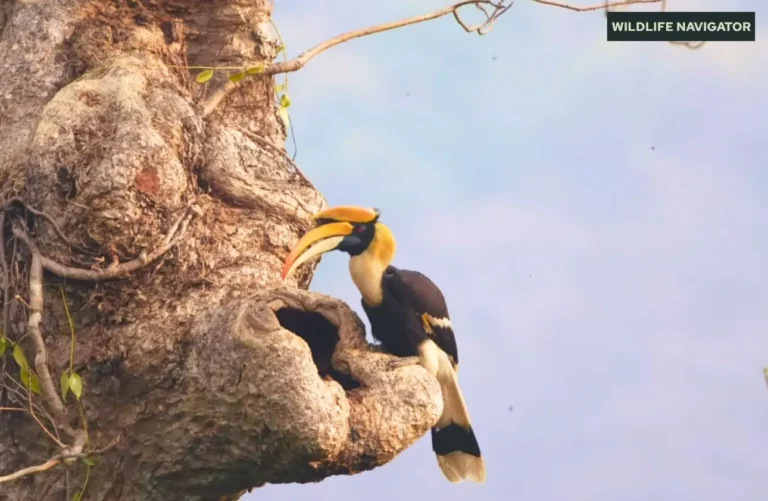
For birdwatchers, Periyar is nothing short of paradise. Over 300 species of birds have been recorded here, including the Malabar grey hornbill, Nilgiri wood pigeon, great Indian hornbill, kingfishers, and cormorants. The wetlands around Periyar Lake are a favourite hangout for darters, herons, and egrets.
The park is also rich in reptiles and amphibians, with species like king cobras, python, monitor lizards, and several varieties of frogs thriving in its diverse habitats. Freshwater fish and numerous insect species further enrich the biodiversity of the reserve.
This abundance of wildlife makes the Periyar Tiger Reserve one of the best places in India for eco-tourism and wildlife photography. Every safari or nature walk here offers the thrill of unexpected encounters with the rich fauna of the Western Ghats.
Attractions & Activities in Periyar National Park
A visit to Periyar National Park is not just about admiring its lush forests and wildlife—it’s about experiencing them through exciting activities and eco-friendly adventures. The park is designed to give visitors a chance to explore its beauty in multiple ways, making it one of the most engaging national parks in Kerala.
Periyar Lake Boat Safari
The most popular attraction is the boat safari on Periyar Lake. As the boats glide across the calm waters, travellers often witness elephants, gaurs, and deer coming to the banks to drink. Flocks of water birds, otters, and sometimes even a tiger can be spotted near the lake, making this activity unforgettable.
Jeep Safari & Wildlife Viewing
For those who love off-road adventures, a Periyar jeep safari in the buffer zones offers a thrilling way to explore the rugged terrain and spot wildlife in their natural surroundings. This is especially popular with photographers who want to capture the raw wilderness of the Periyar Tiger Reserve.
Bamboo Rafting & Jungle Trekking
One of the unique experiences here is bamboo rafting, where visitors paddle across the serene waters surrounded by dense forest. Coupled with guided jungle treks, this eco-tourism activity allows travellers to get closer to the park’s flora and fauna.
Nature Walks & Eco-Tourism Programs
Periyar is known for its community-led eco-tourism initiatives. Nature walks, border hiking, and the famous Tiger Trail program (a guided trek led by former poachers turned protectors) provide immersive experiences while supporting conservation and local livelihoods.
Cultural & Spice Plantation Tours
Beyond the forest, Thekkady (the gateway to Periyar) is famous for its spice plantations. Visitors can take guided tours to learn about cardamom, pepper, and coffee cultivation, making the trip a blend of wildlife and cultural exploration.
With such a wide range of attractions, from Periyar Lake safari to jungle adventures, the park ensures that every visitor—whether a wildlife enthusiast, photographer, or casual traveller—finds something memorable.
Best Time to Visit Periyar National Park
The climate of Periyar National Park makes it a year-round destination, but the experience of wildlife viewing and outdoor activities can vary depending on the season. Choosing the right time to visit ensures you get the most out of your trip.
October to February – Winter (Peak Season)
The winter months are considered the best time to visit Periyar National Park. The weather remains cool and pleasant, with temperatures ranging between 15°C and 25°C. This is ideal for boat safaris, nature walks, and trekking. The forests look fresh and green after the monsoon rains, and spotting wildlife around the Periyar Lake becomes easier as animals come out to bask in the mild sun.
March to June – Summer (Good for Wildlife Spotting)
Summer is hot, with temperatures rising up to 35°C, but it is also the best season for wildlife sightings. As water sources dry up inside the forest, animals are frequently spotted near the Periyar Lake. Elephant herds are especially active during this time, and birdwatchers can expect to see migratory as well as resident species.
July to September – Monsoon (Not Recommended)
The monsoon brings heavy rainfall to the Western Ghats, turning the sanctuary into a lush green paradise. However, due to slippery trails, leeches, and reduced chances of spotting animals, this is not the ideal time for safaris. Still, if you enjoy solitude and scenic beauty, visiting Periyar during the rains can be rewarding, though most safari activities may be limited.
In summary, the best time to visit Periyar Tiger Reserve is from October to June, when safaris, treks, and eco-tourism activities are in full swing. Winter offers pleasant weather, while summer increases the chances of spotting animals up close.
How to Reach Periyar National Park
Reaching Periyar National Park is convenient, as it is well connected to major towns and cities in Kerala and Tamil Nadu. The entry point to the park is Thekkady, a popular tourist hub known for its spice plantations, homestays, and cultural experiences.
By Air
The nearest airport to Periyar is Madurai Airport (Tamil Nadu), about 140 km away, making it the most convenient option for air travellers. Cochin International Airport (Kerala), located 190 km away, is another major gateway with excellent domestic and international connectivity. For travellers coming from southern Kerala, Trivandrum International Airport, around 270 km away, can also be used.
By Rail
The closest railway station is Kottayam (114 km), well connected to major cities like Kochi, Trivandrum, Bangalore, and Chennai. Alternatively, Madurai Railway Station (135 km) is another good option for those travelling from Tamil Nadu. From these stations, taxis and buses are easily available to reach Thekkady.
By Road
Periyar National Park is accessible by a scenic road journey through the Western Ghats. The nearest town, Kumily, lies just 4 km from Thekkady and is well connected by Kerala State Road Transport (KSRTC) and private buses.
- From Kochi: 190 km (about 6 hours)
- From Madurai: 140 km (about 4 hours)
- From Kottayam: 114 km (about 4 hours)
- From Trivandrum: 270 km (about 7 hours)
Driving through winding mountain roads, spice plantations, and mist-covered valleys makes the journey to Periyar as beautiful as the destination itself.
In short, whether you’re flying into Kochi, taking a train to Kottayam, or driving through the ghats, reaching the Periyar Tiger Reserve is both easy and scenic.
Accommodation Options near Periyar National Park
A visit to Periyar National Park is best experienced when you stay close to nature. Luckily, the nearby town of Thekkady offers a wide range of accommodations, from luxury resorts to eco-lodges, suiting every type of traveller.
Forest Lodges & Government Guest Houses
For those who want to stay right inside the sanctuary, the Periyar Tiger Reserve authorities offer eco-lodges, guest houses, and forest bungalows. These government-run accommodations provide basic yet comfortable facilities and the unique experience of staying amidst wildlife, often with direct access to nature walks and safaris.
Luxury Resorts & Hotels in Thekkady
Thekkady is dotted with luxury resorts and boutique hotels that combine comfort with breathtaking views of the Western Ghats. These resorts often feature Ayurvedic spas, infinity pools, and plantation tours, making them ideal for travellers who want to blend wildlife exploration with relaxation.
Eco-Lodges & Homestays
Eco-conscious travellers will find plenty of sustainable options, including eco-lodges, bamboo cottages, and homestays run by locals. These not only provide cosy stays but also give insights into Kerala’s warm hospitality and culture. Many homestays offer spice plantation visits and home-cooked meals that enhance the Periyar experience.
Budget Hotels & Hostels
For backpackers and budget travellers, Thekkady has numerous budget hotels, lodges, and hostels. These provide affordable accommodation with easy access to the entrance of Periyar National Park, making them a practical choice for short visits.
Whether you’re looking for a luxury jungle retreat, a family-friendly resort, or a simple guesthouse, Thekkady near Periyar Tiger Reserve has something for everyone. Staying close to the park allows you to join early morning safaris, nature walks, and eco-tourism activities without long commutes.
Travel Tips for Periyar National Park
A trip to Periyar National Park is a rewarding experience, but a little preparation can make your visit smoother and more enjoyable. Here are some essential tips to keep in mind before you head to the Periyar Tiger Reserve:
1. Book Safaris in Advance
The Periyar Lake boat safari and other eco-tourism activities have limited seats, especially during the peak tourist season (October–March). Booking online or through the Periyar Tiger Reserve office in advance ensures you don’t miss out.
2. Best Safari Timings
Early morning and late afternoon safaris are the best for wildlife sightings, as animals are more active during these cooler hours. Plan your day accordingly to maximise your chances of spotting elephants, deer, and rare birds.
3. Carry Binoculars & Camera
Birdwatchers and wildlife photographers should always carry binoculars and cameras. The sanctuary is home to more than 300 species of birds, and a good zoom lens helps capture wildlife from a safe distance.
4. Dress Comfortably
Wear light, breathable clothing in earthy tones (green, brown, beige) to blend with the forest surroundings. Comfortable walking shoes are a must if you plan to join nature treks or bamboo rafting activities.
5. Respect Wildlife & Park Rules
Avoid making loud noises, littering, or trying to approach animals. The park follows strict conservation guidelines, and respecting these rules ensures safety for both visitors and wildlife.
6. Carry Essentials
Always keep water bottles, sunscreen, hats, and insect repellent handy, especially during treks and summer visits.
7. Explore Beyond Safaris
Don’t limit your trip to the lake safari. Try eco-tourism programs like the Tiger Trail, spice plantation tours in Thekkady, and cultural shows (Kathakali and Kalaripayattu) to experience the region’s rich culture.
With these smart travel tips, your visit to Periyar National Park will be safe, memorable, and filled with unique encounters with nature.
Conclusion
Periyar National Park, with its breathtaking landscapes, abundant wildlife, and community-driven eco-tourism, is one of the finest destinations for nature and wildlife lovers in India. From the serene Periyar Lake boat safari to adventurous jungle treks, bamboo rafting, and spice plantation tours in Thekkady, the park offers a unique blend of wilderness and culture.
As a Periyar Tiger Reserve, it plays a vital role in conserving endangered species like the Royal Bengal Tiger and the Asian elephant, while also protecting the biodiversity of the Western Ghats—a UNESCO World Heritage Site. For travellers seeking both adventure and tranquillity, Periyar is more than just a national park; it’s an immersive journey into the heart of Kerala’s natural heritage.
Whether you’re a wildlife photographer, a family traveller, or a backpacker, a trip to Periyar National Park promises unforgettable memories. With its well-planned safaris, eco-tourism programs, and sustainable conservation efforts, Periyar stands as a shining example of how tourism and nature can coexist in harmony.
So, if you’re planning your Kerala itinerary, make sure to include Thekkady and Periyar National Park—a destination that will leave you inspired by nature’s beauty and wildlife’s resilience.