Nokrek National Park & Biosphere Reserve, Meghalaya

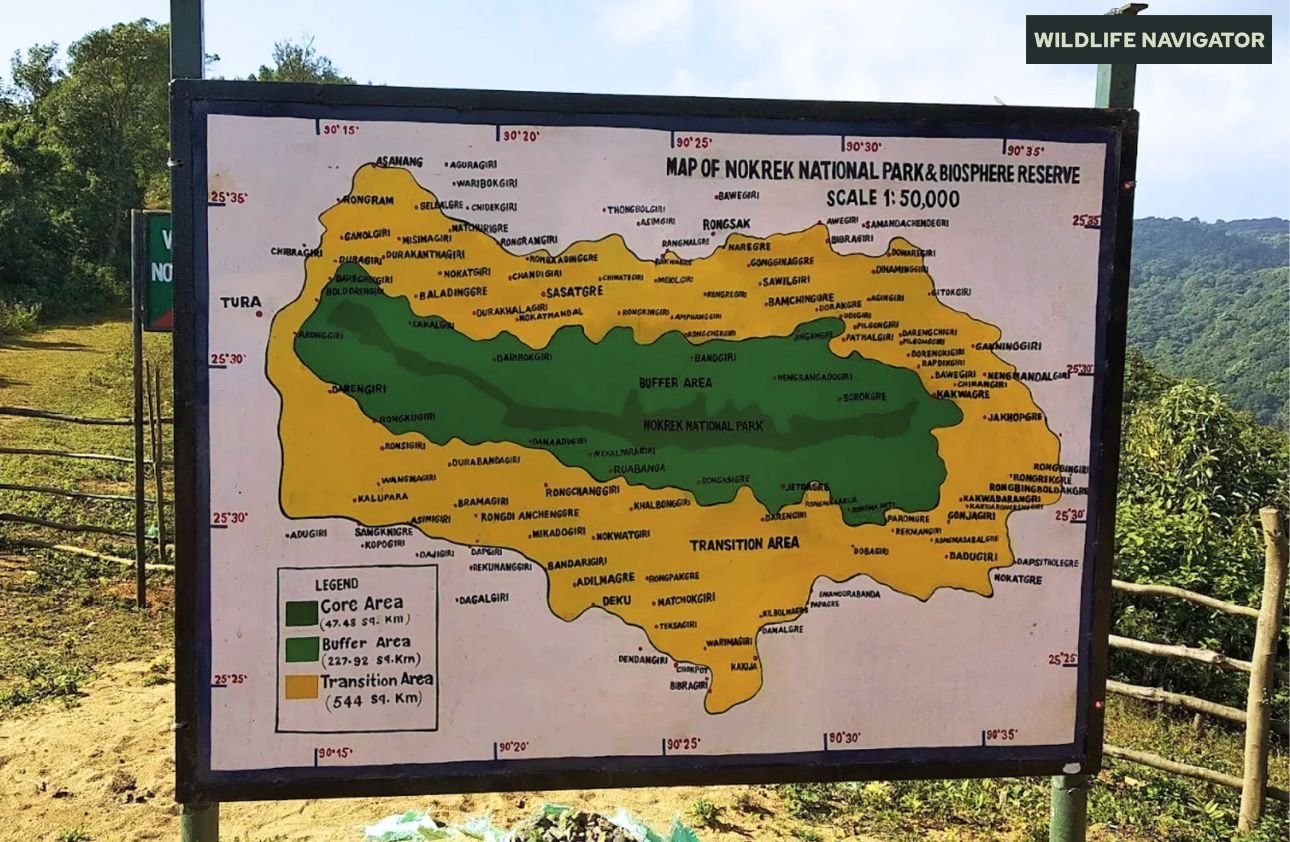
Nokrek National Park stands as one of Meghalaya’s most enchanting wilderness landscapes — a lush, mist-draped sanctuary nestled deep within the Garo Hills. Recognised as a UNESCO Biosphere Reserve, this pristine forest is celebrated for its extraordinary biodiversity, ancient origins, and untouched natural beauty. Often hailed as the home of the elusive Red Panda and the birthplace of India’s wild citrus diversity, Nokrek offers a rare glimpse into one of the oldest and richest eco-regions in the country.
Surrounded by rolling green hills, cascading streams, and dense tropical canopies, the park presents a magical blend of tranquillity and adventure. For wildlife lovers, researchers, and trekkers, Nokrek is a living museum of rare species — from clouded leopards and black bears to exotic orchids and medicinal plants. Its cultural connection with the indigenous Garo community makes the landscape even more special, offering not just ecological significance but also stories, traditions, and ancient wisdom.
Whether you’re a nature enthusiast, a wildlife photographer, or someone seeking serene escapes, Nokrek National Park is a destination that promises discovery at every step.
History and Significance
Nokrek National Park holds a unique position in India’s conservation landscape, both for its ecological richness and deep-rooted cultural heritage. Officially declared a national park in 1986, Nokrek later gained global recognition when UNESCO designated it as part of the Nokrek Biosphere Reserve—highlighting its critical role in preserving rare species, forest ecosystems, and indigenous knowledge systems.
Historically, the region has been closely intertwined with the lives of the Garo tribes, who consider the Nokrek range sacred. Their sustainable practices, traditional forest wisdom, and community-led protection efforts have played a vital role in safeguarding this biodiversity hotspot for generations. Even today, the Garo people continue to act as guardians of the land, maintaining a harmonious relationship with the forests and wildlife.
Nokrek is also scientifically significant. It is regarded as the origin of citrus diversity, with the discovery of Citrus indica, a rare wild citrus species believed to be the genetic ancestor of many cultivated citrus varieties worldwide. This makes the region an invaluable site for botanical research and global genetic conservation.
From the enigmatic Red Panda to its ancient forests and ethnocultural legacy, Nokrek National Park stands as a powerful symbol of India’s natural and cultural wealth—an irreplaceable sanctuary worth celebrating and protecting.
Geography and Location
Nokrek National Park is located in the heart of Meghalaya’s lush Garo Hills, spreading across the East, West, and South Garo districts. This mountainous region is part of the greater Indo-Malayan biodiversity zone, making it one of the richest ecological belts in Northeastern India. The park covers an area of around 47.48 sq km, but its influence extends much farther due to the larger Nokrek Biosphere Reserve that surrounds it.
The terrain is rugged yet stunningly scenic, dominated by rolling hills, deep valleys, and dense forests that receive generous rainfall throughout the year. Towering above the landscape is Nokrek Peak, the highest point in the Garo Hills range, rising approximately 1,412 meters above sea level. The area is interlaced with streams, small waterfalls, and natural pools created by the numerous rivulets that originate from these hills.
Nokrek’s remote wilderness lies about 45 km from Tura, the nearest major town and gateway to the park. It is also accessible from Shillong, though through a longer and more winding route filled with picturesque views of Meghalaya’s thick green cover. Despite being relatively less commercialised compared to other national parks, its serene geography is precisely what makes it a paradise for trekkers, wildlife lovers, and anyone looking to escape into untouched nature.
Biodiversity of Nokrek National Park
Nokrek National Park is a treasure trove of biodiversity, protected by dense canopies of ancient forests and enriched by Meghalaya’s high rainfall and unique climatic conditions. Its remote terrain has allowed rare and endangered species to thrive, making it one of India’s most valuable ecological zones. The park is part of a vital biological corridor and represents an evolutionary hotspot where plant and animal life continue to flourish with minimal human disturbance.
Flora
Nokrek boasts a spectacular variety of vegetation, ranging from subtropical broadleaf forests to wet evergreen patches. Its lush plant life is one of the reasons the park was declared a UNESCO Biosphere Reserve.
Key highlights include:
- Citrus Gene Sanctuary:
Nokrek is world-famous for Citrus indica (locally known as Memang Narang), a rare wild orange believed to be one of the oldest citrus species on Earth. This discovery has made Nokrek a critical centre for global citrus research and conservation. - Thick Tropical Forests:
The landscape is dominated by towering trees like Michelia, Ailanthus, Garcinia, Castanopsis, and other hardwood species that form dense green corridors. - Medicinal and Aromatic Plants:
The park is home to numerous medicinal herbs used by the Garo tribes for generations—herbs for healing wounds, treating fevers, and boosting immunity. - Rare Orchids and Ferns:
Thanks to the moist climate, Nokrek supports a breathtaking collection of wild orchids, mosses, fungi, and ferns that thrive in shaded, mist-filled valleys. - Bamboo & Cane Groves:
Thick patches of bamboo and cane add to the forest architecture and support numerous wildlife species.
Fauna
The wildlife of Nokrek National Park is equally diverse and fascinating, offering incredible opportunities for wildlife enthusiasts and researchers.
Key species include:
- Red Panda:
The star attraction of Nokrek. This elusive species was rediscovered here after decades, affirming the park’s conservation importance. - Clouded Leopard:
A rare and shy predator, often spotted through camera traps deep inside the forests. - Himalayan Black Bear:
An important large mammal species found in higher elevations. - Asian Elephant:
Elephant herds are commonly seen moving through the dense forests and grass-covered clearings. - Wild Cats & Carnivores:
Including marbled cats, leopard cats, civets, and ferret badgers. - Primates:
- Hoolock Gibbon
- Stump-tailed Macaque
- Pig-tailed Macaque
- Slow Loris
These primates thrive in the park’s forested canopy.
- Birdlife:
Nokrek is a paradise for birdwatchers with species like:- Great Hornbill
- Peacock Pheasant
- Drongos
- Woodpeckers
- Various species of warblers, flycatchers, and migratory birds
- Reptiles & Amphibians:
Snakes (including rare pit vipers), lizards, geckos, and frogs populate the moist forest floor and streams. - Insect Diversity:
A huge variety of butterflies, beetles, moths, and pollinators make Nokrek an entomological hotspot.
Things to Do in Nokrek National Park
Nokrek National Park offers a refreshing mix of adventure, wildlife encounters, and serene nature experiences. Its untouched landscapes and tribal heritage make it a rewarding destination for both explorers and slow travellers who enjoy immersing themselves in natural surroundings.
Trekking Through Dense Forest Trails
Trekking is one of the most popular activities in Nokrek. The trails meander through thick canopies, bamboo groves, rocky slopes, and crystal-clear streams.
- The hike to Nokrek Peak is especially scenic, offering panoramic views of the Garo Hills.
- Trekkers also encounter medicinal plant zones, ancient trees, and citrus groves along the way.
Wildlife Spotting
Though sightings can be challenging due to dense forests, patient explorers may come across elephants, gibbons, macaques, and even the rare clouded leopard or red panda.
- Morning treks increase the chances of spotting animals and hearing gibbon calls echoing through the hills.
Birdwatching
Nokrek is a paradise for bird lovers. The region is home to hornbills, pheasants, woodpeckers, flycatchers, and numerous migratory species.
- The early hours and late afternoons are the best times to catch vibrant avian activity.
Explore Nokrek Peak
The iconic Nokrek Peak, the highest point in the Garo Hills, provides breathtaking vistas.
- On clear days, the surrounding hills and valleys spread out like a green ocean below.
- It’s a must-do for photographers and trekkers.
Visit the Nokrek Biosphere Reserve Buffer Areas
The surrounding buffer zone is just as beautiful as the core park:
- Citrus Gene Sanctuary
- Ethno-botanical hotspots
- Pristine natural pools and streams
Discover Tribal Villages and Cultural Experiences
Visiting nearby Garo villages, such as Daribokgre, offers a chance to learn about the indigenous way of life.
- Traditional bamboo houses
- Local foods and brewing methods
- Folklore and stories connected to Nokrek
Relax at Natural Pools & Water Streams
The numerous streams that originate from the Nokrek range form crystal-clear pools—perfect for peaceful relaxation.
- The popular Rongbang Dare Waterfall area is also within reach.
Nature Photography
With panoramic landscapes, fog-laced forests, vibrant wildlife, and unique flora, Nokrek provides endless photography opportunities.
- Ideal for macro photography (insects, orchids, fungi).
- Misty mornings add drama to landscape shots.
Best Time to Visit
Nokrek National Park experiences a pleasant, humid climate throughout the year, thanks to Meghalaya’s abundant rainfall and evergreen forest cover. However, certain months offer better trekking conditions, clearer views, and improved wildlife-spotting opportunities. Understanding the seasonal variations can help travelers plan the perfect trip.
October to April, The Ideal Season
This is widely regarded as the best time to visit Nokrek National Park.
- The weather is cool and refreshing, with temperatures ranging between 12°C to 25°C.
- Forest trails remain dry and safe for trekking.
- Wildlife activity is higher, especially during early mornings.
- Scenic viewpoints like Nokrek Peak offer clear visibility without heavy fog.
These months are perfect for:
- Trekking
- Birdwatching
- Wildlife spotting
- Photography
- Cultural visits to Garo villages
May to June, Early Monsoon Charm
The pre-monsoon period brings occasional showers, making the forest come alive with fresh greenery.
- Wildflowers, orchids, and unique insects emerge in abundance.
- Treks are still manageable, though trails may become slightly slippery.
Good for:
- Nature photography
- Botanical study
- Short walks around buffer zones
July to September, Monsoon Season (Not Recommended)
The monsoon transforms Nokrek into an emerald paradise, but heavy rainfall also poses challenges.
- Trails become slippery and risky for trekking.
- Wildlife sightings drastically reduce.
- Leech activity is high.
- Road connectivity may be affected in some stretches.
This period is best avoided for general tourism, but researchers often visit during these months for botanical surveys and rain-dependent species studies.
How to Reach
Reaching Nokrek National Park is an adventure in itself, as the park lies deep within the serene and rugged Garo Hills of Meghalaya. While the region is remote and relatively untouched, it is still well-connected by air, road, and limited rail options. The journey offers breathtaking landscapes, winding hill roads, and glimpses of rural Meghalaya.
By Air
The nearest and most convenient airport is:
- Shillong Airport (Umroi Airport) – approx. 150 km from Tura, the gateway to Nokrek.
- Operates flights from major Indian cities like Kolkata and Delhi.
- From the airport, travellers need to continue by taxi or shared vehicle toward Tura.
Other nearby option:
- Guwahati International Airport (Lokpriya Gopinath Bordoloi Airport) – approx. 220 km from Tura
- Offers better flight connectivity.
- Well-connected by road to Meghalaya, making it a preferred choice for many visitors.
By Rail
Meghalaya does not have its own major railway network. The nearest railheads are:
- Guwahati Railway Station (Assam) – the closest major station.
- From Guwahati, travellers can hire taxis, take buses, or book shared Sumo services to Tura.
By Road
Road travel is the most common way to reach Nokrek.
- From Tura:
Tura is the main base town for exploring Nokrek National Park.- Nokrek lies about 45 km from Tura, reachable via Daribokgre village.
- The road winds through hills, forests, and rural settlements, offering scenic beauty throughout.
- From Shillong:
Approx. 320 km by road- Route passes through picturesque highways, rolling hills, and waterfalls.
- The drive takes around 8–10 hours depending on road conditions.
- Local transport options from Tura:
- Hired taxis
- Shared jeeps (Sumos)
- Local guides with arranged vehicles for trekking routes
Entry Points
The most popular entry point for Nokrek National Park is:
- Daribokgre Village – considered the main trekking base
- From here, a forest trail leads to Nokrek Peak and deeper zones of the park.
Accommodation Options
While Nokrek National Park is known for its raw and untouched natural beauty, accommodation options are mainly concentrated around Tura and a few surrounding villages. Visitors can choose from government-run facilities, eco-friendly stays, and simple homestays that offer an authentic Garo Hills experience.
Government Guest Houses and Forest Rest Houses
These are ideal for travellers who want proximity to the park and basic amenities:
- Forest Rest Houses near Daribokgre
- Provide simple rooms, clean surroundings, and easy access to trekking routes.
- Advance booking is usually required through the Meghalaya Forest Department.
- PWD & Circuit House in Tura
- Suitable for families and groups.
- Offers standard facilities at affordable rates.
Eco-Lodges Around Tura
Eco-lodges blend comfort with nature-friendly practices and are perfect for wildlife enthusiasts.
- Located within the green outskirts of Tura
- Rooms often include traditional bamboo décor
- Some lodges offer guided treks, village visits, and birdwatching tours
These lodges provide:
- Comfortable beds
- Clean bathrooms
- Local meals
- Peaceful forest views
Garo Homestays in Nearby Villages
For a cultural and immersive stay, homestays around villages such as Daribokgre and Rongbang are a wonderful choice.
- Run by local Garo families
- Offer warm hospitality, homemade food, and cultural insights
- Ideal for offbeat travellers who enjoy simple, rustic living
Homestays typically include:
- Clean rooms
- Traditional Garo cuisine
- Opportunities to learn local customs and folklore
Hotels and Lodges in Tura
Tura, being the urban hub of the Garo Hills, offers multiple mid-range hotel options.
- Best for travellers needing reliable amenities like Wi-Fi, room service, and parking
- Located close to local markets, eateries, and transport hubs
Facilities may include:
- Air-conditioned rooms
- Restaurant service
- Travel assistance
- Basic modern comforts
Travel Tips and Conservation Awareness
Visiting Nokrek National Park is not just a travel experience—it is an opportunity to contribute to the preservation of one of India’s most precious biodiversity hotspots. To ensure a safe, respectful, and eco-friendly journey, here are essential travel guidelines combined with insights into the conservation efforts that keep this forest thriving.
Essential Travel Tips for Visitors
- Hire Local Guides:
Always explore Nokrek with certified local guides. They know the forest trails, wildlife behaviour, and tribal customs, ensuring safety while supporting local livelihoods. - Carry Essentials:
Bring sturdy trekking shoes, light jackets, insect repellent, reusable water bottles, and waterproof bags. Mobile networks may be unreliable in deeper areas. - Respect Wildlife Distance:
The forests are dense, and wildlife is shy. Maintain silence, avoid sudden movements, and never attempt to feed or approach animals. - Prepare for Limited Facilities:
Nokrek is remote—expect minimal amenities, especially once you leave Tura. Carry snacks, medicines, and basic supplies. - Permits & Entry Rules:
Some areas may require forest permissions. Check with the Forest Department or your guide before starting a trek. - Avoid Visiting During Heavy Monsoons:
Trails get slippery, waterfalls swell, and leech activity increases. Travel between October and April for safer experiences. - Eco-friendly Travel:
Use biodegradable products, avoid plastic, and stick to marked trails only.
Conservation Awareness and Responsible Travel
Nokrek National Park is a UNESCO Biosphere Reserve, and every visitor plays a role in protecting it. Here are key conservation insights and how you can contribute:
- Protection of the Red Panda & Clouded Leopard:
Nokrek is one of the few habitats in Northeast India where these endangered species still survive. Silent movement, staying on trails, and following guide instructions help avoid disturbance. - Citrus Gene Sanctuary Preservation:
The rare Citrus indica found here is of global scientific value. Visitors must avoid plucking plants or disturbing research sites. - Community-Led Forest Protection:
The indigenous Garo people are central to conservation efforts. Many zones are protected through local village councils that prevent hunting and encourage sustainable use.
By choosing homestays, local guides, and village tours, visitors directly support these eco-friendly initiatives. - Zero Waste Travel:
The park has strict “carry-in, carry-out” waste rules. Dispose of trash only at designated points outside forest zones. - Supporting Sustainable Tourism:
Opt for eco-lodges, avoid loud speakers or drones, and respect cultural norms. Responsible tourism helps maintain the fragile forest ecosystem.
Nearby Attractions
While Nokrek National Park is the main highlight of the Garo Hills, the surrounding region offers several scenic and culturally rich destinations that perfectly complement your visit. These nearby attractions showcase Meghalaya’s waterfalls, caves, biodiversity zones, and tribal heritage—making the overall journey even more fulfilling.
Tura Peak
Located close to Tura town, this iconic hilltop viewpoint offers sweeping views of the Garo Hills, rolling valleys, and dense forests.
- A short trek leads to the top.
- Sunrise and sunset views from here are breathtaking.
- The area around the peak is popular for birdwatching and photography.
Rongbang Dare Waterfall
One of the most picturesque waterfalls in the region, Rongbang Dare is known for its crystal-clear waters, lush greenery, and peaceful surroundings.
- Ideal for picnics, short hikes, and relaxation.
- A favourite spot among nature lovers visiting Tura and Nokrek.
Siju Bird Sanctuary
Situated along the Simsang River, Siju is a paradise for birdwatchers.
- Home to hornbills, wagtails, flycatchers, and many migratory species.
- Known for its tranquil forest ambience and wetland ecosystem.
Siju Cave (Dobakkol)
One of India’s longest natural limestone caves, Siju Cave is famous for its dramatic chambers, stalactite formations, and underground streams.
- Adventure seekers enjoy exploring its dark passages.
- A guided visit is recommended for safety.
Balpakram National Park
Known as the “Land of the Spirits,” Balpakram is another biodiversity-rich region of Meghalaya.
- Home to rare plants, elephants, serows, and mysterious natural formations.
- Its landscapes include deep gorges, plateaus, and verdant forested hills.
Pelga Falls
Located near Tura, Pelga Falls is a serene waterfall spot popular for short nature walks.
- A small bamboo bridge nearby adds to the scenic beauty.
- Great for peaceful breaks during longer trips.
Chibragre Picnic Spot
A relaxing riverside destination along the Simsang River.
- Visitors enjoy boating, riverside picnics, and quiet moments amid nature.
- Often included in local sightseeing tours from Tura.
Conclusion
Nokrek National Park is more than just a protected forest—it is a living sanctuary where nature, culture, and conservation come together in a rare and harmonious balance. From its ancient citrus origins to its dense green canopies that shelter endangered species like the Red Panda and Clouded Leopard, Nokrek represents one of India’s most remarkable biodiversity treasures.
Every trail through this UNESCO Biosphere Reserve reveals something magical: the sound of gibbons calling at dawn, the sight of mist settling over Garo hills, or the vibrant burst of orchids blooming in hidden corners of the forest. The deep connection between the indigenous Garo community and the land further enriches the experience, reminding visitors that the forest is not just a tourist site but a sacred, living ecosystem.
Whether you’re a trekker seeking offbeat adventures, a wildlife lover hoping for rare sightings, or a traveller who simply wants to reconnect with nature, Nokrek National Park offers a journey that stays with you long after you leave. Its serenity, stories, and landscapes inspire a deeper appreciation for India’s wild spaces and the importance of protecting them for future generations.