Nagarjunsagar Srisailam Tiger Reserve – India’s Largest Tiger Reserve

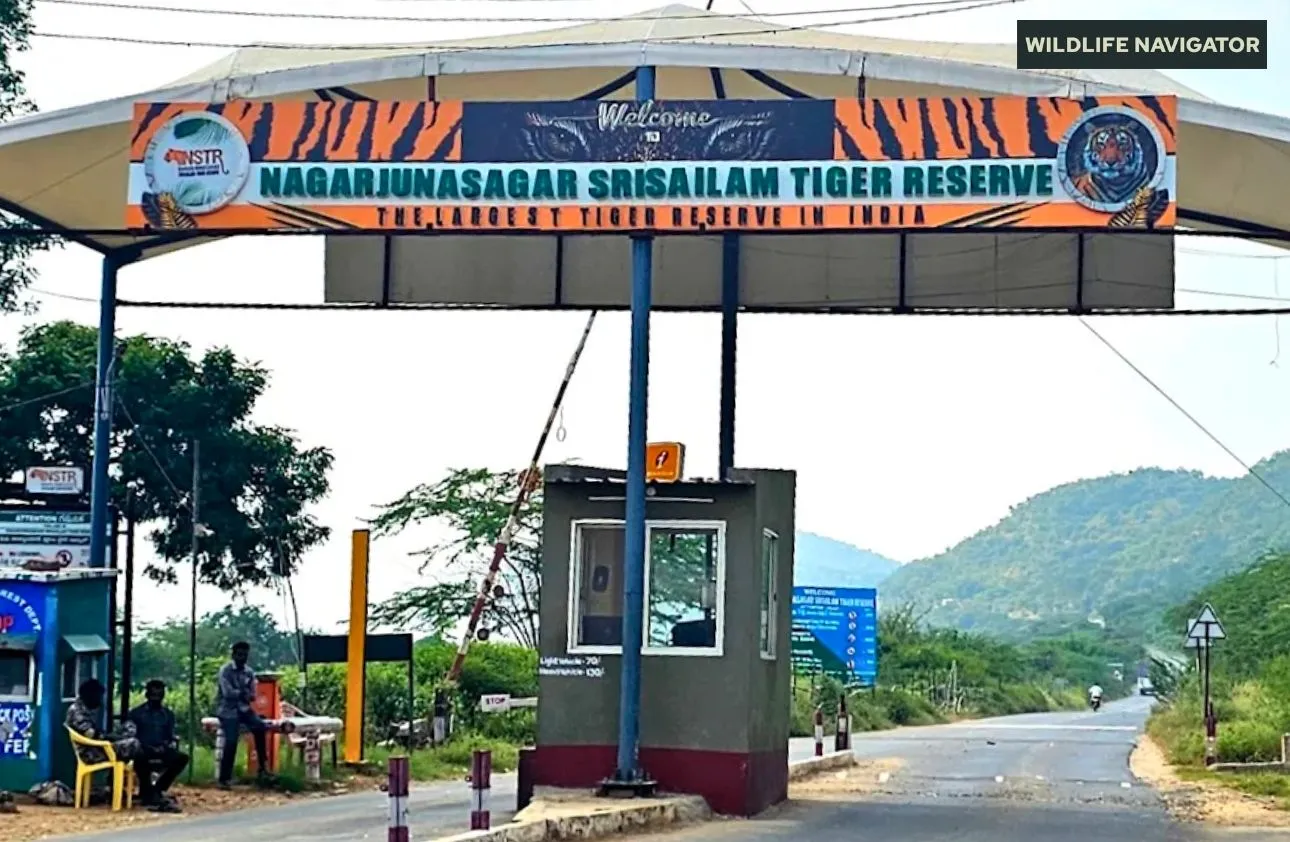
Nagarjunsagar Srisailam Tiger Reserve, located across Andhra Pradesh and Telangana, holds the distinction of being the largest tiger reserve in India. Spread over an impressive expanse of more than 3,700 sq km in the rugged Nallamala Hills of the Eastern Ghats, the reserve is a stronghold for big cats and an ecological treasure trove. Established under Project Tiger in 1983, it plays a pivotal role in safeguarding India’s national animal and preserving one of the country’s most unique forest landscapes.
The reserve is home to a healthy population of Bengal tigers, leopards, and dholes (wild dogs), supported by abundant prey such as spotted deer, sambar, and wild boar. Srisailam and Amrabad zones are among the most promising areas for tiger sightings. For wildlife photographers, this reserve is a paradise, offering raw wilderness, natural lighting in open valleys, and thrilling opportunities to capture elusive predators in their natural habitat.
Apart from its predators, the reserve is also famous for the Nagarjunsagar Dam, one of the largest man-made reservoirs in the world, which enriches the ecosystem and attracts diverse bird species. Its ecological richness, combined with spiritual significance from ancient temples nestled in its forests, makes it one of the most fascinating Tiger Reserves in India, blending wildlife, culture, and heritage.
History, Geography & Landscape
The Nagarjunsagar Srisailam Tiger Reserve was officially established in 1983, but its forests have a much older history. Once the hunting grounds of local rulers and dynasties, the Nallamala Hills were gradually recognised for their immense ecological value. The declaration of this region under Project Tiger marked a turning point, transforming it into one of the most significant protected areas among all Tiger Reserves in India.
Geographically, the reserve lies within the Eastern Ghats, stretching across five districts in Andhra Pradesh and Telangana. Its vast terrain is characterised by rugged hills, deep valleys, and expansive plateaus. The forests are largely dry deciduous, interspersed with teak, bamboo, and scrub vegetation. Unlike the dense evergreen forests of the Himalayas or Western Ghats, the Nallamala landscape offers wide, open spaces where wildlife sightings can be unexpectedly rewarding.
The lifeline of the reserve is the Krishna River, which meanders through its core and feeds the massive Nagarjunsagar Dam. Seasonal streams and smaller tributaries carve valleys, forming natural watering points for animals. The climate here varies sharply—summers are hot and arid, the monsoon brings lush greenery, and winters are cool and pleasant, making it an ideal time for safaris. This combination of history, geography, and landscape creates a unique setting, offering both ecological significance and scenic beauty for visitors.
Flora and Fauna of Nagarjunsagar Srisailam
The Nagarjunsagar Srisailam Tiger Reserve is not only about its tigers but also a treasure house of biodiversity. Its unique location in the Nallamala Hills makes it a meeting point for varied ecosystems, from dry deciduous forests to scrublands and riverine habitats. This rich diversity sustains a wide range of flora and fauna, offering nature lovers countless opportunities to explore.
Flora
The Nagarjunsagar Srisailam Tiger Reserve is dominated by dry deciduous forests, interspersed with teak, bamboo, and red sanders, a highly valued endemic tree. Other common species include terminalia, anogeissus, and sandalwood. In valleys and near streams, evergreen patches can also be found, creating a striking contrast against the rocky terrain.
Mammals
Apart from tigers and leopards, the reserve is home to the sloth bear, wild dog (dhole), gaur, chinkara, spotted deer, sambar, nilgai, and four-horned antelope. Smaller mammals like the Indian pangolin and slender loris are also found here.
Birds
With over 180 species recorded, birdlife is equally captivating. Notable sightings include the grey hornbill, crested hawk-eagle, peafowl, paradise flycatcher, Indian pitta, and painted stork. The Krishna River also attracts migratory waterbirds.
Reptiles & Amphibians
The reserve shelters a variety of reptiles such as king cobra, python, Russell’s viper, monitor lizard, and star tortoise. Several species of frogs and toads thrive in seasonal streams during monsoon.
This extraordinary mix of plants and animals makes the reserve one of the most biologically diverse landscapes in southern India.
Safari Experience, Entry Fees & Park Zones
Exploring the Nagarjunsagar Srisailam Tiger Reserve is an adventure in itself, with multiple safari options that allow visitors to experience the wilderness from different perspectives. Safaris here are designed to showcase the rugged beauty of the Nallamala Hills while maximising chances of spotting wildlife.
Types of Safari
- Jeep Safari: The most popular way to explore the reserve, offering access deep into core forest areas.
- Boat Safari: Conducted on the Krishna River and backwaters of Nagarjunsagar Dam, ideal for birdwatching and spotting crocodiles.
- Guided Nature Walks & Treks: Available in buffer zones; great for those who prefer observing plants, smaller mammals, and birds.
Entry Gates & Zones
- Srisailam Range: Known for tiger and leopard sightings.
- Amrabad Plateau (Telangana side): Famous for sloth bears, dholes, and large herds of deer.
- Malyala Hills: A hotspot for birdwatchers and trekking enthusiasts.
Entry Fees (Approximate)
- Indian visitors: ₹100–₹200 per person.
- Foreign tourists: ₹300–₹500 per person.
- Camera charges: ₹50–₹200 depending on equipment.
- Safari vehicle hire: ₹1,000–₹2,500 per trip (shared options available).
Booking Process
Safaris can be booked online via state forest department websites or directly at forest entry gates. Local eco-tour operators and guides also assist with arrangements.
This variety of safari experiences ensures that visitors—whether wildlife photographers, birders, or casual tourists—find something memorable in every trip.
How to Reach & Getting Around
Reaching the Nagarjunsagar Srisailam Tiger Reserve is relatively easy, thanks to its proximity to major cities in Andhra Pradesh and Telangana. Whether you prefer air, rail, or road, multiple options are available for visitors.
By Air
- Rajiv Gandhi International Airport, Hyderabad (≈230 km): The nearest major airport with excellent domestic and international connectivity.
- Kurnool Airport (≈140 km): A smaller airport offering regional connectivity.
From either airport, taxis and buses are available to Srisailam or Amrabad.
By Rail
- Markapur Road Railway Station (≈85 km): The closest railway station, convenient for travellers from Andhra Pradesh.
- Nandyal and Kurnool stations: Well-connected to major cities like Hyderabad, Chennai, and Bengaluru.
By Road
The reserve is well connected by highways:
- From Hyderabad: About 5–6 hours via NH44 and Dornala Ghat road.
- From Kurnool: Around 3–4 hours drive.
- From Guntur/Vijayawada: Around 6 hours.
Regular APSRTC buses and private cabs operate to Srisailam town and Amrabad.
Getting Around the Reserve
- Forest Department Vehicles: Safaris are conducted in official jeeps or buses with trained guides.
- Private Vehicles: Not allowed inside core zones, but usable in buffer areas with permits.
- Local Guides: Highly recommended for trekking trails and birding hotspots.
With good connectivity and organised safari systems, reaching and exploring Nagarjunsagar Srisailam is convenient for both solo travellers and families.
Accommodation, Dining & Stay Options
Visiting the Nagarjunsagar Srisailam Tiger Reserve offers a wide range of accommodation choices, from government forest rest houses to eco-camps and budget lodges. Staying close to the forest allows visitors to maximise wildlife sightings and experience the wilderness more intimately.
Forest Rest Houses
The Andhra Pradesh Forest Department operates several rest houses in core and buffer zones, particularly near Srisailam, Amrabad, and Malyala Hills. These facilities are basic but comfortable, with clean rooms, attached bathrooms, and simple furnishings. Ideal for travellers seeking a close-to-nature experience at a reasonable price.
Eco-Camps
For those who want an immersive wilderness experience, community-run eco-camps near the Nagarjunsagar backwaters provide tents or cottages with minimalistic comforts. Many eco-camps organise guided treks, birdwatching tours, and night safaris. Staying here supports local communities and conservation initiatives.
Budget & Mid-Range Guesthouses
Nearby towns like Atmakur, Kurnool, and Dornala offer affordable guesthouses and lodges with basic amenities. These are suitable for families or travellers looking for more privacy and slightly better facilities while remaining accessible to the reserve.
Luxury Stays
Limited luxury resorts exist along the Nagarjunsagar Dam and surrounding hills. These resorts provide modern comforts, multi-cuisine dining, and scenic views of the reservoir and forested hills, ideal for travellers seeking a blend of comfort and nature.
Dining Options
Food options within the reserve are modest, usually available at forest rest houses and eco-camps. Visitors can expect local Andhra cuisine, including vegetarian and non-vegetarian dishes prepared simply yet flavorfully. Nearby towns offer restaurants serving South Indian staples and fast food for those who prefer familiar meals.
Whether you are a budget traveller, an adventure seeker, or someone looking for luxury with a wilderness view, Nagarjunsagar Srisailam has stay options to suit every preference, making your tiger reserve experience both comfortable and memorable.
Travel Tips, Facilities & Visitor Guidelines
Visiting the Nagarjunsagar Srisailam Tiger Reserve requires some preparation to ensure a safe and enjoyable experience. From clothing to equipment, knowing the essentials helps you make the most of your trip while respecting wildlife and local regulations.
Clothing & Essentials
- Clothing: Neutral-colored clothes are recommended to blend with the forest. Light cottons work for summer, rain gear for monsoon, and light woollens for winter.
- Footwear: Comfortable walking shoes or boots for trekking and safari walks.
- Essentials: Binoculars, camera with telephoto lens, mosquito repellent, sunscreen, torch, and reusable water bottles.
Facilities
- Medical Aid: Basic first-aid facilities are available at forest rest houses and entry gates.
- Restrooms & Drinking Water: Present at main entry points and select camps.
- Visitor Centres: Some zones have interpretation centres providing information about flora, fauna, and safety protocols.
Safety Tips
- Never venture into the forest alone; always be accompanied by a guide or forest ranger.
- Avoid loud noises or sudden movements that can disturb wildlife.
- Keep a safe distance from animals; do not attempt to feed them.
Photography & Ethical Guidelines
- Avoid using flash near animals or bird nests.
- Maintain silence near sensitive areas.
- Respect the habitat and refrain from touching plants or removing natural items.
Rules & Conduct
- No littering; carry back all trash.
- Drones are generally prohibited unless officially permitted.
- Follow all instructions from forest officials and safari guides.
By adhering to these tips and guidelines, visitors can safely explore the diverse ecosystems, enjoy wildlife sightings, and contribute positively to the conservation of this unique tiger reserve.
Nearby Attractions, Culture & Suggested Itineraries
The Nagarjunsagar Srisailam Tiger Reserve offers more than wildlife—its surroundings are rich in natural beauty, adventure, and cultural heritage, making it a perfect destination for extended exploration.
Nearby Attractions
- Srisailam Dam and Reservoir: One of the largest man-made dams in India, offering scenic views, boat rides, and photographic opportunities.
- Ahobilam Temples: A series of ancient temples dedicated to Lord Narasimha, nestled in the Nallamala Hills. Trekking to these temples combines spirituality with adventure.
- Kurnool Caves & Belum Caves: Ancient rock formations and underground caves, ideal for history enthusiasts and geology lovers.
- Malyala Hills: Famous for birdwatching and short trekking trails.
Cultural Insights
The region is home to Lambadi and Chenchu tribal communities, who have lived in harmony with the forests for generations. Visitors may experience local handicrafts, traditional festivals, and the community’s unique knowledge of flora and fauna. These tribes often participate in eco-tourism initiatives, guiding safaris and conservation activities.
Suggested Itineraries
- 2-Day Itinerary:
- Day 1: Morning safari in Srisailam core zone, afternoon visit to Srisailam Dam, evening wildlife spotting.
- Day 2: Trek or jeep safari in Malyala Hills, visit a tribal village, and end with a boat ride near the reservoir.
- 3-Day Itinerary:
- Day 1: Srisailam core safari and Ahobilam temple trek.
- Day 2: Amrabad Plateau safari for sloth bears and dholes.
- Day 3: Birdwatching at Malyala Hills, optional visit to Kurnool Caves, and departure.
This combination of wildlife, scenic landscapes, cultural heritage, and adventure makes a visit to Nagarjunsagar Srisailam Tiger Reserve both enriching and memorable. Travellers can plan short or extended stays depending on their interests, whether it’s photography, trekking, or exploring the local culture.
Conservation & Importance of Nagarjunsagar Srisailam
The Nagarjunsagar Srisailam Tiger Reserve plays a crucial role in conserving India’s biodiversity, particularly in the Eastern Ghats. As one of the largest tiger habitats in southern India, it provides a safe haven for tigers, leopards, and other large predators, while also protecting a vast array of endemic and endangered species.
Role in Conservation
Declared under Project Tiger in 1983, the reserve is part of India’s nationwide efforts to maintain healthy tiger populations. Anti-poaching patrols, camera-trap monitoring, and scientific research are ongoing to track predator-prey dynamics and maintain ecological balance. Forest officials also focus on habitat restoration, protecting water sources, and controlling invasive species.
Ecological Significance
Beyond tigers, the reserve preserves dry deciduous forests, rocky plateaus, riverine ecosystems, and bamboo groves, making it a biodiversity hotspot. Many rare species, such as the slender loris, smooth-coated otter, and red sanders trees, depend on its forests. Seasonal rivers and the Krishna backwaters support aquatic life and migratory birds, adding to the ecological complexity.
Challenges
The reserve faces threats like human-wildlife conflict, encroachment, illegal logging, and hunting. Water management near the dam and pressures from tourism also require careful regulation to balance conservation with public access.
How Visitors Can Help
- Support eco-tourism initiatives and stay in community-run lodges.
- Follow “leave no trace” principles, respecting wildlife and their habitats.
- Hire local guides, contributing to conservation-based livelihoods.
- Participate in awareness programs or workshops if available.
By maintaining these practices, visitors become partners in safeguarding one of India’s most important tiger habitats, ensuring that Nagarjunsagar Srisailam continues to thrive for future generations.
Conclusion
The Nagarjunsagar Srisailam Tiger Reserve stands as a shining example of India’s rich biodiversity, blending dense forests, rugged hills, and the life-giving Krishna River. From majestic tigers and elusive leopards to rare birds and endemic flora, the reserve offers a truly immersive wildlife experience.
Beyond its natural beauty, the area also reflects cultural heritage, with tribal communities and ancient temples adding a unique human connection to the landscape. Whether you are a wildlife enthusiast, photographer, or adventure seeker, the reserve provides memorable safaris, trekking trails, and eco-stays that bring you closer to nature.
By visiting responsibly, supporting eco-tourism, and following forest guidelines, travellers can help protect this critical habitat while enjoying one of southern India’s most extraordinary tiger reserves.