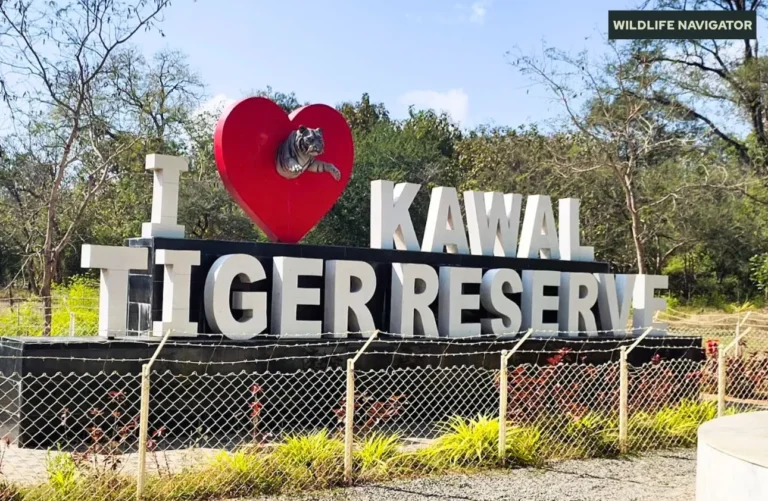
Top 10 Largest Tiger Reserves in India – 2026

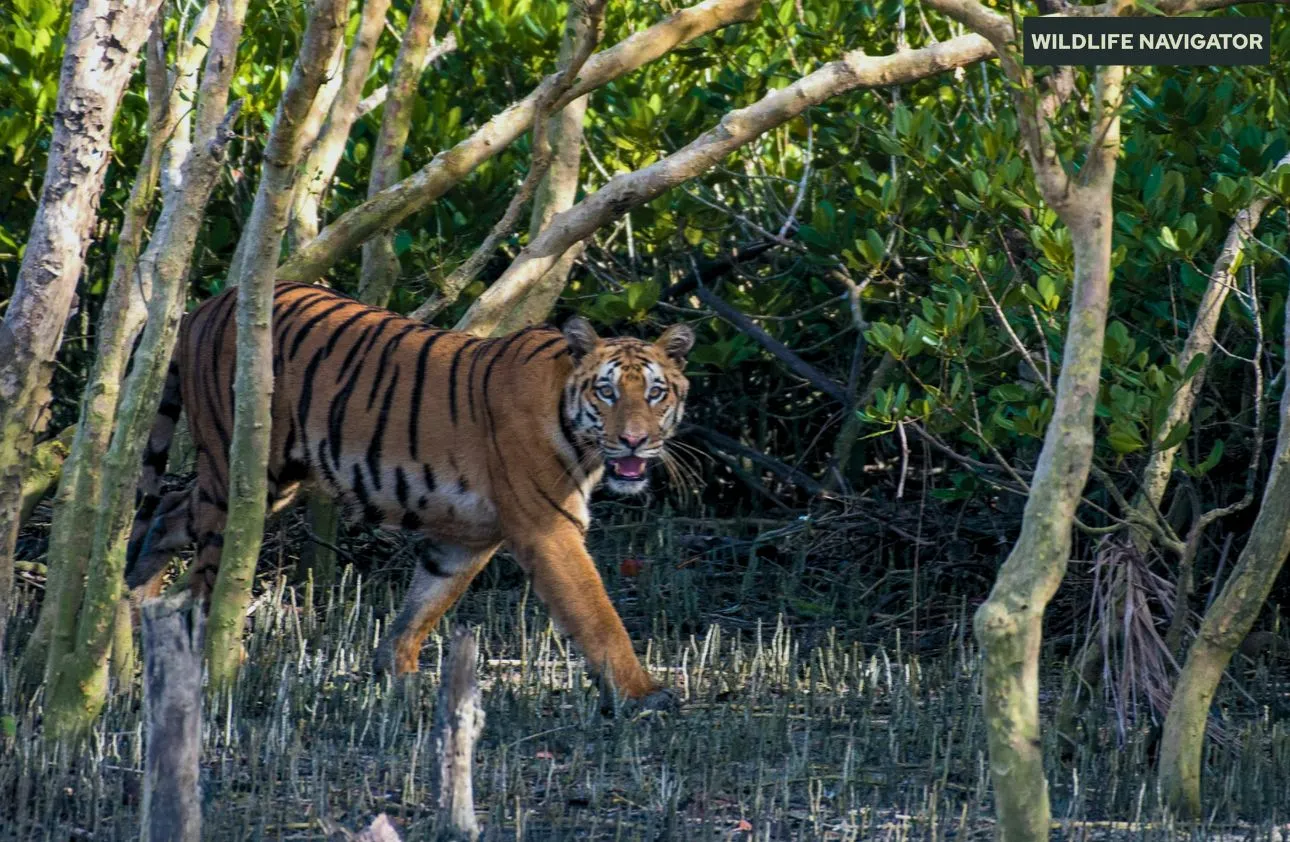
India is home to more than 70% of the world’s wild tigers, making it the planet’s most crucial stronghold for this iconic big cat. From dense mangrove forests to rugged plateaus, the country’s varied landscapes provide the perfect habitats for tigers to thrive. As conservation efforts under Project Tiger continue to show remarkable success, the importance of large, ecologically rich tiger reserves has never been greater.
These vast protected areas are not just safe havens for tigers—they are living ecosystems that support thousands of species of plants, birds, mammals, and insects. Large tiger reserves help maintain genetic diversity, reduce the risk of territorial conflict among tigers, and ensure long-term population survival. Many of these reserves also function as vital watersheds and carbon sinks, contributing significantly to environmental stability.
In this blog post, we explore the top 10 largest tiger reserves in India, ranked by their total area (core + buffer). Each of these landscapes tells a powerful story of conservation, resilience, biodiversity, and natural grandeur. Whether you’re a wildlife enthusiast, a researcher, a traveller, or a conservation storyteller, this list will give you meaningful insights into India’s most expansive tiger habitats.
What Defines a “Tiger Reserve” in India
India’s tiger reserves are governed under Project Tiger, a pioneering conservation programme launched in 1973 to protect Bengal tigers and their rapidly shrinking habitats. Each tiger reserve in the country is carefully planned, monitored, and managed under the guidance of the National Tiger Conservation Authority (NTCA), ensuring a scientific approach to wildlife protection.
A tiger reserve is typically divided into two main zones:
Core Zone (Critical Tiger Habitat)
This is the heart of the reserve — a strictly protected, undisturbed area where human activities are highly restricted. The core zone is designed to provide tigers with safe breeding spaces, abundant prey, and minimal human interference. It is managed with the sole focus of ecological balance and wildlife preservation.
Buffer Zone
Surrounding the core is the buffer zone, where regulated human activities such as sustainable grazing, eco-tourism, and community-based initiatives may occur. This zone helps reduce pressure on the core, creates livelihood opportunities for local communities, and acts as a transition space between protected forests and human settlements.
Why Size Matters
The total area of a tiger reserve is the combined size of its core and buffer zones. Larger reserves offer:
- Greater ecological stability
- More natural corridors for tiger movement
- Lower territorial conflicts between tigers
- Higher prey availability
- Reduced risk of habitat fragmentation
Legal & Administrative Framework
Tiger reserves are managed through:
- NTCA guidelines
- State Forest Departments
- Scientific monitoring programs (like M-STrIPES)
- Habitat restoration and anti-poaching measures
- Community-involved conservation efforts
Together, these elements define how a tiger reserve is protected, expanded, and maintained, ensuring India remains a global leader in big-cat conservation.
Methodology for Ranking
To ensure accuracy and consistency, the ranking of the Top 10 Largest Tiger Reserves in India in this blog is based on verified and authoritative sources. The data used to determine the size of each reserve follows a clear and transparent methodology:
Primary Data Sources
- Wildlife Navigator – Tiger Reserves in India
(https://wildlifenavigator.com/tiger-reserves-in-india/)- Our own curated database that compiles updated information on tiger reserves across the country.
- Includes area breakdowns, reserve boundaries, buffer/core details, and state-level updates.
- National Tiger Conservation Authority (NTCA)
- India’s apex body overseeing tiger conservation and management.
- Official documents, notifications, and reserve profiles are referenced to verify area statistics and recent changes such as expansions or re-notifications.
Ranking Criteria
The primary parameter used for ranking is the Total Area of the Tiger Reserve, which includes:
- Core Area (Critical Tiger Habitat)
- Buffer Area
Reserves with the highest combined area (core + buffer) are placed higher in the list.
Data Verification Process
- Cross-checking figures from Wildlife Navigator with the latest NTCA records.
- Accounting for updated gazette notifications when reserves undergo expansions or boundary modifications.
- Resolving discrepancies when different sources report slightly varying figures by prioritising NTCA’s official data.
Important Notes & Caveats
- Tiger reserve areas may change over time due to expansions, new buffer notifications, or administrative restructuring.
- Some reserves undergo periodic reclassification of buffer or eco-sensitive zones, which may affect the total area.
- This list reflects the most widely accepted and officially published numbers at the time of writing.
Top 10 Largest Tiger Reserves in India
Below are the ten biggest tiger reserves in India, ranked by their total area (core + buffer) based on data from Wildlife Navigator and NTCA.
Nagarjunsagar–Srisailam Tiger Reserve

- State: Andhra Pradesh & Telangana
- Total Area: ~3,296 km²
- Year Established: 1983
- Landscape: Deep canyons, rocky plateaus, Nallamala Hills
- Highlights:
- India’s largest tiger reserve.
- Home to tigers, leopards, sloth bears, pangolins, and mugger crocodiles.
- Dense teak–mixed forests with dramatic gorges formed by the Krishna River.
- Why It Stands Out:
Its sheer size and rugged terrain make it one of the most secure tiger habitats in southern India. - Full details: https://wildlifenavigator.com/nagarjunsagar-srisailam-tiger-reserve/
Manas Tiger Reserve

- State: Assam
- Total Area: ~2,837 km²
- Year Established: 1973 (Project Tiger)
- Landscape: Alluvial grasslands, moist deciduous forests, riverine belts
- Highlights:
- UNESCO World Heritage Site.
- Habitat for rare species: golden langur, pygmy hog, Hispid hare.
- Flows along the Bhutan border, part of a transboundary conservation landscape.
- Why It Stands Out:
One of the most biodiverse tiger landscapes in India with global ecological significance. - Full details: https://wildlifenavigator.com/manas-national-park/
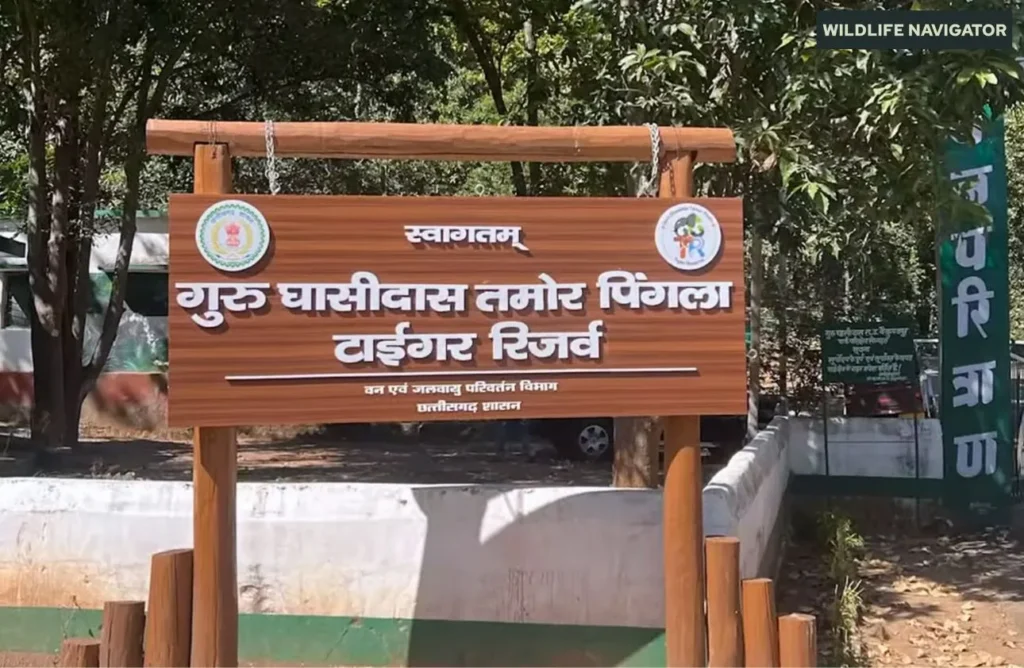
Guru Ghasidas–Tamor Pingla Tiger Reserve
- State: Chhattisgarh
- Total Area: ~2,829 km²
- Year Established: 2021
- Landscape: Sal forests, rolling hills, river basins
- Highlights:
- Among India’s newest tiger reserves.
- Significant corridor linking Bandhavgarh and Palamu tiger landscapes.
- Rich in herbivores: sambar, chital, nilgai, wild boar.
- Why It Stands Out:
Crucial for restoring tiger populations in central India’s northern landscape. - Full details: https://wildlifenavigator.com/guru-ghasidas-tamor-pingla-tiger-reserve/
Indravati Tiger Reserve

- State: Chhattisgarh
- Total Area: ~2,799 km²
- Year Established: 1983
- Landscape: Hill ranges, dense tropical forests, Indravati River basin
- Highlights:
- Only tiger reserve in South Chhattisgarh.
- Known for rare wildlife like wild buffalo, hill myna, and dhole.
- Why It Stands Out:
One of India’s least-explored reserves with vast, untouched wilderness. - Full details: https://wildlifenavigator.com/indravati-national-park/
Melghat Tiger Reserve

- State: Maharashtra
- Total Area: ~2,768 km²
- Year Established: 1973
- Landscape: Satpura hills, ravines, teak forests
- Highlights:
- One of the first tiger reserves created under Project Tiger.
- Rich birdlife — paradise flycatcher, crested serpent eagle.
- Houses endangered forest owlet.
- Why It Stands Out:
Its rugged terrain and thick forests offer excellent tiger movement corridors. - Full details: https://wildlifenavigator.com/melghat-tiger-reserve/
Similipal Tiger Reserve

- State: Odisha
- Total Area: ~2,750 km²
- Year Established: 1973
- Landscape: Semi-evergreen forests, meadows, waterfalls
- Highlights:
- Home to black tigers (pseudo-melanistic).
- Part of the UNESCO Biosphere Reserve network.
- Famous for Barehipani and Joranda waterfalls.
- Why It Stands Out:
A biodiversity hotspot with unique tiger pigmentation not found elsewhere. - Full details: https://wildlifenavigator.com/similipal-national-park/
Amrabad Tiger Reserve

- State: Telangana
- Total Area: ~2,611 km²
- Year Established: 2014 (after split from Nagarjunsagar–Srisailam)
- Landscape: Nallamala Hills, mixed dry forests
- Highlights:
- Holds a large population of chital, nilgai, and sloth bears.
- Tribal communities like Chenchus co-exist in the buffer areas.
- Why It Stands Out:
One of India’s most pristine dry forest ecosystems. - Full details: https://wildlifenavigator.com/amrabad-tiger-reserve/
Sundarbans Tiger Reserve

- State: West Bengal
- Total Area: ~2,585 km²
- Year Established: 1973
- Landscape: Mangrove forests, tidal waterways, mudflats
- Highlights:
- Known for swimming tigers adapted to tidal habitats.
- UNESCO World Heritage Site.
- Habitat for estuarine crocodiles, fishing cats, king cobras.
- Why It Stands Out:
The world’s largest mangrove tiger habitat, unique in every way. - Full details: https://wildlifenavigator.com/sundarbans-tiger-reserve/
Dudhwa Tiger Reserve

- State: Uttar Pradesh
- Total Area: ~2,201.77 km²
- Year Established: 1987
- Landscape: Terai grasslands, swamp forests, wetlands
- Highlights:
- Comprises Dudhwa National Park, Kishanpur WLS, and Katarniaghat WLS.
- Home to Bengal florican and Indian one-horned rhino (reintroduced).
- Why It Stands Out:
One of the finest terai ecosystems supporting tigers and mega-herbivores. - Full details: https://wildlifenavigator.com/dudhwa-national-park/
Satpura Tiger Reserve

- State: Madhya Pradesh
- Total Area: ~2,133.30 km²
- Year Established: 2000
- Landscape: Sandstone peaks, valleys, dense forests
- Highlights:
- Known for India’s first walking safari.
- Tigers, leopards, wild dogs, giant squirrels thrive here.
- Why It Stands Out:
A uniquely immersive wildlife destination with high-quality conservation. - Full details: https://wildlifenavigator.com/satpura-national-park/
Regional Distribution & Patterns
India’s tiger reserves are spread across diverse landscapes, from Himalayan foothills to coastal mangroves and central Indian plateaus. The top 10 largest tiger reserves reveal clear regional patterns that highlight the country’s ecological richness and conservation priorities.
Dominance of Central & Eastern India
A significant number of the largest reserves—such as Indravati, Guru Ghasidas–Tamor Pingla, Melghat, and Satpura—are located in central India. This region forms the backbone of India’s tiger corridor landscape, known for:
- Dense sal and teak forests
- Continuous forest patches
- High prey availability
- Fewer fragmentation barriers compared to other zones
Central India remains one of the most important tiger strongholds globally.
Unique Eastern Biodiversity Hotspots
Reserves like Manas and Sundarbans reflect the exceptional ecological variety of eastern India. These landscapes stand out due to:
- Transboundary connectivity (India–Bhutan)
- Mangrove ecosystems unlike anywhere else on Earth
- Rich populations of endemic and endangered species
Eastern India contributes some of the most ecologically sensitive tiger habitats.
Southern India’s Expansive Forest Blocks
The south hosts two of India’s largest tiger reserves:
- Nagarjunsagar–Srisailam (India’s biggest)
- Amrabad, also among the top 10
These reserves are part of the Nallamala forest system, known for its rugged terrain, vast plateaus, and relatively undisturbed forest cover. Their contiguity creates one of India’s largest dry-deciduous forest belts.
Western & Himalayan Regions Represent Niche Habitats
Reserves like Similipal represent eastern coastal forests, while Dudhwa represents the Terai grasslands of the Himalayan foothills. These regions offer:
- High moisture levels
- Swamp habitats
- Grassland–forest mosaics ideal for both elephants and tigers
Landscape Connectivity Matters
Many of these large reserves are strategically positioned to act as wildlife corridors between major forest blocks. Examples:
- Guru Ghasidas connecting central Indian tiger landscapes
- Manas linking the Eastern Himalayan biodiversity region
- Dudhwa forming part of the Terai Arc landscape
Connectivity ensures long-term gene flow, reduces inbreeding, and supports population recovery.
Patterns of Human-Wildlife Interaction
Patterns differ widely across regions:
- High human dependency around buffer zones in Uttar Pradesh and West Bengal
- Tribal presence (like Chenchus) in southern reserves
- Low human density areas in Chhattisgarh leading to vast, undisturbed habitats
These socio-ecological patterns influence the conservation strategies in each region.
Conservation Significance
The largest tiger reserves of India play a critical role in safeguarding not only the Bengal tiger but the entire ecological fabric of the subcontinent. Their sheer size, diversity, and ecological importance make them indispensable for long-term wildlife protection.
Large Reserves Support Stronger Tiger Populations
Big landscapes ensure:
- Healthy gene flow among tiger populations
- Reduced territorial conflicts, especially among males
- Lower chances of inbreeding, which is essential for long-term species survival
These reserves provide the space tigers need for hunting, breeding, and establishing stable territories.
Protection of Keystone Species & Entire Ecosystems
Tigers are apex predators, and their presence regulates populations of herbivores like deer, wild boar, and antelope. This maintains the natural balance of forests.
Large reserves also support other threatened species such as:
- Asian elephants
- Dholes (wild dogs)
- Himalayan black bears
- Hispid hare
- Bengal florican
- Estuarine crocodile
Protecting tiger habitats inherently protects these species too.
Vital Carbon Sinks & Climate Regulators
These vast forested regions absorb significant amounts of carbon dioxide, helping combat climate change.
- Central Indian forests (Melghat, Satpura, Indravati) form important carbon reservoirs.
- Mangrove ecosystems in Sundarbans help buffer the impact of cyclones and coastal erosion.
Watershed Protection & River Conservation
Many major rivers and tributaries originate or flow through these reserves, making them essential for water security.
Examples:
- The Krishna River flows through Nagarjunsagar–Srisailam
- Manas River in Manas Tiger Reserve
- Indravati River in Chhattisgarh
These rivers support millions of people downstream.
Natural Corridors That Reduce Fragmentation
Large tiger reserves help maintain broad ecological corridors that allow the movement of wildlife across states and landscapes. Corridor connectivity prevents:
- Genetic isolation
- Local extinctions
- Habitat degradation due to blocked movement
Examples include the Central Indian Tiger Corridor and the Terai Arc Landscape.
Buffer Zones Help Sustain Local Communities
Many large reserves include extensive buffer areas where sustainable human activity is allowed. This creates:
- Eco-tourism opportunities
- Livelihoods for forest-dependent communities
- Platforms for community-led conservation
- Reduced pressure on core zones, allowing them to thrive naturally
When communities benefit, conservation success becomes more sustainable.
Safeguards Against Poaching & Illegal Activities
Large reserves often have better resources and personnel for anti-poaching operations.
- Patrol camps, camera traps, rapid response teams
- Monitoring systems like M-STrIPES
- Coordination with NTCA and local forest departments
Their size and infrastructure make them more capable of preventing wildlife crime.
Why This Matters Globally
With India hosting more tigers than the rest of the world combined, the country’s largest reserves are global conservation assets. They represent one of the world’s most successful wildlife recovery stories — a testament to decades of scientific management, community participation, and strong legislative frameworks.
Tourism & Visitor Experience
While many of India’s largest tiger reserves are vast wildernesses with limited human access, several offer exceptional wildlife experiences, eco-tourism facilities, and unique ways to explore nature. Each reserve provides its own flavour of adventure — from boat safaris in mangrove forests to walking trails in rugged hills.
Tourist-Friendly vs. Remote Reserves
Not all of the largest tiger reserves are equally accessible.
- Highly tourism-friendly reserves:
- Manas, Melghat, Sundarbans, Satpura, Dudhwa
- More remote or restricted reserves:
- Indravati, Guru Ghasidas–Tamor Pingla, parts of Nagarjunsagar–Srisailam and Amrabad
This mix provides opportunities for both casual travellers and hardcore wildlife explorers.
Best Time to Visit
Most tiger reserves in India are open from October to June, with peak wildlife sightings occurring during:
- March to May (summer): Dry forests improve visibility; tigers frequent waterholes.
- November to February (winter): Pleasant weather, excellent for birdwatching.
Sundarbans has a slightly different pattern, with December to February being ideal due to cooler, mosquito-free conditions.
Safari Options & Unique Experiences
Gypsy Safaris
The most common safari mode in Melghat, Dudhwa, Satpura, and Manas.
- Offers deep forest access
- Best for wildlife photography and tiger tracking
Boat Safaris
A rarity in India, offered notably in:
- Sundarbans — Navigate tidal creeks among mangroves to spot swimming tigers, crocodiles, and fishing cats.
- Manas (seasonal) — Rafting on the Manas River.
Walking Safaris
Unique to Satpura Tiger Reserve, the only place in India where walking inside the core zone is allowed under strict regulation.
- Excellent for birdwatchers
- Great for those seeking an immersive jungle experience
Jungle Stays & Eco-Lodges
Many reserves have forest rest houses, eco-resorts, and government lodges that offer serene stays:
- Melghat — Kolkas FRH
- Manas — Mathanguri Lodge (overlooking Bhutan hills)
- Satpura — High-end eco-lodges with guided treks
- Sundarbans — Eco-villages on islands
Wildlife You Can Expect to Spot
Depending on the region, tourists may encounter:
- Bengal tigers
- Leopards & black panthers (rare)
- Elephants (Dudhwa, Manas, Similipal)
- Crocodiles (Sundarbans)
- Wild dogs (dhole) (central India)
- Gaur, sambar, chital, barasingha
- Rare species like:
- Golden langur (Manas)
- Forest owlet (Melghat)
- Fishing cat (Sundarbans)
Birdwatching is also superb in most reserves, with species like hornbills, eagles, owls, kingfishers, and migratory birds.
Recent Developments & Challenges
India’s tiger conservation landscape is constantly evolving. While the country has achieved remarkable success in increasing tiger numbers, several emerging challenges and ongoing developments continue to shape the future of its largest tiger reserves.
New Tiger Reserves & Expanding Landscapes
In recent years, India has added new reserves like:
- Guru Ghasidas–Tamor Pingla (Chhattisgarh)
- Ramagundam’s Kawal expansion (Telangana)
- Areas under consideration in Goa, Rajasthan, and Uttarakhand
These additions improve habitat connectivity and offer long-term ecological stability.
Strengthening Tiger Corridors
Maintaining connectivity between large reserves is becoming a top priority. NTCA and state forest departments are working on:
- Securing wildlife corridors through eco-sensitive zone notifications
- Habitat restoration projects
- Relocation from critical wildlife areas when necessary
- Creating inviolate spaces in core zones
Efforts like these help prevent fragmentation and ensure genetic health among tiger populations.
Technology-Driven Conservation
Modern conservation tools are being adopted across multiple reserves:
- M-STrIPES for scientific patrolling
- Camera trap grids for accurate tiger monitoring
- GIS-based habitat analysis
- Drone surveillance in difficult terrain (Sundarbans, Chhattisgarh)
These innovations help track tigers, curb poaching, and map habitat changes effectively.
Human–Wildlife Conflict
As tiger populations rise and buffer zone pressure increases, conflict has become a growing concern.
Key issues include:
- Livestock depredation
- Crop damage
- Occasional human casualties
- Encroachment and forest depletion
States manage these through compensation schemes, rapid response teams, and awareness programs.
Poaching & Illegal Wildlife Trade
Despite stronger protection measures, poaching remains a threat.
Challenges include:
- Organised trafficking networks
- Demand for tiger derivatives
- Vulnerable border landscapes (Manas, Sundarbans)
Forest departments continue to upgrade anti-poaching camps, intelligence networks, and night patrol systems.
Climate Change Impacts
Climate shifts are affecting tiger habitats in multiple ways:
- Sundarbans faces rising sea levels and increased cyclones
- Central India is experiencing more frequent forest fires
- Dudhwa and Manas see unpredictable monsoons impacting grassland cycles
- Water scarcity affects prey availability in summer
Long-term climate resilience planning is now a key element of tiger conservation.
Community Participation is Crucial
Across India, local communities play an essential role in tiger conservation. Positive developments include:
- Eco-development committees (EDCs)
- Alternative livelihood programs for forest-dependent families
- Community-led tourism initiatives
- Tribal involvement in buffer zone management (e.g., Chenchus in Amrabad)
Community-inclusive models have proven more sustainable than strict exclusionary conservation.
Balancing Tourism & Conservation
With increasing tourist interest, especially in famous reserves like Satpura, Dudhwa, and Sundarbans, maintaining a balance is critical. Authorities now opt for:
- Limited safari vehicle entry
- Zoning and route rotation
- Eco-friendly lodging
- Strict rules on waste management and noise control
Responsible tourism ensures that wild spaces remain undisturbed.
Conclusion
India’s tiger reserves are not just protected forests — they are vast living ecosystems that safeguard some of the planet’s richest biodiversity. From the sprawling wilderness of Nagarjunsagar-Srisailam, the largest reserve in the country, to the tribal heartlands of Similipal, each landscape reflects India’s deep-rooted commitment to tiger conservation.
These top 10 largest reserves highlight how expansive habitats play a critical role in sustaining healthy tiger populations. Larger areas offer:
- Wider corridors for tiger movement
- Better prey base availability
- Reduced human-wildlife conflict
- More stable breeding populations
While size is only one aspect of conservation success, these reserves demonstrate why protecting large landscapes is essential for the long-term survival of the Bengal tiger.
As India continues to strengthen its conservation strategies—supported by organisations like NTCA and countless forest frontline teams—the future of the tiger looks more hopeful than it has in decades. For wildlife enthusiasts, researchers, and travellers, these magnificent reserves are not just destinations but reminders of the natural heritage we must protect for generations to come.