Koyna Wildlife Sanctuary Maharashtra – Flora, Fauna & Top Attractions

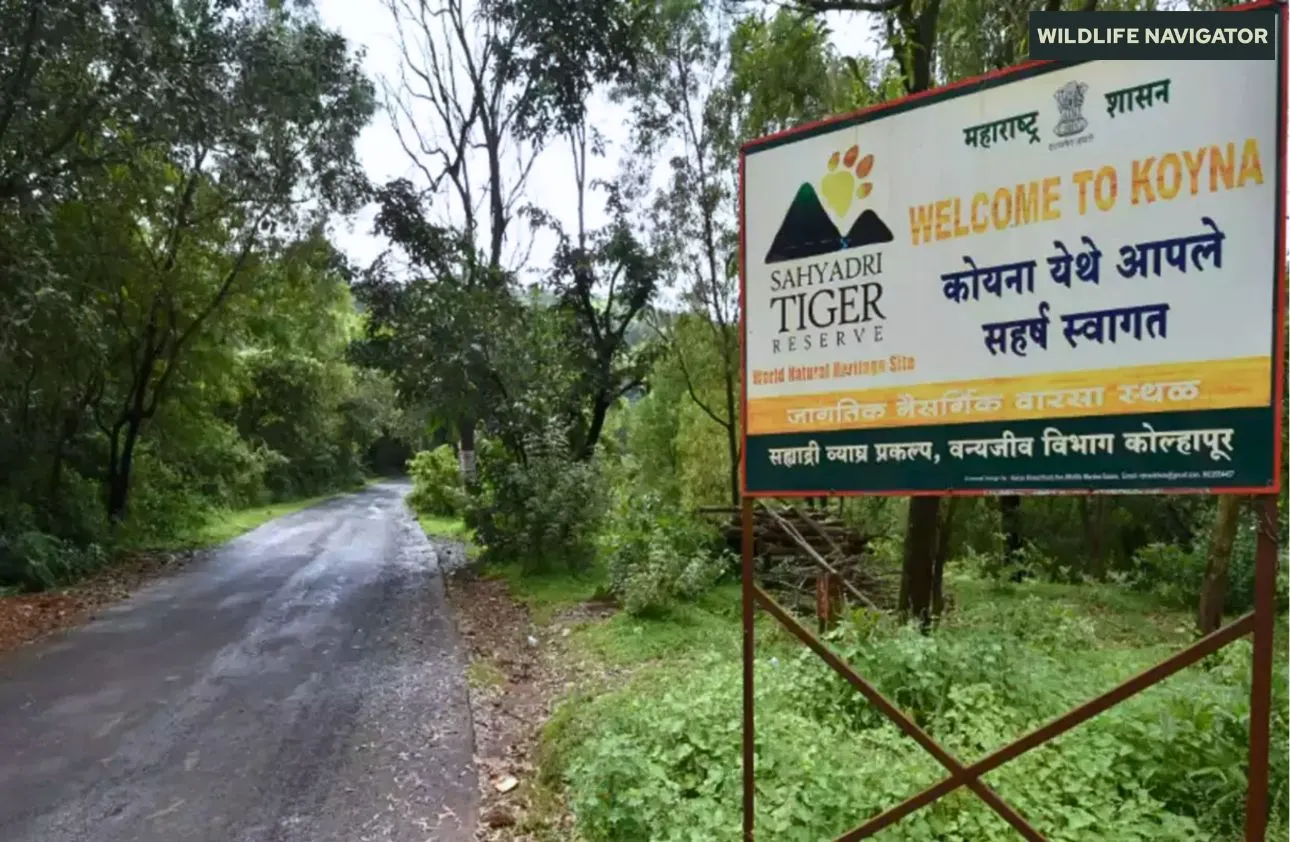
Koyna Wildlife Sanctuary is one of Maharashtra’s most pristine and underrated forest landscapes, tucked deep within the lush folds of the Western Ghats. Spread around the massive Shivsagar Lake and dominated by rugged mountains, dense evergreen forests, and winding valleys, this sanctuary is a haven for biodiversity and a quiet escape for nature lovers.
As part of the Sahyadri Tiger Reserve and recognised under the UNESCO World Heritage Western Ghats site, Koyna holds immense ecological importance. Its untouched wilderness shelters endangered mammals, rare birds, and a variety of reptiles and amphibians found only in this region. Whether you’re a wildlife enthusiast, trekker, birder, or simply someone who seeks serene natural beauty, Koyna Wildlife Sanctuary offers a raw, immersive experience far from typical tourist trails.
History, Establishment and Conservation Importance
Koyna Wildlife Sanctuary was established to protect one of the most ecologically sensitive belts of the Western Ghats—an area known for its dense forest cover, high rainfall, and exceptional species richness. The sanctuary surrounds the catchment of the Koyna Dam, one of India’s major hydroelectric projects, making forest protection crucial for maintaining water quality and ecological stability.
Over the years, Koyna, along with Chandoli Wildlife Sanctuary, has been integrated into the Sahyadri Tiger Reserve, strengthening its role in large predator conservation. Though tiger sightings are rare due to the dense and rugged terrain, the sanctuary forms an important ecological corridor that allows wildlife to move between different habitats across the Ghats.
Conservation efforts here focus on habitat preservation, anti-poaching measures, and maintaining the sanctuary’s pristine forest ecosystem. The region has also gained international recognition as part of the UNESCO World Heritage Western Ghats, highlighting its global significance and the need for sustainable tourism and responsible nature-based activities.
Geography, Terrain and Location
Koyna Wildlife Sanctuary is located in the Satara district of Maharashtra, forming a crucial part of the northern Western Ghats—one of the world’s most biodiverse mountain ranges. The sanctuary spreads across a rugged landscape shaped by steep slopes, deep valleys, dense forests, and the vast backwaters of the Shivsagar Lake, created by the Koyna Dam.
The terrain is a mix of:
- Evergreen and semi-evergreen forested hills
- Moist deciduous woodlands
- Narrow riverine patches along the Koyna and Kandati rivers
- Plateaus and high-altitude ridges that offer sweeping views of the Ghats
This variation in altitude and habitat creates rich niches for diverse wildlife species. The sanctuary’s position around the Koyna River catchment makes it one of Maharashtra’s most vital water and forest conservation zones.
Accessibility:
Koyna lies about 65–70 km from Satara city and is reachable via road from major urban centres like Pune, Mumbai, and Kolhapur. The surrounding villages, including Koynanagar, Bamnoli, and Tapola, act as convenient access points for treks, boating, and forest entry permits.
Best Time to Visit
Koyna Wildlife Sanctuary experiences a classic Western Ghats climate, dominated by heavy monsoon rains, misty winters, and moderately warm summers. This unique climate not only supports rich biodiversity but also influences when visitors can explore the sanctuary comfortably.
Season Overview
- Summer (March–May):
Temperatures remain moderate compared to other parts of Maharashtra, often ranging between 22°C and 32°C. While the forest stays green, humidity levels increase, and wildlife sightings can become challenging. - Monsoon (June–September):
This is when Koyna receives extremely heavy rainfall. The sanctuary turns vibrant and lush, with streams and waterfalls flowing at full strength. However, most trekking routes—including Vasota—remain closed due to safety concerns. Slippery trails, swollen streams, and leeches make this season unsuitable for visits. - Winter (October–February):
The most pleasant and safest time to explore. Temperatures remain cool (15°C–25°C), the air is crisp, and the forests are rich with post-monsoon greenery. Bird activity also peaks during these months, making it perfect for birdwatchers and trekkers.
October to February is the ideal window for visiting Koyna Wildlife Sanctuary. Clear skies, dry trails, and comfortable temperatures allow visitors to enjoy treks, boat rides, wildlife spotting, and scenic viewpoints. This is also the period when forest authorities permit the Vasota Fort Trek, which remains closed during monsoons.
Flora: Forest Types and Key Plant Species
Koyna Wildlife Sanctuary is blessed with some of the most diverse forest ecosystems in the Western Ghats. Its vegetation varies with altitude, rainfall, and terrain, creating a mosaic of rich habitats that support thousands of plant species, many of which are endemic to this region.
Forest Types Found in Koyna
- Tropical Evergreen Forests
- Found in high-rainfall and high-altitude zones
- Dense canopy cover with minimal light reaching the ground
- Home to moisture-loving plants, evergreen shrubs, and climbers
- Semi-Evergreen Forests
- Transitional forests between evergreen and deciduous zones
- Remain green most of the year
- Support diverse fauna due to their layered vegetation structure
- Moist Deciduous Forests
- Found in lower elevations and on plateaus
- Trees shed leaves briefly during dry months
- Provide open patches ideal for herbivores and ground flora
Notable Plant Species
Koyna’s forests are rich in medicinal herbs, flowering plants, towering trees, and rare Western Ghats endemics. Prominent species include:
- Hirda (Terminalia chebula)
- Jamun (Syzygium cumini)
- Anjani (Memecylon umbellatum) – a characteristic evergreen species
- Shisam (Dalbergia latifolia)
- Bamboo groves in lower and mid-altitude patches
- Various wildflowers and herbs that bloom post-monsoon
The dense green cover plays a crucial role in maintaining the sanctuary’s cool climate, sustaining wildlife, and preserving the water catchment of the Koyna River.
Fauna: Mammals, Birds, Reptiles and Amphibians
Koyna Wildlife Sanctuary is a thriving refuge for a wide variety of wildlife, thanks to its dense forests, abundant water sources, and protected landscape. As part of the Sahyadri Tiger Reserve, the sanctuary forms an essential habitat corridor for many Western Ghats species—some rare, some endangered, and many found only in this region.
Mammals
Koyna supports a mix of large predators, herbivores, and small mammals, including:
- Bengal Tiger – elusive but present within the larger tiger reserve landscape
- Indian Leopard – frequently recorded across rugged forest patches
- Gaur (Indian Bison) – commonly seen in herds
- Sloth Bear – inhabits rocky terrains and dense thickets
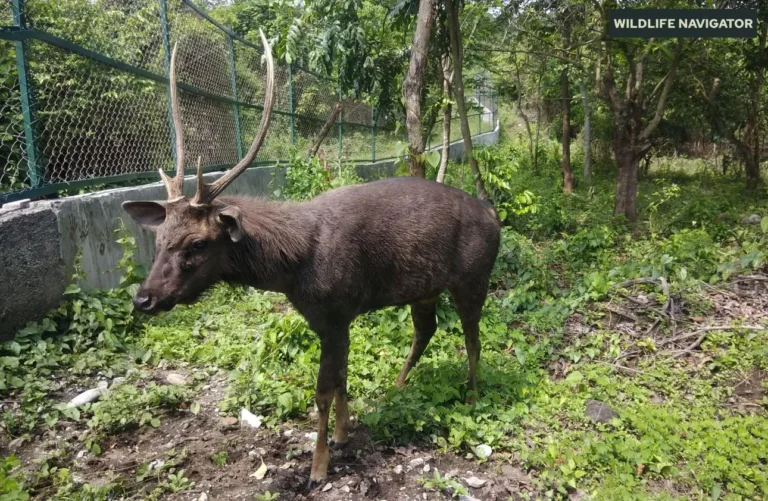
- Sambar Deer – the most common herbivore
- Barking Deer (Muntjac) – often spotted near streams
- Mouse Deer – rare and shy, found in deep evergreen areas
- Wild Boar, Indian Giant Squirrel, and Indian Crested Porcupine
Birds
Koyna is a paradise for birdwatchers, especially during winter when activity peaks. Over 200 bird species have been recorded, including many endemic to the Western Ghats:
- Malabar Grey Hornbill
- Crested Serpent Eagle
- Emerald Dove
- Oriental Dwarf Kingfisher
- Grey Junglefowl
- Malabar Whistling Thrush (“Whistling Schoolboy”)
- Yellow-browed Bulbul, Nilgiri Wood Pigeon, and other regional specials
Reptiles and Amphibians
The sanctuary’s moist environment supports an impressive diversity of herpetofauna:
- King Cobra
- Indian Rock Python
- Malabar Pit Viper (a Western Ghats endemic)
- Various skinks, geckos, and tree frogs
- Numerous Western Ghats frog species, especially active post-monsoon
Why Faunal Diversity Thrives Here
- Dense multi-layered forests
- Permanent water sources from the Koyna River
- Minimal human interference inside core zones
- Connectivity with Chandoli Sanctuary and other protected areas
Together, these factors make Koyna one of Maharashtra’s richest biodiversity hotspots.
Major Zones, Viewpoints and Top Attractions
Koyna Wildlife Sanctuary offers a mix of scenic viewpoints, forested trails, and serene lakeside spots that highlight the beauty and wilderness of the Western Ghats. While the sanctuary doesn’t operate traditional jeep safaris like other parks, its attractions focus on nature exploration, trekking, boating, and panoramic landscapes.
Shivsagar Lake (Koyna Backwaters)
The vast Shivsagar Lake forms the heart of the sanctuary, created by the Koyna Dam. The lake adds dramatic beauty to the landscape, with:
- Mirror-like waters
- Forested hills rising from the shores
- Excellent birdwatching opportunities
- Boating routes leading toward trekking points
Vasota Fort Area
One of the most iconic attractions, the Vasota Fort lies deep within the core forest zone. Accessible only via boat from Bamnoli, the area is known for:
- Dense evergreen forests
- Wildlife-rich surroundings
- A thrilling forest trek
- Stunning views of the backwaters and valleys from the fort top
Bamnoli Village
This peaceful lakeside village serves as the main gateway to Koyna’s natural attractions. Visitors come here for:
- Boat rides to Vasota, Nageshwar, and other forest trails
- Calm lakeside scenery
- Local homestays and authentic rural experiences
Ghatmatha and Plateau Viewpoints
Scattered throughout the sanctuary’s upper reaches are several lesser-known viewpoints offering:
- Panoramic vistas of the Sahyadri mountains
- Mist-covered valleys during winter
- Beautiful sunrise and sunset spots
Forest Trails and Scenic Spots
Short trails around Tapola, Bamnoli, and Koynanagar provide a glimpse into the sanctuary’s flora and fauna. These are ideal for:
- Birdwatching
- Photography
- Experiencing the raw beauty of the Western Ghats without long treks
These attractions collectively make Koyna a haven for solitude seekers, trekkers, and nature lovers who prefer less-commercialised wildlife destinations.
Activities: Trekking, Boating and Wildlife Experiences
Koyna Wildlife Sanctuary is not a traditional safari destination; instead, it offers immersive, slow-travel experiences that bring you close to the raw wilderness of the Western Ghats. From forest treks to peaceful lake journeys, the sanctuary encourages eco-friendly exploration.
Trekking Adventures
Koyna is a paradise for trekkers who love dense forests, hill forts, and challenging trails.
Vasota Fort Trek (Popular & Iconic)
- Reached via a boat ride from Bamnoli
- A forest-filled trail with towering trees, bamboo patches, and panoramic viewpoints
- The fort’s cliff edges overlook Shivsagar Lake, creating postcard-worthy views
- Forest department permits are mandatory, and the trek is closed during the monsoon
Nageshwar Trek (Offbeat and Peaceful)
- Less crowded than Vasota
- Involves a longer trail through evergreen forests
- Ideal for photographers, seasoned trekkers, and solitude seekers
Both treks offer high chances of spotting birds, butterflies, and occasionally large mammals from a safe distance.
Boating on Shivsagar Lake
Boat rides from Bamnoli are among the most scenic experiences in Koyna’s landscape.
- Calm waters surrounded by dense green hills
- Routes leading to trekking starting points
- Ideal for landscape photography and birdwatching
- Safe, slow-paced, and perfect for families and nature lovers
Sunset boat rides are especially magical, with golden light reflecting off the lake.
Wildlife and Birdwatching
Although there are no jeep safaris, visitors can experience wildlife through:
- Guided forest walks
- Trail explorations around Tapola, Koynanagar, and Bamnoli
- Dawn and dusk birdwatching sessions
- Spotting endemic Western Ghats species like the Malabar grey hornbill, the whistling thrush, and the kingfishers
Nature Photography
Koyna’s dramatic landscapes, misty valleys, and wildlife make it a paradise for photographers. The best shots are often captured:
- During early morning treks
- While boating
- From high-altitude viewpoints in winter
- Near forest edges, streams, and bamboo groves
Whether you’re a trekker, photographer, or birdwatcher, the sanctuary offers authentic, slow-paced experiences that allow you to absorb nature at its purest.
How to Reach and Where to Stay
Koyna Wildlife Sanctuary is well-connected yet retains a remote, untouched charm. Whether you’re travelling from major cities or nearby towns, reaching the sanctuary is easy with a bit of planning. Accommodation options range from forest rest houses to lakeside homestays—perfect for wildlife lovers and backpackers alike.
How to Reach Koyna Wildlife Sanctuary
By Air
- Nearest Airport: Pune International Airport (approx. 180–190 km)
- Pune is the most convenient hub, offering direct flights from major Indian cities.
- From Pune, travellers can hire a cab or take a bus towards Satara or Koynanagar.
By Rail
- Nearest Railway Station: Satara Railway Station (approx. 65–70 km)
- Well connected to Pune, Mumbai, Kolhapur, and other Maharashtra cities.
- From Satara, local taxis, jeeps, or buses can take you to Bamnoli, Tapola, or Koynanagar.
By Road
Koyna is accessible through scenic Western Ghats routes:
- From Pune: ~3.5–4 hours
- From Mumbai: ~6–6.5 hours via NH48
- From Kolhapur: ~3 hours
Road conditions are generally good, with lush green landscapes especially post-monsoon. Key access points include:
- Bamnoli – gateway for boating and Vasota trek
- Tapola – known as “Mini Kashmir”, on the lake’s edge
- Koynanagar – closest village to the sanctuary core
Where to Stay Near Koyna Wildlife Sanctuary
Forest Rest Houses (FRHs)
- Managed by the Maharashtra Forest Department
- Offer basic but peaceful stays close to nature
- Ideal for birdwatchers, researchers, and responsible travellers
- Advance booking is recommended
MTDC Resorts
- MTDC Koynanagar is a popular, reliable option
- Clean rooms, good amenities, and beautiful natural surroundings
- Suitable for families and groups
Lakeside Homestays and Eco-Stays
Villages like Bamnoli, Tapola, and Kas offer cozy homestays that provide:
- A local village experience
- Home-cooked Maharashtrian meals
- Direct access to lake activities and forest trails
- Affordable pricing
Hotels & Resorts in Satara
For travellers wanting more comfort or city access:
- Satara offers decent hotels and lodges
- Good option for same-day trips to Koyna and nearby attractions
Tips for Choosing Accommodation
- If you’re planning the Vasota trek, stay in Bamnoli for easy access.
- For photography and scenic views, Tapola offers stunning lakeside sunrises.
- For quiet, forest-edge experience, choose Koynanagar or FRHs.
- Book early during October–February, the peak tourist season.
Travel Tips and Nearby Attractions
Travel Tips for Visiting Koyna Wildlife Sanctuary
1. Permits & Entry Requirements
- The Vasota Fort Trek requires a permit from the Forest Department.
- Carry a valid ID while booking or entering.
- The trek and certain trails remain closed during monsoon (June–September).
2. What to Wear & Carry
- Lightweight, breathable clothing in neutral colors
- Sturdy trekking shoes with good grip
- Reusable water bottle, cap/hat, and sunscreen
- Rain gear if visiting just before/after monsoon
- Binoculars and a camera for birdwatching
3. Safety Guidelines
- Avoid venturing into deep forest zones without a guide
- Do not litter—carry back all waste
- Keep a safe distance from wildlife
- Mobile network may be limited; inform someone about your itinerary
4. Responsible Tourism
- Respect forest rules and follow marked trails
- Support local homestays and eco-friendly stays
- Avoid loud noises and feeding wildlife
Nearby Attractions
Koyna Wildlife Sanctuary is surrounded by several beautiful natural spots that can be added to your itinerary:
- Kaas Plateau (Valley of Flowers of Maharashtra): A UNESCO World Natural Heritage Site known for its seasonal wildflower bloom (August–October).
- Thoseghar Waterfall: A massive cascading fall surrounded by lush green cliffs—best visited post-monsoon.
- Koyna Dam & Nehru Garden: A major hydroelectric project with a stunning viewpoint and a peaceful botanical garden.
- Chalkewadi Windmill Farm: A picturesque landscape dotted with giant windmills and rolling grasslands.
- Tapola (Mini Kashmir): Known for its calm lake, water activities, and breathtaking valley views.
Conclusion
Koyna Wildlife Sanctuary is one of Maharashtra’s most serene and biodiverse forest landscapes, offering a perfect blend of wildlife, adventure, and natural beauty. Far from the bustling tourist hotspots, it provides a raw and immersive experience—from exploring dense evergreen forests and trekking to ancient forts to drifting along Shivsagar Lake’s quiet waters.
Whether you’re a wildlife enthusiast, photographer, trekker, or simply someone seeking a peaceful escape into nature, Koyna promises an unforgettable journey. As you explore this remarkable sanctuary, remember to travel responsibly and help preserve the delicate ecosystems that make Koyna such a priceless part of the Western Ghats.