Bannerghatta National Park – Bengaluru, Karnataka

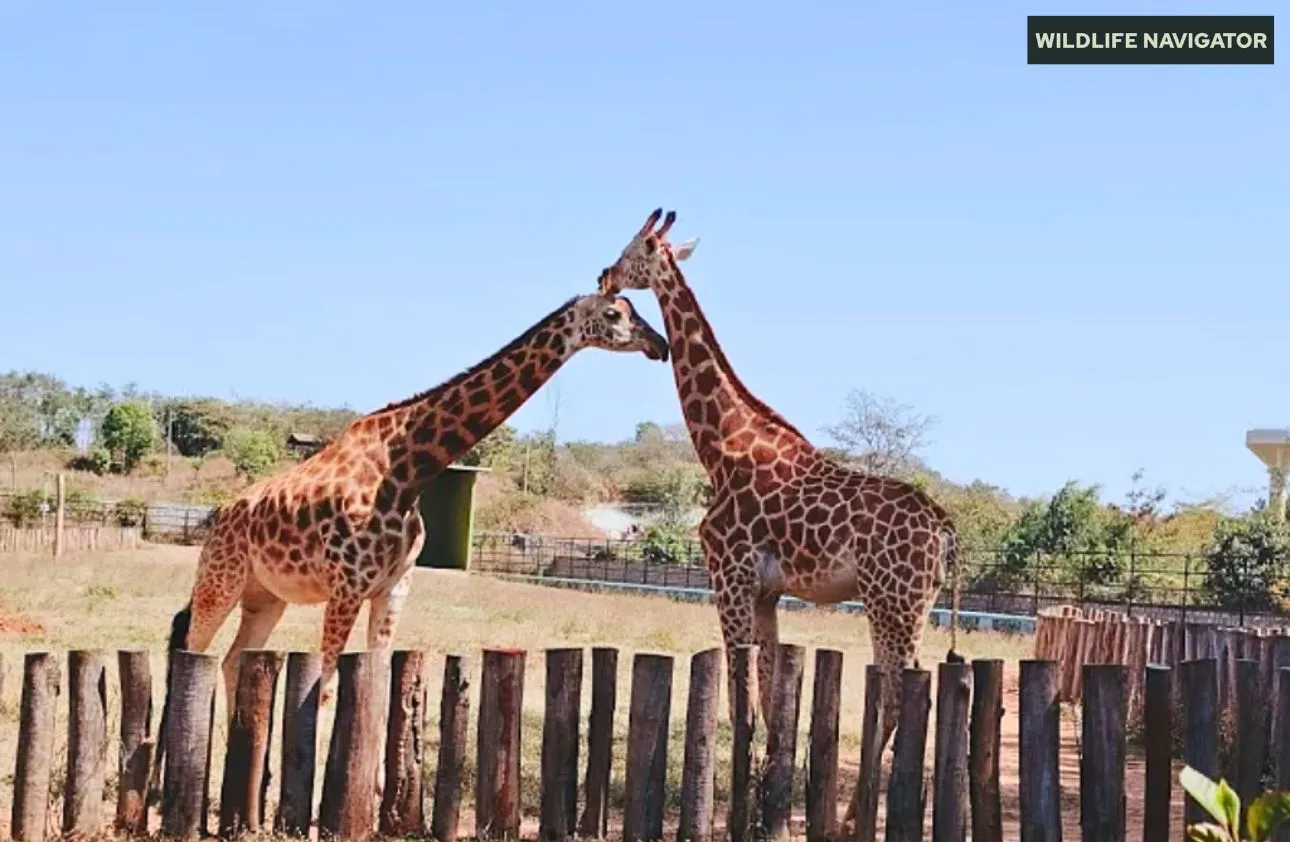
Bannerghatta National Park is one of the most popular wildlife destinations in southern India, located just 22 kilometres from Bengaluru city in Karnataka. Established in 1971 and declared a national park in 1974, it covers an area of about 260 square kilometres. The park forms part of the Anekal Range of the Eastern Ghats and serves as an important wildlife corridor connecting to the Cauvery Wildlife Sanctuary.
Known for its rich biodiversity and scenic landscape, Bannerghatta features dry deciduous forests, scrubland, and rocky hills. It provides natural habitat to a wide range of wildlife species, including tigers, leopards, elephants, sloth bears, deer, and various birds.
Apart from being a protected area, the park also includes the Bannerghatta Biological Park (BBP) — which houses a zoo, safari zones, butterfly park, and rescue centre. This combination of conservation and tourism makes Bannerghatta one of the most accessible and educational national parks in India, attracting both wildlife enthusiasts and day visitors from Bengaluru and beyond.
Location, Geography & Accessibility
Location
Bannerghatta National Park is situated in the Anekal Range of the Eastern Ghats, in the southern part of Karnataka, India. The park lies approximately 22 km south of Bengaluru city, making it one of the few national parks in India located so close to a major urban centre.
Its proximity to Bengaluru makes it an ideal destination for short wildlife trips, educational tours, and weekend getaways. The park’s coordinates fall between 12°45′ to 12°50′ N latitude and 77°30′ to 77°37′ E longitude.
Geography & Landscape
Bannerghatta National Park spans an area of about 260.5 square kilometres, characterised by undulating terrain, rocky outcrops, small hills, and valleys. The elevation varies between 700 and 1,050 metres above sea level.
The park’s landscape is dominated by dry deciduous forests and thorny scrub vegetation, interspersed with grassy patches and small water bodies. Seasonal streams flow through the area, feeding into nearby lakes and supporting the park’s flora and fauna.
Being part of the larger Cauvery Wildlife Corridor, Bannerghatta plays a vital ecological role in linking fragmented forest patches and allowing free movement of animals, especially elephants, between forest ranges of Karnataka and Tamil Nadu.
How to Reach
Reaching Bannerghatta National Park is convenient due to its close proximity to Bengaluru:
- By Air: The nearest airport is Kempegowda International Airport, Bengaluru, located about 70 km away.
- By Train: The nearest major railway station is KSR Bengaluru City Railway Station, approximately 23 km from the park.
- By Road: The park is well-connected by road. Regular BMTC buses, taxis, and private vehicles operate from different parts of Bengaluru to the Bannerghatta Biological Park entrance. The route via Bannerghatta Road or NICE Ring Road provides easy access.
Climate & Best Time to Visit
Climate
Bannerghatta National Park experiences a tropical climate typical of southern Karnataka. The weather remains warm for most of the year, with noticeable seasonal variations.
- Summer (March to May): Temperatures range between 28°C and 38°C. The weather can be hot and dry, but animal sightings are often good as wildlife gathers near water sources.
- Monsoon (June to September): The park receives moderate to heavy rainfall due to the southwest monsoon. The landscape turns lush green, but safaris may be limited during this period.
- Winter (October to February): The most pleasant season, with temperatures ranging from 15°C to 28°C. The cool and dry climate makes it ideal for safaris, photography, and outdoor exploration.
Best Time to Visit
The best time to visit Bannerghatta National Park is from November to February, during the winter season. The weather is comfortable, visibility is clear, and the forest is lively with bird activity and animal movement.
Tourists can visit the park throughout the year, but it is advisable to avoid the peak summer months and heavy monsoon periods for a more enjoyable and safe experience.
Flora of Bannerghatta National Park
Bannerghatta National Park features a rich and diverse vegetation cover that supports a wide range of wildlife species. The park’s forests are mainly tropical dry deciduous and thorny scrub type, typical of the southern Deccan Plateau region. The vegetation changes with elevation and rainfall, ranging from dense tree cover in some valleys to open scrub and grasslands on the rocky slopes.
The park’s plant life plays a vital ecological role — providing food, shade, and shelter for herbivores such as deer and elephants, and maintaining soil and water balance in the region.
Major Plant Types
- Dry Deciduous Forests: Dominated by tall trees that shed their leaves in summer to conserve water.
- Scrub Forests: Found on the drier slopes and rocky terrain, consisting of hardy shrubs and thorny plants.
- Grasslands: Found in open areas and clearings, serving as grazing grounds for herbivores.
Common Tree and Plant Species
- Teak (Tectona grandis)
- Neem (Azadirachta indica)
- Tamarind (Tamarindus indica)
- Sandalwood (Santalum album)
- Indian Kino Tree (Pterocarpus marsupium)
- Eucalyptus (Eucalyptus globulus)
- Bamboo (Bambusa arundinacea)
- Flame of the Forest (Butea monosperma)
These species provide the park with seasonal variety, from the vibrant orange flowers of Flame of the Forest to the aromatic sandalwood trees that Karnataka is famous for.
The diversity of vegetation in Bannerghatta forms the foundation of its ecosystem, supporting not only large mammals but also numerous bird and insect species, including the colourful butterflies for which the park’s Butterfly Park is well known.
Fauna of Bannerghatta National Park
Bannerghatta National Park is home to a rich variety of wildlife, making it one of the most popular destinations for nature and animal lovers near Bengaluru. The park supports a diverse mix of mammals, birds, reptiles, and insects, thanks to its varied habitats of forests, grasslands, and rocky hills.
Many of the species found here are native to the southern Indian forests, while some are part of conservation and rescue programs under the Bannerghatta Biological Park (BBP). The park is particularly known for sightings of tigers, lions, leopards, elephants, and sloth bears during guided safaris.
Mammals
The park shelters a range of large and small mammals, from big predators to herbivores. Some of the commonly seen species include:
- Bengal Tiger (Panthera tigris)
- Indian Leopard (Panthera pardus fusca)
- Asiatic Lion (Panthera leo persica) – seen in the safari enclosure
- Sloth Bear (Melursus ursinus)
- Indian Elephant (Elephas maximus indicus)
- Gaur or Indian Bison (Bos gaurus)
- Spotted Deer or Chital (Axis axis)
- Sambar Deer (Rusa unicolour)
- Wild Boar (Sus scrofa)
- Jackal (Canis aureus)
- Langur and Bonnet Macaque
These mammals form the core attraction of the park’s wildlife safaris, offering visitors a chance to observe them in semi-natural surroundings.
Birds
Bannerghatta is also a good location for birdwatching, with more than 150 species of resident and migratory birds recorded in and around the park. Commonly seen species include:
- Indian Peafowl
- Grey Hornbill
- White-throated Kingfisher
- Purple Sunbird
- Parakeets
- Drongos
- Egrets and Herons
- Black Kite
The park’s water bodies and surrounding vegetation provide excellent habitats for both forest and wetland birds, especially during the winter months.
Reptiles and Others
The reptile population in Bannerghatta includes several commonly found Indian species such as:
- Indian Cobra
- Python
- Monitor Lizard
- Russell’s Viper
- Krait
- Crocodile (in the zoo section)
In addition to these, the park’s ecosystem supports a variety of insects, butterflies, and amphibians, contributing to its overall biodiversity.
Bannerghatta National Park thus serves as a miniature representation of southern India’s wildlife, combining natural forest habitats with conservation programs aimed at education, rescue, and rehabilitation.
Safari Experience in Bannerghatta National Park
One of the main attractions of Bannerghatta National Park is its exciting wildlife safari, which offers visitors a chance to observe animals up close in natural surroundings. Managed by the Bannerghatta Biological Park (BBP), the safari covers designated zones where animals roam freely in large enclosures that resemble their natural habitat.
The safari is well-organised, safe, and suitable for all age groups, making it a popular weekend activity for both tourists and locals from Bengaluru.
Types of Safaris
Bannerghatta offers different safari options to suit various visitor preferences and group sizes.
- Grand Safari – This is the most popular option and covers multiple zones including herbivore, bear, lion, and tiger enclosures. It provides a complete wildlife experience.
- Jeep Safari – A more personalised and private experience, ideal for smaller groups and photography enthusiasts.
- Bus Safari – Conducted in secure, forest department-operated buses; perfect for families and larger groups.
All safaris are accompanied by trained guides and forest staff who ensure safety and share information about the animals and the park’s ecosystem.
Safari Zones
The safari routes are divided into specific zones for different species:
- Herbivore Safari: Includes animals like deer, gaur, and elephants roaming in open grasslands.
- Bear Safari: Dedicated area to observe sloth bears in a natural setting.
- Lion Safari: A separate enclosure for Asiatic lions.
- Tiger Safari: Enclosure housing Bengal tigers, including white tigers in some cases.
The enclosures are large and designed to mimic the animals’ natural habitat, giving visitors an authentic wilderness feel while maintaining strict safety measures.
Timings and Duration
- Safari Timings: Usually from 9:30 AM to 4:30 PM, depending on weather and park conditions.
- Duration: Each safari lasts around 45 minutes to 1 hour.
- Closed Day: The park remains closed on Tuesdays for maintenance.
It is recommended to visit early in the morning or late in the afternoon when animal activity is higher and temperatures are cooler.
Tips for Visitors
- Book tickets in advance through the official Bannerghatta Biological Park website or at the park entrance.
- Carry water, sunscreen, and a hat, especially during summer months.
- Maintain silence and avoid feeding or teasing animals.
- Follow all park guidelines for safety and conservation.
The Bannerghatta Safari provides an excellent opportunity to witness the beauty of India’s wildlife just a short drive away from Bengaluru — making it one of the most accessible and educational safari experiences in India.
Bannerghatta Biological Park (BBP)
The Bannerghatta Biological Park (BBP) is an integral part of Bannerghatta National Park, established in 2002 as a separate entity to promote wildlife conservation, education, and eco-tourism. It was created to provide a structured environment for wildlife management and to accommodate tourism activities without disturbing the park’s core forest area.
Spread across several hundred hectares, BBP includes a zoo, safari zones, a butterfly park, and a rescue and rehabilitation centre. It is managed by the Karnataka Forest Department and serves as a major hub for wildlife research and public awareness.
Zoo Section
The zoo at BBP houses a variety of native and exotic animal species, kept in enclosures designed to resemble natural habitats. It also plays an important role in wildlife education, especially for school groups and researchers.
Visitors can see animals such as:
- Deer and antelopes
- Leopards
- Bears
- Reptiles like crocodiles and snakes
- Various bird species in aviaries
Interpretation centres and information boards throughout the zoo help visitors learn about the species and their ecological importance.
Butterfly Park
The Butterfly Park at Bannerghatta is India’s first butterfly park, inaugurated in 2006. It is one of the main attractions within BBP and a must-visit for nature lovers and photographers.
The park covers about 7.5 acres and includes:
- A conservatory dome with climate control to simulate a tropical environment
- A butterfly garden with nectar and host plants
- A museum and audio-visual room showcasing information about butterfly species and their life cycle
More than 40 species of butterflies have been recorded here, making it a colourful and educational experience for visitors.
Rescue and Rehabilitation Centre
The Rescue Centre provides care and shelter for injured, orphaned, or confiscated wild animals. Many of these animals are victims of illegal trade or human-wildlife conflict. The facility is not open to the general public but plays a vital role in wildlife welfare and conservation research.
Educational and Conservation Efforts
BBP regularly organises environmental education programs, workshops, and awareness campaigns to encourage wildlife conservation. The park’s initiatives also focus on breeding endangered species, scientific management, and promoting sustainable tourism practices.
Visitor Information
- Timings: 9:30 AM to 5:00 PM (Closed on Tuesdays)
- Location: Adjacent to Bannerghatta National Park’s main entrance
- Entry Fee: Separate tickets for zoo, safari, and butterfly park; combo packages available at the counter and online.
The Bannerghatta Biological Park serves as a model for combining wildlife protection with public education, giving visitors a deeper understanding of India’s biodiversity and conservation challenges.
Conservation & Ecological Importance
Bannerghatta National Park plays a crucial role in wildlife conservation and environmental protection in southern India. Despite being located near a major urban centre like Bengaluru, the park continues to serve as an important green lung for the city and a vital refuge for many endangered species.
The park’s forests form part of the Cauvery Wildlife Corridor, connecting with nearby forest ranges and sanctuaries in Karnataka and Tamil Nadu. This corridor enables the free movement of large mammals, particularly elephants and leopards, which depend on continuous forest cover for migration and breeding.
Wildlife Conservation
Bannerghatta has been at the forefront of several wildlife protection initiatives under the Karnataka Forest Department and Government of India’s conservation programs.
- It is a recognised elephant range under Project Elephant, aimed at protecting elephant populations and their habitats.
- The park provides safe breeding grounds for key species like tigers, leopards, and sloth bears.
- The Rescue and Rehabilitation Centre and zoo section within the Bannerghatta Biological Park also contribute to saving injured or displaced animals.
Ecological Significance
The park’s forests and vegetation play an essential ecological role in maintaining air quality, groundwater levels, and soil stability in the surrounding region. Its location on the outskirts of Bengaluru makes it one of the city’s most important natural buffers against pollution and climate change.
Bannerghatta also supports diverse ecosystems — from dry deciduous forests to grasslands and scrublands — which sustain a large number of flora and fauna species, including pollinators, herbivores, and predators, maintaining ecological balance.
Research and Education
Bannerghatta serves as a centre for environmental research, education, and awareness. Schools, colleges, and conservation groups frequently organise field visits and workshops to study local wildlife and ecosystem functions. The Butterfly Park and interpretation centres further help spread awareness about biodiversity and conservation among visitors.
Challenges and Conservation Efforts
Like many protected areas near cities, Bannerghatta faces challenges such as urban encroachment, habitat fragmentation, waste pollution, and human-wildlife conflict. Continuous conservation measures are being implemented, including:
- Habitat restoration and reforestation programs
- Anti-poaching patrols and monitoring of wildlife movement
- Community awareness programs promoting coexistence with nature
- Fencing and corridor management to minimise animal-human interactions
Bannerghatta National Park stands as a symbol of coexistence between urban life and wilderness, proving that conservation efforts can thrive even in the proximity of a growing city when managed with care and commitment.
Visitor Information & Tips
Bannerghatta National Park is one of the most visitor-friendly wildlife destinations in India. Its proximity to Bengaluru and well-developed facilities make it ideal for day trips, family outings, and wildlife photography tours. Below are key details to help visitors plan their trip effectively.
Park Timings
- Opening Hours: 9:30 AM to 5:00 PM
- Safari Timings: 10:00 AM to 4:30 PM (subject to change based on season and weather)
- Weekly Holiday: Closed on Tuesdays for maintenance
It is recommended to reach early in the morning to avoid crowds and enjoy cooler temperatures for safaris and zoo visits.
Entry Fees
Ticket prices vary depending on the combination of attractions selected (zoo, safari, and butterfly park).
- Zoo & Butterfly Park Entry: ₹100–₹150 (approx.)
- Grand Safari (Bus): ₹300–₹400 for adults, ₹200–₹250 for children
- Jeep Safari: Higher charges; best for private tours
- Foreign Visitors: Slightly higher rates apply
Tickets can be booked at the entrance or online through the official Bannerghatta Biological Park website.
Facilities Available
The park is equipped with basic and tourist-friendly facilities, including:
- Rest areas and food stalls near the entrance
- Drinking water and restroom facilities
- Parking for cars and buses
- Battery-operated vehicles inside the zoo area
- Souvenir and information counters
Visitor Guidelines
To ensure safety and conservation, visitors must follow park regulations at all times:
- Maintain silence during safaris and in animal viewing areas
- Do not feed or tease animals
- Avoid littering — use designated dustbins
- Stay inside vehicles during safaris
- Respect restricted areas and staff instructions
- Photography is allowed, but drones are prohibited
Best Visiting Tips
- Visit during November to February for the best weather and wildlife sightings.
- Weekdays are less crowded than weekends and holidays.
- Carry binoculars, a camera, sunscreen, and water bottles.
- Dress in light-colored, comfortable clothing suitable for forest conditions.
- Book tickets in advance during peak seasons or school vacations.
Nearby Accommodation
While there are no lodges inside the park itself, several hotels, resorts, and homestays are available around Bannerghatta and along Bannerghatta Road. Options range from budget stays to eco-resorts that cater to nature and wildlife enthusiasts.
Nearby Attractions
Besides the wildlife experiences within Bannerghatta National Park, visitors can explore several scenic and cultural attractions located nearby. These sites offer opportunities for nature walks, photography, relaxation, and cultural exploration, making Bannerghatta an excellent addition to a Bengaluru weekend itinerary.
Thottikallu Falls (TK Falls)
Located about 10 km from Bannerghatta, Thottikallu Falls, also known as Swarnamukhi Falls, is a picturesque seasonal waterfall surrounded by lush greenery. It is a popular spot for short treks and photography, especially during the monsoon months. Visitors are advised to check local conditions before visiting as access may be restricted during heavy rains.
Ragihalli Reserve Forest
The Ragihalli Forest, adjoining the Bannerghatta region, is part of the same forest ecosystem and is known for its rich biodiversity and scenic drives. It is an excellent area for birdwatching, spotting butterflies, and experiencing the natural landscape of the Eastern Ghats foothills.
Art of Living International Centre
Situated about 25 km from Bannerghatta, this spiritual and wellness centre on Kanakapura Road is a peaceful retreat surrounded by hills and greenery. Visitors can explore its meditation halls, Ayurvedic wellness programs, and vegetarian cafés.
Bengaluru City Attractions
Since Bannerghatta lies just outside Bengaluru, visitors can easily combine a park visit with some of the city’s major attractions, such as:
- Lalbagh Botanical Garden – One of India’s oldest botanical gardens, rich in plant diversity.
- Cubbon Park – A green oasis in the heart of the city, ideal for morning walks.
- National Gallery of Modern Art – For art and culture enthusiasts.
- Vidhana Soudha – The iconic legislative building of Karnataka.
Muthyalamaduvu (Pearl Valley)
Located around 30 km from the park, this beautiful valley features a small waterfall and picnic area surrounded by rocky hills. It’s an ideal place for a peaceful retreat amidst nature and birdwatching.
These nearby attractions add variety to a visit to Bannerghatta National Park, allowing travellers to experience a mix of wildlife, nature, and culture all within a short distance from Bengaluru.
Conclusion
Bannerghatta National Park stands as a remarkable example of how nature and modern life can coexist side by side. Located just outside the fast-growing city of Bengaluru, it serves as a vital green refuge for both wildlife and people. From majestic tigers and elephants to vibrant butterflies and birds, the park offers an immersive experience of India’s biodiversity within easy reach of an urban setting.
Beyond being a tourist destination, Bannerghatta plays a crucial role in conservation, research, and environmental education. Its forests protect endangered species, regulate the region’s ecosystem, and inspire awareness about the importance of preserving natural habitats.
Whether it’s through a thrilling safari, a walk in the butterfly park, or a quiet moment in the forest, every visit to Bannerghatta reminds us of the delicate balance between humans and the wild. It truly is the “green heart of Bengaluru”, offering a glimpse into the beauty and resilience of India’s natural heritage.