Auckland Zoo – Auckland, New Zealand

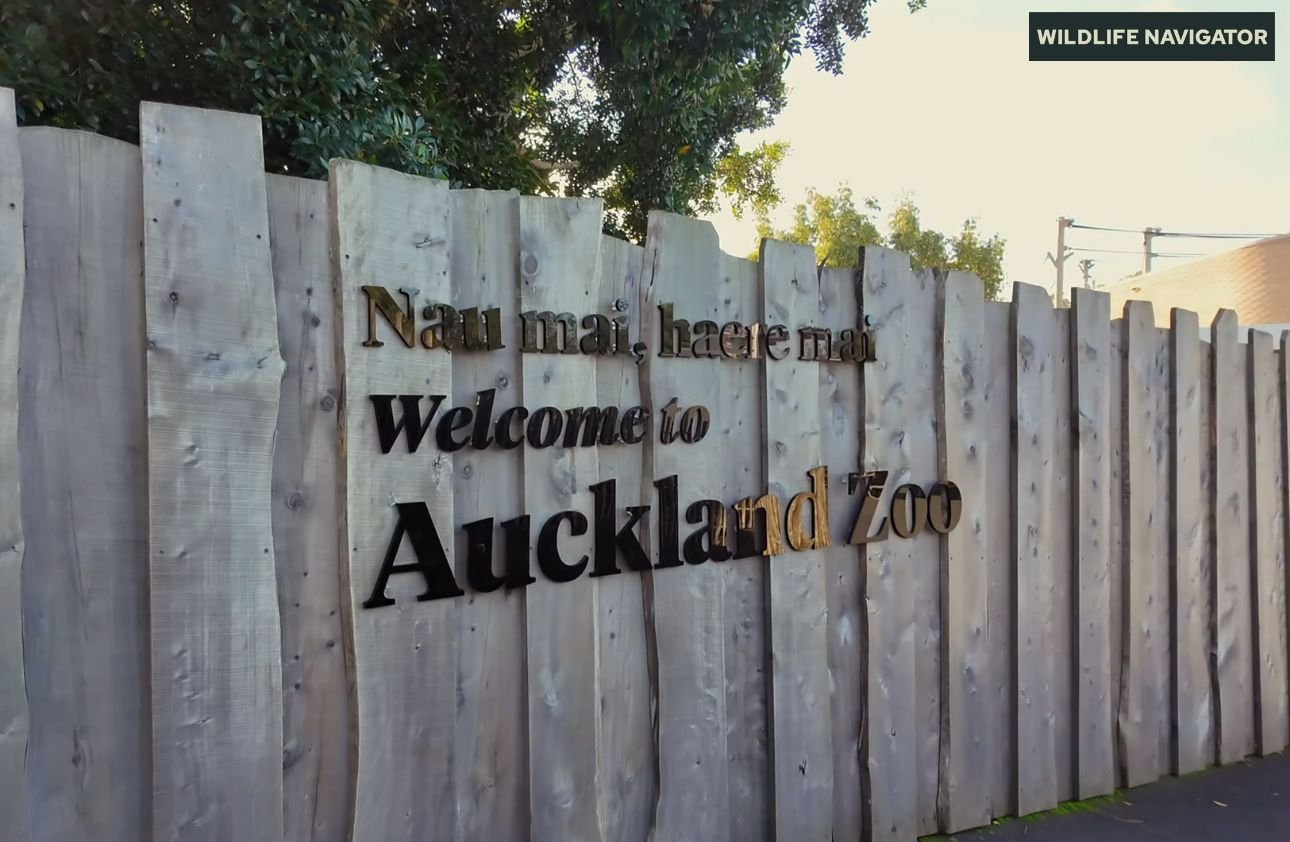
Auckland Zoo is one of New Zealand’s most popular wildlife attractions, offering visitors a chance to experience animals from across the globe while learning about conservation and environmental protection. Located in the lush surroundings of Western Springs in Auckland, the zoo is home to hundreds of animals representing diverse ecosystems—from native New Zealand forests to African savannahs and Asian rainforests. Thoughtfully designed habitats, wide walking paths, and immersive viewing areas make it a rewarding experience for visitors of all ages.
Beyond being a place to see wildlife up close, Auckland Zoo plays a vital role in conservation, research, and education. The zoo is deeply involved in breeding programmes for endangered species, native wildlife recovery projects, and international conservation initiatives. Whether you are a family planning a fun day out, a wildlife enthusiast eager to learn about rare species, or a traveller exploring top attractions in Auckland, Auckland Zoo offers a meaningful and memorable experience that combines recreation with responsible wildlife stewardship.
History & Development of Auckland Zoo
Auckland Zoo was officially opened in 1922, making it one of the oldest zoological parks in New Zealand. What began as a modest collection of animals has evolved over the decades into a world-class conservation-focused zoo. In its early years, the zoo followed traditional exhibit styles, but growing awareness around animal welfare and habitat conservation led to major changes in its design and philosophy.
From the late 20th century onwards, Auckland Zoo underwent extensive redevelopment to replace old enclosures with spacious, naturalistic habitats that closely resemble animals’ native environments. These transformations not only improved animal wellbeing but also enhanced visitor experiences through immersive viewing areas and educational interpretation. Today, Auckland Zoo is recognised internationally for its commitment to conservation, sustainability, and ethical wildlife management, reflecting a modern approach where education, research, and species protection are at the heart of its mission.
Zoo Layout & Themed Zones
Auckland Zoo is thoughtfully designed to guide visitors through a series of immersive, well-planned walking trails that replicate natural ecosystems from around the world. The zoo’s layout is easy to navigate, with clear signage, shaded paths, rest areas, and family-friendly facilities spread throughout the grounds, making it comfortable for visitors of all ages.
One of the standout areas is Te Wao Nui, a unique zone dedicated entirely to native New Zealand wildlife. Divided into several ecological habitats—such as forest, coast, wetlands, and islands—it allows visitors to experience iconic species like kiwi, tuatara, and kea in environments that mirror their natural homes. The zoo also features expansive international zones, including the African Savannah, where large mammals roam in open-style enclosures, and the South East Asia Jungle, home to elephants, orangutans, and Sumatran tigers surrounded by lush vegetation.
Additional zones representing Australia and South America further enrich the experience, while elevated walkways and glass-fronted exhibits provide close-up yet respectful wildlife viewing. Accessibility features, stroller-friendly paths, cafés, and rest stops are integrated into the layout, ensuring a relaxed and engaging visit throughout the zoo.
Animals & Wildlife at Auckland Zoo
Auckland Zoo is home to a diverse collection of animals representing ecosystems from New Zealand and around the world. The zoo places strong emphasis on species conservation, ethical care, and naturalistic habitats, allowing visitors to observe animals in environments that closely resemble their native ranges.
Native New Zealand Wildlife
- Kiwi – New Zealand’s iconic nocturnal bird, viewed in specially designed night habitats
- Tuatara – An ancient reptile species found only in New Zealand
- Kea – Highly intelligent alpine parrots known for their playful behaviour
- Takahē – A rare, flightless bird once thought to be extinct
African Animals
- African Lion – Majestic predators showcased in open savannah-style enclosures
- Giraffe – Towering herbivores and one of the zoo’s most popular attractions
- Plains Zebra – Social grazers often seen alongside other African species
- Southern White Rhinoceros – A conservation success story and crowd favourite
Asian Species
- Sumatran Tiger – Critically endangered big cats supported by breeding programmes
- Asian Elephant – Intelligent, social animals living in spacious forest-style habitats
- Orangutan – Highly intelligent primates seen in elevated, natural enclosures
Australian & South American Species
- Kangaroo & Wallaby – Iconic Australian marsupials in walk-through exhibits
- Capybara – The world’s largest rodent, native to South America
- Giant Otter – Playful, social animals that thrive in aquatic habitats
Birds, Reptiles & Amphibians
- Flamingos & Waterbirds – Found around wetlands and lakes
- Pythons & Lizards – Showcased in climate-controlled reptile houses
- Native Frogs – Part of important conservation breeding efforts
This wide-ranging collection highlights Auckland Zoo’s role in protecting biodiversity while offering visitors an educational and engaging wildlife experience.
Conservation, Research & Sustainability
Conservation lies at the heart of Auckland Zoo’s mission, extending far beyond its role as a visitor attraction. The zoo is actively involved in protecting endangered species, restoring native wildlife populations, and supporting conservation projects both within New Zealand and internationally. Through carefully managed breeding programmes, Auckland Zoo contributes to the survival of species that face serious threats in the wild.
A key initiative is the Auckland Zoo Conservation Fund, which supports field projects focused on habitat protection, species monitoring, and community-led conservation efforts across the Asia–Pacific region and beyond. The zoo also plays an important role in native species recovery, working closely with the New Zealand Department of Conservation on programmes for animals such as kiwi, takahē, and tuatara.
In addition to conservation, Auckland Zoo is committed to research and sustainability. Ongoing scientific studies help improve animal welfare, veterinary care, and breeding success, while sustainability initiatives include waste reduction, water conservation, and energy-efficient operations. By combining education, research, and hands-on conservation action, Auckland Zoo aims to inspire visitors to play an active role in protecting wildlife and the natural world.
Experiences & Things to Do at Auckland Zoo
Auckland Zoo offers a wide range of engaging experiences that go beyond simply viewing animals, making each visit interactive, educational, and memorable. These activities are designed to help visitors better understand wildlife behaviour, conservation challenges, and the importance of protecting natural habitats.
One of the highlights is the daily keeper talks and feeding sessions, where experienced zookeepers share insights about animal care, enrichment, and conservation efforts. These sessions provide an opportunity to see animals at their most active while learning fascinating facts directly from the people who work with them.
For those seeking a deeper connection, Auckland Zoo offers behind-the-scenes experiences and animal encounters, allowing small groups to observe selected species up close and learn about their individual stories and care routines. Families and children can enjoy interactive play areas, educational trails, and hands-on learning zones designed to make conservation fun and accessible.
The zoo also hosts seasonal events, school holiday programmes, and special exhibitions, ensuring there is always something new to experience. Whether you’re visiting for education, entertainment, or inspiration, Auckland Zoo delivers meaningful activities that appeal to visitors of all ages.
Visiting Auckland Zoo – Practical Information
Planning your visit to Auckland Zoo is straightforward, with facilities and services designed to ensure a comfortable and enjoyable experience for all visitors. The zoo is typically open daily, with hours varying slightly by season, so it’s recommended to check official timings in advance when planning your trip.
Ticket options include general admission, discounted rates for children, seniors, and families, as well as annual passes for frequent visitors. Booking tickets online can help save time during peak periods. A full visit to Auckland Zoo usually takes 3 to 4 hours, though wildlife enthusiasts and families may prefer to spend most of the day exploring the grounds.
Amenities such as restrooms, baby-changing facilities, drinking water stations, shaded seating areas, and wheelchair- and stroller-friendly paths are available throughout the zoo. Free maps and mobile-friendly guides help visitors plan their route, ensuring they don’t miss key exhibits or scheduled keeper talks during their visit.
How to Reach Auckland Zoo
Auckland Zoo is conveniently located in Western Springs, just a short distance from Auckland’s city centre, making it easily accessible for both locals and tourists. Visitors can reach the zoo using public transport, private vehicles, or taxis and ride-sharing services.
Ways to Reach Auckland Zoo:
- By Car
- Approximately 10–15 minutes from Auckland CBD
- Well-signposted routes via Great North Road and Motions Road
- On-site and nearby parking areas available (some paid options)
- By Bus
- Regular bus services operate from Auckland city centre
- Buses stop close to the zoo entrance at Western Springs
- A convenient and budget-friendly option for visitors
- By Train
- Nearest train stations: Kingsland or Morningside
- Short bus ride or taxi from the station to the zoo
- By Taxi or Ride-Sharing
- Readily available across Auckland
- Ideal for families or visitors carrying strollers
- Walking or Cycling
- Scenic walking and cycling paths through Western Springs Park
- Bike parking facilities available near the entrance
Thanks to its central location and multiple transport options, Auckland Zoo is easy to include in any Auckland sightseeing itinerary.
Best Time to Visit Auckland Zoo
Auckland Zoo can be visited year-round, but the experience can vary depending on the season, weather, and crowd levels. Choosing the right time can help you enjoy better animal activity and a more relaxed visit.
- Summer (December to February)
Warm weather and longer daylight hours make summer ideal for exploring the zoo, though it is also the busiest season. Visiting early in the morning helps avoid crowds and heat. - Autumn (March to May)
Mild temperatures and fewer visitors make autumn one of the best times to visit. Animals are generally more active, and walking around the zoo is comfortable. - Winter (June to August)
Cooler weather means smaller crowds and a quieter experience. While some animals may be less active, winter is excellent for photography and leisurely exploration. - Spring (September to November)
Spring brings pleasant weather, blooming landscapes, and increased animal activity, especially among birds and young animals. It’s a great balance between comfort and crowd levels.
Best Time of Day:
Morning hours are ideal, as animals are usually more active and the zoo is less crowded compared to afternoons and weekends.
Food, Cafés & Shopping at Auckland Zoo
Auckland Zoo offers several options for dining, snacks, and shopping to make your visit more convenient and enjoyable:
- On-site Cafés
- Zoo Café: Offers hot meals, sandwiches, and beverages
- Chippery: Quick snacks, ice cream, and coffee for families on the go
- Picnic Areas
- Designated outdoor spaces for visitors to bring their own food
- Shaded seating and benches for comfort
- Vending Machines
- Located near major attractions and walking paths for drinks and light snacks
- Zoo Gift Shop
- Souvenirs, plush toys, clothing, and educational books
- Supports conservation projects through merchandise sales
- Special Event Catering
- Seasonal food stalls during festivals, school holidays, and special events
These options ensure that visitors can stay refreshed and enjoy a full day exploring the zoo without leaving the premises.
Tips for First-Time Visitors
Visiting Auckland Zoo for the first time can be a memorable experience with a little planning. Here are some practical tips to make your visit smooth and enjoyable:
- What to Wear & Bring
- Comfortable walking shoes, sunhat, and sunscreen
- Rain jacket or umbrella depending on the season
- Water bottle to stay hydrated
- Photography Tips
- Use zoom lenses for distant animals
- Early morning or late afternoon provides the best lighting
- Visiting with Children
- Take advantage of interactive play areas and educational trails
- Keep an eye on children near water features and animal enclosures
- Accessibility & Stroller Information
- Paths are wheelchair- and stroller-friendly
- Wheelchairs are available to hire at the entrance
- Plan Your Route
- Use the zoo map to prioritize must-see animals and scheduled talks
- Consider splitting visits into sections if time is limited
- Timing Your Visit
- Arrive early to catch feeding sessions and keeper talks
- Weekdays or non-holiday periods are ideal for avoiding crowds
Nearby Attractions & Zoos
Auckland Zoo is located in a vibrant area with several attractions nearby, making it easy to combine your visit with other activities for a full day out.
Nearby Attractions
- Western Springs Park – A scenic urban park surrounding the zoo with walking paths, ponds, and picnic spots.
- Auckland War Memorial Museum – Offers rich insights into New Zealand’s history, natural environment, and Māori culture.
- MOTAT (Museum of Transport and Technology) – Fun and educational exhibits for kids and adults.
- Auckland Domain – The city’s oldest park with gardens, walking trails, and seasonal events.
Nearby Zoos & Wildlife Experiences
- Rainbow’s End Animal Farm (Mangere) – Small petting farm perfect for young children.
- Butterfly Creek (North Shore) – Features butterflies, farm animals, and crocodiles in a family-friendly setting.
- Puhoi Wildlife Reserve (Hibiscus Coast) – A nature reserve offering wildlife encounters and walking trails.
These nearby attractions and wildlife experiences allow visitors to extend their Auckland wildlife and family adventure, combining education, fun, and exploration in one trip.
Conclusion
Auckland Zoo is more than just a place to see animals—it is a hub of conservation, education, and family-friendly adventure. With its diverse collection of native and exotic species, immersive habitats, and hands-on experiences, the zoo offers visitors a meaningful encounter with wildlife while promoting awareness of global conservation efforts.
Whether you’re a family seeking a fun day out, a wildlife enthusiast eager to learn about endangered species, or a traveller exploring Auckland’s top attractions, Auckland Zoo provides an unforgettable experience. From interactive encounters and keeper talks to scenic walking trails and educational programs, it combines entertainment with responsibility, inspiring visitors to appreciate and protect the natural world.
A visit to Auckland Zoo is not just a day trip—it’s an opportunity to connect with wildlife, support conservation, and create lasting memories in one of New Zealand’s premier zoological parks.
FAQs About Auckland Zoo
- How long does it take to explore Auckland Zoo?
Most visitors spend 3–4 hours, but wildlife enthusiasts may spend a full day exploring exhibits and attending talks. - Is Auckland Zoo ethical and conservation-focused?
Yes. The zoo follows modern animal welfare practices, participates in breeding programs, and supports both local and international conservation projects. - Can you see kiwi during the day?
Kiwi are nocturnal, but the zoo’s special night viewing areas allow visitors to see them during the day in dimly lit habitats. - Are guided tours worth it?
Guided tours and behind-the-scenes experiences offer in-depth insights into animal care, behaviour, and conservation efforts, making them worthwhile for many visitors. - Is the zoo accessible for strollers and wheelchairs?
Yes. Paths are stroller- and wheelchair-friendly, and wheelchairs are available to hire at the entrance. - Can you bring your own food?
Yes. Designated picnic areas allow visitors to bring and enjoy their own meals. - Are there annual passes?
Yes. Annual passes provide unlimited entry and special discounts on events and experiences.