Abel Tasman National Park – South Island, New Zealand

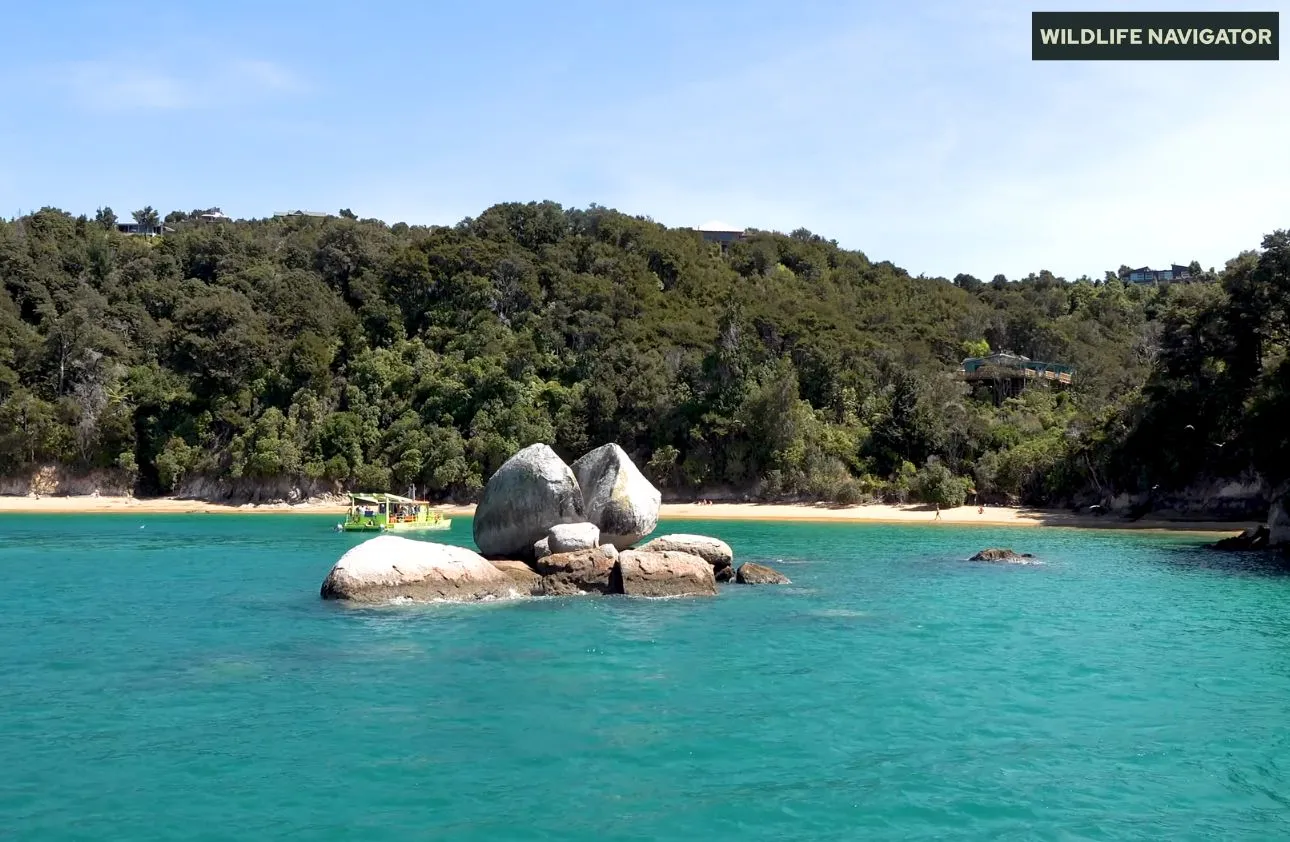
Abel Tasman National Park is where New Zealand’s coastline shines at its most golden and gentle. Tucked along the northern tip of the South Island, it’s the country’s smallest protected wilderness—and one of the most iconic among all national parks in New Zealand. Here, sun-drenched beaches curve around sheltered turquoise bays, forested headlands drop into crystal-clear water, and granite cliffs glow warm under the Pacific light.
This is a landscape shaped by tides, rivers, and centuries of natural regeneration, celebrated for its laid-back coastal charm rather than dramatic alpine peaks. The park’s famous Abel Tasman Coast Track meanders through lush kānuka forest, quiet coves, swing bridges, and lookout points that feel timeless.
Loved by hikers, kayakers, wildlife watchers, and beach wanderers alike, Abel Tasman is a place where every turn offers something serene—seals basking on rocky islands, native birds calling from the treetops, or a hidden bay waiting to be discovered. It’s a natural playground perfect for slow exploration, outdoor adventure, and moments of pure coastal beauty.
Quick Facts
Location: Northern tip of the South Island, New Zealand
Nearest Towns: Marahau, Kaiteriteri, Motueka, Nelson
Established: 1942
Total Area: 237 km² — New Zealand’s smallest national park
Landscape Highlights: Golden-sand beaches, turquoise bays, native bush, estuaries, granite headlands, islands
Famous For:
- Abel Tasman Coast Track (one of New Zealand’s Great Walks)
- Sea kayaking and water taxis
- Fur seal colonies
- Crystal-clear coastal waters
- Hidden coves and natural pools
Geography & Landscape Diversity
Abel Tasman National Park is defined by its stunning coastal geography—a sunlit meeting point of sea, forest, and sculpted rock. Although small in size, the park contains an impressive mix of landscapes shaped by geology, tides, and centuries of natural regeneration.
Coastal Ecosystems
The coastline is its signature feature: sweeping golden beaches, calm turquoise bays, and tidal estuaries that transform with the rhythm of the sea. Shallow inlets like Awaroa and Torrent Bay become vast sand flats at low tide, creating unique habitats for wading birds and marine life.
Forest & Inland Terrain
Beyond the beaches, the landscape rises into rolling hills and forested ridgelines covered in kānuka, mānuka, broadleaf, rimu, and beech. These inland areas offer shaded tracks, waterfalls, and pockets of regenerating bush where native birdlife thrives.
Granite & Marble Formations
Much of the park sits on ancient granite, carved into headlands, cliffs, and rocky coves that glow warm under the sun. The inland marble and granite formations also create unique pools and sculpted riverbeds—most famously Cleopatra’s Pool.
Marine Environment
Just offshore, bright reefs and rocky islands form part of the Tonga Island Marine Reserve. Clear waters support fur seals, dolphins, and a rich underwater ecosystem ideal for snorkelling and kayaking.
Wildlife & Plant Life
Abel Tasman National Park is a coastal sanctuary where native forests, tidal estuaries, and calm blue waters support an impressive variety of wildlife. Although not as heavily forested or alpine as other National Parks in New Zealand, Abel Tasman offers one of the best blends of birdlife, marine species, and coastal plants—all thriving in a sunlit, sheltered environment.
Birdlife
The park is a haven for native birds, especially along forest edges and estuaries.
Commonly seen species include:
- Tūī – known for their melodic, flute-like calls
- Bellbird (Korimako) – a key pollinator with a distinct chime
- Weka – curious, bold, and often spotted along tracks
- Pūkeko – found around wetlands and tidal flats
- Little Blue Penguin (Kororā) – New Zealand’s smallest penguin, occasionally seen near rocky shores
- Kākā and Kea – sometimes heard deeper inland, though less common
Tidal zones also attract herons, oystercatchers, and wading birds, especially during low tide.
Marine Wildlife
The marine environment is one of the park’s greatest ecological treasures.
- New Zealand Fur Seals (Kekeno) – abundant around Tonga Island and the rocky coast
- Bottlenose & Dusky Dolphins – frequently seen near boat routes
- Blue Cod, Snapper, and Reef Fish – thriving in the Tonga Island Marine Reserve
- Stingrays – often gliding across shallow sandy bays
These clear waters make Abel Tasman a hotspot for snorkelling and kayaking with wildlife.
Vegetation & Forest Types
The coastal climate supports lush, fast-growing native bush.
Key plant species include:
- Kānuka & Mānuka – dominating the regenerating forests
- Rimu & Mataī – towering podocarps adding old-growth character
- Beech Forest Patches – found on cooler inland slopes
- Nikau Palms & Ferns – giving the park its subtropical feel
- Coastal shrubs – such as flax, pōhuehue, and salt-tolerant grasses
Together, these ecosystems create the park’s iconic blend of golden beaches bordered by vibrant green forest.
Things to Do in Abel Tasman National Park
Abel Tasman is one of the best outdoor playgrounds in New Zealand—an effortless mix of land and sea adventures. Whether you prefer peaceful hikes, wildlife-filled kayak trips, or lounging on golden beaches, the park offers something for every pace and season.
Hiking & Walking
Abel Tasman Coast Track (Great Walk)
One of New Zealand’s premier Great Walks, this 60 km trail runs from Marahau to Wainui, weaving through native forest, over headlands, and into sheltered bays.
Highlights along the way:
- Scenic swing bridges
- Tide-dependent estuary crossings at Torrent Bay & Awaroa
- Cleopatra’s Pool and its natural rock slide
- Panoramic lookouts from high ridgelines
- Golden beaches perfect for mid-walk swims
You can walk the entire track over 3–5 days or choose shorter sections with water-taxi drop-offs.
Popular Day Hikes
Day walkers can enjoy some of the most scenic portions without tackling the full track.
Top picks include:
- Marahau to Anchorage (12.4 km): A classic section with forest, viewpoints, and beaches.
- Anchorage to Bark Bay (8.4 km): Features bridges, waterfalls, and coastal panoramas.
- Torrent Bay Loop: Short scenic walk around the estuary and through beachside bush.
- Gibbs Hill Track: A more remote inland route with sweeping views across Golden Bay.
These walks are well-marked, family-friendly, and offer endless photography stops.
Water Activities
The coastline is calm, sheltered, and crystal-clear—perfect for marine adventures.
Sea Kayaking
Kayaking is one of the best ways to experience Abel Tasman up close.
Top kayaking zones:
- Tonga Island Marine Reserve: Fur seals, reefs, and turquoise water.
- Anchorage to Bark Bay: Quiet coves and sculpted granite headlands.
- Shag Harbour: Accessible only by kayak, ideal for sunset paddles.
Guided and independent rentals are available from Marahau and Kaiteriteri.
Stand-Up Paddleboarding (SUP)
Smooth, calm waters in bays like Kaiteriteri, Marahau, and Anchorage make this perfect for beginners.
You can paddle around rocky points, small caves, or drift along beach edges.
Snorkelling & Swimming
Crystal-clear visibility makes snorkelling rewarding.
Expect to see:
- Blue cod, wrasse, snapper
- Kelp forests
- Stingrays gliding across the seabed
- Seal pups playing in shallow waters (seasonal)
Best spots include Tonga Island, Watering Cove, and Apple Tree Bay.
Sailing & Boat Tours
For non-hikers, scenic cruises offer a relaxed way to explore.
Tours often include:
- Seal colony stops
- Offshore island views
- Drop-offs for short walks
- Wildlife commentary
- Sunset cruises around Anchorage or Kaiteriteri
Wildlife Encounters
Seal Colony Visits
The famous colony at Tonga Island is the highlight of most kayak and boat tours.
Seals are most active in the morning and around tide changes.
Dolphin and Penguin Spotting
Bottlenose and dusky dolphins frequently swim near boats.
Little Blue Penguins are rarer but occasionally seen near rocky headlands.
Birdwatching
Estuaries like Awaroa and Torrent Bay attract herons, kingfishers, oystercatchers, and many coastal species.
Beach Camping & Coastal Relaxation
DOC Campsites
Remote, beachfront campsites such as Anchorage, Te Pukatea, Mosquito Bay, and Totaranui are unforgettable.
You fall asleep to ocean waves and wake to birdsong.
Hidden Bays & Secluded Beaches
Some of the best coastal gems include:
- Te Pukatea Bay – perfect white-sand crescent
- Apple Tree Bay – calm and scenic
- Mosquito Bay – postcard-worthy but tide-dependent access
- Shag Harbour – reachable only by kayak
These spots make Abel Tasman perfect for slow, scenic beach days.
Adventure Experiences
Canyon Swing & Canyoning (seasonal)
Near Torrent River and Falls River, you can join guided canyoning trips involving slides, abseils, jumps, and natural pools.
Skydiving (near Motueka)
For an aerial perspective, tandem skydiving over the coastline offers some of the clearest water-and-forest panoramas in the country.
Water Taxi + Walk Combos
Water taxis allow you to walk only the best parts of the track and return easily—ideal for time-limited travellers.
Top Attractions in Abel Tasman National Park
Abel Tasman’s coastline is a chain of spectacular bays, viewpoints, and natural wonders. Whether you’re hiking, kayaking, or taking a water taxi, these standout locations deserve a place on every itinerary.
Totaranui
A long golden-sand beach backed by lush forest, Totaranui marks the northern gateway to the park.
Highlights:
- Large DOC campsite
- Boat access to northern track sections
- Calm water for swimming
- Great base for exploring Wanui Falls or Gibbs Hill Track
Totaranui is quieter than southern entry points, perfect for travellers seeking privacy and wilderness.
Anchorage Bay
Anchorage is one of the most accessible and scenic bays in the park—ideal for day-trippers.
Why it’s popular:
- Large sheltered bay with turquoise water
- Gateway to Te Pukatea Bay
- Starting/ending point for many coastal walks
- Anchorage Hut & campsites available
A short forest walk leads to the spectacular Pitt Head Track and panoramic viewpoints.
Te Pukatea Bay
Often called the most beautiful beach in Abel Tasman, Te Pukatea is a small, curved bay enclosed by forested headlands.
Expect:
- Perfect white-gold sand
- Calm, clear water ideal for swimming
- Peaceful atmosphere (less crowded than Anchorage)
- Short walk from Anchorage
It’s one of the best spots for photos, swims, and beach picnics.
Bark Bay
Known for its estuary, beach, and excellent camping facilities, Bark Bay is a major stop on the Coast Track.
Highlights:
- Iconic tidal estuary crossing
- Boardwalks and swing bridges
- Secluded beach pockets
- Ideal for kayaking through sheltered coves
At low tide, the estuary transforms into a vast sand-flat landscape.
Tonga Island Marine Reserve
A protected marine sanctuary surrounding Tonga Island, this is the park’s premier wildlife hotspot.
Best experienced by:
- Sea kayaking
- Snorkelling
- Boat tours
Wildlife:
- New Zealand fur seals
- Schools of reef fish
- Occasional dolphins
- Kelp forests and crystal-clear water
It’s the most vibrant underwater environment in the park.
Cleopatra’s Pool
A natural rock pool fed by the Cleopatra River, this oasis is tucked inland from Torrent Bay.
Why it’s famous:
- Emerald green water
- Smooth granite rocks
- Small natural rock slide
- Cool refreshing swim in summer
It’s a short detour from the main track and worth the stop.
Torrent Bay
Torrent Bay offers some of the most dramatic tide changes in the park.
Attractions:
- Estuary crossing (tide-dependent)
- Holiday homes with stunning views
- Access to Anchorage, Falls River, and inland tracks
Walk around the estuary during high tide or straight across during low tide—a classic Abel Tasman experience.
Separation Point
Located near the park’s northern end, this rugged headland marks the boundary between Golden Bay and Tasman Bay.
Why it stands out:
- Home to a large fur seal colony
- Wild, rocky coastline
- High-elevation views of both bays
- Remote and peaceful
It’s a great reward for hikers exploring the northern sections.
Falls River Swingbridge
One of the most iconic structures on the Coast Track.
Features:
- Scenic long suspension bridge
- Overlooks the Falls River and rainforest valley
- Perfect photo stop
- Surrounded by deep green bush and river pools
It’s located between Torrent Bay and Bark Bay, and is often a highlight of the hike.
Kaiteriteri Beach
Just outside the national park but commonly included in Abel Tasman trips.
Why it’s worth visiting:
- One of New Zealand’s most beautiful beaches
- Departure point for many water taxis and tours
- Great for sunset and golden-hour photography
The water here is exceptionally clear and calm.
Entry, Permits & Fees
Abel Tasman National Park is one of the easiest parks to access in New Zealand. There are no entry fees for general visitors, and most areas can be explored freely. However, certain services—like huts, campsites, kayaking, and water taxis—do require bookings or permits.
Park Entry
- Entry Fee: Free
- Open year-round
- No permit required for day walks, beaches, or general use
You can enter from Marahau, Kaiteriteri, Totaranui, or via water taxi drop-offs along the coast.
Great Walk Huts & Campsites
If you’re walking part of the Abel Tasman Coast Track (Great Walk), DOC-managed huts and campsites must be booked in advance.
- Great Walk Huts (Per Person, Per Night)
- NZ Residents: NZD 40–50
- International Visitors: NZD 75–90
- Great Walk Campsites (Per Person, Per Night)
- NZ Residents: NZD 18–20
- International Visitors: NZD 25–30
Campsites are directly on the beach or very close to the shoreline, offering classic Abel Tasman experiences. (Rates vary slightly by season.)
Independent & Backcountry Camping
Camping is allowed only at designated DOC sites.
Wild/reserve camping is not permitted anywhere in the park.
Water Taxis & Boat Transport Fare
Water taxis are essential for point-to-point access along the Coast Track.
- Kaiteriteri/Marahau → Anchorage: NZD 45–55
- To Bark Bay: NZD 55–65
- To Awaroa/Totaranui: NZD 70–90
Return fares are usually discounted.
Kayaking Permits & Rentals
You don’t need a special permit to kayak if you’re renting through a licensed operator.
Typical Kayak Prices
- Guided Full-Day Tour: NZD 120–180
- Half-Day Guided: NZD 80–120
- Freedom Kayak Hire: NZD 60–90 half-day / NZD 90–130 full-day
Multi-day rentals require a safety briefing and good-weather conditions.
Tide Crossings
Important tidal crossings need planning:
- Torrent Bay Estuary
- Awaroa Estuary
DOC provides tide tables, and water taxis can help avoid tide issues.
Marine Reserve Rules (Tonga Island Marine Reserve)
- No fishing
- No disturbing marine life
- No taking shells, plants, rocks, or organisms
- Look but don’t touch—especially around seals
This keeps the waters pristine for wildlife.
Best Time to Visit & Weather Guide
Abel Tasman National Park is known for having some of the sunniest and warmest weather in New Zealand, making it a year-round destination. However, each season offers a different kind of experience—ranging from crowd-free tranquillity to peak-summer beach days.
Overall Climate
- Type: Mild, coastal, sunny
- Annual Sunshine: ~2,400+ hours (one of NZ’s highest)
- Temperature Range:
- Summer: 20–28°C
- Autumn: 14–22°C
- Winter: 8–15°C
- Spring: 12–20°C
The calm bays and sheltered coastline make the park comfortable even on cooler days.
Season-by-Season Guide
Summer (December – February)
Best for: Swimming, kayaking, beach days, boat trips, full Great Walks
- Warmest temperatures of the year
- Ideal sea temperatures for snorkelling & swimming
- Long daylight hours for big hikes
- Most boat and kayak tours operate at full schedule
- The coast is vibrant, green, and lively
Things to know:
- Peak crowds, especially January
- Book huts/water taxis early
- UV is high—sun protection is essential
Autumn (March – May)
Best for: Photographers, hikers, quiet beaches, wildlife watchers
- Still warm through March and early April
- Clear skies and calm weather
- Reduced visitor numbers
- Forest foliage becomes more colourful
- Excellent kayaking conditions
Why it’s special:
Autumn is many locals’ favourite time to visit—summer warmth without summer crowds.
Winter (June – August)
Best for: Crowd-free trails, solitude, landscape photography
- Cool but generally sunny days
- Empty beaches and peaceful hiking
- Crisp air, perfect for long-distance walking
- Cheaper hut/campsite fees
Downside:
- Not ideal for swimming
- Some tours run on limited schedules
- Nights get cold
Still, winter is one of the best times for a quiet Great Walk experience.
Spring (September – November)
Best for: Floral bloom, birdlife, fresh greenery, shoulder-season tranquillity
- Forest bursts into new growth
- Birdlife is active
- Temperatures rise steadily
- Fewer people than summer
- Waterfalls and creeks flow after winter rain
Great for:
Photography, moderate hiking, early-season kayaking.
When to Go for Specific Experiences
- Best Swimming & Beach Conditions: January – March
- Best for Great Walks: Late November – April
- Best Time for Kayaking: December – April (gentle seas, warm water)
- Best Wildlife Viewing:
- Seals: Year-round (Tonga Island)
- Dolphins: Most common in summer/autumn
- Birdlife: Spring & autumn
- Least Crowded Months: May, June, September
How to Reach Abel Tasman National Park
Abel Tasman is located at the northwestern tip of New Zealand’s South Island, with multiple access points leading into the park. The two main gateways are Marahau (south) and Wainui / Totaranui (north). Most travellers approach via Nelson, Motueka, or Takaka.
By Road (Most Convenient)
From Nelson to Marahau (75 km / 1 hr 15 min)
- The most common approach; well-maintained roads.
- Ideal for starting the Abel Tasman Coast Track or booking water taxis.
From Nelson to Kaiteriteri (60 km / 1 hr)
- Popular beach town with water taxi and kayaking departures.
From Takaka to Wainui (35 km / 45 min)
- Best for northern track access.
- Scenic drive over Takaka Hill.
From Nelson to Totaranui (135 km / 3 hrs)
- Gravel roads for the final stretch; remote and wild.
By Air
Nearest airport: Nelson Airport (NSN)
- Regular domestic flights from Auckland, Wellington, and Christchurch.
- From the airport: shuttles, rental cars, and private transfers to Marahau/Kaiteriteri.
By Shuttle / Bus
- Daily services from Nelson → Motueka → Marahau/Kaiteriteri.
- Seasonal shuttles operate to Wainui and Totaranui.
- Convenient for hikers who want point-to-point transfers along the Coast Track.
By Water Taxi (Into the Park Itself)
- Departs from Kaiteriteri and Marahau.
- Drops you at beaches like Anchorage, Bark Bay, Onetahuti, and Totaranui.
- Perfect for combining hiking with boat access.
Accommodation Options Near Abel Tasman National Park
Whether you want beachfront camping, comfortable lodges, or DOC huts deep inside the park, Abel Tasman offers a wide range of stay options. Your choice mainly depends on the type of experience you want — wilderness, comfort, or a mix of both.
Inside the Park (DOC Huts & Campsites)
Perfect for multi-day hikers and those wanting a close-to-nature experience.
Great Walk Huts (Coast Track):
- Anchorage Hut
- Bark Bay Hut
- Awaroa Hut
- Whariwharangi Hut
Features: Basic bunks, communal kitchen, heating, toilets, water supply.
Booking: Mandatory year-round; fill up during summer.
Great Walk Campsites:
- Located along the entire Coast Track (e.g., Apple Tree Bay, Mosquito Bay, Totaranui).
- Offer tent pads, water taps, toilets, and coastal views.
- Ideal for budget travellers and outdoor enthusiasts.
Near the Southern Entrance (Marahau & Kaiteriteri)
Convenient for water taxis, kayaking, and starting the Coast Track.
- Eco-lodges and boutique stays
- Holiday parks and beachfront cabins
- Backpacker hostels
- Private cottages & B&Bs
Best for: Easy access + full amenities.
Northern Side (Totaranui & Wainui/Golden Bay)
More remote and peaceful, surrounded by beaches and forest.
- Totaranui Campground (huge DOC-managed site)
- Eco-retreats and rustic cabins in Golden Bay
- Lodges around Takaka and Pohara
Best for: Secluded beaches, stargazing, and quieter stays.
Nearby Places to Visit
- Kaiteriteri Beach
- Motueka
- Golden Bay (Takaka, Pohara, Wainui)
- Te Waikoropupū Springs
- Farewell Spit
- Kahurangi National Park