Zurich Zoo | Zoo Zürich – Visitor Guide, Zurichberg, Switzerland


Zurich Zoo, officially known as Zoo Zürich, is one of Switzerland’s most innovative and conservation-driven zoological institutions. Situated on the forested slopes of Zürichberg, just minutes from the city centre, the zoo offers visitors sweeping views, immersive landscapes, and a deeply educational wildlife experience. Rather than displaying animals in traditional enclosures, Zurich Zoo is internationally recognised for its habitat-based design, where entire ecosystems are recreated to support animal welfare and natural behaviour.
Founded in 1929, Zurich Zoo has continuously evolved to meet modern conservation and ethical standards. Today, it is best known for large-scale exhibits such as the Masoala Rainforest, which replicates Madagascar’s tropical ecosystem, and the Kaeng Krachan Elephant Park, one of the most advanced elephant habitats in Europe. These environments allow animals to roam, interact, and thrive in conditions closely resembling their natural homes.
Beyond visitor experiences, Zurich Zoo plays an active role in global wildlife conservation through endangered species breeding programmes, scientific research, and field conservation projects. By combining education, sustainability, and cutting-edge zoo design, Zurich Zoo stands as a leading example of how modern zoos can inspire respect for nature while contributing meaningfully to the protection of global biodiversity.
Zurich Zoo Layout and Major Habitats
Zurich Zoo is thoughtfully designed around a habitat-based concept, where animals are grouped by ecosystems rather than geography alone. Set across the gently sloping terrain of Zürichberg, the zoo combines wide walking paths, natural vegetation, water features, and elevated viewpoints to create an immersive and comfortable experience for both animals and visitors. Clear signage and well-planned routes make it easy to explore the zoo at a relaxed pace while enjoying panoramic views of Zurich city and the surrounding landscape.
Instead of traditional cages, Zurich Zoo focuses on large, naturalistic environments that allow animals to express instinctive behaviours such as roaming, foraging, and social interaction. Many habitats are interconnected, helping visitors understand ecological relationships within each ecosystem.
Major habitats and themed zones include:
- Masoala Rainforest – A vast indoor tropical rainforest representing Madagascar’s biodiversity.
- Kaeng Krachan Elephant Park – A forest-inspired landscape designed for Asian elephants.
- Lewa Savanna – An open African ecosystem featuring mixed-species exhibits.
- Pantanal – A South American wetland habitat with aquatic and terrestrial wildlife.
- Himalayan Highlands – Cold-climate enclosures for mountain species.
- Australian Outback – Showcasing marsupials and arid-land species.
- Exotarium – A climate-controlled house for reptiles, amphibians, fish, and invertebrates.
This carefully planned layout not only enhances visitor engagement but also reinforces Zurich Zoo’s mission of conservation, sustainability, and environmental education.
Mammals at Zurich Zoo
Zurich Zoo is home to a diverse and carefully managed collection of mammals from across the world, with a strong emphasis on animal welfare, conservation breeding, and natural behaviour. Mammals are housed within expansive, habitat-based exhibits that closely resemble their native ecosystems, allowing visitors to observe species in environments that promote social interaction, movement, and enrichment. Many of these species are part of European and international conservation programmes, highlighting the zoo’s important role in protecting threatened wildlife.
Notable mammal species at Zurich Zoo include:
- Asian Elephants – The zoo’s flagship species, living in the Kaeng Krachan Elephant Park designed for complex social structures and natural movement.
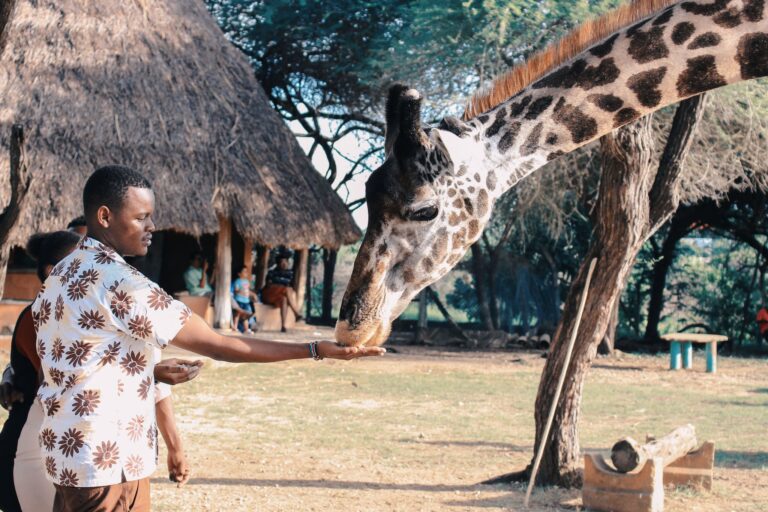
- Masai Giraffes – Tall and graceful residents of the Lewa Savanna, often seen alongside other African species.
- Grevy’s Zebras – An endangered zebra species housed in open savanna-style enclosures.
- Indian Rhinoceros – Large, armour-plated herbivores supported through specialised conservation management.
- Asiatic Lions – Powerful predators displayed in spacious, naturalistic habitats.
- Snow Leopards – Elusive mountain cats adapted to cold, rocky environments.
- Amur Leopards – One of the world’s rarest big cats, part of critical breeding efforts.
- Western Lowland Gorillas and Orangutans – Intelligent primates housed in complex, enriched environments.
- Red Pandas – Small, arboreal mammals popular with visitors and conservation programmes alike.
Through these exhibits, Zurich Zoo helps visitors understand the threats mammals face in the wild, including habitat loss and poaching, while showcasing how modern zoos contribute to species survival and biodiversity protection.
Birds and Aviaries at Zurich Zoo
Zurich Zoo features a diverse and well-curated collection of bird species representing tropical rainforests, wetlands, savannas, and temperate regions. Rather than isolating birds in traditional cages, many species are integrated into large habitat exhibits such as the Masoala Rainforest, Pantanal wetlands, and African savanna zones. This immersive approach allows birds to fly, forage, and interact within environments that closely resemble their natural ecosystems.
Spacious aviaries, open water bodies, and natural vegetation support a wide range of avian behaviours, while informative signage helps visitors understand bird ecology, migration patterns, and conservation challenges. Several bird species at Zurich Zoo are part of European breeding and conservation programmes, underlining the zoo’s contribution to avian species protection.
Notable bird species at Zurich Zoo include:
- Flamingos – Social water birds often seen wading in large groups.
- Pelicans – Large aquatic birds adapted for fishing in wetland habitats.
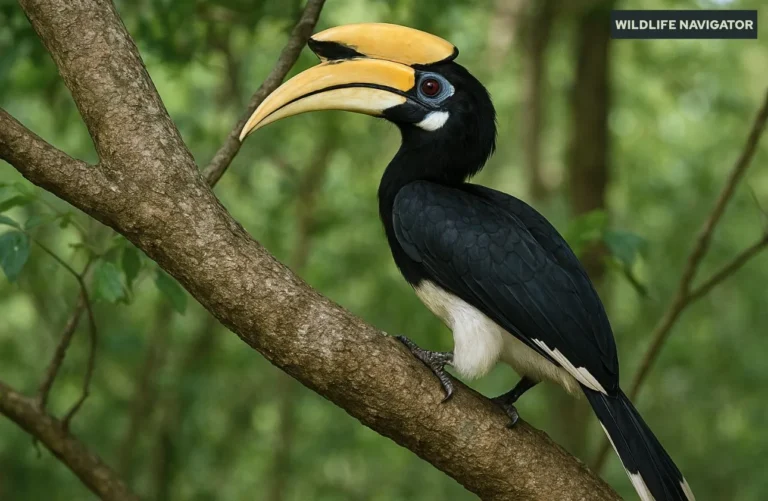
- Hornbills – Distinctive tropical forest birds known for their unique bills.
- Parrots and Macaws – Colourful, intelligent species representing rainforest ecosystems.
- Owls – Nocturnal birds of prey housed in quiet, shaded enclosures.
- Eagles and other Raptors – Powerful birds that highlight the role of predators in nature.
- Tropical Rainforest Birds – Free-flying species within the Masoala Rainforest.
- European Waterfowl – Ducks, geese, and swans native to regional wetlands.
By showcasing birds within dynamic, living habitats, Zurich Zoo helps visitors appreciate the ecological importance of avian species and the urgent need to protect their natural environments worldwide.
Reptiles, Amphibians, and Aquatic Life
Zurich Zoo’s Exotarium is a modern, climate-controlled complex dedicated to reptiles, amphibians, fish, and invertebrates from around the world. Designed to replicate tropical rainforests, wetlands, deserts, and freshwater ecosystems, this section highlights the extraordinary diversity and adaptations of cold-blooded and aquatic species. The immersive exhibits combine natural materials, controlled lighting, and carefully managed temperatures to meet the specialised needs of each species.
This section also plays an important educational role, drawing attention to amphibians and aquatic life, which are among the most threatened groups globally due to habitat loss, pollution, climate change, and disease. Clear interpretive signage explains ecological roles such as pest control, nutrient cycling, and water quality indicators.
Notable species groups include:
Reptiles
- Crocodiles and caimans
- Pythons and boas
- Monitor lizards
- Chameleons
- Tortoises and freshwater turtles
Amphibians
- Poison dart frogs
- Tree frogs
- Fire salamanders
- Axolotls
Aquatic Life
- Tropical freshwater fish
- Cichlids
- Piranhas
- Native European fish species
Invertebrates
- Leaf-cutter ants
- Stick insects
- Giant cockroaches
Through this diverse collection, Zurich Zoo helps visitors appreciate lesser-known species while emphasising the urgent need to protect fragile aquatic and amphibian habitats worldwide.
Masoala Rainforest Experience
The Masoala Rainforest is one of Zurich Zoo’s most iconic and immersive exhibits, offering visitors a rare opportunity to step inside a living tropical rainforest. Covering several thousand square metres, this vast indoor habitat faithfully recreates the climate, vegetation, and biodiversity of Madagascar’s Masoala Peninsula, one of the world’s most important biodiversity hotspots. Warm temperatures, high humidity, natural daylight, and seasonal rainfall cycles allow plants and animals to thrive year-round.
Unlike traditional zoo exhibits, the Masoala Rainforest is a walk-through environment where animals move freely around visitors. Elevated wooden pathways guide guests through dense vegetation, streams, and forest clearings, creating an authentic rainforest atmosphere. Interpretive displays throughout the exhibit highlight the fragile nature of Madagascar’s ecosystems and the threats they face from deforestation and climate change.
Key highlights of the Masoala Rainforest include:
- Free-ranging lemurs moving through the forest canopy
- Chameleons, geckos, and other reptiles native to Madagascar
- Tropical birds flying freely within the habitat
- Insects and invertebrates essential to rainforest ecosystems
- Native plant species representing different rainforest layers
Beyond its immersive design, the Masoala Rainforest supports active conservation projects in Madagascar, linking the zoo experience directly to real-world habitat protection and sustainable community development.
Kaeng Krachan Elephant Park
The Kaeng Krachan Elephant Park is one of Zurich Zoo’s most ambitious and internationally acclaimed exhibits, setting a benchmark for modern elephant care in Europe. Inspired by Thailand’s Kaeng Krachan National Park, this expansive habitat has been designed to replicate the forested landscapes and environmental conditions of Southeast Asia. It provides Asian elephants with ample space, varied terrain, and complex environmental enrichment that supports both physical health and natural social behaviour.
The park features large outdoor areas, sand and mud zones, water pools, and shaded forest sections that encourage elephants to walk, forage, bathe, and interact as they would in the wild. A spacious indoor elephant hall allows year-round access, ensuring comfort during colder months while maintaining high welfare standards.
Key features of the Kaeng Krachan Elephant Park include:
- Large, interconnected outdoor landscapes
- Indoor elephant house with natural substrates
- Opportunities for social grouping and breeding
- Elevated visitor viewing areas without barriers
- Educational displays on elephant ecology and conservation
The exhibit also highlights the challenges facing Asian elephants in the wild, including habitat fragmentation and human–elephant conflict. Through storytelling, education, and conservation messaging, Zurich Zoo uses the Kaeng Krachan Elephant Park to promote coexistence and long-term protection of this endangered species.
Wildlife Conservation and Breeding Programmes
Zurich Zoo is internationally recognised for its strong commitment to wildlife conservation and the long-term survival of endangered species. The zoo actively participates in European Endangered Species Programmes (EEP) and global breeding initiatives designed to maintain healthy, genetically diverse populations of threatened animals. These programmes play a critical role in safeguarding species whose wild populations are declining due to habitat loss, poaching, and climate change.
Over the years, Zurich Zoo has achieved significant breeding success with a range of species, including elephants, rhinoceroses, big cats, and primates. These successes contribute valuable scientific data that supports conservation planning and responsible zoo population management across Europe.
Beyond its role in captive breeding, Zurich Zoo is deeply involved in field conservation projects around the world. The zoo supports habitat protection, species monitoring, anti-poaching efforts, and community-based conservation initiatives in regions such as Madagascar, Africa, and Asia.
Key conservation focus areas include:
- Endangered species breeding and population management
- Habitat restoration and protection
- Wildlife research and monitoring
- Community engagement and sustainable development
- Raising public awareness about biodiversity loss
By linking in-zoo conservation efforts with real-world field projects, Zurich Zoo demonstrates how modern zoological institutions can play a meaningful role in protecting global biodiversity for future generations.
Education and Public Engagement
Education is a core mission of Zurich Zoo, aiming to inspire respect for wildlife and promote environmental responsibility. The zoo offers guided tours, animal talks, and interactive exhibits that explain animal behaviour, ecosystems, and conservation challenges in an engaging way.
Special programmes for schools and families support environmental learning from an early age. Through storytelling, hands-on experiences, and clear conservation messaging, Zurich Zoo helps visitors understand how individual actions can contribute to protecting wildlife and preserving natural habitats worldwide.
Scientific Research and Global Partnerships
Zurich Zoo actively contributes to scientific research in collaboration with universities, conservation organisations, and international zoological institutions. Research focuses on animal health, behaviour, breeding biology, and habitat management, helping improve welfare standards both in zoos and in the wild.
The findings support conservation planning, species survival strategies, and sustainable zoo management. Through global partnerships, Zurich Zoo ensures that knowledge gained on-site benefits wildlife conservation efforts far beyond its boundaries.
Best Time to Visit Zurich Zoo
Zurich Zoo is open year-round, with each season offering a different visitor experience. Choosing the right time can enhance animal sightings and overall comfort.
Spring (March–May)
- Mild weather and blooming landscapes
- Increased animal activity
- Ideal for photography
Summer (June–August)
- Best access to outdoor habitats
- Longer daylight hours
- Early mornings recommended to avoid crowds
Autumn (September–November)
- Pleasant temperatures and fewer visitors
- Active animals preparing for cooler months
- Relaxed sightseeing experience
Winter (December–February)
- Quiet atmosphere with fewer crowds
- Excellent for indoor exhibits like Masoala Rainforest and Exotarium
- Unique views of cold-climate species
How to Reach Zurich Zoo
Zurich Zoo is conveniently located and well connected to the city centre, making it easy to reach using public and private transport.
- By Tram – Direct tram services operate from central Zurich to the zoo area, with a short walk to the entrance.
- By Bus – Regular bus routes stop close to the zoo, providing easy access from different parts of the city.
- By Car – Paid parking is available near the zoo, though spaces can be limited during peak seasons.
- On Foot or Bicycle – Scenic walking and cycling routes lead to the zoo, but the uphill approach may be challenging for some visitors.
Visitor Information
Planning ahead helps ensure a smooth and enjoyable visit to Zurich Zoo. The zoo is well organised and family-friendly, with clear guidelines to protect both visitors and animal welfare.
- Opening Hours – Open daily throughout the year, including weekends and public holidays
- Tickets – Adult, child, student, and family tickets available
- Discounts – Reduced entry for children, groups, and members
- Rules – Feeding animals, crossing barriers, and disturbing wildlife are strictly prohibited
- Facilities – Restrooms, cafés, gift shops, and rest areas located across the zoo
Official information, ticket prices, and seasonal updates are available on the Zurich Zoo website.
Facilities at Zurich Zoo
Zurich Zoo offers a wide range of facilities designed to ensure a comfortable, accessible, and enjoyable visit for all ages.
- Dining Options – Restaurants, cafés, and snack kiosks serving a variety of meals and refreshments
- Picnic Areas – Designated outdoor spaces for visitors who prefer to bring their own food
- Gift Shops – Wildlife-themed souvenirs, books, and educational items
- Family-Friendly Amenities – Playgrounds, stroller-friendly paths, and rest areas
- Accessibility Services – Wheelchair-accessible routes, restrooms, and seating
- Rest Facilities – Clean restrooms and drinking water points throughout the zoo
These facilities enhance the visitor experience while supporting Zurich Zoo’s focus on education, comfort, and inclusivity.
Nearby Attractions in Zurich
A visit to Zurich Zoo can be easily combined with exploring the city’s cultural, natural, and historical highlights, making it ideal for a full-day or weekend itinerary.
- Old Town (Altstadt Zürich) – Historic streets, medieval buildings, and vibrant cafés
- Lake Zurich – Scenic waterfront walks, boat cruises, and leisure spots
- Uetliberg Mountain – Panoramic views of the city and surrounding Alps
- Zurich Botanical Garden – A peaceful space showcasing diverse plant species
- Kunsthaus Zürich – One of Switzerland’s most important art museums
- Swiss National Museum – Exhibits on Swiss history, culture, and heritage
These nearby attractions perfectly complement a Zurich Zoo visit, offering a balanced mix of wildlife, nature, and urban exploration.
Conclusion
Zurich Zoo stands as one of Switzerland’s most forward-thinking wildlife institutions, seamlessly blending immersive habitat design with strong conservation values. From its world-renowned exhibits like the Masoala Rainforest and Kaeng Krachan Elephant Park to its commitment to education, research, and endangered species protection, the zoo offers far more than a traditional day out.
Visitors not only encounter diverse wildlife in naturalistic environments but also gain a deeper understanding of global biodiversity and conservation challenges. Whether you are a wildlife enthusiast, a family traveller, or a first-time visitor to Zurich, Zurich Zoo delivers an enriching, responsible, and memorable wildlife experience—making it a must-visit destination for nature and conservation lovers in Switzerland.