The Western Ghats – India’s Living Treasure of Biodiversity

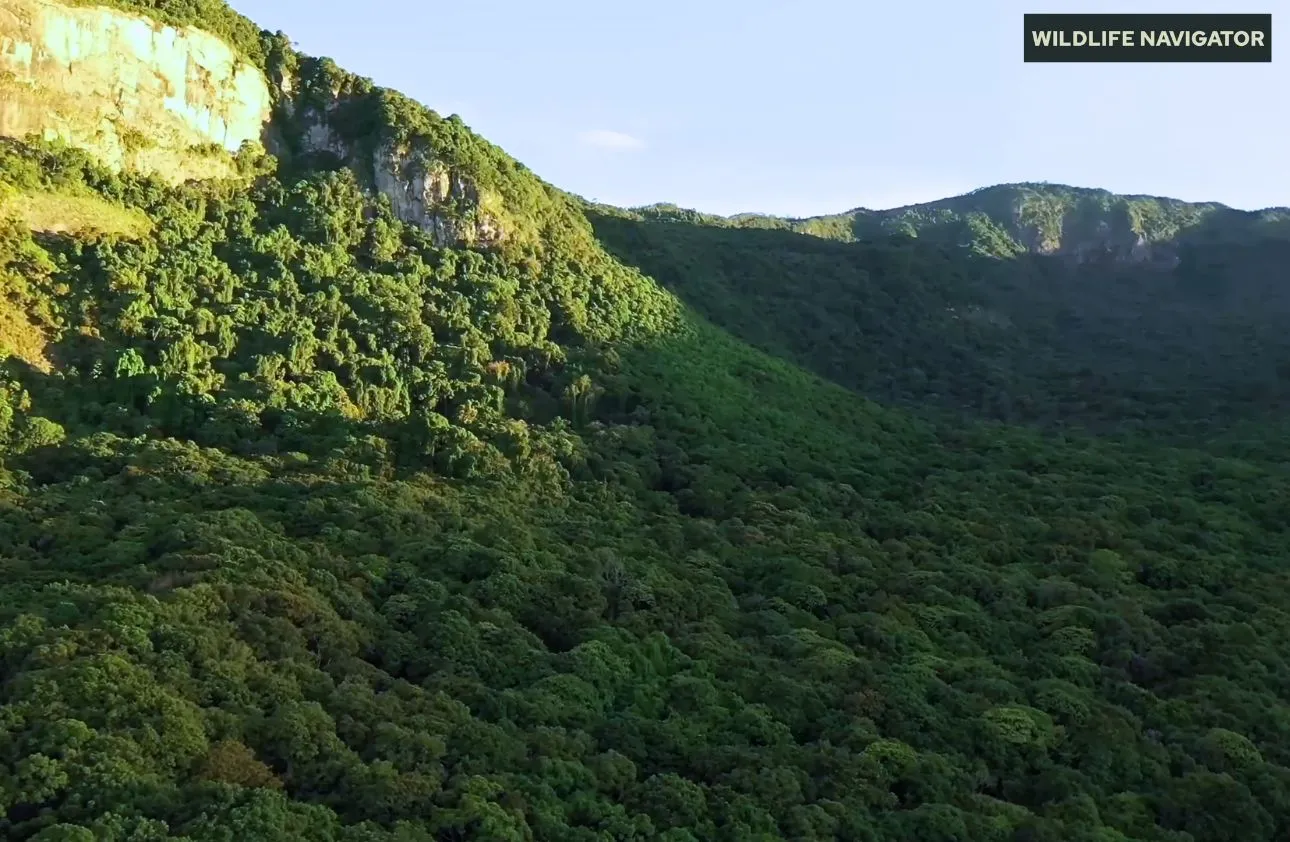
Stretching majestically along India’s western coast, the Western Ghats — also known as the Sahyadri Hills — form a 1,600-kilometre chain of mountains that cradle some of the oldest and richest ecosystems on the planet. Extending from the misty highlands of Gujarat and Maharashtra to the emerald forests of Kerala and Tamil Nadu, this mountain range is often called the “Green Spine of India” — a title that reflects both its lush beauty and its life-sustaining role.
Recognised as a UNESCO World Heritage Site, the Western Ghats are among the eight hottest biodiversity hotspots in the world. The range nurtures an extraordinary variety of flora and fauna, with over 7,000 species of plants, 500 species of birds, and countless rare mammals, reptiles, and amphibians — many of which are found nowhere else on Earth. From the call of the Malabar whistling thrush echoing through rain-drenched valleys to the sight of a lion-tailed macaque leaping across mossy treetops, every corner of this ancient landscape feels alive with wonder.
Beyond its natural splendour, the Western Ghats are the lifeline of peninsular India — feeding the origins of mighty rivers like the Godavari, Krishna, and Kaveri. These waters sustain millions of people across the southern states, making the Ghats not just a natural marvel but a vital ecological system that supports both wilderness and civilisation.
Quick Facts: Western Ghats at a Glance
- Location: Runs parallel to India’s western coast through Gujarat, Maharashtra, Goa, Karnataka, Kerala, and Tamil Nadu.
- Length: Approx. 1,600 km.
- Highest Peak: Anamudi (2,695 m), Kerala.
- UNESCO World Heritage Site: Declared in 2012, covering 39 protected areas.
- Major Rivers Originating: Godavari, Krishna, Kaveri, Periyar, Bharathapuzha.
- Endemism: Over 7,400 plant species, 500 bird species, and 140 mammal species, many found nowhere else on Earth.
- Best Time to Visit: October to February (post-monsoon).
- Known For: Rich biodiversity, evergreen forests, waterfalls, spice plantations, and eco-tourism.
Geography & Formation of the Western Ghats
The Western Ghats run parallel to India’s western coastline, spanning six states — Gujarat, Maharashtra, Goa, Karnataka, Kerala, and Tamil Nadu. Rising sharply from the coastal plains and tapering into rolling highlands, this mountain chain forms a continuous wall between the Arabian Sea and the Deccan Plateau. Its average elevation ranges between 900 and 1,600 metres, with peaks like Anamudi (2,695 m) in Kerala and Doddabetta in Tamil Nadu standing as the highest summits south of the Himalayas.
Geologically, the Western Ghats are ancient — far older than the Himalayas. Formed over 150 million years ago, they are a fragment of the supercontinent Gondwana, shaped by volcanic activity and tectonic movements. Over millennia, erosion carved out deep valleys, dramatic escarpments, and gentle slopes now draped in forests. The result is a landscape that’s as rugged as it is fertile — a cradle of biodiversity and cultural heritage alike.
The Ghats are also a watershed of immense importance. Nearly all the major rivers of peninsular India — including the Godavari, Krishna, Periyar, Kaveri, and Bharathapuzha — originate from its slopes. These rivers nourish millions of lives downstream, powering agriculture, hydropower, and ecosystems across the southern states.
From the wind-swept plateaus of Maharashtra to the rain-soaked hills of Kerala, the geography of the Western Ghats defines not just the region’s weather and wildlife, but also its way of life. It is a realm where monsoon clouds gather, rainforests breathe, and ancient geology continues to shape India’s natural destiny.
Biodiversity & Ecosystems of the Western Ghats
The Western Ghats are often described as a living museum of evolution. Despite covering less than 6% of India’s land area, this mountain range harbours nearly 30% of the country’s plant, animal, and bird species — making it one of the planet’s most biologically rich and ecologically significant regions.
A Tapestry of Forests and Habitats
The region’s unique topography and climate have created an astonishing range of ecosystems — from dense tropical evergreen forests in the south to deciduous woodlands, montane shola-grassland mosaics, and riverine wetlands. Each altitude zone shelters a different community of life: the lowland forests hum with cicadas and king cobras, while the mist-laden upper slopes are home to orchids, tree ferns, and moss-covered canopies.
Flora: Ancient and Endemic
Over 7,400 species of flowering plants are recorded in the Western Ghats, with nearly 38% found nowhere else on Earth. Towering Dipterocarpus indicus, aromatic Cinnamomum trees, and the iconic Neelakurinji — which blooms once every 12 years — define its lush landscapes. Medicinal plants used in Ayurveda also trace their roots to these forests, revealing how deeply intertwined nature and culture are in this region.
Fauna: The Wild Heart of India
From the stealth of a tiger to the trumpet of an elephant, the Western Ghats teem with life. It shelters over 140 species of mammals, including the lion-tailed macaque, Nilgiri tahr, Malabar giant squirrel, and the elusive slender loris. Birdwatchers flock here to spot the Malabar pied hornbill, Nilgiri flycatcher, and great Indian hornbill — symbols of the Ghats’ avian wealth.
Reptiles and amphibians are equally abundant, with 80% of amphibian species being endemic. Among them, the vividly coloured Malabar gliding frog and the wrinkled frog of the Anamalais are wonders of adaptation found nowhere else.
A Lifeline for Millions
Beyond its wild inhabitants, the Western Ghats sustain over 245 million people who depend on its rivers, forests, and monsoon patterns. The dense vegetation captures rainfall, recharges groundwater, and regulates the region’s climate — making it not only a biodiversity hotspot but also a critical ecological lifeline for southern India.
Major National Parks & Wildlife Sanctuaries of the Western Ghats
Scattered across the length of the Western Ghats are some of India’s most spectacular national parks and sanctuaries — each a sanctuary of biodiversity and a haven for nature enthusiasts. These protected areas not only conserve rare and endangered species but also offer travellers a glimpse into the raw, untamed beauty of this mountain realm.
- Silent Valley National Park, Kerala:
- Hidden deep within the Nilgiri Biosphere Reserve, Silent Valley is often called “the last untouched tropical rainforest of South India.” Its misty canopies echo with the calls of the lion-tailed macaque, Nilgiri langur, and Malabar whistling thrush. The park’s dense evergreen forests remain one of the least disturbed ecosystems in India.
- Best time to visit: December to April.
- Periyar Tiger Reserve, Kerala:
- Centred around the scenic Periyar Lake, this reserve in Thekkady is famous for its thriving elephant herds and rich avifauna. Boating on the lake offers a rare chance to observe elephants, bison, and sambar deer in their natural habitat.
- Best time to visit: October to March.
- Kudremukh National Park, Karnataka
- Named after its horse-shaped peak, Kudremukh features rolling grasslands interspersed with shola forests and cascading streams. It is a paradise for trekkers and home to wildlife like the lion-tailed macaque, leopard, and gaur.
- Best time to visit: November to May.
- Anamalai Tiger Reserve, Tamil Nadu:
- Also known as Indira Gandhi Wildlife Sanctuary, this vast reserve protects elephants, tigers, leopards, and the endangered Nilgiri tahr. The lush canopy shelters a mosaic of habitats ranging from dry thorn forests to wet evergreen woods.
- Best time to visit: February to June.
- Bhagwan Mahavir Wildlife Sanctuary & Mollem National Park, Goa:
- Goa’s only national park, Mollem, is home to waterfalls, dense forests, and species like the black panther, sambar, and a variety of butterflies. The Dudhsagar Falls within the park adds to its allure.
- Best time to visit: November to February.
- Eravikulam National Park, Kerala:
- Located near Munnar, Eravikulam is famous for the blooming of Neelakurinji once every 12 years and as the habitat of the Nilgiri tahr. Rolling grasslands, cool air, and panoramic vistas make it a must-visit.
- Best time to visit: September to February.
Collectively, these parks represent the diverse ecosystems that define the Western Ghats — from lowland rainforests and montane grasslands to riverine habitats and high-altitude plateaus. Exploring them is like journeying through a living encyclopedia of India’s natural heritage.
Cultural & Human Connection
Beyond its wild forests and misty peaks, the Western Ghats are also a landscape of stories, traditions, and communities that have coexisted with nature for centuries. The mountains are not just a biodiversity hotspot — they are a living cultural landscape, where tribal wisdom, spirituality, and sustainable living are deeply rooted in the rhythms of the forest.
Indigenous Communities: Guardians of the Green
Numerous tribal groups — including the Malasar, Kurumba, Irula, Paniya, Toda, and Kadar — inhabit the forests of the Western Ghats. These communities have long maintained a harmonious relationship with their surroundings, practising shifting cultivation, gathering forest produce, and relying on traditional ecological knowledge to sustain their lives.
Their understanding of medicinal plants, animal behaviour, and seasonal cycles reflects a deep connection that modern science continues to learn from. In many areas, these tribes serve as true custodians of biodiversity, helping conservation authorities monitor and protect fragile habitats.
Sacred Groves and Spiritual Ecology
Scattered throughout the Ghats are thousands of sacred groves — small patches of forest preserved for centuries due to religious and cultural beliefs. Locals believe these groves are the abodes of deities or ancestral spirits, and cutting trees or hunting within them is strictly forbidden.
These traditions have quietly conserved genetic diversity and provided refuge for countless species, acting as ancient models of community-based conservation. Even today, these groves stand as green sanctuaries amid expanding farmlands and towns.
Culture, Agriculture, and Ayurveda
The fertile slopes of the Ghats have nurtured age-old agricultural systems — from spice plantations in Kerala and coffee estates in Coorg to paddy terraces in Maharashtra’s Konkan region. Many of India’s most cherished crops — pepper, cardamom, nutmeg, and banana — trace their origins to these lush hills.
The Ghats are also the cradle of Ayurvedic wisdom, where hundreds of medicinal plants are still collected for traditional healing practices. This interweaving of culture and ecology has made the Western Ghats both a biological and cultural heritage site, where life thrives in balance between the spiritual and the natural.
Threats & Conservation Challenges
While the Western Ghats remain one of India’s most extraordinary natural landscapes, they face mounting pressures from human activity and environmental change. Once continuous forests are now fragmented into isolated patches, threatening both biodiversity and the delicate ecological balance that sustains millions of lives.
Deforestation and Habitat Loss
Over the past few decades, large tracts of forest have been cleared for agriculture, plantations, roads, and dams. Expanding tea, coffee, and rubber estates, though economically valuable, have replaced native forests with monocultures. This has disrupted the natural corridors used by elephants, tigers, and other species, increasing human-wildlife conflict across several regions.
Mining and Industrial Expansion
Mining for bauxite, iron ore, and laterite has left deep scars on the fragile hillsides, particularly in Goa, Karnataka, and Maharashtra. These open pits erode soil, pollute rivers, and fragment critical habitats. Industrial zones and hydroelectric projects have further strained this ecologically sensitive belt, altering the natural flow of rivers and displacing forest communities.
Climate Change and Altered Rainfall Patterns
The Ghats play a crucial role in intercepting monsoon clouds and regulating rainfall across southern India. However, climate change is disturbing this rhythm — monsoons have become more erratic, with extended dry spells and intense downpours causing landslides, floods, and soil erosion. Such shifts threaten endemic species that rely on specific temperature and humidity ranges for survival.
Tourism Pressure and Urbanisation
Unplanned tourism has become another major challenge. Hill stations like Munnar, Wayanad, and Coorg are seeing rapid growth in hotels, resorts, and vehicular traffic — often beyond their ecological capacity. Waste disposal, plastic pollution, and water overuse are degrading once-pristine habitats. Meanwhile, expanding cities at the foothills are encroaching deeper into wildlife corridors.
Balancing Development and Conservation
The core challenge lies in finding balance — how to allow economic growth while safeguarding the ecological soul of the Western Ghats. Conservationists argue that true progress must integrate sustainable livelihoods, local participation, and ecosystem protection, ensuring that development benefits people without destroying the natural systems that sustain them.
Conservation Efforts & Success Stories
Despite the growing pressures, the story of the Western Ghats is not only one of loss — it’s also one of resilience, revival, and community action. Across its sprawling landscapes, governments, researchers, and local communities are working hand in hand to preserve the heartbeat of India’s ecological heritage.
The Gadgil and Kasturirangan Reports
In recognition of its ecological significance, the Indian government set up the Western Ghats Ecology Expert Panel (WGEEP) in 2010, chaired by ecologist Madhav Gadgil. The Gadgil Report emphasised the need to designate the Ghats as an Ecologically Sensitive Area (ESA) and recommended restrictions on mining, deforestation, and large-scale industrial projects.
Later, the Kasturirangan Committee refined these recommendations, suggesting a balance between environmental protection and development. Together, these reports shaped India’s conservation policies and raised nationwide awareness about the fragility of the Ghats.
UNESCO World Heritage Recognition
In 2012, the Western Ghats were declared a UNESCO World Heritage Site, with 39 sites across Kerala, Tamil Nadu, Karnataka, and Maharashtra recognised for their unique biodiversity and evolutionary history. This global recognition helped strengthen conservation efforts, promoting eco-tourism and research-based protection across the region.
Protected Areas and Corridor Conservation
The network of national parks, wildlife sanctuaries, and tiger reserves has expanded significantly. Projects like the Nilgiri Biosphere Reserve and Anamalai–Parambikulam landscape conservation aim to reconnect fragmented habitats, allowing species such as elephants, leopards, and gaurs to roam freely across borders.
Collaborative efforts between forest departments and NGOs are now restoring corridors, reforesting degraded patches, and mitigating human-wildlife conflicts.
Community and Grassroots Initiatives
Perhaps the most inspiring stories come from the people who live closest to the forest. In Kerala and Karnataka, tribal and local communities manage community-owned forests and eco-tourism ventures, such as the Kadar tribe’s forest watch programs and eco-guiding in Wayanad. These initiatives combine livelihood generation with forest protection — a true model of sustainable coexistence.
The Rise of Eco-Tourism and Education
From organic homestays to guided nature trails, eco-tourism in the Western Ghats has become a tool for both conservation and awareness. Visitors are now encouraged to explore responsibly, reducing plastic waste, conserving water, and supporting local guides. Educational programs by NGOs and nature clubs are also helping young minds reconnect with nature — ensuring that the next generation values what remains wild.
Best Time to Visit & How to Explore Responsibly
The Western Ghats offer something special in every season — from mist-draped monsoon forests to sunlit hilltops glowing after the rains. Knowing when to visit and how to explore responsibly can turn your journey into not just an adventure but a contribution toward preserving this fragile ecosystem.
Best Time to Visit
The Western Ghats experience three main seasons, each painting the landscape in a unique way:
- Monsoon (June–September): The most magical time when waterfalls roar, forests glisten in emerald hues, and the scent of wet earth fills the air. Ideal for photographers and monsoon lovers, though trekking can be restricted due to leeches and slippery trails.
- Post-Monsoon (October–February): The best time for wildlife watching, trekking, and eco-tourism. The weather is cool, visibility is clear, and most national parks remain open to visitors.
- Summer (March–May): Though warmer, this season offers excellent chances to spot wildlife around waterholes and witness the forests in bloom. Hill stations like Munnar, Wayanad, and Coorg remain comfortably cool.
Top Ways to Explore the Ghats
- Trekking Trails: Popular routes like Kudremukh Peak (Karnataka), Chembra Peak (Kerala), and Agasthyakoodam (Tamil Nadu) reveal breathtaking views of cloud-kissed forests and rolling grasslands.
- Wildlife Safaris: Visit parks such as Periyar, Dandeli, and Anamalai for guided jeep or boat safaris — best for spotting elephants, bisons, and endemic birds.
- Waterfall Escapes: Witness the thunderous Dudhsagar Falls in Goa or Athirappilly Falls in Kerala, both surrounded by dense rainforest.
- Cultural Journeys: Explore heritage towns like Sakleshpur and Madikeri where coffee plantations meet colonial charm, and local traditions blend seamlessly with mountain life.
Responsible Travel Tips
Travelling through the Western Ghats comes with a responsibility to protect what you enjoy. Here’s how you can make a difference:
- Carry reusable bottles and avoid single-use plastics.
- Stay in eco-lodges or community-run homestays that support local conservation.
- Follow marked trails — off-trail walking damages sensitive vegetation.
- Avoid loud music and littering in natural areas.
- Hire local guides who understand the forest and its rhythms.
- Respect wildlife: maintain distance, use silent observation, and never feed animals.
Exploring the Ghats mindfully ensures that these mountains continue to thrive — where rivers run pure, forests breathe freely, and wildlife remains undisturbed for generations to come.
Top Eco-Stays & Sustainable Tourism Options
To truly experience the spirit of the Western Ghats, there’s nothing like staying close to nature. From misty rainforest lodges to organic farm retreats, the region offers a wide range of eco-friendly stays that blend comfort with conservation. Each stay is a gateway to wilderness — where mornings begin with bird calls and nights fall under a canopy of stars.
Jungle Retreat Wayanad, Kerala
Location: Near Muthanga Wildlife Sanctuary
Nestled deep within the rainforest, Jungle Retreat offers rustic cottages surrounded by towering trees and a stream-fed pond. Guided nature walks and birdwatching trails are led by naturalists from the local community.
Who it’s best for: Wildlife photographers and nature enthusiasts seeking quiet forest immersion.
Facilities: Organic meals, campfire, Wi-Fi-free zone, and open-air dining.
Rainforest Resort, Athirappilly, Kerala
Location: Overlooking the Athirappilly Waterfalls
This eco-luxury resort combines sustainability with breathtaking scenery. Guests can watch the mighty falls from their balconies while enjoying locally inspired cuisine. The property emphasizes water conservation and minimal plastic use.
Who it’s best for: Couples and travellers seeking a luxury eco-retreat.
Facilities: Infinity pool, Ayurvedic spa, nature trails, and local cuisine.
Wildernest Nature Resort, Chorla Ghat, Goa–Karnataka Border
Location: Chorla Ghat, North Goa
Perched in the heart of the Western Ghats, Wildernest is known for its forest-view chalets and emphasis on environmental education. Guests can join treks, butterfly walks, and village visits guided by local eco-naturalists.
Who it’s best for: Birdwatchers, conservationists, and families.
Facilities: Infinity pool, nature education centre, herbal spa, and organic restaurant.
Evolve Back (Orange County), Coorg, Karnataka
Location: Chikkana Halli Estate, Coorg
Set amidst lush coffee plantations, Evolve Back combines luxury with sustainability. The resort follows eco-architecture, uses solar energy, and employs local Kodava staff.
Who it’s best for: Travellers seeking premium eco-luxury blended with cultural experiences.
Facilities: Private pool villas, plantation tours, cultural performances, and farm-to-table dining.
Forest Hills, Tala, Maharashtra
Location: Near Raigad, Maharashtra
Set on a sprawling private estate, Forest Hills is built using reclaimed materials and runs on renewable energy. The property focuses on organic farming, forest restoration, and wildlife-friendly landscaping.
Who it’s best for: Families and adventurers who want to combine comfort with sustainability.
Facilities: Cottages and treehouses, adventure activities, organic food, and yoga retreats.
Each of these eco-stays demonstrates how tourism and conservation can coexist. By choosing such accommodations, travellers directly contribute to local economies, forest protection, and the preservation of the Western Ghats’ fragile ecosystems.
Conclusion: Preserving the Pulse of the Western Ghats
The Western Ghats are far more than a mountain range — they are the green heartbeat of India. Every raindrop that nourishes the southern plains, every breath of cool monsoon air, and every song of a whistling thrush owes its rhythm to these ancient hills. For centuries, the Ghats have stood as a symbol of balance — between land and sky, people and planet, past and future.
But today, that balance stands fragile. As forests shrink and rivers strain under modern pressures, the responsibility to protect this natural heritage falls on all of us — travellers, locals, and policymakers alike. Each sustainable journey, every conscious choice to reduce waste or support local communities, becomes a quiet act of conservation.
To walk through the Western Ghats is to step into a living symphony — of rustling bamboo, chirping cicadas, and whispering winds. Protecting this melody ensures that the generations to come will also hear the song of the wild — pure, unbroken, and eternal.