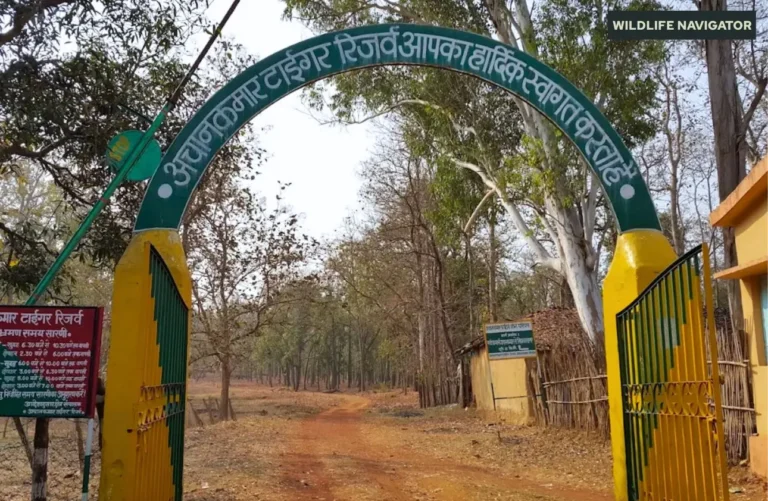
Van Vihar National Park, Bhopal: Urban Wildlife Sanctuary & Visitor Guide


Van Vihar National Park is a unique urban wildlife sanctuary located in the heart of Bhopal, Madhya Pradesh. Spanning over 4.45 square kilometres, the park serves as a green oasis amidst the bustling city, combining natural habitats with well-planned enclosures for various species of wildlife. Unlike traditional national parks, Van Vihar is designed to allow visitors an up-close experience with animals while prioritising their safety and well-being.
Established with the vision of conserving native and exotic species, the park hosts a diverse array of mammals, birds, reptiles, and amphibians, offering an educational and recreational experience for families, nature enthusiasts, and wildlife photographers. Its open spaces, artificial lakes, and dense patches of trees create an environment that balances natural ecosystems with urban accessibility.
Beyond its role in conservation, Van Vihar also contributes to ecological stability by acting as a green lung for Bhopal, helping reduce pollution and providing a serene environment for residents and tourists alike.
History, Geography & Landscape of Van Vihar National Park
The History of Van Vihar
Van Vihar National Park was officially established in 1979 as a part of Madhya Pradesh’s efforts to conserve wildlife within urban areas. The park was created to provide a safe habitat for animals rescued from circuses, zoos, and conflict zones, as well as to protect native species of the region. Over the decades, it has evolved into a model for urban wildlife conservation, balancing animal welfare with public education and recreation. Unlike conventional national parks, Van Vihar focuses on both preservation and visitor engagement, offering a structured environment where wildlife can thrive within city boundaries.
Geographical Setting and Terrain
Situated on the southern edge of Bhopal city, Van Vihar covers approximately 4.45 square kilometres of open forest, grasslands, and water bodies. The park lies at an elevation of around 500 meters above sea level, featuring mostly flat terrain interspersed with gentle slopes.
Several artificial water bodies, including small lakes and ponds, support both aquatic life and the surrounding vegetation, making the park a vital green space in the urban landscape. Its proximity to the Upper Lake (Bhojtal) enhances the ecological richness of the area, providing a continuous habitat for migratory birds and resident wildlife.
The Landscape: An Urban Wildlife Oasis
The design of Van Vihar blends natural landscapes with man-made enclosures that mimic the animals’ natural habitats. Open spaces for herbivores, dense shaded areas for predators, and water zones for birds and reptiles create a balanced ecosystem within the park. Tree-lined pathways and landscaped gardens not only enhance visitor experience but also contribute to the park’s role as a green lung for Bhopal, improving air quality and providing a cool, refreshing environment. This combination of ecological planning and urban accessibility makes Van Vihar a unique model for wildlife conservation in India’s cities.
Flora
Van Vihar National Park is home to a variety of plant species that support its diverse wildlife. The park’s greenery includes both native and ornamental plants, providing shade, shelter, and food for animals and birds. Its carefully maintained gardens and tree plantations contribute to the park’s serene environment and ecological balance.
Key Plant Species in Van Vihar:
- Teak (Tectona grandis): Provides dense shade and shelter for birds and monkeys.
- Saja (Terminalia tomentosa): A native tree attracting various insects and birds.
- Bamboo: Supports nesting and offers grazing space for herbivores.
- Tendu and Mahua: Important for wildlife and local biodiversity.
- Ornamental Plants: Hibiscus, Bougainvillea, and Gulmohar add colour and attract pollinators.
The combination of trees, shrubs, and waterbody vegetation creates microhabitats that encourage natural behaviour in animals while maintaining a visually appealing landscape for visitors.
Fauna
Van Vihar is unique in that it allows visitors to experience a wide variety of wildlife in an urban setting. Animals are kept in semi-natural enclosures that closely resemble their habitats, ensuring they are comfortable while offering educational viewing opportunities for guests.
Mammals Found in the Park:
- Tigers
- Leopards
- Sloth Bears
- Deer (Chital and Sambar)
- Nilgai (Blue Bull)
- Monkeys (Rhesus Macaques)
Bird Species Observed:
- Peafowl
- Kingfishers
- Egrets and Herons
- Parakeets
- Woodpeckers
Reptiles & Amphibians:
- Monitor Lizards
- Snakes (Non-venomous and Venomous)
- Frogs and Toads
- Turtles
Highlight Species:
- Bengal Tiger: A key attraction and symbol of the park’s conservation efforts.
- Sloth Bear: Offers visitors insight into one of India’s lesser-seen carnivores.
- Peafowl: Adds vibrant colour and activity, often spotted near water bodies.
By maintaining a blend of open areas, water bodies, and dense vegetation, Van Vihar encourages natural animal behaviours such as foraging, hunting, and nesting. Visitors not only get a chance to see wildlife up close but also learn about the importance of urban biodiversity and conservation.
Entry Fee, Timing and Safari Details
Entry Fees
Van Vihar National Park has nominal entry fees to encourage public participation while supporting maintenance and conservation programs.
- Walking Tour
- ₹25 per person
- Cycle Tour
- Own bicycle: ₹30 per person
- Bicycle provided by Van Vihar: ₹40 per person
- Golf Cart Ride (rates in addition to entry fee)
- ₹60 per person
- Children up to 5 years: Free
- Children aged 5–12 years: ₹40
- Full golf cart (up to 6 people): ₹400
- Safari Tour (Vehicle provided by Van Vihar)
- ₹100 per person
- Children up to 5 years: Free
- Children aged 5–12 years: ₹30
- Full vehicle (maximum 6 persons): ₹1000
- Parking Charges (in addition to entry fee)
- Two-wheeler: ₹10
- Light four-wheeler: ₹20
- Mini bus/bus: ₹30
Timings
The park is open to tourists on all days of the week except Friday. Being a national park and zoo, it also follows varying opening and closing times as per the season and the timing of sunrise/sunset.
| Duration | Opening Time | Closing Time |
|---|---|---|
| 16th February to 15th April | 6:30 AM | 6:30 PM |
| 16th April to 31st July | 6:00 AM | 7:00 PM |
| 1st August to 31st October | 6:30 AM | 6:30 PM |
| 1st November to 15th February | 6:30 AM | 6:00 PM |
Important Visitor Information
- Ticket sales close 30 minutes before the park closing time.
- The above charges apply to Indian citizens.
- Foreign visitors are charged double the listed entry fees.
Trails and Nature Experiences in Van Vihar
Van Vihar offers well-laid walking trails and nature paths that allow visitors to explore the park at a leisurely pace. These trails wind through open grasslands, wooded areas, and along water bodies, providing opportunities for wildlife spotting and photography. Nature enthusiasts often enjoy early morning or late afternoon walks, when animals are most active.
Popular Trails and Spots:
- Central Woodland Trail: Dense shade, ideal for birdwatching.
- Lakeside Path: Close to water bodies where animals often gather.
- Herbivore Open Grounds: Best for spotting deer, nilgai, and peafowl.
Safari Alternative: Nature Walks & Eco-Trails
Though Van Vihar does not offer large-scale safaris like other national parks, guided nature walks and eco-trails provide an immersive experience. These guided tours highlight animal behaviours, flora, and conservation efforts.
Activities Include:
- Educational guided tours for students and wildlife enthusiasts.
- Photography-focused walks with expert tips.
- Boating in designated water areas to observe aquatic birds.
Safari Booking & Contact
Visitors can book guided tours or special nature walks through the park’s official channels. Online booking is available for convenience.
Contact Details:
- Official Website: Van Vihar National Park
- Phone: +91-7552674278
- Email: fdvanvnp.bpl@mp.gov.in
Best Time to Visit Van Vihar National Park
Van Vihar National Park can be visited throughout the year, but different seasons offer unique experiences. Understanding the seasonal patterns helps visitors plan their trips for optimal wildlife viewing and comfortable weather.
Winter (October – February)
Winter is the most favourable season to visit the park. Temperatures range from 10°C to 25°C, making it ideal for walking trails, photography, and observing active wildlife. The cooler weather encourages animals to roam openly, increasing your chances of spotting tigers, deer, and birds.
Highlights:
- Pleasant weather for long walks.
- Higher wildlife activity during mornings and evenings.
- Ideal for photography and guided tours.
Monsoon (June – September)
The monsoon season transforms Van Vihar into a lush, green haven. Heavy rains replenish water bodies, attracting migratory birds and making the park a vibrant ecosystem. However, some trails may become slippery or temporarily closed during heavy showers.
Highlights:
- Fresh greenery and blooming flora.
- Active amphibians and reptiles.
- Scenic beauty of lakes and water zones.
Summer (March – May)
Summers in Bhopal are warm, with temperatures ranging from 30°C to 40°C. While this season sees lower wildlife activity during peak daytime, early morning and late evening visits can still be rewarding. Summer is also less crowded, allowing for a quieter experience.
Highlights:
- Early morning wildlife sightings.
- Fewer visitors and serene surroundings.
- Opportunities for educational and photography activities.
Best Season Recommendation
For the most comfortable and rewarding experience, winter (October to February) is the preferred time to visit Van Vihar. The weather is pleasant, wildlife is more visible, and park activities such as guided walks and eco-tours are fully operational. Monsoon offers a scenic alternative for nature enthusiasts, while summer is suitable for quieter visits with fewer crowds.
How to Reach & Getting Around Van Vihar National Park
Van Vihar National Park is located in the heart of Bhopal, making it easily accessible by air, train, and road. Its central location also allows visitors to combine a wildlife visit with a city tour.
Nearest Towns and Base Points
- Bhopal City: Van Vihar lies within the city limits, just a few kilometres from the Upper Lake (Bhojtal).
- Nearby Localities: Shahpura, Arera Hills, and Habibganj provide convenient access points.
By Air
- Raja Bhoj Airport (Bhopal Airport): Approximately 15 km from the park.
- Frequent domestic flights connect Bhopal to major cities like Delhi, Mumbai, and Indore.
- Taxis, auto-rickshaws, and app-based cabs are readily available from the airport to the park.
By Train
- Bhopal Junction Railway Station: Around 7 km from Van Vihar.
- Habibganj Station: About 4 km away, ideal for visitors arriving by regional trains.
- Auto-rickshaws, taxis, and local buses can be used for last-mile connectivity.
By Road
- Bhopal is well-connected by national and state highways.
- Regular bus services operate from nearby cities like Indore, Jabalpur, and Sanchi.
- Personal vehicles or taxis provide flexible travel options for visitors.
Getting Around the Park
- Walking Trails: Well-marked paths allow visitors to explore the park at a leisurely pace.
- Battery-Operated Vehicles: Available for guided tours or those who prefer not to walk long distances.
- Guided Tours: Knowledgeable guides provide insights into wildlife behaviour, flora, and conservation efforts.
- Photography Spots: Designated areas for capturing wildlife safely.
By combining urban accessibility with safe, structured pathways, Van Vihar offers visitors the chance to enjoy wildlife experiences without straying far from the city.
Accommodation, Dining & Stay Options in Van Vihar National Park
Though Van Vihar is located within Bhopal city, visitors have a variety of lodging options ranging from budget stays to comfortable hotels. Staying near the park allows early access for wildlife walks and guided tours while providing a convenient base for exploring Bhopal’s attractions.
Forest Guesthouses & Nature Camps
- Some forest guesthouses and eco-camps near Van Vihar offer a closer connection to nature.
- These accommodations often provide simple facilities and guided park tours.
- Ideal for wildlife enthusiasts seeking an immersive experience.
Homestays & Eco-Stays
- Local homestays offer a more personalised experience with home-cooked meals and insight into regional culture.
- Eco-stays focus on sustainable living and environmental awareness.
- Many homestays are located within 3–5 km of the park.
Resorts & Hotels
- Bhopal has numerous 3–5 star hotels suitable for families, business travellers, and tourists seeking comfort.
- Popular options include hotels near the Upper Lake and city centre, providing easy access to Van Vihar.
Nearby Dining Options
- Local Cuisine: Try Bhopali specialities like Poha, Bhopali Biryani, and sweets at city restaurants.
- Cafes & Fast Food: Several cafes near Van Vihar cater to tourists and families.
- Street Food: Local food stalls near the city’s lakes and markets offer authentic flavours.
Staying near Van Vihar allows visitors to combine wildlife exploration with cultural sightseeing, providing a complete experience of Bhopal’s natural and urban charm.
Nearby Attractions, Culture & Suggested Itineraries
Van Vihar National Park is not only a wildlife destination but also ideally located for exploring Bhopal’s cultural, historical, and natural attractions. Visitors can combine their park visit with sightseeing to experience the city’s rich heritage and scenic beauty.
Natural Attractions Nearby
- Upper Lake (Bhojtal): A large, scenic lake offering boating, walking paths, and birdwatching opportunities.
- Lower Lake: Connected to the Upper Lake, perfect for short walks and photography.
- Van Vihar Gardens: Landscaped areas around the park that enhance the greenery and provide relaxing spots for visitors.
Cultural & Heritage Attractions
- Taj-ul-Masajid: One of India’s largest mosques, known for its impressive architecture.
- Bharat Bhavan: A cultural complex showcasing art, theatre, and museums.
- Sanchi Stupa (Day Trip, ~46 km): A UNESCO World Heritage Site with ancient Buddhist monuments.
- Shaukat Mahal & Raj Bhavan: Architectural landmarks reflecting Bhopal’s historical legacy.
Adventure & Eco-Tourism Activities
- Cycling: Explore scenic trails around the lakes and park areas.
- Photography Tours: Capture wildlife, landscapes, and cityscapes.
- Guided Nature Walks: Educational tours highlighting flora, fauna, and conservation efforts.
Suggested Itineraries
- Half-Day Visit: Van Vihar exploration and boating at Upper Lake.
- Full-Day Excursion: Morning park visit, afternoon at Bharat Bhavan or Taj-ul-Masajid.
- Two-Day Tour: Day 1 – Van Vihar and city attractions; Day 2 – Sanchi Stupa and nearby heritage sites.
By combining urban wildlife, scenic lakes, and rich cultural landmarks, visitors can create a balanced itinerary that offers relaxation, adventure, and educational experiences.
Conservation & Importance of Van Vihar National Park
Van Vihar National Park plays a vital role in urban wildlife conservation while serving as an ecological haven in the heart of Bhopal. Beyond being a recreational destination, the park actively contributes to biodiversity preservation and environmental education.
Ecological Significance
- Acts as a green lung for Bhopal, reducing air pollution and maintaining microclimatic balance.
- Supports urban biodiversity by providing habitat for native and rescued species.
- Maintains water bodies that attract migratory birds, amphibians, and reptiles.
Role in Wildlife Conservation
- Houses rescued and orphaned animals, providing them a safe, semi-natural environment.
- Breeding programs for endangered species, such as Bengal tigers and sloth bears.
- Regular veterinary care and feeding ensure the health and longevity of resident wildlife.
Global Recognition
- Serves as a model for urban wildlife management in India.
- Recognised for successfully combining conservation with public education and recreation.
Community & Eco-Tourism Initiatives
- Educational programs for school students, highlighting wildlife awareness and environmental responsibility.
- Volunteer opportunities for local communities to participate in park activities.
- Eco-friendly measures, such as waste management and water conservation, to minimise human impact.
The Ongoing Challenge
- Urbanisation and increasing visitor numbers create challenges in maintaining a balance between accessibility and animal welfare.
- Continuous monitoring, conservation planning, and public awareness are essential to sustain the park’s ecological and educational value.
Van Vihar demonstrates that even in urban environments, it is possible to preserve biodiversity, educate the public, and provide meaningful wildlife experiences.
Conclusion
Van Vihar National Park is a unique urban wildlife sanctuary that successfully balances conservation, education, and recreation. Located in the heart of Bhopal, it provides an accessible space for residents and tourists to experience India’s rich biodiversity without leaving the city. The park’s carefully designed enclosures, walking trails, and water bodies create an environment where animals can thrive while visitors enjoy safe and informative encounters with wildlife.
Beyond being a tourist destination, Van Vihar plays a crucial role in urban ecology, acting as a green lung, supporting native species, and promoting environmental awareness. Whether you are a wildlife enthusiast, a family seeking a day out, or someone interested in photography and nature, Van Vihar offers an enriching experience. The combination of flora, fauna, scenic landscapes, and nearby cultural attractions makes it an ideal stop on any Bhopal itinerary.
FAQs about Van Vihar National Park
1. Can visitors feed the animals?
No, feeding animals is strictly prohibited to ensure their health and natural behaviour.
2. Are pets allowed in the park?
No, pets are not permitted inside to avoid stress and danger to wildlife.
3. Is photography allowed?
Yes, photography is allowed from designated areas and trails.
4. How long does a typical visit last?
A visit usually lasts 2–4 hours, depending on wildlife viewing, walks, and optional guided tours.
5. Are guided tours available?
Yes, the park offers guided nature walks and educational tours for individuals, groups, and students.
6. What is the best time to visit?
Winter (October to February) is the most comfortable and rewarding season for wildlife sightings and walks.
7. How can I reach Van Vihar?
The park is easily accessible by air (Raja Bhoj Airport), train (Bhopal Junction or Habibganj), and road from within Bhopal city.