Tadoba Andhari Tiger Reserve – Chandrapur, Maharashtra

Tadoba Andhari Tiger Reserve, the oldest and largest protected wildlife area in Maharashtra, is a magnificent stretch of forest that showcases India’s wild heart in its most untamed form. Located in the Chandrapur district, this reserve is a part of the central Indian landscape that shelters a thriving population of Bengal tigers, along with an astonishing diversity of flora and fauna.
Officially known as Tadoba Andhari Tiger Reserve, it was originally established as Tadoba National Park in 1955 — a name still widely recognised and searched by wildlife enthusiasts across the country.
Spread over more than 1,700 square kilometres, Tadoba’s terrain blends dry deciduous forests, bamboo thickets, meandering rivers, and serene lakes, creating an ecosystem where predators and prey coexist in a delicate balance. The Andhari River flows through its heart, nurturing both the forest and the life it sustains.
Over the years, Tadoba has evolved from a small national park into one of India’s most successful tiger reserves under Project Tiger. Today, it stands not only as a vital conservation stronghold but also as one of the country’s most sought-after wildlife tourism destinations — a place where every rustle of leaves could signal the presence of the majestic tiger.
History of Tadoba Andhari Tiger Reserve
The Legend of Taru and the Origins of the Name
The roots of Tadoba’s history are intertwined with the folklore of the local Gond tribes. The name “Tadoba” is derived from Taru, a brave tribal chief who, according to legend, was killed in a heroic battle with a tiger near the Tadoba Lake. To honour his spirit, the villagers built a shrine that still stands today, symbolising the sacred bond between humans and the wild. This enduring story gives the reserve a spiritual identity, reflecting how reverence for nature has long been part of the region’s cultural fabric.
From Tadoba National Park to Tiger Reserve
The journey of Tadoba as a protected area began in 1955, when it was declared Tadoba National Park, covering an area of 116.55 square kilometres. For several decades, this forest provided a safe haven to tigers, leopards, and other wildlife, though challenges like habitat loss and poaching persisted. To extend protection, the Andhari Wildlife Sanctuary—covering 508.85 square kilometres—was created in 1986, encompassing the Andhari River and its surrounding forests. Recognising their ecological connectivity, both areas were merged in 1995, giving rise to the Tadoba Andhari Tiger Reserve (TATR).
Conservation Milestones and Modern Revival
After its designation under Project Tiger, Tadoba witnessed significant conservation efforts: stricter anti-poaching measures, habitat restoration, and community engagement initiatives. Over time, tiger populations rebounded, and the reserve became a model for balanced wildlife management. Today, Tadoba Andhari Tiger Reserve stands as a symbol of India’s conservation success—a place where tradition, protection, and biodiversity converge in harmony.
Geography & Landscape of Tadoba Andhari Tiger Reserve
Location and Extent
Tadoba Andhari Tiger Reserve is located in the Chandrapur district of Maharashtra, covering about 1,727 sq km of forests, hills, and river valleys. It includes the core areas of Tadoba National Park and Andhari Wildlife Sanctuary, with several buffer zones that enhance habitat connectivity.
Terrain and Water Bodies
The landscape features gentle hills, bamboo thickets, and open meadows that provide ideal tiger habitats. The Tadoba Lake, located centrally, is a key water source and a popular wildlife-spotting area, while the Andhari River flows through the reserve, maintaining its ecological rhythm.
Climate and Vegetation
The region has a tropical dry deciduous climate, with scorching summers, monsoon rejuvenation, and cool winters. Forests are dominated by teak, bamboo, ain, and mahua trees, forming a resilient ecosystem that sustains both herbivores and predators.
Flora of Tadoba Andhari Tiger Reserve
The flora of Tadoba Andhari Tiger Reserve forms the foundation of its rich biodiversity, shaping both the landscape and the lives it supports. Classified as a Southern Tropical Dry Deciduous Forest, the vegetation thrives under a harsh climate, adapting to long dry spells and intense summer heat. The forest canopy is typically open, allowing sunlight to filter through, nourishing an impressive range of shrubs, grasses, and herbs beneath.
Dominant Tree Species
Tadoba’s woodlands are primarily composed of teak (Tectona grandis) and bamboo (Dendrocalamus strictus), which define much of the reserve’s terrain. These are accompanied by several native hardwoods and flowering trees that lend both structure and colour to the forest:
- Ain (Terminalia tomentosa)
- Bija (Pterocarpus marsupium)
- Mahua (Madhuca indica) – valued for its flowers and fruit
- Tendu (Diospyros melanoxylon) – host to many insects and birds
- Dhawda, Arjun, and Palash – adding diversity and seasonal vibrance
Shrubs, Grasses, and Ground Flora
Beneath the tall trees lies a dense layer of bamboo clusters, lantana, and karvy bushes, interspersed with tall grasses that form ideal cover for deer and smaller mammals. Seasonal grasses flourish after the monsoon, transforming the forest floor into a green carpet that sustains herbivores through the dry months.
Ecological Role
The varied vegetation ensures food and shelter for all species—from grazing animals like chital and gaur to apex predators like the tiger. Teak and bamboo thickets provide camouflage and nesting areas, while fruiting trees attract birds, monkeys, and sloth bears, making Tadoba a complete, self-sustaining ecosystem.
Fauna of Tadoba Andhari Tiger Reserve
Tadoba Andhari Tiger Reserve is one of India’s most thriving wildlife habitats, celebrated for its rich and balanced ecosystem. From the roar of the Bengal tiger to the calls of vibrant birds, every layer of Tadoba’s wilderness teems with life. The diverse terrain—lakes, bamboo forests, and dry grasslands—supports an impressive variety of species, making it a paradise for wildlife photographers and naturalists alike.
Major Predators
The star attraction of Tadoba is undoubtedly the Bengal tiger, often spotted near water bodies and forest clearings. The reserve is home to a stable and visible tiger population, earning it the reputation of being one of India’s best tiger-sighting destinations. Alongside tigers, several other predators roam the forest, maintaining ecological balance:
- Indian Leopard (Panthera pardus fusca)
- Wild Dog or Dhole (Cuon alpinus)
- Sloth Bear (Melursus ursinus)
- Jungle Cat and Rusty-Spotted Cat
- Indian Jackal and Striped Hyena
Herbivores and Other Mammals
The landscape sustains large herds of grazers and browsers that form the prey base for predators. Common sightings include:
- Gaur (Indian bison)
- Sambar Deer
- Spotted Deer (Chital)
- Nilgai (Blue Bull)
- Barking Deer and Wild Boar
Smaller mammals such as porcupines, civets, and palm squirrels add to the diversity.
Avifauna and Reptiles
Tadoba is a delight for birdwatchers, with over 195 recorded bird species, including:
- Crested Serpent Eagle
- Changeable Hawk-Eagle
- Indian Pitta
- Asian Paradise Flycatcher
- Grey-headed Fish Eagle
Lakes and wetlands attract woolly-necked storks, herons, and kingfishers, while the forest canopy resonates with the calls of drongos and barbets. Reptiles such as marsh crocodiles, Indian pythons, and monitor lizards thrive in the warmer zones, completing Tadoba’s food chain.
Ecological Importance
The harmonious coexistence of predators and prey here reflects the success of conservation management. Each species—from the smallest butterfly to the apex tiger—plays a role in maintaining Tadoba’s ecological balance, making it one of the most dynamic wildlife ecosystems in central India.
Safari Zones of Tadoba Andhari Tiger Reserve
Tadoba Andhari Tiger Reserve offers one of the most rewarding wildlife safari experiences in India. Its vast expanse is divided into core and buffer zones, each providing unique landscapes, wildlife encounters, and photographic opportunities. The management has structured these zones to balance tourism with conservation, ensuring minimal disturbance to the natural habitat while maximising visitor experience.
Core Zones
The core area of Tadoba, covering around 625 sq km, is the primary habitat for tigers and major wildlife species. Each zone has its own charm and ecological character:
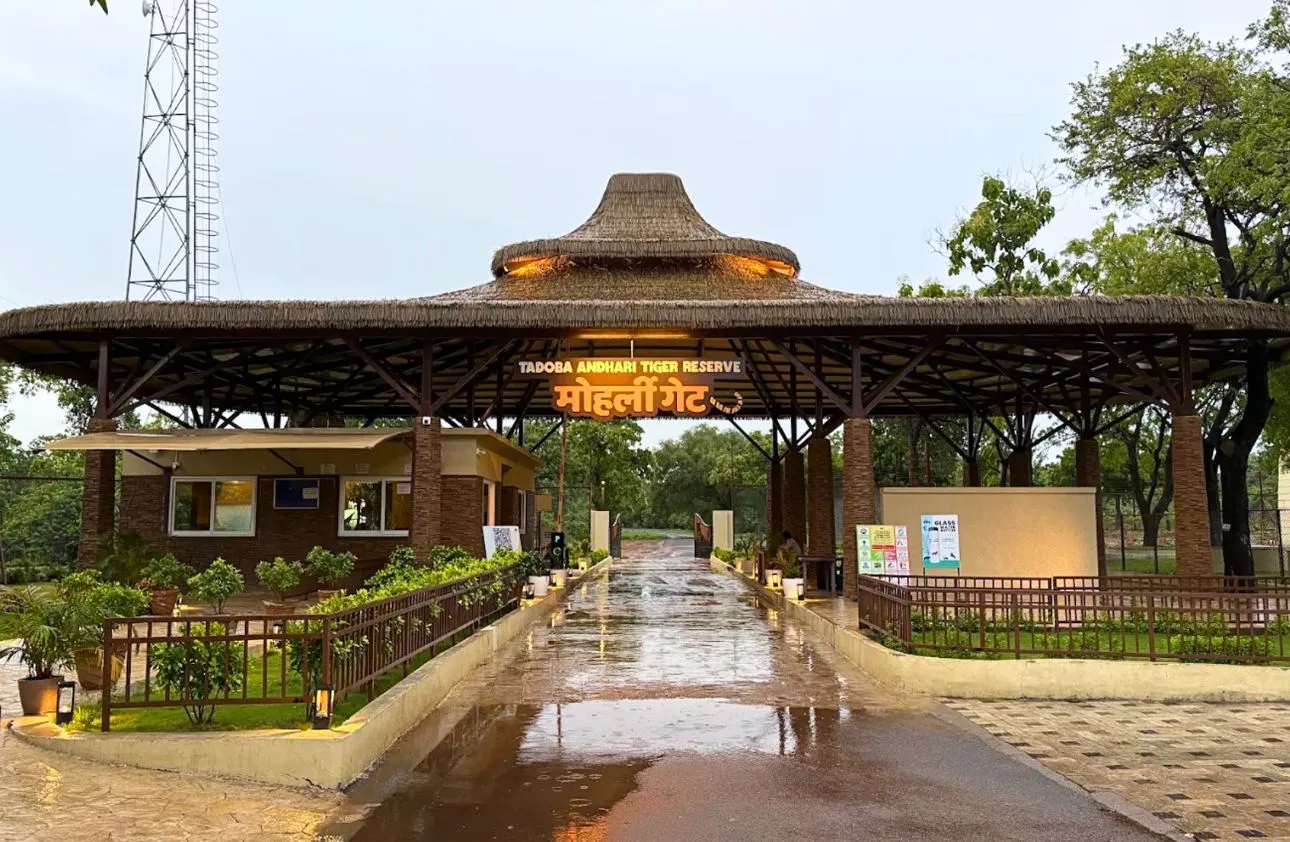
- Tadoba Zone (Moharli Range): The oldest and most famous zone; features Tadoba Lake and dense teak forests. Known for frequent tiger sightings and scenic beauty.
- Moharli Zone: Popular for safaris due to easy accessibility from Chandrapur. Offers open meadows and diverse fauna — often the best chance for spotting tigers, leopards, and sloth bears.
- Kolsa Zone: Characterised by thick bamboo and mixed deciduous forests. Ideal for birdwatching and tranquil jeep rides through undisturbed forest tracks.
Buffer Zones
To reduce pressure on the core area, several buffer zones were developed, each with distinct landscapes and safari trails:
- Agarzari – Great for family safaris; offers close views of wildlife near waterholes.
- Devada and Junona – Excellent for spotting leopards, wild dogs, and nocturnal species.
- Kolara and Madnapur – Scenic drives through teak forests with lesser crowds.
- Alizanza and Ramdegi – Emerging eco-tourism zones with community-run lodges.
Safari Experience
Visitors can choose between Jeep (Gypsy) safaris and Canter safaris, both available in morning and evening slots. Online booking through the official Maharashtra EcoTourism website allows visitors to select their preferred gate and guide. Each safari offers a distinct experience — from following tiger pugmarks on dusty tracks to witnessing herds of deer grazing at sunrise.
Best Time to Visit Tadoba Andhari Tiger Reserve
Tadoba Andhari Tiger Reserve is open for visitors throughout most of the year, but each season offers a different perspective of its wilderness. Understanding the climate and seasonal behaviour of wildlife helps travellers plan safaris for the most rewarding experience.
Summer (March to May) – Peak Tiger Season
Summer is considered the best time for tiger sightings. As water sources dry up, animals gather around lakes and ponds, especially at Tadoba Lake and Telia Lake, offering excellent photography opportunities. The heat can be intense (often exceeding 45°C), but this is when Tadoba’s wildlife activity is most visible.
Monsoon (June to September) – The Season of Renewal
During the monsoon, Tadoba transforms into a lush green paradise. Though some zones close due to safety and conservation reasons, the reserve’s rejuvenated landscapes attract nature lovers and photographers who appreciate its quieter charm. The rains also replenish water sources and revive the forest floor with vibrant plant life.
Winter (October to February) – Comfortable and Scenic
Winter offers pleasant weather and rich birdlife, making it a favourite among casual travellers and birdwatchers. The forest remains green from the receding monsoon, and visibility is good for spotting tigers, leopards, and herds of deer. Morning safaris are cool and misty, perfect for experiencing the tranquil side of Tadoba.
Ideal Visiting Tips
- Advance safari booking is recommended, especially during winter holidays.
- Morning safaris are ideal in summer; evening safaris in winter for softer light and active wildlife.
- Light cotton clothes in summer and layered clothing in winter ensure comfort during long rides.
Accommodation Options Near Tadoba Andhari Tiger Reserve
Tadoba Andhari Tiger Reserve offers a variety of accommodation options that cater to every kind of traveller — from luxury wildlife enthusiasts to eco-conscious explorers. Most stays are located near the core and buffer entry gates, especially around Moharli, Kolara, and Navegaon, ensuring easy access to safari zones and a close connection with nature.
Forest Lodges and Government Stays
For visitors who prefer an authentic forest experience, the Maharashtra Forest Department operates several rest houses and lodges inside or near the core area.
- MTDC Tadoba Resort (Moharli): A popular government-run option with basic amenities and excellent location.
- Forest Rest Houses: Located at Tadoba, Kolsa, and Moharli; ideal for those seeking a quiet, rustic stay close to wildlife.
Eco-Resorts and Luxury Lodges
The rise of eco-tourism has brought several sustainable yet comfortable stay options around Tadoba:
- Svasara Jungle Lodge (Kolara Gate) – Known for responsible tourism and guided safaris.
- Tadoba Tiger King Resort (Moharli) – Offers modern amenities with forest views.
- Waghoba Eco Lodge (Khutwanda) – An award-winning eco-stay blending luxury with sustainability.
- Tadoba Jungle Camp – A mid-range property with serene surroundings and local hospitality.
Budget Stays and Homestays
Travellers seeking budget-friendly options will find several homestays, guesthouses, and private lodges around Moharli and Chandrapur. These stays are often family-run, offering home-cooked meals and insights into local tribal culture.
Responsible Tourism Practices
Many lodges promote eco-friendly initiatives such as solar energy use, plastic-free policies, and local employment programs. Staying at these properties supports the surrounding communities and contributes to conservation-focused tourism.
Conservation Efforts & Ecotourism in Tadoba Andhari Tiger Reserve
Tadoba Andhari Tiger Reserve has emerged as a conservation success story under Project Tiger, launched here in 1995. Focused anti-poaching drives, habitat restoration, and use of camera traps and patrol teams have helped maintain a healthy and growing tiger population.
Local tribal communities, mainly the Gond and Kolam, are deeply involved in protecting the forest through Eco-Development Committees (EDCs). They contribute as guides, safari drivers, and artisans, ensuring that eco-tourism directly benefits local livelihoods.
Tourism in Tadoba follows strict sustainability principles—limited safari entries, promotion of buffer zone tourism, and support for eco-friendly lodges using renewable energy and waste-reduction systems. Visitors are encouraged to follow ethical safari practices that prioritise wildlife welfare over close encounters.
Through this balanced approach, Tadoba continues to stand as a model of how conservation and community participation can coexist, ensuring the tiger’s roar echoes through Maharashtra’s forests for generations to come.
How to Reach Tadoba Andhari Tiger Reserve
Tadoba Andhari Tiger Reserve is well-connected by air, rail, and road, making it easily accessible for travellers from across India. The reserve has multiple entry gates, with Moharli, Kolara, and Navegaon being the most popular for safaris.
By Air
The nearest airport is Dr. Babasaheb Ambedkar International Airport, Nagpur, located about 140 km from the reserve. Regular flights connect Nagpur with major Indian cities like Mumbai, Delhi, Pune, and Hyderabad. From the airport, taxis and private cabs are available to reach various Tadoba gates in 3–4 hours.
By Rail
The closest railway station is Chandrapur (45 km), well-linked to Nagpur, Hyderabad, and other major junctions. Nagpur Railway Station (145 km) is another convenient option for visitors arriving from distant locations.
By Road
Tadoba is accessible via the Nagpur–Chandrapur–Mul road network and NH-44, offering smooth connectivity. State transport buses, rental cars, and private taxis operate regularly to gates like Moharli, Kolara, and Navegaon.
Travel Tips
- Book safaris in advance through the Maharashtra EcoTourism official website.
- Choose the nearest gate according to your stay location.
- Avoid night travel through forest roads for safety.
Nearby Attractions around Tadoba Andhari Tiger Reserve
Exploring Tadoba Andhari Tiger Reserve can be complemented by visits to several nearby attractions that showcase the cultural and natural richness of Maharashtra’s Chandrapur region. These spots offer travellers a perfect blend of wildlife, history, and local heritage.
Erai Dam
Located about 20 km from Tadoba, Erai Dam is a serene water reservoir surrounded by forested hills. It’s a popular spot for birdwatching, picnics, and sunset views. During the dry season, the area often attracts migratory birds and even occasional wildlife sightings.
Anandwan
Founded by the renowned social worker Baba Amte, Anandwan is an inspiring rehabilitation community near Warora, around 30 km from Chandrapur. It showcases humanity’s harmony with nature through sustainable living, organic farming, and inclusive development.
Ballarpur Fort
Situated on the banks of the Wardha River, Ballarpur Fort dates back to the 15th century and was once an important stronghold of the Gond kings. Its ancient gateways, moats, and remnants of royal architecture make it a fascinating historical stop for travellers.
Nearby Wildlife Sanctuaries
For those extending their wildlife circuit, nearby reserves like Nagzira Wildlife Sanctuary, Pench Tiger Reserve, and Umred Karhandla Wildlife Sanctuary offer diverse landscapes and excellent safari opportunities within the central Indian tiger corridor.
Conclusion
Tadoba Andhari Tiger Reserve stands as one of India’s most remarkable conservation success stories — a place where wilderness thrives in its purest form. From its early days as Tadoba National Park to its present stature as Maharashtra’s largest and oldest tiger reserve, Tadoba has evolved into a living sanctuary of biodiversity and balance. Its forests echo with the calls of birds, the rustle of bamboo, and the distant roar of the tiger — a reminder of nature’s enduring power.
Beyond its wildlife, Tadoba represents a deeper harmony between people and the forest. Local communities, eco-tourism initiatives, and conservation programs work together to protect this fragile ecosystem while allowing visitors to experience its raw beauty responsibly. For travellers, photographers, and nature lovers, a visit to Tadoba is more than just a safari — it’s an encounter with the soul of India’s wild heart.