Swiss National Park – Graubünden, Switzerland

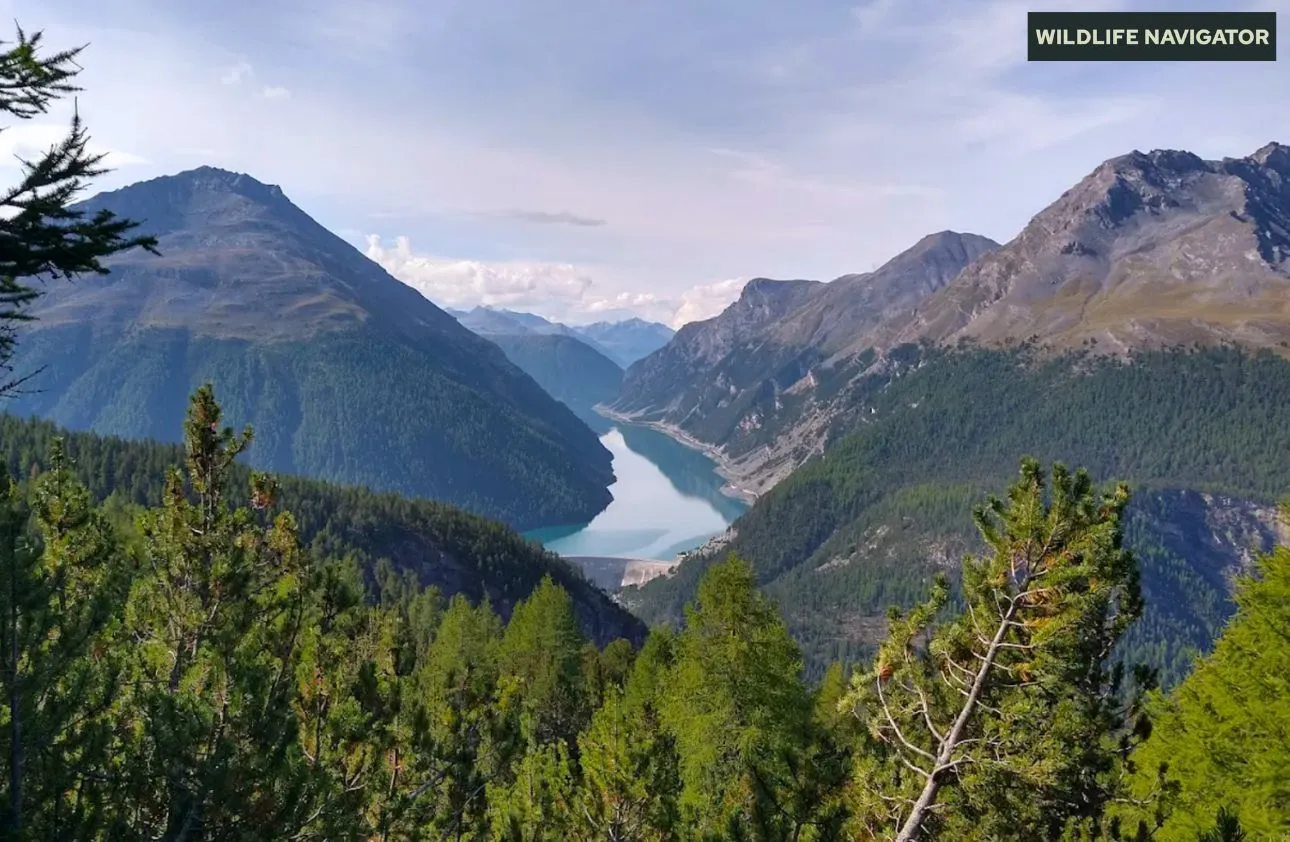
Swiss National Park is Switzerland’s most significant protected natural area and the only national park in the country, representing the purest form of wilderness conservation in the Alps. Located in the eastern part of Switzerland in the canton of Graubünden, this remarkable park is a sanctuary where nature is allowed to evolve entirely on its own, free from human interference.
Established in 1914, Swiss National Park is not only Switzerland’s oldest protected area but also one of the oldest national parks in Europe, making it a cornerstone of modern conservation efforts.
The park is managed by the Swiss National Park Authority and serves as a living laboratory for scientists studying natural alpine ecosystems. Its untouched environment supports a rich diversity of flora and fauna, including iconic alpine species such as ibex, red deer, chamois, marmots, golden eagles, and bearded vultures.
Covering an area of approximately 170 square kilometres, the park encompasses dramatic alpine landscapes shaped by towering peaks, deep valleys, pristine rivers, and vast mountain meadows. Unlike many national parks worldwide, Swiss National Park operates under an exceptionally strict non-intervention policy. Activities such as hunting, forestry, grazing, and even picking plants are strictly prohibited.
Swiss National Park is a paradise for nature lovers, hikers, and wildlife photographers seeking an authentic wilderness experience.
Geography and Landscape
Swiss National Park is set in the heart of the Eastern Alps in the canton of Graubünden, featuring some of Switzerland’s most pristine and dramatic alpine terrain. The park’s landscape is dominated by rugged mountain peaks, steep limestone cliffs, deep glacial valleys, and wide alpine meadows shaped over thousands of years by ice, wind, and water. Elevations range from approximately 1,400 metres to over 3,100 metres, creating varied habitats within a relatively compact area.
Several mountain streams and rivers flow through the park, carving narrow gorges and nourishing rich valley ecosystems. Forests of larch and Swiss stone pine cover lower slopes, while higher elevations transition into rocky scree, alpine grasslands, and exposed ridgelines. Because human activity is strictly limited, these landscapes change naturally with the seasons, offering visitors a rare glimpse into untouched alpine ecology.
Climate and Best Time to Visit Swiss National Park
The park experiences a typical alpine climate, with long, cold winters and short, mild summers. Weather conditions can change rapidly, especially at higher altitudes.
Best time to visit:
- June to September – Ideal for hiking, wildlife observation, and photography
- July and August – Peak season with maximum trail access and stable weather
- September – Fewer crowds, crisp air, and excellent wildlife sightings during the rutting season
During October to May, heavy snowfall closes most trails, and access is limited. Winter visits are generally restricted to the park’s outskirts, as the core area remains protected to allow wildlife and ecosystems to rest undisturbed.
Flora of Swiss National Park
Swiss National Park protects one of the most intact alpine plant ecosystems in Europe, where vegetation is allowed to grow, adapt, and regenerate without any human intervention. Due to the park’s strict conservation policy, forests, meadows, and alpine slopes follow entirely natural cycles, offering scientists and visitors a rare opportunity to observe how alpine flora evolves over time.
At lower elevations, the landscape is dominated by subalpine forests, while higher zones transition into open alpine meadows and rocky terrain. The short growing season and harsh climate have shaped hardy plant species that are well adapted to cold temperatures, strong winds, and nutrient-poor soils.
Notable flora species found in Swiss National Park include:
- Swiss stone pine (Pinus cembra) – A slow-growing tree vital for high-altitude ecosystems
- European larch (Larix decidua) – One of the few deciduous conifers, turning golden in autumn
- Alpine rose (Rhododendron ferrugineum) – Bright pink blooms covering slopes in summer
- Edelweiss (Leontopodium alpinum) – Iconic alpine flower and national symbol
- Gentians (Gentiana species) – Known for their deep blue, trumpet-shaped flowers
- Alpine anemone – Early-blooming plant adapted to snow-covered ground
Because picking plants is strictly prohibited, these species thrive undisturbed, contributing to the park’s role as a living laboratory for alpine biodiversity and long-term ecological research.
Wildlife in Swiss National Park
Swiss National Park is one of Europe’s most important refuges for alpine wildlife, where animals live and interact without human disturbance. Decades of strict protection and a complete hunting ban have allowed ecosystems to stabilise naturally, making the park an exceptional place to observe authentic wildlife behaviour.
Key mammals found in Swiss National Park include:
- Alpine ibex – A major conservation success, often seen on rocky cliffs
- Red deer – The most widespread large mammal in the park
- Chamois – Perfectly adapted to steep alpine terrain
- Alpine marmot – Social rodents famous for their warning whistles
- Red fox – An adaptable predator found across elevations
The park also supports a rich diversity of birdlife.
Notable bird species include:
- Golden eagle – Apex aerial predator of the alpine skies
- Bearded vulture – Successfully reintroduced after regional extinction
- Black grouse and alpine ptarmigan – Cold-adapted mountain birds
Despite the harsh climate, several reptiles and amphibians thrive in lower valleys and sun-exposed areas.
Reptiles and amphibians include:
- Common European adder – The only venomous snake in the region
- Viviparous lizard – Well adapted to cold alpine conditions
- Common frog – Found near streams and wetlands
- Alpine salamander – A rare species that gives birth to live young
Together, these species highlight Swiss National Park’s role as a critical sanctuary for alpine biodiversity.
Popular Hiking Trails and Things to Do in Swiss National Park
Swiss National Park offers a range of low-impact, nature-focused activities designed to help visitors experience the Alps while preserving the park’s pristine environment. Due to its strict protection policy, activities are limited to those that do not disturb wildlife or natural processes, making the experience peaceful and deeply immersive.
Hiking is the highlight of any visit, with a network of well-maintained trails ranging from gentle valley walks to demanding alpine routes.
Popular hiking trails include:
- Val Trupchun Trail – One of the best routes for wildlife sightings, especially red deer during autumn
- Il Fuorn – Val Minger Route – A scenic trail passing forests, streams, and open meadows
- Zernez Panorama Trail – Ideal for first-time visitors, offering sweeping valley views
- Val Tantermozza Trail – A quieter route showcasing remote alpine scenery
Things to do in Swiss National Park include:
- Hiking on marked trails – The primary way to explore the park
- Wildlife observation – Spot ibex, red deer, marmots, and birds of prey
- Nature photography – Capture untouched alpine landscapes and wildlife
- Guided excursions – Learn about ecology, wildlife, and conservation
- Educational visits – Explore exhibitions at the National Park Centre in Zernez
All hikes must be completed within designated hours, and visitors are required to stay strictly on marked paths. This ensures safety while protecting fragile alpine habitats, allowing future generations to enjoy one of Europe’s most untouched wilderness areas.
Visitor Information for Swiss National Park
Swiss National Park is well-prepared to welcome visitors while maintaining its strict conservation standards. The park’s National Park Centre in Zernez serves as the main hub, offering information on trails, wildlife, and safety guidelines. All visits must adhere to park rules to protect its fragile ecosystems, including staying on marked paths, avoiding littering, and respecting wildlife.
Visitor facilities and information include:
- National Park Centre, Zernez – Exhibitions, maps, and guided tour bookings
- Trail maps and signage – Clearly marked hiking routes for all difficulty levels
- Rest areas and picnic spots – Limited facilities for short breaks
- Parking – Available in designated areas near trailheads
- Safety guidelines – Advice on weather, wildlife encounters, and alpine hazards
- Accessibility information – Some trails suitable for families and moderate hikers
Entry to the park is free, but facilities and guided programs may have fees. Planning ahead ensures a safe, enjoyable, and responsible visit to Switzerland’s only national park.
How to Reach Swiss National Park
Swiss National Park is located in the canton of Graubünden, Eastern Switzerland, with Zernez serving as the main gateway for visitors. Despite its remote alpine setting, the park is easily accessible by public transport or private vehicle, making it a convenient destination for nature enthusiasts.
By Public Transport:
- Train: The nearest major train stations are in Zernez and Samedan, well connected to larger Swiss cities such as Zurich, Geneva, and St. Moritz.
- Bus: Regional buses link Zernez to trailheads and smaller villages within the park area. Public transport is reliable and scenic, offering views of valleys and alpine meadows along the way.
By Car:
- Zernez is reachable via the A28 motorway and regional roads from nearby cities.
- Parking is available at trailheads and near the National Park Centre, but visitors must use only designated areas to protect natural habitats.
Hiking Access:
- Most trails begin from Zernez or nearby villages, with routes ranging from easy valley walks to challenging alpine climbs.
- Trails are clearly marked, and visitor maps are available at the National Park Centre.
Planning your journey in advance is recommended, especially during peak season, to ensure smooth access and the best wildlife viewing opportunities.
Interesting Facts About Swiss National Park
Swiss National Park is not only Switzerland’s only national park but also a remarkable example of long-term wilderness conservation in Europe. Its strict protection measures and untouched landscapes make it a fascinating destination for nature lovers, hikers, and wildlife enthusiasts alike. Here are some interesting facts that highlight its uniqueness:
- One of Europe’s oldest national parks – Established in 1914, it predates many other European protected areas.
- Strict non-intervention policy – Human activities such as hunting, logging, grazing, and picking plants are completely prohibited.
- No camping or overnight stays – Visitors can only explore the park during the day, ensuring minimal disturbance to wildlife.
- Natural processes only – Ecosystems evolve without interference, from avalanches shaping valleys to forests regenerating naturally.
- Home to iconic alpine wildlife – Species like ibex, marmots, red deer, golden eagles, and bearded vultures thrive here.
- UNESCO Biosphere Reserve connection – The park contributes to broader ecological research and alpine conservation efforts.
- Visitor trails are carefully regulated – Hikers must stay on marked paths, preserving fragile habitats and protecting biodiversity.
Conservation, Protection & Responsible Tourism
Swiss National Park is a living example of strict conservation, where human interference is minimal and natural processes govern the landscape. The park’s unique policies and ongoing conservation efforts make it a vital sanctuary for alpine ecosystems, wildlife, and plant species.
Strict Protection Policies
Swiss National Park operates under a non-intervention policy, meaning activities such as hunting, logging, grazing, or picking plants are strictly prohibited. Visitors must stay on marked trails at all times, and camping or overnight stays within the park are not allowed. These rules ensure that wildlife populations, forests, and alpine meadows evolve naturally, maintaining ecological balance and preserving habitats for future generations.
Conservation Importance
The park plays a critical role in protecting alpine biodiversity. By allowing ecosystems to function without human interference, scientists can study natural population dynamics, forest regeneration, and species interactions. The park also monitors the impacts of climate change on alpine flora and fauna, making it a living laboratory for ecological research in Europe.
Responsible Tourism
Visitors are encouraged to follow Leave No Trace principles and practice responsible tourism:
- Stay on designated paths to avoid disturbing wildlife
- Do not feed or approach animals
- Carry out all waste and avoid littering
- Use eco-friendly transport to access the park
- Support local communities by using nearby accommodations and services
By combining strict protection with responsible tourism, Swiss National Park ensures that its pristine wilderness and rich biodiversity can be enjoyed sustainably for generations to come.
Conclusion
Swiss National Park is a true alpine sanctuary, offering visitors an unparalleled opportunity to experience Europe’s wilderness in its purest form. As Switzerland’s only national park, it combines stunning landscapes, rich biodiversity, and strict conservation policies to protect both flora and fauna. From rugged mountain peaks and pristine meadows to iconic wildlife like ibex, red deer, and golden eagles, the park provides a unique glimpse into ecosystems functioning entirely on their own.
For hikers, nature enthusiasts, and wildlife photographers, Swiss National Park is more than a travel destination—it is a living laboratory and a symbol of Switzerland’s long-term commitment to environmental preservation. By respecting park rules and practicing responsible tourism, visitors can enjoy this extraordinary wilderness while helping to ensure that its natural beauty and ecological integrity remain intact for generations to come.
FAQs About Swiss National Park
Here are some frequently asked questions to help visitors plan their trip and understand the park’s rules: