Sariska Tiger Reserve | National Park – Wildlife, Safari & Entry Fees

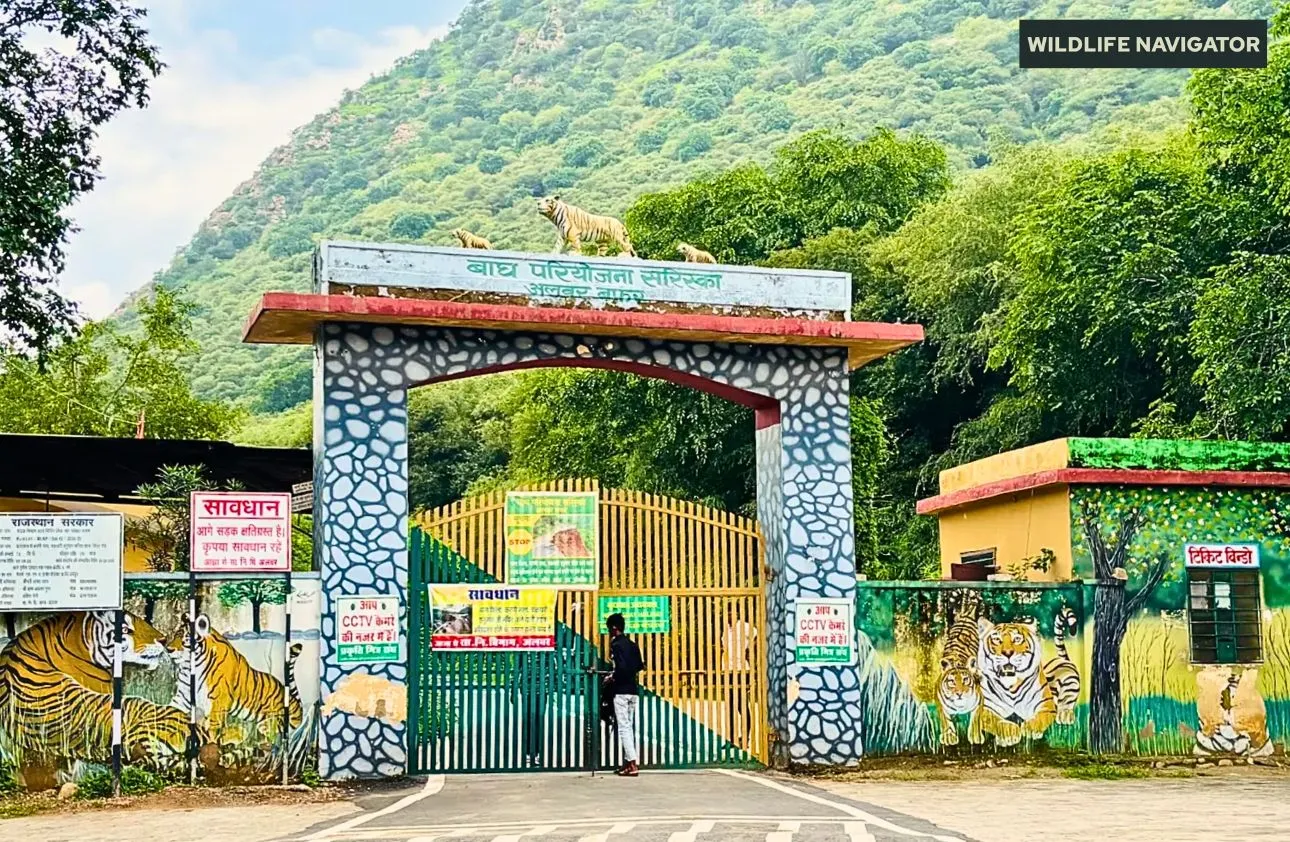
Sariska Tiger Reserve is one of India’s most well-known wildlife destinations. Located in the Alwar district of Rajasthan, it is both a Tiger Reserve under Project Tiger and a National Park, giving it a unique dual status. The reserve covers an area of approximately 881 square kilometres, with forests, hills, and valleys that provide a natural habitat for tigers and other wildlife.
Sariska Tiger Reserve is famous for its population of Bengal tigers, making it a popular spot for wildlife enthusiasts and photographers. Apart from tigers, the reserve is home to leopards, sloth bears, hyenas, and a variety of deer species. Its historical sites, such as Kankwari Fort and ancient temples, add cultural value to the natural beauty, making it a destination that combines wildlife and history in one trip.
The park’s diverse terrain, ranging from rocky hills to dry deciduous forests, supports a rich variety of flora and fauna. It is an ideal place for safari experiences, birdwatching, and nature photography.
History, Geography & Landscape
Sariska Tiger Reserve has a rich history that adds to its charm. The area is home to Kankwari Fort, an old fort built during the Mughal era, and several ancient temples that reflect the region’s cultural heritage. These historical sites make Sariska not only a wildlife destination but also a place of historical interest.
The reserve is spread across the Aravalli hills and features a mix of dry deciduous forests, rocky terrain, and valleys. The landscape includes small rivers and waterholes that attract wildlife, especially during the dry season. The forests are mainly composed of trees such as dhak, khejri, and neem, which provide shelter and food for animals.
The climate in Sariska is tropical and semi-arid. Summers can be hot, with temperatures reaching above 40°C, while winters are cooler and more pleasant, making it the ideal time for wildlife safaris. Monsoon brings greenery to the forest, but some areas may be inaccessible due to rains.
The combination of hills, forests, and water sources creates a perfect habitat for tigers, leopards, and other wildlife, making Sariska a unique blend of natural beauty and historical significance.
Wildlife in Sariska National Park
Sariska Tiger Reserve is home to a rich variety of wildlife, making it a top destination for nature lovers, photographers, and wildlife enthusiasts. The reserve supports a balanced ecosystem with predators, herbivores, birds, and reptiles.
Big Cats
Sariska is most famous for its Bengal tigers, the main attraction for visitors. Tigers here roam freely across forests and hills, and sightings are most likely during early morning or late afternoon safaris.
Apart from tigers, leopards inhabit the reserve, though they are more elusive and mostly active at night. Smaller cats, like the jungle cat, can also be spotted near water bodies and dense vegetation. These big cats are vital to the ecosystem, controlling herbivore populations and maintaining balance in the forest.
Mammals
Sariska hosts a variety of mammals beyond big cats. Some of the most commonly seen species include:
- Nilgai (Blue Bull) – The largest antelope in India, often seen grazing in open areas.
- Sloth Bear – Known for its shaggy coat and unique feeding habits, it feeds mostly on termites and fruits.
- Striped Hyena – Nocturnal scavengers that play an important role in cleaning the forest.
- Sambar Deer – Large deer species often spotted near waterholes.
- Chital (Spotted Deer) – Common prey for tigers and leopards, forming large herds in the forest.
Other mammals like jackals, wild boars, and langurs are also part of the reserve’s diverse wildlife.
Birds
Sariska is a paradise for birdwatchers, with over 200 species of birds recorded in the park. Some notable species include:
- Peacocks – India’s national bird, often seen dancing in the open fields.
- Vultures – Important scavengers maintaining the ecological balance.
- Kingfishers – Found near water bodies, adding colour to the forest scenery.
- Migratory Birds – Winter brings species from colder regions, making Sariska ideal for seasonal birdwatching.
Waterholes, rivers, and open grasslands provide excellent spotting and photography opportunities for bird enthusiasts.
Reptiles & Amphibians
Reptiles and amphibians form an essential part of Sariska’s ecosystem. Common species include:
- Snakes – Both venomous and non-venomous species inhabit the forest floor.
- Lizards – Various species of skinks and monitor lizards are found throughout the reserve.
- Marsh Amphibians – Frogs and toads thrive near water bodies, especially during the monsoon.
The combination of predators, herbivores, and birds makes Sariska a complete ecosystem. This biodiversity not only attracts wildlife enthusiasts but also plays a crucial role in conservation and research. Visitors should respect the wildlife and maintain a safe distance, as the park’s management emphasises responsible tourism to protect its delicate environment.
Safari Experience at Sariska Tiger Reserve
Embarking on a safari at Sariska Tiger Reserve offers an immersive experience into the heart of Rajasthan’s wilderness. The reserve provides two primary safari options: Jeep (Gypsy) Safaris and Canter Safaris, each catering to different preferences and group sizes.
Safari Types & Timings
- Jeep Safari: Ideal for smaller groups, these safaris accommodate up to 6 passengers per vehicle. They are available in the following zones:
- Sariska Gate: Zones 1 & 2
- Tehla Gate: Zone 3
- Bala Quila (Baraliwari Gate): Zone 4
- Morning: 6:00 AM – 9:30 AM
- Evening: 3:30 PM – 7:00 PM
(Note: Timings may vary seasonally)
- Canter Safari: Suitable for larger groups, these open-air vehicles can accommodate up to 20 passengers. They operate in:
- Sariska Gate: Zones 1 & 2
- Tehla Gate: Zone 3
- Morning: 6:30 AM – 10:00 AM
- Evening: 2:30 PM – 6:00 PM
(Note: Timings may vary seasonally)
Safari Fees
- Jeep Safari:
- Indian Nationals: ₹1,400 per person
- Foreign Nationals: ₹2,470 per person
- Full Jeep Booking (6 seats): ₹8,400 (Indian), ₹14,820 (Foreign)
- Canter Safari:
- Indian Nationals: ₹970 per person
- Foreign Nationals: ₹2,100 per person
- Full Canter Booking (20 seats): ₹19,400 (Indian), ₹42,000 (Foreign)
Please note that fees may vary slightly depending on the booking platform and additional charges, such as guide and permit fees.
Booking Information
- Online Booking: It is recommended to book safaris in advance through official channels or authorised travel agencies. Online platforms like Exotic Sariska and Sariska Wild Ventures offer convenient booking services.
- Advance Booking: For peak seasons (October to March), booking at least 2-3 weeks in advance is advisable due to high demand.
- Identification: Valid photo identification is required at the time of entry. Foreign nationals must present a passport, while Indian nationals can use an Aadhaar card or other government-issued ID.
Safari Tips
- Best Time to Visit: The ideal months are from October to March, offering pleasant weather and higher chances of wildlife sightings.
- What to Bring: Carry binoculars, a camera, sunscreen, a hat, and comfortable clothing. Avoid bright colours to blend into the environment.
- Guides: Professional guides accompany all safaris, providing insightful information about the flora and fauna of the reserve.
- Rules: Maintain silence, avoid sudden movements, and adhere to the guide’s instructions to ensure a safe and respectful experience for both visitors and wildlife.
Top Attractions in Sariska
Sariska Tiger Reserve offers more than just wildlife sightings. Its combination of natural beauty and historical landmarks makes it a complete travel experience.
Kankwari Fort
Located inside the reserve, Kankwari Fort dates back to the 16th century. Surrounded by forests, it offers panoramic views of the park and is historically linked to the imprisonment of the Mughal emperor Aurangzeb’s daughter. The fort is accessible via a short trek from the nearby safari routes, making it a favourite spot for photography.
Ancient Temples
The reserve is home to several old temples, including Shiv Temple and Gurjari Mahal Temple, which attract visitors interested in history and spirituality. These temples provide insight into the local architecture and cultural heritage.
Water Bodies and Scenic Spots
Sariska’s waterholes, small rivers, and rocky hills serve as natural gathering spots for wildlife. Locations like Siliserh Lake nearby and the forest waterholes are ideal for observing animals like deer, nilgai, and peacocks in their natural habitat.
Birdwatching Locations
For bird enthusiasts, Sariska offers excellent opportunities. Bharatpur-style birdwatching is possible near the waterholes, where species such as kingfishers, eagles, and migratory birds can be spotted, especially during winter.
Photography Opportunities
The combination of wildlife, historical forts, and scenic landscapes makes Sariska a paradise for photographers. Sunrise and sunset safaris provide the best lighting for capturing tigers, deer, and the park’s rocky terrain.
Trekking and Nature Trails
Short trekking paths around Kankwari Fort and some forest trails allow visitors to explore areas beyond the safari routes. These trails are perfect for those who enjoy walking amidst nature while keeping an eye out for wildlife.
Best Time to Visit Sariska National Park Rajasthan
The best time to visit Sariska Tiger Reserve is between October and March, when the weather is cooler and more comfortable for safaris and outdoor activities. During these months, temperatures range from 10°C to 25°C, making it ideal for wildlife spotting and photography.
- Winter (October to February): This is the most popular season for tourists. The weather is pleasant, and the chances of spotting tigers and other wildlife are higher because animals come out to waterholes during the day. Birdwatching is also excellent in this season, with many migratory species present.
- Early Summer (March): Temperatures begin to rise, but safaris are still possible. Early mornings and late afternoons are the best times to observe wildlife.
- Monsoon (July to September): The forest becomes lush and green, offering beautiful scenery. However, some safari routes may be closed due to heavy rainfall, and animal sightings can be less predictable as wildlife spreads out across the dense forest.
- Summer (April to June): Summers are hot, with temperatures often exceeding 40°C. This is not the ideal time for safaris, as wildlife tends to rest in shaded areas during the day. If visiting in summer, early morning safaris are recommended, and visitors should carry plenty of water and sun protection.
Overall, October to March remains the peak season for tourism in Sariska, offering the best combination of weather, wildlife activity, and accessibility.
How to Reach Sariska National Park
Sariska Tiger Reserve is well-connected by road, rail, and air, making it accessible from major cities in Rajasthan and neighbouring states.
By Air
The nearest airport is Jaipur International Airport, about 107 km from Sariska. From Jaipur, travellers can hire taxis or take buses to reach the reserve. Delhi Airport is another option, approximately 220 km away, for those coming from northern India or international destinations.
By Train
The closest railway stations are:
- Alwar Railway Station – 55 km from Sariska
- Rewari Railway Station – 90 km away
Regular trains connect these stations to major cities like Jaipur, Delhi, and Mumbai. From the station, taxis or buses are available to reach the reserve.
By Road
Sariska is easily accessible by road from Jaipur, Delhi, and Alwar. Major highways connect the park to nearby cities:
- From Jaipur: Jaipur-Alwar Highway, approximately 2–3 hours by car.
- From Delhi: NH48 via Dharuhera and Alwar, about 4–5 hours.
Private cars, taxis, and state-run buses operate regularly. For a more scenic experience, travellers can take a road trip through the Aravalli hills, enjoying the landscapes along the way.
Tips for Road Travel
- Early morning or late evening travel is recommended to avoid traffic and enjoy cooler temperatures.
- Ensure your vehicle is in good condition, as some forest roads may be uneven.
- GPS navigation is reliable, but carrying a physical map or directions from the reserve office is helpful.
Accommodation Options
Sariska Tiger Reserve offers a range of accommodation choices, from budget stays to luxury resorts, catering to different types of travelers. Staying close to the park provides easy access to safaris and natural surroundings.
Forest Rest Houses
Managed by the Rajasthan Forest Department, forest rest houses are ideal for nature lovers seeking a simple and peaceful stay. They are located near major safari entry points, including Sariska Gate, Tehla Gate, and Bala Quila. These rest houses provide basic facilities such as beds, clean bathrooms, and guided safari bookings. Advance booking is recommended, especially during peak season.
Budget Hotels
Several budget hotels are available in Alwar and nearby villages. These hotels offer comfortable rooms, basic amenities, and easy access to Sariska. They are suitable for travellers looking for an economical stay while still enjoying the wildlife experience.
Mid-Range Resorts
For travellers seeking more comfort, mid-range resorts near Sariska provide amenities like swimming pools, restaurants, and guided tours. Many resorts also arrange jeep safaris and trekking excursions within the reserve.
Luxury Resorts
Luxury resorts offer a complete wildlife getaway with premium facilities, including spa services, private dining, and eco-friendly accommodations. These resorts often feature natural landscapes within their property and organise exclusive safari packages for guests.
Booking Tips
- Booking in advance is crucial during October to March, the peak tourist season.
- Check if the accommodation offers safari packages or easy access to safari gates.
- Travellers should compare prices online and consider reviews for the best experience.
No matter the budget, staying near Sariska allows visitors to make the most of early morning safaris and enjoy the serene environment of the Aravalli hills.
Conservation Efforts
Sariska Tiger Reserve plays a vital role in the conservation of tigers and other wildlife in India. The reserve was declared a Tiger Reserve under Project Tiger, focusing on protecting tigers, their prey, and natural habitats.
Tiger Conservation
Sariska faced a significant challenge when tigers were locally extinct in the early 2000s due to poaching. Through careful reintroduction programs, tigers were brought back from other reserves, and their population has been steadily increasing. Regular monitoring, tracking, and camera traps help keep track of tiger movements and health.
Anti-Poaching Measures
The reserve implements strict anti-poaching measures, including patrols, wildlife monitoring teams, and the use of technology such as GPS collars and camera traps. These efforts help protect tigers, leopards, and other endangered species from illegal hunting.
Habitat Protection
Forest management practices focus on maintaining the natural environment. Waterholes are maintained, grazing is controlled, and forest cover is protected to ensure a stable habitat for wildlife. Reforestation programs also help restore degraded areas of the reserve.
Community Involvement
Local communities play an essential role in conservation. Awareness programs educate villagers about the importance of wildlife protection, while employment opportunities in tourism and safaris provide incentives to support conservation efforts.
Research and Education
Sariska collaborates with wildlife researchers and conservationists to study animal behaviour, population dynamics, and habitat management. Educational programs for students and visitors promote awareness about the ecological importance of the reserve.
Through these combined efforts, Sariska has become a model for successful tiger conservation in India, demonstrating how wildlife protection, habitat management, and community participation can work together to restore and preserve endangered species.
Conclusion
Sariska Tiger Reserve is a unique destination that combines wildlife, history, and natural beauty. As both a Tiger Reserve and a National Park, it plays a crucial role in protecting tigers, leopards, and other species, while offering visitors an immersive wildlife experience.
The reserve’s diverse terrain, including forests, hills, and waterholes, supports a wide range of flora and fauna. Along with wildlife, historical sites like Kankwari Fort and ancient temples add cultural significance to a visit. Safaris provide a thrilling opportunity to see tigers, deer, and birds in their natural habitat, making Sariska a favourite among wildlife enthusiasts and photographers.
Responsible tourism is essential to preserve the delicate ecosystem of Sariska. By respecting wildlife, following park rules, and supporting conservation efforts, visitors can help ensure that the reserve remains a safe haven for animals and a memorable destination for future travellers.
Sariska Tiger Reserve offers a complete and enriching experience. Visiting Sariska not only provides adventure and discovery but also contributes to the ongoing efforts to protect India’s iconic wildlife.