Sanjay Gandhi National Park – Flora, Fauna & More

Sanjay Gandhi National Park (SGNP), nestled in the heart of Mumbai, is one of the few national parks in the world located within a bustling metropolis. Spread across nearly 87 square kilometres, this lush green expanse offers a rare blend of wilderness and urban life. Often called the “green lung of Mumbai,” the park provides a vital ecological balance to the city, acting as both a biodiversity hotspot and a recreational retreat for millions of visitors each year.
Originally known as Borivali National Park, it was renamed in 1996 in honour of Sanjay Gandhi. The park’s diverse landscape—ranging from dense forests and rolling hills to serene lakes and ancient rock-cut caves—makes it a fascinating destination for nature lovers, trekkers, and heritage enthusiasts alike. It is home to over 1,000 plant species, 250 bird species, and several mammals, including leopards, deer, and macaques.
What makes SGNP truly remarkable is its seamless coexistence with one of India’s busiest cities. Within its boundaries lies the 2,000-year-old Kanheri Caves, a window into ancient Buddhist culture, adding historical depth to its natural charm. Whether you’re seeking a quick escape into nature or a glimpse of urban wildlife, Sanjay Gandhi National Park stands as a living example of how nature can thrive amid concrete jungles.
History, Geography & Landscape of Sanjay Gandhi National Park
The History of Sanjay Gandhi National Park
The history of Sanjay Gandhi National Park (SGNP) dates back centuries, intertwining natural heritage with human civilisation. The region was once part of an extensive forest stretch that supplied timber and resources to nearby settlements. During the British era, it was preserved as a protected forest to safeguard Mumbai’s water catchments and prevent soil erosion around the Tulsi and Vihar lakes, two of the city’s oldest reservoirs.
Initially known as Borivali National Park, it was declared a national park in 1969, reflecting its ecological importance. Later, in 1996, it was renamed in memory of Sanjay Gandhi, recognising efforts toward environmental awareness and urban conservation. Today, it remains a rare example of a thriving forest ecosystem enclosed within a megacity.
Geographical Setting and Terrain
Located in the northern suburbs of Mumbai, SGNP stretches over 87 square kilometres, with elevations ranging from 30 to 480 metres. It forms part of the Western Ghats’ northern extensions, featuring undulating hills, plateaus, and valleys crisscrossed by small streams.
The park’s terrain supports a mosaic of moist deciduous and semi-evergreen forests, adapting to the tropical monsoon climate. Its proximity to the Arabian Sea influences both its humidity and vegetation patterns, making it an ecological buffer against urban heat and pollution.
Landscape Highlights: The Green Heart of Mumbai
The landscape of Sanjay Gandhi National Park is a breathtaking blend of natural and cultural elements. Lush forest canopies, bamboo groves, and open grasslands are interspersed with serene lakes such as Tulsi and Vihar, which not only add scenic beauty but also supply drinking water to Mumbai.
Scattered within this wilderness lie the ancient Kanheri Caves, a network of rock-cut Buddhist monuments dating back over 2,000 years. From sunrise treks to misty monsoon trails, SGNP’s landscape reflects the perfect harmony of nature, history, and city life.
Flora and Fauna of Sanjay Gandhi National Park
Flora: Tropical Forests within the City
The verdant expanse of Sanjay Gandhi National Park showcases the remarkable resilience of tropical biodiversity thriving amidst Mumbai’s urban sprawl. The park’s vegetation is dominated by southern moist deciduous forests, interspersed with semi-evergreen and dry deciduous patches.
Common tree species include:
- Teak (Tectona grandis)
- Ain (Terminalia tomentosa)
- Kadamba (Neolamarckia cadamba)
- Kusum (Schleichera oleosa)
- Various bamboo clusters
During the monsoon, SGNP transforms into a lush green canopy. Vibrant wildflowers carpet the forest floor, and mushrooms and fungi flourish across tree trunks. This rich flora stabilises the soil, regulates local climate, and supports countless wildlife species — forming a delicate, self-sustaining urban ecosystem.
Fauna: Urban Wilderness at Its Best
Despite being surrounded by one of India’s busiest cities, SGNP is a thriving refuge for wildlife. The park shelters over 40 species of mammals, 250 species of birds, 150 butterfly species, and numerous reptiles and amphibians — making it one of the most biodiverse urban forests in Asia.
Mammals
Iconic residents include:
- Indian Leopard (Panthera pardus fusca)
- Chital (Spotted Deer)
- Sambar Deer
- Bonnet Macaque
- Indian Porcupine
- Small Indian Civet
The elusive leopards are perhaps the park’s most famous inhabitants, symbolising an extraordinary balance between predator and metropolis — a rare phenomenon anywhere in the world.
Birds
Sanjay Gandhi National Park is a birdwatcher’s paradise, home to vibrant avian life throughout the year.
Common sightings include:
- Malabar Whistling Thrush
- Golden Oriole
- Racket-Tailed Drongo
- Rose-Ringed Parakeet
- Woodpeckers
- Seasonal visitors like Asian Paradise Flycatchers and Kingfishers
Reptiles & Amphibians
The park also shelters a rich reptilian world, including:
- Indian Rock Python
- Monitor Lizard
- Cobra
- Various Tree Frogs and Toads, especially during the monsoon months.
Highlight Species
- Indian Leopard
- Sambar Deer
- Malabar Whistling Thrush
- Indian Rock Python
- Bonnet Macaque
Together, the flora and fauna of Sanjay Gandhi National Park form a vibrant mosaic of life — a testament to how nature continues to adapt and endure even within the heart of a megacity.
Safari, Trekking & Entry Details
Safari Experience: Lion & Tiger Safari
One of the most popular attractions within Sanjay Gandhi National Park is its Lion and Tiger Safari, a thrilling experience that allows visitors to observe big cats up close in a controlled, natural-like environment. Spread across 20 hectares for lions and 12 hectares for tigers, these fenced safari zones are home to rescued or captive-bred animals that cannot survive in the wild. The safari buses operate at regular intervals, offering a safe and informative journey through forested trails where visitors can often spot Asiatic lions, Bengal tigers, and other wildlife. While the safaris are brief, they serve an important role in conservation awareness and urban wildlife education.
Popular Treks: Kanheri Caves Trail, Shilonda Trail & More
Sanjay Gandhi National Park is also a paradise for trekkers and nature enthusiasts. The Kanheri Caves Trail is the most famous, leading visitors through forested paths to the 2,000-year-old Buddhist cave complex. Other popular routes include the Shilonda Trail, Bamboo Hut Trail, Malad Trail, and the Nagla Block Trail (near Thane). Each offers a different experience — from serene forest walks to birdwatching and butterfly spotting. These guided trails, often conducted by the Forest Department or nature groups, are a great way to learn about the park’s ecology.
Entry Fees (Approximate)
- Entry Fee (Adults): ₹85
- Children (below 12 years): ₹45
- Lion/Tiger Safari Ticket: ₹85–₹100 per person
- Camera Charges: ₹50 (approx.)
- Vehicle Entry: ₹250 onwards (varies by type)
(Note: Fees are approximate and subject to change by park authorities.)
Timings
The park is generally open from 7:30 AM to 6:30 PM, with safaris operating between 9:00 AM and 4:30 PM. Trekkers are advised to enter early to explore trails before midday heat.
Booking & Contact Information
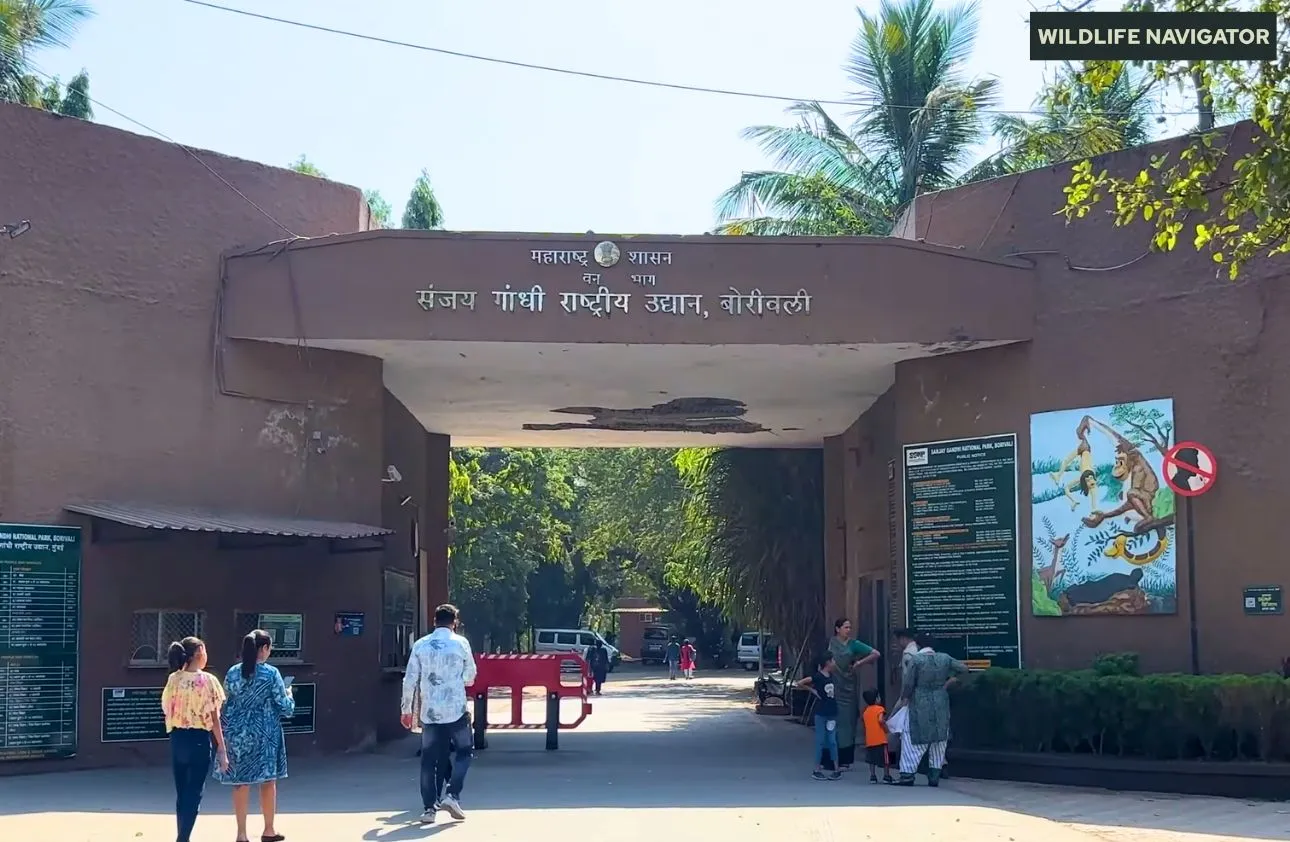
Entry tickets and safaris can be booked at the park gate (Borivali entrance) or through the official Maharashtra Eco-Tourism website. For group treks, prior permission from the park office is required.
📍 Address: Borivali East, Mumbai, Maharashtra – 400066
📞 Contact: +91-22-2886 0389 (Park Office)
Best Time to Visit Sanjay Gandhi National Park
Winter (November – February): Cool & Pleasant
The winter months are the most comfortable and popular time to visit Sanjay Gandhi National Park. With temperatures ranging between 15°C and 28°C, the weather is cool, dry, and ideal for safaris, trekking, and nature photography. The forest trails are crisp and easy to walk, offering clear views of wildlife and birds. Migratory birds arrive during this period, making it a favourite season for birdwatchers and wildlife enthusiasts.
Monsoon (June – September): Lush & Refreshing
When the rains arrive, the park transforms into a misty green paradise. The monsoon breathes new life into every corner of the forest—streams swell, waterfalls emerge, and the air fills with the calls of frogs and peacocks. However, heavy showers can lead to temporary closures of certain trails and safari routes for safety reasons. For those who love the earthy aroma of rain and the sight of rejuvenated greenery, this season offers an unmatched rainforest-like experience. Kanheri Caves and Shilonda Trail are especially beautiful during this time.
Summer (March – May): Warm but Peaceful
Summers in Mumbai can be hot, with temperatures rising to 35°C or more, but early mornings and late evenings remain pleasant. Wildlife sightings tend to improve near water sources such as Tulsi Lake and Vihar Lake, as animals come out to drink. While the heat may deter some visitors, photographers and nature lovers often enjoy the quieter atmosphere and fewer crowds.
Best Season Recommendation
For general visitors, November to February is the best time to explore Sanjay Gandhi National Park comfortably. However, if you enjoy monsoon treks and vibrant forest life, the June–September season reveals a wilder, more intimate side of this urban jungle.
How to Reach & Getting Around Sanjay Gandhi National Park
Nearest City and Entry Points (Borivali & Thane Gates)
Sanjay Gandhi National Park is uniquely positioned within Mumbai, India’s largest metropolitan city. The main entry is through the Borivali Gate, located on the Western Express Highway, while an alternative entrance, the Thane Gate, offers access to the park’s Nagla Block region. The Borivali entrance is the most commonly used and also serves as the base point for safaris, treks, and visits to the Kanheri Caves.
By Air
The nearest airport is Chhatrapati Shivaji Maharaj International Airport (Mumbai Airport), situated around 18 km from the Borivali entrance. From the airport, taxis, app-based cabs, and metro connections make reaching the park easy and convenient.
By Train
The Borivali Railway Station on the Western Line of Mumbai Suburban Railways is the closest station—just 1.5 km from the main gate. Visitors arriving from the central or harbour lines can change trains at Dadar or Andheri. Auto-rickshaws and cabs are readily available outside the station for a quick ride to the park.
By Road
Sanjay Gandhi National Park lies directly along the Western Express Highway, making it accessible from all parts of Mumbai and the surrounding suburbs. From South Mumbai, the drive takes about 60–75 minutes, depending on traffic. Visitors coming from Thane, Navi Mumbai, or Vasai-Virar can reach the park via connecting highways and local roads. Ample parking is available near the main gate for private vehicles and tourist buses.
Getting Around the Park
Once inside, the park offers several ways to explore its vast area. Walking and cycling are popular for short routes, while electric vans, private vehicles (with permission), and safari buses can be used for deeper exploration. Guided nature trails and treks are organised by the forest department and local naturalist groups, helping visitors understand the park’s ecology safely. Bicycles are also available for rent near the entrance for those wanting a more immersive, eco-friendly experience.
Accommodation, Dining & Stay Options near Sanjay Gandhi National Park
Forest Guesthouses & Nature Camps
For visitors who wish to stay close to nature, the Maharashtra Forest Department operates limited forest rest houses and eco-camps within and around Sanjay Gandhi National Park. These are ideal for researchers, birdwatchers, or nature enthusiasts seeking a quiet retreat surrounded by greenery. Accommodation is simple yet comfortable, offering basic amenities. Advance booking is essential and can be made through the SGNP office at Borivali or the MahaEcoTourism official portal.
Eco-Stays & Budget Options
Several eco-stays, hostels, and budget lodges are located near the Borivali and Thane entrances. Options such as Nature Trails Resort (Yeoor Hills), The Fern Goregaon, and smaller eco-lodges in the Ghodbunder and Thane regions provide comfortable rooms with easy access to the park. These stays cater to families, photographers, and solo travellers alike, emphasising sustainable tourism and nature experiences.
Resorts & Hotels Nearby
If you prefer modern comfort, the surrounding suburbs of Borivali, Goregaon, and Thane offer a range of mid-range and luxury hotels. Popular choices include Eskay Resorts, The Westin Mumbai Garden City, and Fortune Park LakeCity (Thane). These establishments offer amenities like swimming pools, restaurants, and guided day trips to SGNP, ideal for combining city leisure with a touch of wilderness.
Dining Options
There are limited dining options inside the park, with a few canteens and snack stalls near the main gate and Kanheri Caves Trail. Visitors are encouraged to carry light refreshments and reusable water bottles. Outside the park, Borivali and Thane areas offer diverse food choices—from local Maharashtrian eateries and South Indian cafés to international chains and fine-dining restaurants.
Whether you prefer a rustic forest stay or a comfortable city base, Sanjay Gandhi National Park’s proximity to Mumbai ensures a wide range of accommodation and dining options for every kind of traveller.
Nearby Attractions, Culture & Suggested Itineraries
Natural Attractions Nearby
Beyond the forest trails, Sanjay Gandhi National Park connects seamlessly with several natural attractions. The Yeoor Hills, located on the Thane side of the park, are a popular spot for short hikes, sunrise views, and birdwatching. The Nagla Block, across the Vasai Creek, offers an offbeat experience—home to butterflies, small mammals, and dense undergrowth ideal for nature walks. Additionally, the Tulsi and Vihar lakes within the park are serene picnic spots surrounded by greenery, especially enchanting during the monsoon season.
Cultural & Heritage Attractions
The park’s most prominent heritage treasure is the Kanheri Caves, a complex of over 100 rock-cut Buddhist caves dating back more than 2,000 years. Carved into basalt rock, these caves once served as monastic dwellings, meditation halls, and places of worship. The site features ancient inscriptions, stupas, and sculptures that reflect the deep connection between nature and spirituality. Nearby, the Global Vipassana Pagoda, located near Gorai, stands as a symbol of peace and meditation, attracting spiritual seekers from around the world.
Adventure & Eco-Tourism Activities
Adventure enthusiasts can indulge in trekking, cycling, birdwatching, and photography trails organised by the forest department and eco-tourism groups. The Bamboo Hut Trail and Shilonda Trail are particularly suited for beginners, while experienced trekkers can explore the Kanheri plateau routes or Yeoor’s inner forest stretches. Educational nature camps, biodiversity workshops, and butterfly walks are regularly held, promoting awareness and sustainable tourism.
Suggested Itineraries
One-Day Itinerary
- Morning: Enter via Borivali Gate, take the Lion/Tiger Safari.
- Late Morning: Trek or drive to Kanheri Caves and explore the site.
- Afternoon: Enjoy a picnic near Tulsi Lake or relax at the park’s gardens.
- Evening: Return to Borivali and explore local eateries for authentic Mumbai snacks.
Two-Day Itinerary
Day 1: Safari and Kanheri Caves visit followed by a stay near Yeoor Hills or a nearby eco-resort.
Day 2: Early morning nature trail or cycling through the Yeoor region, followed by a visit to the Global Vipassana Pagoda or EsselWorld/Water Kingdom for leisure.
Conservation & Importance of Sanjay Gandhi National Park
Ecological Significance in Urban India
Sanjay Gandhi National Park (SGNP) is not just a protected forest — it is the green heartbeat of Mumbai. Acting as a vital carbon sink, it absorbs pollution and provides cleaner air for the city’s 20 million residents. The park safeguards the catchment areas of Tulsi and Vihar lakes, which supply a significant share of Mumbai’s drinking water. Its dense vegetation regulates local temperatures, reduces flooding risk during heavy rains, and preserves crucial soil and water balance. In essence, SGNP functions as Mumbai’s natural life-support system, maintaining the delicate balance between development and ecology.
Role in Wildlife Conservation & Education
Despite being surrounded by concrete sprawl, SGNP remains a sanctuary for many species, including leopards, sambar deer, porcupines, civets, and over 250 bird species. The park has become a global case study in urban wildlife coexistence, particularly due to its resident leopard population. The Forest Department, along with NGOs and researchers, runs several awareness campaigns, rescue programs, and tracking studies to ensure peaceful human–animal interaction. The park’s Nature Information Centre conducts workshops and educational tours, nurturing environmental awareness among students and visitors.
Community & Eco-Tourism Initiatives
Local communities and conservation groups play an active role in protecting the park’s resources. Programs promoting eco-tourism, birdwatching trails, waste management, and reforestation help connect people with nature while ensuring sustainable visitor practices. Volunteer-led clean-up drives, butterfly surveys, and biodiversity mapping have contributed significantly to SGNP’s conservation success.
Challenges of Urban Encroachment & Pollution
Being located in a megacity, SGNP faces intense pressure from urban encroachment, waste dumping, and vehicular pollution. Illegal constructions, fires, and habitat fragmentation threaten its fragile ecosystem. Yet, through strict protection laws, patrolling, and community participation, authorities continue to safeguard this green oasis against growing human impact.
Ongoing Conservation Efforts
Recent initiatives include camera-trap monitoring, reforestation of degraded patches, and biodiversity documentation projects led by the Maharashtra Forest Department. The park’s future lies in maintaining a careful balance between public access, wildlife safety, and urban development. Sanjay Gandhi National Park stands as a model of resilience, proving that nature can coexist — and even thrive — amidst one of the world’s busiest cities.
Conclusion
Sanjay Gandhi National Park is more than a protected forest; it is a living reminder that nature can coexist with human civilisation when given space and respect. Tucked within the fast-paced rhythm of Mumbai, the park remains a haven of calm — where ancient caves whisper stories of the past and leopards roam under the same skyline that glitters with city lights.
Its diverse landscapes, from lush forests and serene lakes to historical monuments, make SGNP a destination that appeals to both nature lovers and history enthusiasts. Beyond its scenic beauty, the park plays a crucial ecological role — filtering air, conserving water, and sustaining biodiversity that supports the very city surrounding it.
Visiting Sanjay Gandhi National Park is not just about spotting wildlife or trekking through its trails; it’s about reconnecting with a quieter rhythm of life, one that still thrives amid the chaos of urban expansion. It stands as a symbol of harmony between progress and preservation, reminding every visitor that conservation begins right at home — even in the heart of a metropolis.
FAQs about Sanjay Gandhi National Park
1. What is Sanjay Gandhi National Park famous for?
Sanjay Gandhi National Park is renowned for being one of the few national parks located within a major city. It’s famous for its Lion and Tiger Safari, Kanheri Caves, rich biodiversity, and scenic forest trails.
2. How big is Sanjay Gandhi National Park?
The park covers approximately 87 square kilometres, encompassing forests, hills, lakes, and historical sites within Mumbai’s northern suburbs.
3. Are private vehicles allowed inside the park?
Yes, private vehicles are allowed up to certain points such as the Kanheri Caves route, upon payment of a vehicle entry fee. Cycling and walking are also popular inside the park.
4. What are the park’s opening hours?
The park is generally open from 7:30 AM to 6:30 PM, while safaris operate between 9:00 AM and 4:30 PM. Timings may vary slightly by season.
5. How can I book the Lion or Tiger Safari?
Safari tickets can be purchased at the Borivali entrance gate or booked online via the Maharashtra Eco-Tourism website.
6. Is it safe to trek alone in the park?
It’s recommended to trek in groups or with authorized guides, especially in forested or restricted areas. The park is safe when guidelines are followed, and visitors respect wildlife boundaries.
7. What is the best time to visit Sanjay Gandhi National Park?
The ideal time to visit is from November to February, when the weather is cool and dry. The monsoon season (June–September) is great for lush scenery and waterfalls.
8. Are food and water available inside the park?
There are small canteens and snack stalls near main visitor areas, but it’s best to carry your own refillable water bottle and light refreshments to minimize waste.
9. What are the main attractions inside the park?
Major attractions include the Kanheri Caves, Lion & Tiger Safari, Tulsi and Vihar Lakes, Yeoor Hills, and numerous nature trails and viewpoints.
10. How do I reach the park?
The nearest entry is via the Borivali Gate, which is just 1.5 km from Borivali Railway Station. The park is easily accessible by road, local train, or cab from anywhere in Mumbai.