Rajaji National Park: Complete Travel Guide, Safari, Flora & Fauna, and Tips


Rajaji National Park is one of the most fascinating wildlife destinations in northern India. Spread across the districts of Haridwar, Dehradun, and Pauri Garhwal in Uttarakhand, the park is a natural haven where the majestic Ganges River meets the wild forests of the Himalayas. With its unique blend of lush green valleys, dense sal forests, glittering rivers, and rich wildlife, Rajaji offers visitors an enchanting glimpse into India’s natural heritage.
The park covers an area of 820 square kilometres and was officially established in 1983 by merging three sanctuaries—Rajaji, Motichur, and Chilla. Later, in 2015, it was declared a Tiger Reserve, bringing it into the fold of India’s Project Tiger network. Today, it is not only famous for its population of tigers but also recognised as one of the best places in India to spot Asian elephants in the wild.
What makes Rajaji National Park particularly special is its unique location—it lies at the confluence of two distinct eco-zones: the Indo-Gangetic plains and the Shivalik ranges of the Himalayas. This geographical position makes it a biodiversity hotspot, supporting over 50 species of mammals, 300+ species of birds, and a wide range of reptiles, fish, and butterflies.
Apart from its natural beauty, Rajaji also holds spiritual and cultural significance. The park lies close to Haridwar and Rishikesh, two of India’s most sacred cities, and the holy River Ganga flows through its terrain. This makes it a destination where wildlife adventure and spiritual experiences coexist in perfect harmony.
For wildlife lovers, nature photographers, and adventure seekers, Rajaji National Park promises an unforgettable experience. Whether it’s watching elephants bathing in the Ganga, spotting a tiger camouflaged in the dense sal forest, or listening to the calls of exotic birds at dawn, the park is a true paradise for anyone who wishes to connect with nature.
History, Geography & Landscape of Rajaji National Park
A Brief History
Rajaji National Park has a rich history that blends conservation efforts with India’s cultural heritage. The park was established in 1983 by merging three wildlife sanctuaries—Rajaji Sanctuary (1948), Motichur Sanctuary (1964), and Chilla Sanctuary (1977). This consolidation created a vast, protected forest spanning over 820 sq. km., designed to safeguard the fragile Shivalik ecosystem.
The park was named after C. Rajagopalachari, popularly known as Rajaji, who was India’s last Governor-General and a respected freedom fighter. His dedication to Indian independence and governance is remembered through this conservation haven. In 2015, Rajaji gained even greater importance when it was declared a Tiger Reserve under Project Tiger, making it one of India’s 54 tiger reserves today.
Geographic Location & Boundaries
Rajaji National Park lies in Uttarakhand and spans across three districts—Haridwar, Dehradun, and Pauri Garhwal. It is strategically positioned at the gateway to the Himalayas, close to the spiritual towns of Haridwar, Rishikesh, and Dehradun.
The park sits at the junction of two major biogeographical zones:
- Indo-Gangetic plains – supporting grasslands, riverine habitats, and wetlands.
- Shivalik hills – forming the first range of the Himalayas, with rugged terrain and dense forests.
This location makes Rajaji an ecological crossroads, rich in biodiversity and wildlife corridors.
Landscape & Ecosystem
Rajaji is often described as a land of contrasts. Its terrain is a patchwork of shimmering rivers, rolling hills, thick sal forests, and open grasslands. Key features include:
- Sal Forests – Covering a major portion of the park, these lush green forests provide shelter to elephants, leopards, and countless bird species.
- River Valleys – The mighty Ganga River and tributaries like Song and Suswa flow through the park, supporting aquatic species and attracting migratory birds.
- Grasslands & Shrublands – Ideal for herbivores like deer, wild boars, and antelopes, which in turn sustain predators.
- Shivalik Hills – Rugged mountain slopes and ridges offer safe habitats for leopards and tigers.
Climate & Seasonal Variations
Rajaji experiences a subtropical climate, with three distinct seasons:
- Summer (March to June): Temperatures can rise to 40°C. Wildlife often gathers near water sources, offering excellent elephant sightings.
- Monsoon (July to September): The park receives heavy rainfall, rivers swell, and lush greenery covers the terrain. However, most zones remain closed during monsoons for visitor safety.
- Winter (October to February): The most pleasant season, with temperatures ranging from 8°C to 20°C. Winters are ideal for safaris, birdwatching, and exploring the park.
This diverse climate ensures that Rajaji changes its face with each season—lush green during monsoons, crisp and vibrant in winters, and ruggedly beautiful in summers.
Flora and Fauna of Rajaji National Park
Rajaji National Park is a biodiversity hotspot that thrives at the junction of the Indo-Gangetic plains and the Shivalik range of the Himalayas. This unique geography makes it one of the most biologically diverse national parks in northern India, home to dense forests, wide grasslands, riverine belts, and rich wildlife.
Flora – The Green Wealth of Rajaji
The park is dominated by tropical and subtropical vegetation, with Sal (Shorea robusta) being the most abundant tree species, forming vast stretches of dense forests. Alongside sal, you’ll also find:
- Moist and Dry Deciduous Forests – Home to trees like Sheesham, Khair, and Haldu.
- Riverine Forests – Thick belts along the Ganga, Song, and Suswa rivers.
- Grasslands & Open Woodlands – Ideal grazing grounds for deer and elephants.
- Shrublands & Scrub Forests – Supporting smaller mammals and reptiles.
The park bursts into life during monsoons with lush greenery, while winters bring golden-brown hues, making every season visually striking.
Fauna – The Wild Residents of Rajaji
Rajaji is best known for its large population of Asian elephants. In fact, it forms part of the Northwest Elephant Corridor, one of the most important migratory routes for elephants in India. Herds of these giants are often spotted near rivers and open grasslands, especially in summer.
Flagship Species
- Bengal Tiger – Since 2015, Rajaji has been a recognised Tiger Reserve, and though tiger sightings are rare compared to Corbett or Ranthambore, patient visitors may be rewarded.
- Asian Elephant – The most iconic residents, often seen in groups, especially in the Chilla and Motichur ranges.
- Leopard – Another top predator, thriving in hilly terrains and forested areas.
Other Mammals
- Sloth Bear
- Wild Boar
- Rhesus Macaque
- Langurs (including the Hanuman Langur)
- Barking Deer, Sambar Deer, and Spotted Deer (Chital)
- Goral (a mountain goat-like antelope)
Birdlife Paradise
Rajaji is a birdwatcher’s delight with 300+ bird species recorded. Key species include:
- Great Hornbill, Pied Hornbill
- Indian Roller
- Kingfishers and Woodpeckers
- Crested Serpent Eagle
- Migratory birds like Ospreys and Mallards during winters
Reptiles & Aquatic Life
- Monitor Lizards
- Indian Cobra, Krait, and Python
- Gharials and Crocodiles in river stretches
- Over 60 fish species thriving in the Ganga and tributaries
Why Rajaji is Unique
The combination of tigers, elephants, leopards, and rich birdlife makes Rajaji an ecological jewel. It is one of the few parks in India where visitors can experience both terrestrial wildlife and aquatic ecosystems in the same trip, thanks to the presence of the Ganga River and its tributaries.
Safari Experience, Entry Fees & Park Zones in Rajaji National Park
A visit to Rajaji National Park is incomplete without a wildlife safari. Whether it’s spotting elephants crossing rivers, watching deer graze in the grasslands, or listening to the calls of exotic birds at dawn, the safari experience here is immersive and unforgettable. Rajaji offers multiple safari options, each giving visitors a chance to explore different landscapes and wildlife zones.
Types of Safaris in Rajaji
- Jeep Safari – The most popular option, allowing you to explore deep into the sal forests and riverine areas. Jeeps carry up to 6 people and are best for flexible, personalized exploration.
- Canter Safari – Ideal for larger groups (up to 16 people), these open buses cover specific zones and are a budget-friendly option.
- Elephant Safari (Limited) – Once a highlight in Chilla range, elephant safaris are now restricted and rarely conducted, aligning with ethical wildlife practices.
- Walking & Trekking Trails – In buffer zones and near eco-tourism sites, guided treks are available for birdwatching and nature photography.
Safari Timings
Safaris operate twice daily during the park’s open season:
- Morning Safari: 6:00 AM – 9:00 AM (varies slightly by season)
- Evening Safari: 3:00 PM – 6:00 PM
The timings are designed around animal activity. Mornings are excellent for birdwatching and predators, while evenings are ideal for elephants and deer near rivers.
Safari Zones & Entry Gates
Rajaji is divided into several ranges/zones, each offering unique landscapes and wildlife experiences:
- Chilla Range (Haridwar side): Most popular zone, known for elephant sightings, spotted deer herds, and proximity to the Ganga River.
- Motichur Range: Rich in tigers and leopards, but denser forests make sightings more challenging.
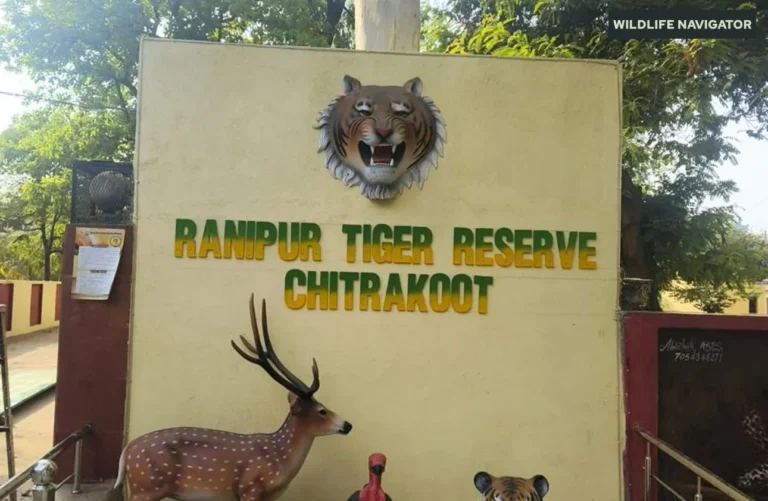
- Ranipur Range: Ideal for birdwatchers; peaceful with fewer crowds.
- Jhilmil Jheel Conservation Reserve: A wetland ecosystem famous for swamp deer (barasingha) and migratory birds.
- Dholkhand Range: Scenic, with a higher chance of leopard sightings.
- Asharori Range (near Dehradun): Known for elephants and goral in the Shivalik hills.
Each zone has its own entry gate, and safaris are booked for a specific gate and range.
Entry Fees (as per official Uttarakhand Forest Department 2024–25 rates)*
- Indians (Adults): ₹150 per person
- Foreign Nationals: ₹600 per person
- Children below 6 years: Free entry
- Jeep Safari Charges: ₹2,000–2,500 per jeep (for up to 6 persons, excluding entry fee)
- Canter Safari Charges: Around ₹250 per person (Indians), ₹500 per person (Foreigners)
- Camera Charges: ₹100–₹250 for still cameras, ₹500+ for video cameras
(Note: Prices vary slightly depending on gate/zone and are subject to updates by the Forest Department.)
Safari Booking Process
Visitors can book safaris in two main ways:
- Online Booking: Through the official Uttarakhand Forest Department website or authorised portals. Online booking is recommended during peak season (November–April) as slots fill quickly.
- Offline Booking: At forest entry gates or through registered safari operators in Haridwar, Rishikesh, and Dehradun.
It is always advisable to carry a valid ID proof (Aadhaar, Passport, Driving License) at the time of entry, as details are verified before the safari begins.
Best Time to Visit Rajaji National Park
Rajaji National Park remains one of the most rewarding wildlife destinations in northern India, but your experience can vary greatly depending on the season you choose. The park is open to visitors from mid-November to mid-June, and each season brings its own charm.
Winter (November – February)
This is considered the best time to visit Rajaji. The weather is pleasant, with temperatures ranging from 8°C to 20°C, making safaris comfortable. Winters also attract a large number of migratory birds, turning Rajaji into a paradise for birdwatchers. Wildlife activity is higher during the day, and clear skies make photography especially rewarding.
Summer (March – June)
Summers are hot, with daytime temperatures rising up to 38–40°C. However, this is the prime season for elephant sightings, as herds gather around the Ganga and forest streams to drink and bathe. Predators and herbivores also frequent waterholes, increasing your chances of spotting multiple species in a single safari. Carry light cotton clothing, hats, and plenty of water if visiting in summer.
Monsoon (July – September)
The park remains closed during the monsoon due to heavy rainfall, slippery tracks, and safety concerns. This is the breeding season for many animals, and the lush greenery returns to the park during this period. Although you cannot enter the core zones, eco-tourism stays around the buffer areas and birdwatching near Rishikesh still offers a glimpse of Rajaji’s monsoon beauty.
How to Reach Rajaji National Park
Rajaji National Park is one of the most accessible wildlife reserves in northern India, thanks to its location at the gateway to the Himalayas. Spread across Haridwar, Rishikesh, and Dehradun, the park is well-connected by road, rail, and air, making it easy for travelers from across India and abroad.
By Air
The nearest airport is Jolly Grant Airport (Dehradun), located about 25 km from Rajaji’s Chilla Range. Regular flights connect Dehradun to major cities like Delhi, Mumbai, and Bengaluru. From the airport, taxis and private cabs are readily available to reach various entry gates.
By Rail
Rajaji is well-served by multiple railway stations:
- Haridwar Junction (10 km from Chilla Gate): Best for travellers from Delhi and other northern cities.
- Rishikesh Railway Station (20 km): Convenient if you’re combining your trip with rafting or yoga retreats.
- Dehradun Railway Station (35 km): Ideal for visitors entering via Asharori and Motichur ranges.
All three stations are well-connected with Delhi, Varanasi, Amritsar, and other major Indian cities.
By Road
The park lies on National Highways 34 and 7, making it easily accessible by car or bus.
- From Delhi: Around 220 km (5–6 hours) via Meerut–Haridwar route.
- From Rishikesh: About 20 km (30 minutes).
- From Dehradun: Around 35 km (1 hour).
Regular state-run buses and private Volvo coaches connect Delhi, Haridwar, Rishikesh, and Dehradun. Taxis and shared jeeps are also available for last-mile travel to the park gates.
Accommodation, Dining & Stay Options in Rajaji National Park
A trip to Rajaji National Park becomes more memorable when paired with the right stay. From forest rest houses deep inside the jungle to luxury resorts near Haridwar and Rishikesh, visitors can choose accommodations based on comfort, budget, and the kind of wilderness experience they want.
Forest Rest Houses (Government Lodges)
Managed by the Uttarakhand Forest Department, these rest houses are located in prime zones like Chilla, Motichur, and Ranipur. Staying here offers a rustic, close-to-nature experience, often surrounded by wildlife sounds at night. Facilities are basic but sufficient for adventurous travellers. Advance booking through the forest department is required.
Eco-Camps & Jungle Stays
For travellers seeking sustainable tourism, eco-camps and jungle lodges are a great choice. These are located on the outskirts of the park and often offer guided nature walks, birdwatching tours, and village experiences. They blend rustic charm with eco-friendly practices, making them ideal for nature enthusiasts and families.
Budget & Mid-Range Hotels
Haridwar, Rishikesh, and Dehradun have plenty of affordable hotels and guesthouses. These are convenient if you want to explore Rajaji along with nearby cultural attractions like the Ganga Aarti in Haridwar or yoga retreats in Rishikesh. Mid-range hotels offer comfortable stays with modern amenities, suitable for families and groups.
Luxury Resorts & Boutique Stays
For those seeking comfort and luxury, Rajaji offers several high-end resorts and boutique retreats near Chilla and Gohri ranges. These properties feature spacious cottages, swimming pools, spa facilities, and curated safari experiences. Many also arrange adventure activities like rafting in Rishikesh or yoga sessions in the forest setting.
Dining Options
- Inside the Park: Limited facilities—forest lodges may provide simple meals (dal, roti, sabzi).
- Nearby Towns: Haridwar and Rishikesh are food hubs offering everything from local Garhwali cuisine to North Indian thalis, street food, and multi-cuisine restaurants.
- Resorts & Camps: Most provide in-house dining with buffet or à la carte options, often featuring organic and locally sourced ingredients.
Travel Tips, Facilities & Visitor Guidelines
A safari in Rajaji is more enjoyable when you’re well-prepared and aware of the park’s rules. Since this is a protected Tiger Reserve, visitors are expected to follow certain guidelines to ensure both their safety and the well-being of wildlife. Carry your ID card (Aadhaar/Passport/Driving License), as it’s mandatory for safari bookings and verification at the gates.
What to Pack
- Clothing:
- Light cotton clothes in summer (March–June).
- Warm layers in winter (November–February).
- Neutral colours (khaki, olive, beige) that blend with the forest.
- Essentials:
- Comfortable walking shoes.
- Sunscreen, hat, and sunglasses.
- Insect repellent and a reusable water bottle.
- Binoculars and a camera with extra batteries.
Facilities Available
- Entry Gates: Basic ticket counters and waiting areas.
- Restrooms: Available at major gates like Chilla, but limited inside the park.
- Medical Aid: Small first-aid posts near entry points; advanced care available in Haridwar, Rishikesh, or Dehradun.
- Shops & Cafés: Some gates have tea stalls or snack vendors, but food options are minimal inside the park.
Safety Tips
- Always remain inside your vehicle during the safari.
- Keep a safe distance from elephants and wild animals—never attempt to feed or approach them.
- Avoid loud noises, music, or shouting, as it disturbs the wildlife.
- Carry cash, as card or online payment options may not be available at remote gates.
- Safaris are weather-dependent; cooperate with guides in case of delays.
Photography Ethics
- Do not use flash while photographing animals.
- Respect animal behaviour—avoid chasing or blocking their movement.
- Silence is golden: enjoy the natural sounds instead of disturbing the environment.
Park Rules & Visitor Guidelines
- No littering—plastic is strictly prohibited inside the park.
- Alcohol, smoking, and campfires are not allowed.
- Entry is allowed only with valid tickets and registered guides.
- Safaris must stick to designated routes; off-road driving is prohibited.
- Respect the forest staff’s instructions at all times.
Nearby Attractions, Culture & Suggested Itineraries
One of the best things about visiting Rajaji National Park is that it sits right at the crossroads of wildlife, spirituality, and adventure. Its location—spanning Haridwar, Rishikesh, and Dehradun—means you can easily combine a safari with river rafting, temple visits, or cultural exploration.
Nearby Wildlife Sanctuaries & Nature Spots
- Jhilmil Jheel Conservation Reserve (20 km): A wetland famous for the rare swamp deer (barasingha) and migratory birds like herons, storks, and ducks.
- Corbett National Park (120 km): India’s first national park and one of the best places to spot tigers. Perfect for an extended wildlife circuit.
- Neelkanth Mahadev Forest Trails (near Rishikesh): Ideal for short treks and birdwatching in the Shivalik foothills.
Adventure & Outdoor Activities
- River Rafting in Rishikesh: The Ganga rapids offer an adrenaline rush for both beginners and experts.
- Trekking & Camping: Short jungle treks in Rajaji’s buffer zones or camping by the river provide close encounters with nature.
- Birdwatching: Especially rewarding in winters (November–February) when migratory species flock to the wetlands.
Cultural & Spiritual Attractions
- Haridwar (10 km from Chilla Gate): Famous for the Ganga Aarti at Har Ki Pauri, temples, and vibrant ghats.
- Rishikesh (20 km): Known as the “Yoga Capital of the World,” it offers yoga retreats, ashrams, and iconic suspension bridges (Ram Jhula & Laxman Jhula).
- Dehradun (35 km): A colonial hill city with attractions like Robber’s Cave, Tapkeshwar Temple, and the Forest Research Institute.
Local Communities & Eco-Tourism
Rajaji is also home to Gujjar pastoral communities, who traditionally lived in the forest grazing their cattle. Today, many Gujjars have been relocated outside the park to protect the ecosystem, but their culture, dairy products, and folklore add to the region’s unique charm. Eco-tourism initiatives often highlight these local traditions, giving visitors a chance to connect with the human side of the landscape.
Conservation & Importance of Rajaji National Park
Rajaji National Park is not just a destination for safari lovers—it is a critical link in India’s conservation landscape. Stretching across Uttarakhand’s Shivalik ranges, it safeguards a unique ecosystem where the Indo-Gangetic plains meet the Himalayan foothills, making it a biodiversity hotspot of global significance.
Role in Project Elephant & Elephant Corridors
Rajaji is best known for being part of India’s Project Elephant, protecting the Asian elephant population that migrates between Rajaji and Corbett. The Chilla–Motichur corridor inside the park is one of the most important elephant migration routes in northern India. Preserving this corridor is vital not only for elephants but also for other large mammals like tigers and leopards that share the same habitat.
Contribution to Project Tiger
In 2015, Rajaji was officially declared a tiger reserve, making it Uttarakhand’s second after Corbett. This step was crucial in expanding safe breeding grounds for tigers outside Corbett, which was already saturated. Since then, the tiger population in Rajaji has steadily risen, proving that protection efforts are working.
Rich Biodiversity & Global Importance
With over 300 bird species, including great hornbills, black-necked storks, and migratory waterfowl, Rajaji is a paradise for ornithologists. Its mix of sal forests, riverine belts, and grasslands supports over 50 species of mammals, from elephants and tigers to sloth bears and gharials. The park also represents one of the last surviving patches of Shivalik ecosystem, adding to its global ecological value.
Ongoing Conservation Efforts
- Habitat Restoration: Reforestation projects and grassland management help maintain prey density for big cats.
- Anti-Poaching Patrols: Strict monitoring by forest guards and camera traps reduce threats of illegal hunting.
- Community Engagement: Gujjar pastoral communities, once residing inside the park, have been relocated with support programs, reducing human-wildlife conflict while preserving traditional culture outside core zones.
- Eco-Tourism Initiatives: Sustainable safari models encourage visitors to explore responsibly, ensuring that tourism contributes to conservation rather than harming it.
Challenges Ahead
Despite progress, Rajaji faces challenges like urban expansion near Haridwar and Rishikesh, human-wildlife conflicts, and pressures from roads cutting through elephant corridors. Climate change also threatens to alter rainfall patterns, which can impact grassland and riverine ecosystems.
How Visitors Can Contribute
As a traveller, you can support Rajaji’s conservation by:
- Choosing eco-friendly stays and official safari bookings.
- Following all park rules—no littering, no loud noises, and respecting wildlife.
- Supporting local communities through handicraft purchases or guided tours.
- Spreading awareness about Rajaji’s role in safeguarding India’s natural heritage.
🌏 Why It Matters: Rajaji National Park stands as a reminder that wildlife and people can coexist when conservation is prioritised. By protecting Rajaji, we safeguard not only elephants and tigers but also the ecological balance of the entire Himalayan foothill region.