Nelson Lakes National Park – South Island, New Zealand

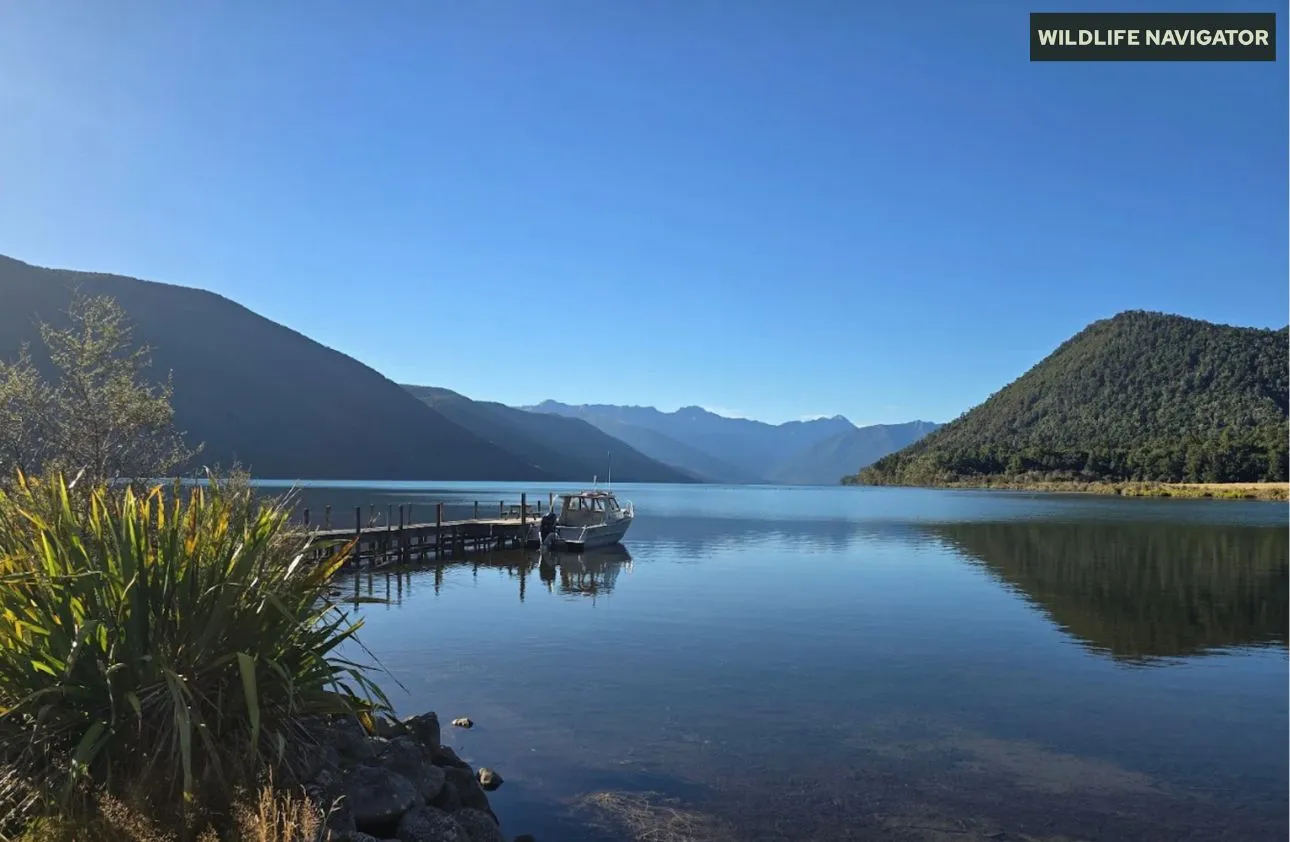
Nelson Lakes National Park is a breathtaking blend of deep alpine lakes, honeydew-rich beech forests, and towering mountain ranges that rise sharply from the valleys below. Located at the northern tip of the Southern Alps, the park centres around its two iconic lakes—Rotoiti and Rotoroa—whose mirror-like waters reflect dramatic peaks and ever-changing skies.
This region is a haven for hikers, wildlife lovers, and anyone drawn to quiet wilderness. Misty mornings, bird-filled forests, and rugged ridgelines create a landscape that feels both peaceful and powerful. As part of the treasured network of National Parks in New Zealand, Nelson Lakes offers everything from family-friendly lakeside strolls to challenging multi-day alpine adventures.
Whether you’re chasing panoramic summit views, exploring ancient forests alive with native birds, or simply soaking up the serenity of the lakes, Nelson Lakes National Park delivers an unforgettable slice of New Zealand’s wild heart.
History & Cultural Significance
Nelson Lakes National Park holds a deep cultural and historical resonance that stretches far beyond its scenic beauty. For Māori, particularly the iwi of Ngāti Apa ki te Rā Tō and Rangitāne o Wairau, the region has long been significant. The lakes—Rotoiti and Rotoroa—were important mahinga kai (food-gathering areas), providing access to birds, eels, and seasonal resources. Traditional routes passed through the alpine valleys and over mountain saddles, forming vital pathways that connected communities across the top of the South Island. Stories, legends, and place names still echo this long-standing relationship with the land.
European arrival in the mid-19th century brought new patterns of exploration and settlement. Early explorers and surveyors were captivated by the dramatic glacial landscapes, and by the early 20th century the region had become known for its potential in recreation and conservation. Recognising the ecological value of its beech forests, alpine ecosystems, and freshwater habitats, the government officially established Nelson Lakes National Park in 1956—cementing its protection within New Zealand’s growing network of national parks.
Today, the park is both a cultural treasure and a conservation stronghold. Ongoing partnerships between the Department of Conservation (DOC) and local iwi reflect a renewed commitment to guardianship (kaitiakitanga), ensuring that the stories, species, and landscapes of Nelson Lakes are preserved for future generations.
Landscape & Geography
Nelson Lakes National Park showcases a classic South Island alpine landscape shaped by glaciers, tectonic uplift, and millions of years of natural evolution. Its defining features are the two deep glacial lakes—Lake Rotoiti and Lake Rotoroa—which sit like blue jewels at the base of towering mountains. Carved by ancient ice, these lakes are long, narrow, and dramatically framed by steep forested slopes that rise sharply into the alpine zone.
Surrounding the lakes lies an immense sweep of southern beech forest, one of the largest intact beech ecosystems in New Zealand. These forests—dominated by red, silver, black, and mountain beech—form a lush, continuous cloak across the lower elevations, providing vital habitat for native birdlife and creating a cool, shaded understorey where mosses and ferns thrive.
Higher up, the landscape transforms into a world of subalpine scrublands and tussock grasslands, where hardy plants cling to the slopes and seasonal colours shift from summer greens to golden autumn tones. Beyond these slopes, the terrain rises further into rugged alpine ridgelines belonging to the St Arnaud Range, Mount Robert, and the Travers Range. These exposed areas offer sweeping vistas of the Tasman Mountains and the park’s deep valleys, making them favourite spots for hikers seeking dramatic viewpoints.
Rivers and streams—such as the Travers, Sabine, and D’Urville—thread through the valleys, connecting the lakes and feeding the region’s waterways. Combined with high peaks, glacier-shaped basins, and forested valleys, Nelson Lakes National Park forms a striking blend of tranquillity and raw alpine power. It’s a place where every turn in the trail reveals another layer of natural drama.
Biodiversity: Flora & Fauna
Nelson Lakes National Park is a living sanctuary for some of Aotearoa’s most fascinating native species. Its vast spectrum of habitats—ranging from lowland beech forests to windswept alpine ridges—creates a refuge where both common and rare species can thrive. Conservation efforts, especially around Lake Rotoiti, have further strengthened these ecosystems, making the park an excellent destination for wildlife enthusiasts.
Flora
• Southern Beech Forests
The backbone of the park’s ecosystem, these forests are dominated by red, silver, black, and mountain beech. Their slender trunks, dense canopies, and leaf-littered floors provide essential shelter for insects, birds, and small creatures. In autumn, the beech forests glow with warm golds and oranges, offering spectacular scenery.
• Subalpine Shrubs
As you climb higher, the forest gives way to hardy shrubs such as snowberry, Dracophyllum, and mountain daisies. These plants are adapted to colder temperatures and harsher winds.
• Tussock Grasslands
Above the treeline, slopes are draped in golden tussocks that sway in the alpine breeze. These grasslands support a unique community of plants and insects found nowhere else.
• Alpine Herbfields
At the highest elevations, you’ll find delicate alpine herbs and cushion plants—tiny, ground-hugging species designed to survive extreme weather. In summer, these areas burst into a surprising display of miniature wildflowers.
Fauna
• Native Birds
The park is rich in birdlife, especially within the protected Lake Rotoiti Nature Recovery Project. Common sightings include:
- Kākā – A forest-dwelling parrot known for its loud, screeching calls.
- Kea – The world’s only alpine parrot, playful and intelligent.
- Tūī – Recognised by their melodic calls and white throat tufts.
- Bellbirds (Korimako) – Sweet-voiced nectar feeders often seen in beech forests.
- New Zealand Robin (Toutouwai) – Curious birds that often hop close to hikers.
- Rifleman (Tītipounamu) – New Zealand’s smallest bird, typically found flitting in beech branches.
- Rock Wren (Pīwauwau) – A rare alpine specialist found along high ridges.
• Waterfowl
Lakes Rotoiti and Rotoroa host several species of freshwater birds:
- New Zealand Scaup (Pāpango) – A small, diving duck often seen in groups.
- Paradise Shelduck (Pūtangitangi) – Easily recognised by their contrasting colours and loud calls.
- Grey Duck / Hybrid Mallards – Common around the water’s edge.
• Invertebrates & Reptiles
The park shelters native geckos and skinks, along with unique alpine insects such as wētā species. Beech forest floors are bustling with invertebrates that play a key role in ecosystem balance.
• Conservation Challenges
Introduced predators including stoats, rats, possums, and wasps threaten native wildlife. Ongoing predator control, traplines, and community-led conservation projects help restore natural balance, especially in the Rotoiti area.
Top Things to Do
Nelson Lakes National Park offers a perfect blend of relaxation, adventure, and wildlife experiences. Whether you’re a casual visitor seeking lakefront serenity or a seasoned tramper chasing alpine ridges, the park delivers a wide spectrum of memorable activities.
Hiking & Tramping
This is the park’s most popular activity, offering trails that range from gentle lakeside strolls to challenging multi-day alpine adventures. Explore shaded forest paths, climb to sweeping viewpoints, or embark on backcountry routes connecting remote valleys and huts.
Scenic Lake Activities
The crystal-clear waters of Lake Rotoiti and Lake Rotoroa invite visitors to unwind and immerse in the scenery.
- Swim in designated areas during summer
- Enjoy peaceful kayaking or paddleboarding
- Take a boat trip to remote lake edges
- Relax on jetties perfect for sunrise and sunset photography
Fishing
Both lakes are renowned for their brown trout and rainbow trout, drawing anglers from around the world. Clear waters and mountain reflections create a stunning backdrop for fly-fishing or trolling, though a fishing licence is required.
Alpine Adventures & Mountaineering
For experienced hikers, the high ridges and steep basins of the park offer thrilling alpine challenges. Areas near the St Arnaud Range and Angelus Basin are especially popular for those seeking high-altitude scenery and more demanding routes.
Winter Activities
When snow blankets the mountains, Nelson Lakes transforms into a winter playground.
- Snowshoeing along scenic tracks
- Alpine trekking under crisp blue skies
- Winter hut trips for experienced adventurers
The nearby Rainbow Ski Area also offers skiing and snowboarding options.
Birdwatching & Wildlife Viewing
With active conservation zones—especially around Rotoiti—birdlife is abundant. Listen for the fluting call of the bellbird, spot kākā gliding above the forest, or keep an eye out for cheeky kea on higher ridges.
Photography
From mirror-like lake reflections to misty forests and alpine panoramas, the park is a dream for photographers. Dawn and dusk offer spectacular lighting, especially along the jetties at Kerr Bay and West Bay.
Best Hikes & Trails
Nelson Lakes National Park is a paradise for hikers, offering everything from family-friendly lakeside paths to rugged alpine routes that challenge even seasoned trampers. Here are the top trails worth exploring:
Mount Robert Circuit (Moderate–Challenging)
A classic loop track that delivers spectacular panoramas over Lake Rotoiti.
- Follows the Pinchgut Track uphill with steady switchbacks
- Traverses open alpine ridges with sweeping views
- Descends via the Paddy’s Track through subalpine bush
Perfect for half-day hikers wanting big views without committing to an overnight tramp.
Lake Rotoiti Lakeside Track (Easy)
A gentle trail that hugs the shoreline of Lake Rotoiti.
- Ideal for families, casual walkers, and birdwatchers
- Features picnic areas, small beaches, and quiet forest sections
- Excellent for sunrise or sunset photography
A peaceful way to take in the park’s lakeside beauty.
Pinchgut Track (Moderate–Challenging)
A steep, direct climb up to the Mount Robert ridge.
- Rewards hikers with early, unobstructed views
- Connects to the Mount Robert Circuit
Good for those who want a shorter but intense workout with big scenic payoff.
Angelus Hut Route (Challenging)
One of the most iconic alpine journeys in the park.
- Several route options: via Mount Robert Ridge, Speargrass Track, or the longer Travers–Sabine path
- Leads to Angelus Hut, perched beside a stunning alpine lake
- Demanding terrain with rock scrambles and exposure
This route is for experienced trampers—and is often described as a bucket-list hike.
Travers–Sabine Circuit (Multi-Day)
A legendary multi-day tramp that showcases the park’s most dramatic landscapes.
- Follows two spectacular valleys connected by Travers Saddle
- Passes huts, waterfalls, alpine basins, and river flats
- Usually takes 4–7 days depending on pace
Ideal for adventurers seeking an immersive backcountry experience.
Whiskey Falls Track (Easy–Moderate)
A scenic lakeside hike leading to a tall, cascading waterfall.
- Follows the western shore of Lake Rotoiti
- Optional access by water taxi to shorten the walk
A great option for visitors who want a beautiful walk without steep climbs.
Honeydew Walk (Easy)
A short, educational loop near Kerr Bay.
- Showcases the unique honeydew beech ecosystem
- Great for spotting birds feeding on the sweet honeydew
Perfect for families and nature lovers.
Rotoroa Nature Walks (Easy)
The quieter Lake Rotoroa area offers peaceful forest and lakeside tracks.
- Fewer crowds
- Strong chances for wildlife sightings
A good location for visitors wanting to escape the busy Rotoiti side.
Wildlife Watching Opportunities
Nelson Lakes National Park is a rewarding destination for anyone who loves observing wildlife in its natural habitat. From thriving bird populations to unique alpine species found nowhere else in the world, the park offers rich and varied opportunities for close encounters—provided you know where to look.
Lake Rotoiti Nature Recovery Project (Rotoiti Mainland Island)
This intensive conservation area is the heart of wildlife viewing in the park.
- Extensive predator control supports healthy populations of native birds.
- Walking through these forests, you may hear the call of kākā or spot a rifleman darting between beech branches.
- Bellbirds, tūī, and tomtits are especially abundant.
Early mornings are the best time for bird activity.
Lakeshore Birdwatching
The jetties and shoreline areas around Kerr Bay, West Bay, and Rotoroa provide excellent vantage points.
- Look for waterfowl such as scaup, paradise shelducks, and grey ducks.
- The calm morning waters often reflect birds beautifully—perfect for photography.
- Keep an eye out for shag species drying their wings on rocks near the water’s edge.
Alpine Ridge Species
For those heading up higher:
- Kea, New Zealand’s charismatic alpine parrot, is often seen among the open ridges of the St Arnaud Range or on the way to Angelus Hut.
- Rock wren (Pīwauwau), a rare and tiny alpine bird, can sometimes be spotted flitting between rocks in the high basins.
- Watch for long-tailed cuckoos in summer months, when they migrate into beech forests.
Forest Wildlife Encounters
The beech forests are alive with subtle, fascinating species:
- Robins may approach closely as you walk.
- Fantails follow hikers, catching insects stirred from the leaf litter.
- Listen for the soft tapping of a kākāriki or the hammering of a distant kākā.
At night, the forest becomes another world. The call of the ruru (morepork)—New Zealand’s native owl—echoes through the canopy.
Invertebrates & Beech Honeydew Ecosystems
The honeydew secreted by scale insects on beech trees attracts an entire food web.
- Bird species feed on the sweet droplets
- Native insects and fungi thrive
- You may notice shimmering trails of wasps, a reminder of ongoing conservation challenges
This is a unique ecosystem seen only in New Zealand’s beech forests.
Tips for Ethical Wildlife Viewing
- Keep a respectful distance from all wildlife
- Avoid feeding birds
- Stick to marked trails to protect fragile plant and insect life
- Move quietly for better sightings
- Carry binoculars for alpine species
Angelus Hut & Alpine Adventures
Angelus Hut is one of the most iconic and sought-after destinations in Nelson Lakes National Park. Perched beside the serene, mirror-like waters of Lake Angelus, the hut sits at over 1,600 metres in a rugged alpine landscape surrounded by rocky peaks, scree slopes, and dramatic basin walls. Reaching it is an adventure that rewards hikers with some of the most breathtaking scenery in the South Island.
What Makes Angelus Hut Special
- The hut’s isolated basin setting creates an atmosphere of pure wilderness.
- Reflections of the surrounding peaks on Lake Angelus are a photographer’s dream.
- Sunrise and sunset bring dramatic changes in colour and mood.
- On clear nights, the alpine sky reveals extraordinary stargazing.
Because of its remote location and high popularity, the hut operates on a booking-only system during summer, ensuring sustainable visitor numbers.
Route Options
There are several ways to reach Angelus Hut, each offering different challenges and scenery:
Robert Ridge Route (Challenging)
- The most iconic and scenic route
- Exposed along a narrow ridge with sweeping alpine views
- Requires stable weather and confidence on rocky terrain
- Best for experienced trampers comfortable with long hours above the treeline
Speargrass Track to Angelus (Moderate–Challenging)
- A safer all-weather option compared to Robert Ridge
- Gradual forest and valley travel before a steep climb into the basin
- Ideal for days when the ridge is too risky due to wind or poor visibility
Travers–Sabine Link Route (Advanced)
- Suited for multi-day hikers completing the Travers–Sabine Circuit
- Approaches Angelus Basin from the Sabine Valley side
- Requires excellent navigation and fitness
Difficulty & Safety
Angelus Hut routes traverse exposed alpine environments, meaning conditions can shift quickly.
- Sudden fog, snow, or high winds are common, even in summer
- Proper gear is essential: warm layers, waterproofs, maps/GPS, and sturdy boots
- Always check DOC weather and avalanche advisories before setting out
- This hike is not recommended for inexperienced hikers without preparation or guidance
The Hut Experience
Angelus Hut offers a rewarding alpine stay:
- 28 bunks with basic mattresses
- A communal cooking and dining area
- Gas cooking facilities (check DOC updates for availability)
- Toilets and water supply from the lake (needs boiling or treating)
The hut’s shared atmosphere creates a sense of camaraderie among trampers who have tackled the journey together.
Why Angelus Hut Is a Bucket-List Experience
- Combines challenging alpine adventure with world-class scenery
- Perfect for landscape photography
- Offers a deeper connection with the wild heart of Nelson Lakes
- Highlights the park’s glacial history and dramatic topography
Lakes Rotoiti & Rotoroa: What to Expect
The twin glacial lakes—Rotoiti and Rotoroa—form the heart of Nelson Lakes National Park, each offering its own distinct personality, landscapes, and visitor experiences. Whether you prefer accessible adventure or tranquil seclusion, these lakes showcase the park’s beauty in different yet equally captivating ways.
Lake Rotoiti: Vibrant & Accessible
Lake Rotoiti is the park’s main hub and the most popular destination for visitors. Surrounded by lush beech forest and backed by sweeping mountain ridges, it feels both welcoming and majestic.
Highlights:
- Kerr Bay & West Bay: Perfect spots for walking, swimming, picnicking, and photography
- Iconic Jetty Views: Photographers flock to the long wooden jetties, especially at sunrise and sunset
- Visitor Centre Access: The Department of Conservation (DOC) centre provides maps, advice, and local insights
- Family-Friendly Trails: Gentle lakeside walks and nature loops make it ideal for all ages
- Boating & Kayaking: Clear waters invite paddlers to explore hidden bays and quiet inlets
Rotoiti is also the gateway to popular trails such as the Mount Robert Circuit and Pinchgut Track, making it the park’s action-filled base.
Lake Rotoroa: Quiet Wilderness
Lake Rotoroa, located deeper within the park, offers a contrasting atmosphere—tranquil, remote, and much less visited. The drive to Rotoroa takes you into a more rugged and secluded part of the landscape.
Highlights:
- Peaceful Forested Setting: Ideal for those seeking solitude or quieter hiking experiences
- Rotoroa Jetty: A beautiful spot for reflection photography and birdwatching
- Nature Walks: Short trails explore forest edges, beaches, and viewpoints
- Gateway to Backcountry Routes: Access to remote valleys such as the D’Urville and Sabine
- Fishing: Excellent for trout fishing in a serene, uncrowded setting
Rotoroa feels like a step back in time, offering a deeper sense of wilderness compared to the busier Rotoiti.
Sunrise, Sunset & Photography
Both lakes are legendary for their mirror-like reflections on still days.
- Sunrise: Best at Lake Rotoiti, where early light paints the mountains gold
- Sunset: Rotoroa offers softer, moodier tones with dramatic silhouettes
- Long-Exposure Shots: The jetties, calm bays, and cloud formations create endless creative possibilities
Wildlife at the Lakes
The lakeshores are excellent for observing birdlife.
- Rotoiti: Bellbirds, tūī, kākā, and small forest birds
- Rotoroa: Waterfowl, shags, and occasional kiwi calls in surrounding valleys at night
Both offer a peaceful introduction to the park’s biodiversity.
Accommodation Options
Nelson Lakes National Park offers a wide range of accommodation styles—from lakeside campsites and cosy alpine huts to comfortable lodges in the nearby village. Whether you’re seeking a wilderness escape or a base with modern comforts, you’ll find an option that suits your travel style.
St Arnaud Village (Primary Base)
St Arnaud is the main gateway to Nelson Lakes and offers the most convenient access to Lake Rotoiti. The village features a handful of accommodation options ideal for families, hikers, and casual holidaymakers.
Popular Options:
- Lodges & Motels: Comfortable rooms, lake views, and easy access to trailheads
- Backpackers & Budget Stays: Friendly, affordable, and perfect for solo hikers
- Holiday Homes: Great for families or groups wanting space and privacy
St Arnaud also provides cafés, fuel, a general store, and the DOC Visitor Centre—making it the most practical base for exploration.
DOC Huts (Backcountry Accommodation)
For hikers venturing deeper into the park, Department of Conservation (DOC) huts provide simple, communal stays in spectacular locations.
- Over 20+ huts scattered throughout valleys and alpine basins
- Basic facilities include bunks, mattresses, water tanks, toilets, and communal areas
- Some huts are first-come-first-served; others require bookings in peak seasons
Notable huts include:
- Angelus Hut: Iconic alpine setting beside Lake Angelus
- Lakehead & Coldwater Huts: Accessible lakeside huts on Lake Rotoiti
- Sabine, D’Urville & Travers Huts: Key stops along multi-day circuits
These huts immerse you in the wilderness and foster a sense of camaraderie among trampers.
Campsites
If you love sleeping under the stars, Nelson Lakes offers several scenic DOC campsites.
Lake Rotoiti Campsites:
- Kerr Bay Campground: Close to the lake, family-friendly, with kitchen and hot showers
- West Bay Campground: Spacious, quieter, and ideal for longer stays
Backcountry Campsites:
- Basic, remote, and ideal for multi-day hikers
- Facilities are limited—usually just a flat tent site and a long-drop toilet
- Perfect for those who want deeper immersion in nature
Lake Rotoroa Accommodation
The quieter Rotoroa side has fewer options but offers peaceful forest retreats.
- Simple lodges and homestays
- Lakeside holiday homes perfect for anglers and photographers
- Access to lesser-used trails and more remote hut networks
Nearby Towns
If you prefer staying outside the park:
- Murchison (40 mins drive) offers motels, holiday parks, and eateries.
- Nelson City (1–1.5 hours) provides luxury hotels, restaurants, and urban comforts—great for combining nature and culture in one trip.
Best time to Visit
Summer (December–February):
The most popular season for exploring Nelson Lakes National Park. Warm temperatures and long daylight hours make it ideal for hiking, boating, swimming, and tackling iconic routes like Mount Robert or the Angelus Hut track.
Autumn (March–May):
Beech forests transform into a patchwork of gold and amber, creating some of the most photogenic scenery in the park. Cooler temperatures offer comfortable walking conditions and fewer crowds.
Winter (June–August):
The mountains surrounding Lake Rotoiti and Rotoroa become snow-draped, offering opportunities for alpine adventures. While low-elevation trails remain accessible, higher routes require mountaineering experience, proper gear, and avalanche awareness.
Spring (September–November):
Wildflowers bloom across valleys and alpine meadows, and wildlife becomes more active. This shoulder season offers quieter trails and crisp, clear mornings perfect for photography.
Weather Considerations:
Nelson Lakes experiences a mountain–lake climate—conditions can change rapidly. Expect cooler temperatures around lakes, strong winds on exposed ridgelines, sudden rainfall, and occasional snowfall outside winter. Always check forecasts before heading out.
Access & Getting There
Nearest Towns:
- St Arnaud – the main gateway, located on Lake Rotoiti
- Murchison – southwest access point
- Blenheim – wine region hub, ~1.5 hours away
- Nelson – major city with transport links, ~1.5 hours away
Driving Routes:
- From Nelson: Follow SH6 south through Richmond and past the Wairau Valley to St Arnaud.
- From Blenheim: Take SH63 west along the scenic Wairau River corridor.
- From the West Coast: Drive SH6 to Murchison, then follow SH63 towards the park.
Public Transport / Shuttles:
Seasonal shuttle services run from Nelson and Blenheim to St Arnaud, especially for popular tramping routes like Lake Angelus and Travers–Sabine. Private transport operators also provide track transfers.
Parking & Visitor Centre:
Parking is available near key trailheads around Lake Rotoiti and Rotoroa. The Rotoiti/Nelson Lakes Visitor Centre in St Arnaud offers maps, weather updates, safety advice, and hut booking information.
Travel Tips
- Safety in Alpine Regions:
Weather changes quickly; carry warm layers, a map, a PLB for long routes, and avoid high alpine areas in poor visibility or snow unless experienced. - Sandflies:
These tiny insects are common around lakes and rivers. Bring strong insect repellent, wear long sleeves, and avoid standing still near the shore at dusk. - Packing List:
- Day Trips: Water, snacks, warm layers, rain jacket, sun protection, map/navigation, repellent.
- Multi-Day Tramps: Sleeping bag, cooking gear, extra food, hut bookings, headlamp, PLB, sturdy boots, and proper layers for alpine conditions.
- Leave No Trace:
Stick to marked trails, pack out all rubbish, protect fragile vegetation, and respect wildlife—especially nesting birds in forested and alpine areas.
Suggested Itineraries
1 Day – Lake Rotoiti & Mount Robert Circuit:
Start with a lakeside walk, then tackle the panoramic Mount Robert Circuit for sweeping alpine views.
2 Days – Rotoiti + Angelus Hut or Rotoroa:
Day 1: Hike to the iconic Angelus Hut via the Pinchgut Track or Roberts Ridge.
Day 2: Return via an alternate route.
Alternatively, explore the quieter Lake Rotoroa trails.
3–4 Days – Travers–Sabine Highlights:
A classic loop through valleys, forests, alpine passes, and serene lakes. Suitable for experienced trampers with good fitness and planning.
Family-Friendly Options:
Short nature walks around Kerr Bay, the Honeydew Walk, and lakeside picnics provide easy adventures for young explorers.
Conclusion
Nelson Lakes National Park captures the essence of New Zealand’s alpine wilderness—glacial lakes, lush beech forests, rugged mountains, and thriving birdlife. Its trails offer something for everyone, from casual walkers to seasoned trampers seeking multi-day adventures.
As one of the standout destinations within New Zealand’s national parks, it promises scenery, serenity, and an authentic connection with nature. Visitors are encouraged to tread lightly, respect the wildlife, and appreciate the fragile ecosystems that make this region truly remarkable.