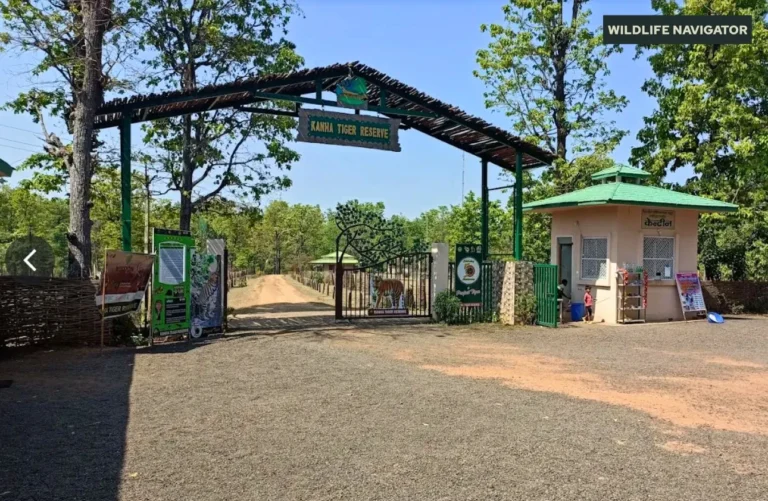
Kalakad Mundanthurai Tiger Reserve: Wildlife, Safari, Flora & Fauna Guide

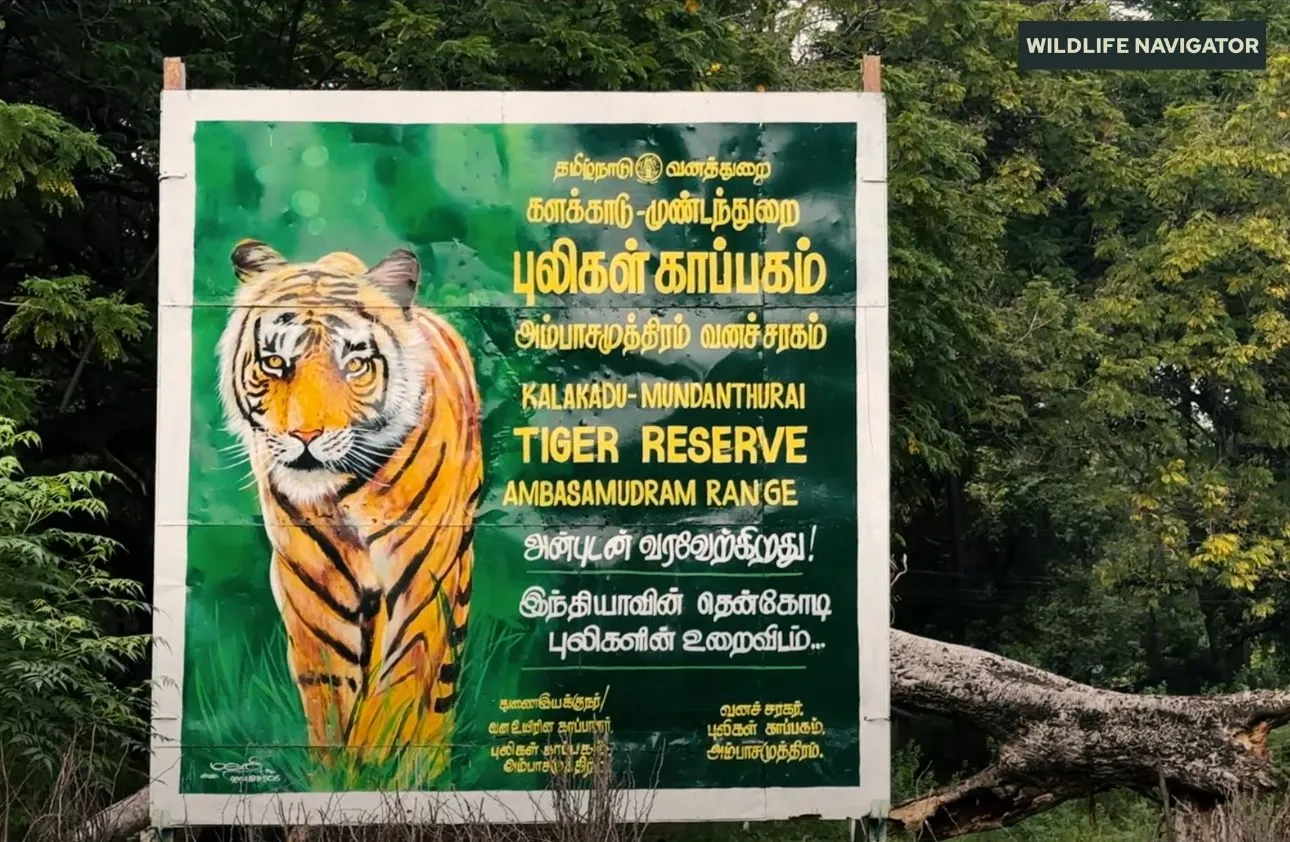
Mundanthurai Tiger Reserve is a hidden gem for wildlife enthusiasts and nature lovers in the lush landscapes of the Western Ghats in Tamil Nadu. Spanning over an extensive area of dense forests, rolling hills, and meandering rivers, this reserve forms a crucial part of the Agasthyamalai Biosphere Reserve, a UNESCO-recognised biodiversity hotspot.
Known for its rich flora and fauna, Mundanthurai is home to a diverse range of species, from majestic tigers and leopards to herds of elephants and elusive nilgiri langurs. Birdwatchers can delight in spotting hornbills, peafowls, and a variety of migratory birds that visit seasonally.
While it remains less commercialised compared to other tiger reserves in India, Mundanthurai offers a serene and authentic wildlife experience. The reserve not only serves as a critical sanctuary for endangered species but also plays a vital role in conserving the delicate ecosystems of the Western Ghats. For anyone seeking to experience the raw beauty of South India’s wildlife, Mundanthurai Tiger Reserve offers an unforgettable adventure.
History, Geography & Landscape
History:
Mundanthurai Tiger Reserve, officially declared a tiger reserve in 1989, has a history deeply rooted in India’s conservation efforts. Originally part of the Mundanthurai Wildlife Sanctuary, it was upgraded to a tiger reserve under Project Tiger to protect its thriving population of tigers and other endangered species. Over the years, the reserve has been pivotal in safeguarding the biodiversity of the Western Ghats, one of the world’s eight “hottest hotspots” of biological diversity.
Geography:
Located in Tamil Nadu’s Tirunelveli district, Mundanthurai Tiger Reserve stretches across approximately 1,051 square kilometres of dense forests, river valleys, and rugged terrain. It forms the northernmost part of the Agasthyamalai Biosphere Reserve, which extends into Kerala and is known for its rich natural heritage. The reserve is crisscrossed by numerous rivers and streams, including the Tambaraparani River, which provides vital water resources for both wildlife and local communities.
Landscape:
The landscape of Mundanthurai is a blend of tropical evergreen forests, moist deciduous forests, and montane shola-grassland ecosystems, creating a mosaic of habitats for diverse species. Rolling hills and steep valleys dominate the terrain, providing excellent cover for predators like tigers and leopards, while the open grasslands support herbivores such as gaurs and sambar deer. The dense canopy, interspersed with clearings and riverine areas, makes the reserve an ideal setting for wildlife spotting, trekking, and birdwatching.
Flora & Fauna
Flora:
Mundanthurai Tiger Reserve is a biodiversity hotspot with a rich variety of plant life. Its forests range from tropical evergreen and semi-evergreen forests to moist deciduous and montane shola-grassland ecosystems. These forests are home to medicinal plants, rare orchids, and endemic species, making the reserve a paradise for botanists and nature enthusiasts alike. The dense canopy provides shelter and food for many wildlife species, while riverbanks and grasslands add diversity to the ecosystem.
Fauna:
- Big Cats:
Mundanthurai is famous for its tiger population, one of the key reasons for its tiger reserve status. Leopards are also commonly sighted, often moving stealthily through the dense forests. - Mammals:
Apart from big cats, the reserve shelters a wide array of mammals, including elephants, gaurs, sambar deer, nilgiri langurs, bonnet macaques, and smaller carnivores such as jungle cats and civets. These species thrive in the varied habitats of the reserve, from thick forests to open grasslands. - Birds:
Birdwatchers will be delighted by the variety of avian species found here. Mundanthurai is home to hornbills, peafowls, eagles, kingfishers, and migratory birds that visit during the winter months. The diverse forest structure offers perfect nesting and feeding grounds for these feathered inhabitants. - Reptiles & Amphibians:
The reserve also supports a variety of snakes, lizards, frogs, and other amphibians, contributing to its ecological balance. Many species are endemic to the Western Ghats, making Mundanthurai a critical site for herpetological studies.
Key Highlights:
- The mix of dense forests, riverine areas, and grasslands supports a rich web of life, making wildlife spotting both rewarding and unpredictable.
- Endangered and vulnerable species find a safe haven here, underscoring the importance of conservation efforts.
Mundanthurai Tiger Reserve is a living testament to the ecological richness of the Western Ghats, where flora and fauna coexist in a delicate and fascinating balance.
Best Time to Visit & Weather
Visiting Mundanthurai Tiger Reserve is an experience best timed to maximise wildlife sightings and comfort. The region experiences a tropical climate, with distinct monsoon, summer, and winter seasons, which influence accessibility and wildlife activity.
Best Time to Visit:
- October to March: This is the ideal period for visiting Mundanthurai. During these months, the weather is cool and pleasant, ranging from 20°C to 30°C, making jungle safaris and trekking enjoyable. Wildlife is also more active around water sources in the cooler months, increasing your chances of spotting tigers, elephants, and other animals.
- April to June: Early summer can be hot, with temperatures rising above 35°C, which may make safari activities less comfortable. However, mornings and evenings are still suitable for wildlife watching.
- July to September (Monsoon): The monsoon brings heavy rainfall to the reserve, transforming the forests into lush green landscapes. While this period is spectacular for photography and witnessing waterfalls, roads and trails may be slippery or inaccessible, and safari operations are often limited.
Weather Highlights:
- Temperature: Varies between 20°C and 35°C depending on the season.
- Rainfall: Receives heavy rainfall during the southwest and northeast monsoons, contributing to the dense, evergreen forest cover.
- Humidity: Moderate to high, typical of tropical forest regions.
Tips:
- Carry light, breathable clothing for summer and warm layers for winter mornings.
- Monsoon travellers should pack rain gear and sturdy footwear for trekking.
- Early morning safaris offer the best chance to spot wildlife and enjoy cooler temperatures.
Timing your visit well can make the difference between a routine trip and a truly memorable wildlife adventure in Mundanthurai Tiger Reserve.
Activities & Attractions
Mundanthurai Tiger Reserve offers a range of activities that cater to wildlife enthusiasts, adventure seekers, and nature lovers. Despite being less commercialised than other tiger reserves, its serene environment allows for a more authentic and immersive wildlife experience.
1. Jungle Safaris
- Jeep Safaris: The most popular way to explore Mundanthurai is through guided jeep safaris. These safaris take visitors deep into the forest, increasing the chances of spotting tigers, leopards, elephants, and deer.
- Safari Timings: Safaris usually operate in the early morning (6:00–10:00 AM) and late afternoon (3:00–6:00 PM) when wildlife is most active.
- Tips: Opt for early morning safaris for the best chances of tiger sightings. Bring binoculars, cameras, and water.
2. Trekking & Nature Trails
- The reserve has moderate trekking routes through dense forests, hills, and river valleys.
- Trails are perfect for birdwatching and spotting smaller wildlife such as langurs, civets, and reptiles.
- Guided treks are recommended to ensure safety and to enhance the experience with insights about flora and fauna.
3. Birdwatching
- Mundanthurai is a birdwatcher’s paradise, home to hornbills, peafowls, eagles, kingfishers, and several migratory species.
- Early mornings are ideal for spotting rare and endemic birds, especially near riverbanks and clearings.
4. Scenic Viewpoints & Waterfalls
- The reserve’s rolling hills and river valleys provide several picturesque viewpoints for photography and nature observation.
- Seasonal waterfalls add charm, especially during the monsoon months, creating perfect spots for short breaks during treks or safaris.
5. Eco-Tourism & Photography
- Mundanthurai’s untouched landscapes offer excellent opportunities for wildlife and nature photography.
- Eco-tourism initiatives encourage visitors to observe wildlife responsibly, maintain silence, and respect forest rules.
Key Attraction Highlights:
- Tigers and leopards roaming freely in natural habitats.
- Herds of elephants crossing river valleys.
- Rich avian diversity, including hornbills and migratory birds.
- Scenic hills, forests, and seasonal waterfalls for photography and relaxation.
Mundanthurai Tiger Reserve is not just about spotting wildlife—it’s about immersing yourself in nature, enjoying tranquil surroundings, and appreciating the delicate ecosystems of the Western Ghats.
Entry Fees, Timings & Rules
Visiting Mundanthurai Tiger Reserve requires following certain guidelines set by the forest department to ensure wildlife protection and visitor safety. Here’s a detailed overview:
Entry Fees
- Indian Visitors: ₹300–₹500 per person for a jeep safari (varies by safari route and duration).
- Foreign Visitors: ₹1,000–₹1,500 per person for the same safari.
- Jeep Charges: A separate fee may apply for the vehicle, usually around ₹300–₹500 per jeep.
- Guide Charges: Hiring a forest guide is recommended, costing approximately ₹400–₹600 per safari.
Note: Fees are subject to change by the Forest Department, so it’s advisable to confirm before planning your visit.
Timings
- Safari Timings:
- Morning Safari: 6:00 AM – 10:00 AM
- Evening Safari: 3:00 PM – 6:00 PM
- The reserve remains closed during night hours to protect wildlife and ensure visitor safety.
Rules & Guidelines
- Prior Permission: Visitors must book safaris in advance through the Forest Department’s official portal or ticket counters.
- No Littering: Carry back all trash to maintain the pristine environment.
- Photography: Allowed, but avoid using flash near animals.
- Quiet Zones: Maintain silence during safaris to avoid disturbing wildlife.
- No Poaching or Feeding: Interfering with wildlife is strictly prohibited.
- Follow Safari Routes: Do not stray from designated trails for safety and conservation.
- Mobile Network: Connectivity is limited; plan accordingly.
Following these rules ensures that Mundanthurai remains a safe and sustainable habitat for its wildlife while providing visitors with a rewarding and memorable experience.
How to Reach Mundanthurai Tiger Reserve
Mundanthurai Tiger Reserve is located in Tirunelveli district, Tamil Nadu, deep within the Western Ghats. While it is relatively remote, it is well-connected by road, rail, and air via nearby towns and cities.
By Road
- From Tirunelveli: The reserve is approximately 50 km from Tirunelveli. Private taxis, rental cars, or buses can be taken from the city.
- From Madurai: About 150 km away, Madurai is a major city with better connectivity. Travellers can hire taxis or take buses to Tirunelveli and then proceed to the reserve.
- Local Roads: Roads leading to the reserve are scenic but can be narrow and winding in places, so driving cautiously is advised.
By Rail
- The nearest railway station is Tirunelveli Railway Station, well-connected to major cities like Chennai, Coimbatore, and Madurai.
- From Tirunelveli, taxis or buses can take you directly to the reserve.
By Air
- The nearest airport is Tuticorin Airport (TCR), around 70 km from the reserve, mainly handling domestic flights.
- Madurai Airport (IXM), about 150 km away, offers more domestic connectivity and limited international flights.
- From the airport, visitors can hire taxis or pre-arranged transport to reach the reserve.
Suggested Itinerary
- Day 1: Arrive in Tirunelveli or Madurai, travel to Mundanthurai, check into the forest rest house or nearby accommodation.
- Day 2: Early morning jeep safari, followed by trekking or birdwatching. Evening safari or scenic walk.
- Day 3: Optional second safari or photography session, then depart for Tirunelveli or Madurai.
Travellers are advised to pre-book safaris and accommodations, especially during peak season, to avoid last-minute hassles.
Accommodation Options Nearby
Mundanthurai Tiger Reserve is located in a relatively remote part of the Western Ghats, but visitors have several comfortable and convenient accommodation options ranging from forest rest houses to nearby hotels and resorts.
1. Forest Department Rest Houses
- The Tamil Nadu Forest Department operates rest houses and guesthouses near the reserve, offering basic yet comfortable accommodation.
- Facilities often include bedrooms, attached bathrooms, and dining areas, with easy access to safari points.
- Staying here provides a closer-to-nature experience and allows early morning safaris without long travel.
- Booking is usually required in advance through the Forest Department’s official website or office.
2. Eco-Lodges & Resorts Nearby
- A few eco-lodges and resorts in nearby towns offer more modern amenities while maintaining a natural ambience.
- These options often include meals, guided tours, and transportation to the reserve.
- Staying in eco-lodges supports sustainable tourism and helps local communities.
3. Hotels in Tirunelveli or Ambasamudram
- For visitors preferring city comforts, Tirunelveli and Ambasamudram (30–50 km away) have a range of budget, mid-range, and luxury hotels.
- From these towns, visitors can take taxis or pre-arranged transport to reach Mundanthurai Tiger Reserve for safaris.
Tips for Choosing Accommodation:
- Book well in advance, especially during peak wildlife season (October to March).
- Consider proximity to the reserve if you want to maximize safari time.
- Eco-lodges or forest rest houses are ideal for those seeking immersive wildlife experiences.
With a range of options, visitors can choose accommodations that best fit their comfort preferences and budget, ensuring a pleasant stay while exploring the rich biodiversity of Mundanthurai.
Conservation Efforts & Importance
Mundanthurai Tiger Reserve is not only a sanctuary for wildlife but also a critical hub for conservation initiatives in the Western Ghats. Its preservation is essential for maintaining the region’s ecological balance and protecting endangered species.
Tiger Protection & Wildlife Conservation
- Declared a tiger reserve under Project Tiger in 1989, Mundanthurai plays a key role in protecting India’s tiger population.
- Regular patrols, anti-poaching measures, and habitat management help safeguard tigers and other endangered species such as leopards, elephants, and gaurs.
- Scientific monitoring, including camera traps and wildlife censuses, ensures the population health and behaviour of key species are tracked effectively.
Ecosystem & Biodiversity Significance
- The reserve forms part of the Agasthyamalai Biosphere Reserve, a UNESCO-recognised biodiversity hotspot.
- Its forests, rivers, and grasslands support a vast array of species, from endemic plants to rare birds and reptiles.
- By preserving these habitats, Mundanthurai contributes to water conservation, soil stability, and carbon sequestration, vital for environmental sustainability.
Community Involvement & Eco-Tourism
- Local communities are involved in eco-tourism programs, guided safaris, and conservation awareness campaigns.
- Eco-tourism provides alternative livelihoods, reducing dependency on forest resources while promoting responsible tourism.
- Educational initiatives help visitors and locals understand the importance of protecting wildlife and habitats.
Key Takeaway
Mundanthurai Tiger Reserve exemplifies how wildlife conservation and sustainable tourism can coexist. Protecting this reserve ensures the survival of endangered species, preserves unique ecosystems, and maintains the ecological health of the Western Ghats for future generations.
Conclusion
Mundanthurai Tiger Reserve is a true sanctuary of the Western Ghats, offering visitors an unmatched opportunity to experience India’s rich biodiversity in a serene and pristine environment. From its majestic tigers and elusive leopards to herds of elephants, endemic birds, and lush forests, every corner of the reserve tells a story of nature’s splendour.
While it may be less commercialised than other tiger reserves, this very aspect makes Mundanthurai a perfect destination for authentic wildlife experiences. Whether you are on a jeep safari, trekking through dense forests, or birdwatching near riverbanks, the reserve promises unforgettable encounters with nature.
Beyond adventure, Mundanthurai Tiger Reserve highlights the importance of conservation, protecting endangered species, and sustaining the delicate ecosystems of the Western Ghats. Visiting responsibly not only ensures your safety but also supports ongoing eco-tourism and wildlife protection efforts.