Mukurthi National Park – Nilgiri, Tamil Nadu

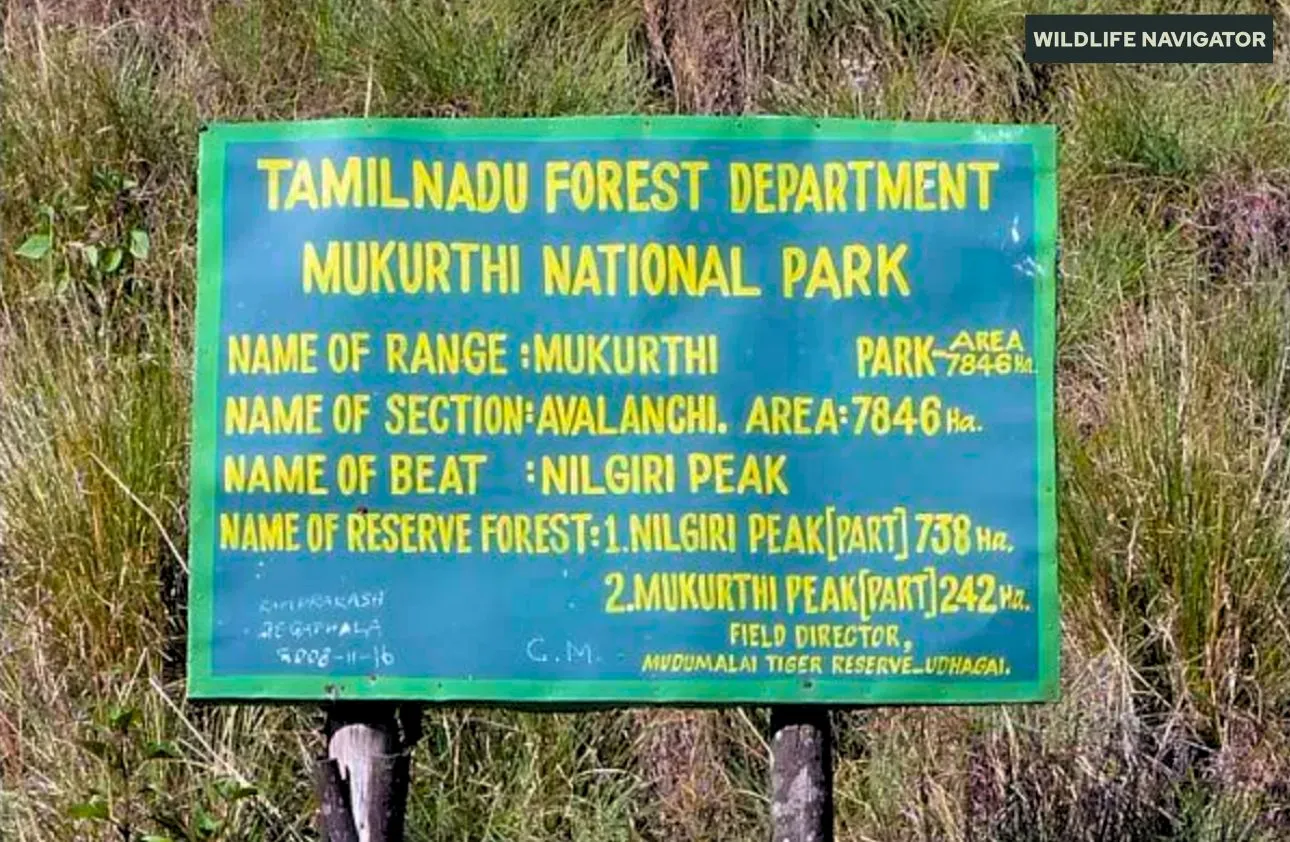
Mukurthi National Park is one of the most enchanting high-altitude wilderness regions in South India—a pristine blend of rolling grasslands, mist-draped shola forests, and rugged mountain peaks. Located in the Nilgiri district of Tamil Nadu, this park forms a crucial part of the Nilgiri Biosphere Reserve and stands as a living stronghold for some of the Western Ghats’ most endangered species, including the iconic Nilgiri tahr.
Unlike the better-known valleys and tropical jungles of India, Mukurthi offers a distinctly different Himalayan-like charm with its cool climate, dramatic landscapes, and rare montane ecosystem. The park is also recognised as a UNESCO World Heritage Site, celebrated for its ecological uniqueness and high endemism. For trekkers, wildlife enthusiasts, birdwatchers, and eco-travellers seeking a raw and untouched environment, Mukurthi National Park offers a serene escape into one of India’s most fragile and fascinating biospheres.
Whether you’re drawn to its sweeping grasslands, its silent shola canopies, or its breathtaking mountain vistas, Mukurthi promises a blend of adventure, biodiversity, and natural beauty that few places can match.
History and Background
Mukurthi National Park has a conservation legacy rooted in its mission to protect one of India’s rarest mountain ecosystems. The region was historically part of the wider Nilgiri Game Reserve during the British era, valued primarily for its unique landscape and rich wildlife. Over time, as ecological studies highlighted the fragility of the shola–grassland ecosystem and the alarming decline of the Nilgiri tahr, the need for dedicated protection became evident.
In 1982, the area was officially declared the Mukurthi Wildlife Sanctuary, and later in 1990, it was upgraded to Mukurthi National Park, strengthening conservation measures and regulated access. The park played a significant role in global biodiversity recognition when the Western Ghats—including Mukurthi—was declared a UNESCO World Heritage Site for its outstanding ecological value.
Today, Mukurthi stands as a vital ecological corridor, connecting the Nilgiri Hills to Silent Valley National Park in Kerala. Its protected status ensures the survival of a range of endemic species and safeguards a watershed that feeds several major rivers of South India. Through continuous conservation efforts, Mukurthi National Park has transformed from an overlooked highland terrain into a globally significant biodiversity hotspot.
Geography and Location
Mukurthi National Park is situated in the western corner of Tamil Nadu’s Nilgiri district, forming a vital part of the upper reaches of the Western Ghats. Spread across undulating high-altitude terrain, the park lies at elevations ranging from 1,500 to over 2,600 meters, giving it a cool, alpine ambience rarely found in southern India.
Geographically, the park is bordered by the famed Silent Valley National Park to the west and the towering Nilgiri Plateau to the north. Its landscape is a harmonious blend of sweeping montane grasslands interspersed with dark, dense shola forests—an ecosystem found only in the highest reaches of the Western Ghats. This patchwork of grass and forest creates mosaic habitats that support exceptional biodiversity.
The region is known for its rugged mountain peaks, including Mukurthi Peak, which offers spectacular panoramic views of the surrounding valleys and ridges. Numerous rivers and streams, such as the Bhavani River, originate from these highlands, making the park an important hydrological hub for Tamil Nadu and Kerala.
Weather in Mukurthi remains cool throughout the year, with mist, frost, and light drizzle being common, especially during the monsoon and winter months. The dramatic shifts in climate across seasons further shape its unique ecosystem, influencing wildlife behaviour and plant cycles.
Unique Ecosystem: Shola Forests and Grasslands
Mukurthi National Park is best known for its extraordinary shola–grassland ecosystem, a rare and ancient landscape found only in the upper altitudes of the Western Ghats. This ecosystem is characterised by rolling montane grasslands that blanket the hilltops, while pockets of dense, stunted evergreen forests—called sholas—thrive within sheltered valleys and folds of the terrain.
The shola forests act as biodiversity vaults, harbouring plant and animal species that have evolved in isolation for thousands of years. These forests remain cool and moist throughout the year, creating stable microclimates ideal for high-altitude endemics. In contrast, the surrounding grasslands are open, windswept, and sunlit, serving as perfect grazing grounds for species like the Nilgiri tahr.
This ecosystem also plays a crucial hydrological role. The sholas, with their sponge-like soil and dense canopy, capture moisture from mist and rainfall, slowly releasing it into streams and rivers. As a result, Mukurthi forms one of the major watersheds for prominent rivers such as the Bhavani and Moyar, supporting agriculture and communities far beyond the park’s boundaries.
Flora of Mukurthi National Park
Mukurthi’s high-altitude terrain supports a remarkable variety of endemic and specialised plant species adapted to the cool, moist climate of the shola–grassland ecosystem.
Key Flora Highlights
- A rare mix of shola forests and montane grasslands
- High endemism due to isolated evolution
- Plants adapted to frost, mist, and nutrient-poor soils
Notable Shola Forest Species
- Rhododendron arboreum – vibrant red blossoms adding colour to the forest edges
- Ilex denticulata (Holly species) – evergreen small trees thriving in shaded valleys
- Michelia nilagirica – aromatic evergreen species
- Schefflera racemosa – common understory plant of sholas
- Syzygium species – moisture-loving trees producing berry-like fruits
Grassland and Shrubland Species
- Kurinji (Strobilanthes kunthiana) – famous for blooming once every 12 years
- Alpine tussock grasses – providing crucial habitat for grazing animals like Nilgiri tahr
- Gaultheria fragrantissima (Wintergreen) – aromatic shrub with medicinal value
- Berberis tinctoria – hardy shrub adapted to the windy slopes
- Artemisia nilagirica – fragrant grassland herb with traditional medicinal uses
Rare and Endemic Plants
- Impatiens species unique to the Nilgiris
- Hedyotis stocksii – a threatened montane herb
- Erica and Vaccinium species – high-altitude shrubs found only in fragmented pockets
- Exacum bicolor – delicate, endemic flowering plant
Seasonal Highlights
- Monsoon: Fresh growth of herbs, mosses, and ferns
- Post-monsoon: Peak flowering season for several shola plants
- Winter: Minimal bloom but vibrant grassland hues
Mukurthi’s flora forms the foundation of its fragile mountain ecosystem, supporting both wildlife and watershed functions crucial to the region.
Fauna of Mukurthi National Park
Mukurthi National Park is a haven for high-altitude wildlife, especially species adapted to cold, windy, and rugged mountain environments. Its fauna includes several endemics of the Western Ghats, many of which are rare or endangered.
Mammals
- Nilgiri Tahr – flagship species; thrives on steep grassy slopes
- Nilgiri Marten – rare carnivore found only in the Western Ghats
- Leopard – apex predator of the region
- Asian Elephant – occasional movement along forest corridors
- Sambar Deer – common herbivore in shola edges
- Barking Deer (Muntjac) – found in lower forested regions
- Wild Dogs (Dholes) – seen in packs across grasslands
- Otters – found along highland streams
Birds
Mukurthi is an excellent birding destination, with many endemic hill birds.
Common & Notable Species
- Nilgiri Pipit – found exclusively in high-altitude grasslands
- Black-and-Orange Flycatcher – colourful, Western Ghats endemic
- Nilgiri Flycatcher – shola-specialist species
- Grey-headed Canary Flycatcher
- Laughingthrush species – often seen in small flocks
- Eagles and Kites – soaring over open valleys
- Wood Pigeons – common in moist evergreen patches
Reptiles
Cold climate limits reptile diversity, but a few adapted species thrive.
- Nilgiri Keelback – a high-altitude snake species
- Gecko species adapted to montane habitats
- Common Skinks found on sunny slopes
Amphibians
Moist shola forests support several endemic amphibians.
- Bush Frogs (Raorchestes spp.) – known for distinctive calls
- Ghat Frogs found near perennial streams
- Micrixalus (Dancing Frogs) – tiny frogs with unique mating displays
Insects & Other Fauna
- High-altitude butterflies like the Blue Admiral and Indian Red Admiral
- Moths, beetles, and dragonflies adapted to cooler climates
- Freshwater invertebrates thriving in pristine streams
Mukurthi’s diverse wildlife makes it a crucial refuge for species specially adapted to cold mountain ecosystems, reinforcing its global ecological significance.
Trekking and Adventure Activities
Mukurthi National Park is a paradise for trekkers who enjoy raw wilderness, crisp mountain air, and breathtaking high-altitude landscapes. Unlike popular commercial trails, trekking here is highly regulated, ensuring that the fragile shola–grassland ecosystem remains undisturbed. This makes every trek feel exclusive, peaceful, and deeply connected to nature.
Popular Trekking Routes
- Mukurthi Peak Trek
- One of the most sought-after trails
- Offers panoramic views of rolling grasslands and deep valleys
- Moderate to challenging difficulty
- Avalanche–Upper Bhavani Route
- A scenic trail dotted with shola patches, streams, and wildlife sightings
- Ideal for nature lovers and birdwatchers
- Western Catchment Area Trails
- Known for picturesque lakes, steep ridges, and tahr habitats
- Requires special permits
- Silent Valley Border Trek
- Runs close to the Kerala boundary
- Perfect for spotting endemic birds and rare mammals
What Trekkers Can Expect
- Cool, misty weather throughout the year
- Long stretches of untouched grasslands
- Encounters with Nilgiri tahr on rocky slopes
- Clear mountain streams and freshwater pools
- Silent, pollution-free landscapes
Difficulty Levels
- Most treks range from moderate to challenging due to steep ascents
- Trails require good stamina and proper hiking footwear
Permit Requirements
- All treks inside Mukurthi require prior permission from the
Tamil Nadu Forest Department - Group treks are usually guided by forest guards
- Camping is allowed only at designated forest rest houses or approved sites
Eco-Friendly Trekking Guidelines
- Avoid loud noises to protect wildlife
- Stay on marked trails to prevent habitat disturbance
- Carry back all waste; plastic is strictly prohibited
- Use eco-friendly clothing and reusable water bottles
- Respect the forest staff’s instructions at all times
Trekking in Mukurthi is not just an adventure—it’s an immersive experience in one of India’s most fragile and mesmerising mountain ecosystems.
Conservation and Visitor Guidelines
Mukurthi National Park is one of India’s most fragile high-altitude ecosystems, and its protection relies heavily on responsible tourism and continuous conservation work. The park’s shola–grassland landscape, rare species, and vital river systems demand strict ecological care, making visitor awareness as important as governmental conservation efforts.
Key Conservation Initiatives
- Protection of Nilgiri Tahr
Dedicated monitoring teams track population health, breeding patterns, and habitat use of this flagship species. - Shola Restoration Projects
Efforts are underway to restore degraded shola patches by removing invasive species like wattle and eucalyptus, and promoting native vegetation. - Anti-Poaching Measures
Forest guards patrol sensitive zones to protect wildlife from poaching and human disturbance. - Hydrological Conservation
Since Mukurthi is a major watershed feeding rivers like Bhavani and Moyar, steps are taken to preserve water quality and natural flow. - Research & Climate Monitoring
Scientists study the effects of climate change on shola forests, grasslands, and high-altitude fauna to guide long-term conservation strategies.
Visitor Guidelines (Eco-Friendly Travel Tips)
To ensure that tourism does not disturb the park’s delicate ecosystem, visitors must adhere to strict rules and best practices.
Entry & Permit Rules
- Obtain prior permits from the Tamil Nadu Forest Department
- Follow assigned routes and designated camping or resting areas
- Always trek with authorised guides or forest personnel
Responsible Wildlife Etiquette
- Maintain silence—noise disturbs wildlife, especially ground-nesting birds and grazing tahrs
- Keep a safe distance during sightings
- Do not attempt to feed animals
Environmental Best Practices
- Strict no-plastic policy inside the park
- Carry all waste back with you; use reusable bottles and containers
- Stick to marked trails to avoid damaging fragile grasslands
Safety and Preparation Tips
- Wear sturdy trekking shoes and warm clothing; weather changes quickly
- Carry basic first aid, high-energy snacks, and enough water
- Mobile networks may be weak—inform someone before entering the park
- Respect the park’s early entry/exit timings
Why These Guidelines Matter
The future of Mukurthi’s unique biodiversity depends on minimal disturbance from human activity. By following the rules and travelling responsibly, visitors play an active role in protecting endangered species, conserving water sources, and maintaining the integrity of this UNESCO-recognised ecosystem.
Best Time to Visit Mukurthi National Park
Mukurthi National Park experiences cool, unpredictable mountain weather throughout the year, but certain seasons offer better visibility, safer trekking conditions, and richer wildlife experiences. Because it is a high-altitude protected area with strict access rules, choosing the right time to visit ensures both safety and a more rewarding experience.
Ideal Season: January to May
This is considered the best period to visit Mukurthi National Park.
- Clear skies and minimal rainfall enhance visibility
- Cool temperatures create pleasant trekking conditions
- Wildlife sightings—particularly Nilgiri tahr grazing in open grasslands—are more frequent
- The sholas remain lush, and grasslands turn golden after winter frost
Monsoon Season: June to September
The monsoon transforms the park into a misty, rain-soaked wilderness. However, this season is generally restricted for visitors because:
- Slippery trails increase the risk of accidents
- Heavy rainfall and dense fog reduce visibility
- Wildlife movement becomes unpredictable
- The forest department often limits entry to protect the ecosystem
Post-Monsoon: October to December
This period offers a refreshing landscape, but access still depends on weather stability.
- Forests regain vibrant greenery
- Streams and waterfalls are replenished
- Occasional fog and early winter chills are common
- Trekking routes may open gradually depending on conditions
Best Season for Photography
- February to April
Clear skies, long-range views, and a mix of green sholas and dry grasslands provide perfect lighting and landscapes.
What Factors Should Visitors Consider?
- Sudden weather shifts (fog, light drizzle, strong winds)
- Temperature drops at night, especially in winter
- Official forest department guidelines regarding seasonal closures
How to Reach Mukurthi National Park
Mukurthi National Park is located in the scenic Nilgiri district of Tamil Nadu and is most easily accessed through Ooty (Udhagamandalam), the nearest major hill station. Due to its protected status, visitors must enter through specific checkpoints with prior permits.
Nearest City: Ooty (Udhagamandalam)
- Distance to Park: Approximately 40–45 km, depending on the entry point
- Acts as the major hub for transportation, accommodation, and permits
- Well-connected to nearby cities and states
By Road
Mukurthi is accessible via winding mountain roads with beautiful views of forests, tea estates, and valleys.
- From Ooty:
- 1.5 to 2 hours by road
- Common routes include Avalanche, Parsons Valley, and Upper Bhavani areas
- From Coimbatore:
- Approx. 110 km
- 3 to 4 hours via Mettupalayam and Ooty
- From Mysore:
- Approx. 140 km
- Scenic drive via Bandipur–Masinagudi–Ooty
Note: Some interior forest routes may require special permissions and may not always be open to the public.
By Rail
- Nearest Railway Station: Ooty (Udhagamandalam)—part of the historic Nilgiri Mountain Railway
- Connected via Mettupalayam using the famous toy train route
- Major Railhead: Coimbatore Junction (well-connected to all major Indian cities)
By Air
- Nearest Airport: Coimbatore International Airport (110 km)
- Regular flights from Chennai, Bengaluru, Mumbai, Delhi, and other cities
- Taxis available from the airport to Ooty and further towards the park
Entry Points to the Park
Access is limited and controlled through forest checkpoints such as:
- Avalanche Checkpost
- Porthimund Area
- Upper Bhavani Zone
Visitors must show valid permits and are usually accompanied by a forest guard for trekking or exploration.
Travel Tips for Reaching Mukurthi
- Roads may be foggy in early mornings and evenings—drive cautiously
- Fuel stations are limited once you move away from Ooty
- Public transport is available to Ooty, but travel to the park area generally requires private vehicles or hired taxis
- Always check with the Forest Department about route availability, as some trails may close during monsoon or wildlife movement
Accommodation Options
Due to Mukurthi National Park’s strict conservation policies, staying inside the park is limited and highly regulated. Most visitors choose to stay in and around Ooty, which offers a wide range of options—from budget stays to luxury resorts. However, for those seeking a more immersive wilderness experience, a few forest-managed accommodations are available with prior permission.
Forest Department Accommodation
These stays offer the closest access to the shola–grassland ecosystem but are limited in number.
Forest Rest Houses / Huts
- Located near trekking routes like Mukurthi Peak, Upper Bhavani, or Parsons Valley
- Basic facilities (beds, blankets, solar lighting)
- Ideal for trekkers and wildlife enthusiasts
- Require advance booking through the Tamil Nadu Forest Department
- Usually included as part of guided trekking packages
Inspection Bungalows
- Found in strategic forest areas
- Simple accommodation with essential amenities
- Prior permission mandatory, often allocated for research or monitored eco-tours
Note:
Staying inside the park is generally allowed only for approved trekking groups. Solo stays or casual tourism stays are not permitted.
Accommodation in Ooty
Ooty serves as the gateway to Mukurthi and provides comfortable options for all budgets and travel styles.
Budget & Mid-Range Hotels
- Ideal for backpackers, solo travellers, and budget tourists
- Located mainly around Charring Cross, Botanical Garden Road, and Lovedale
- Provide easy access to local transport and food outlets
Resorts, Cottages & Private Villas
- Located in quieter zones like Avalanche Road, Lovedale, and Fernhill
- Offer scenic views, garden spaces, and nature-centric experiences
- Great for families, photographers, and nature lovers
Luxury Properties
- Found in areas like Westbury Road, Tiger Hill, and Ketti Valley viewpoints
- Provide premium amenities, hill views, curated meals, and excellent service
- Recommended for travellers seeking comfort while exploring the park
Eco-Stays & Nature Lodges (Around Ooty & Avalanche)
- Set close to forests, valleys, and lakes
- Perfect for those wanting a peaceful, nature-focused stay
- Often offer guided nature walks, birdwatching tours, and local experiences
Tips for Choosing the Right Stay
- If planning treks inside Mukurthi, choose stays on Avalanche Road or Upper Bhavani side
- Book forest stays well in advance—availability is limited
- Carry warm clothing even if staying in Ooty; temperatures drop quickly at night
- Check for Wi-Fi and mobile network availability if you need connectivity
- Verify road conditions during monsoon before finalising your stay
Conclusion
Mukurthi National Park stands as one of India’s most remarkable high-altitude wilderness areas—a place where untamed grasslands meet ancient shola forests, where mist rolls over rugged ridges, and where rare species like the Nilgiri tahr roam freely across dramatic mountain slopes. Far from the usual tourist circuits, the park offers a serene and immersive escape into a landscape shaped by time, altitude, and nature’s quiet resilience.
Whether you visit for trekking, wildlife photography, birdwatching, or simply to experience the tranquillity of the Western Ghats, Mukurthi rewards you with raw beauty and a deeper appreciation for one of the world’s rarest ecosystems. Its strict conservation efforts and limited access help preserve its pristine charm, ensuring that future generations can witness its fragile yet extraordinary biodiversity.
For nature lovers, adventure seekers, and anyone yearning for solitude in the mountains, Mukurthi National Park is not just a destination—it’s an unforgettable journey into the heart of South India’s most enchanting alpine wilderness.