Mudumalai National Park & Tiger Reserve: Complete Travel Guide, Safari, Flora & Fauna

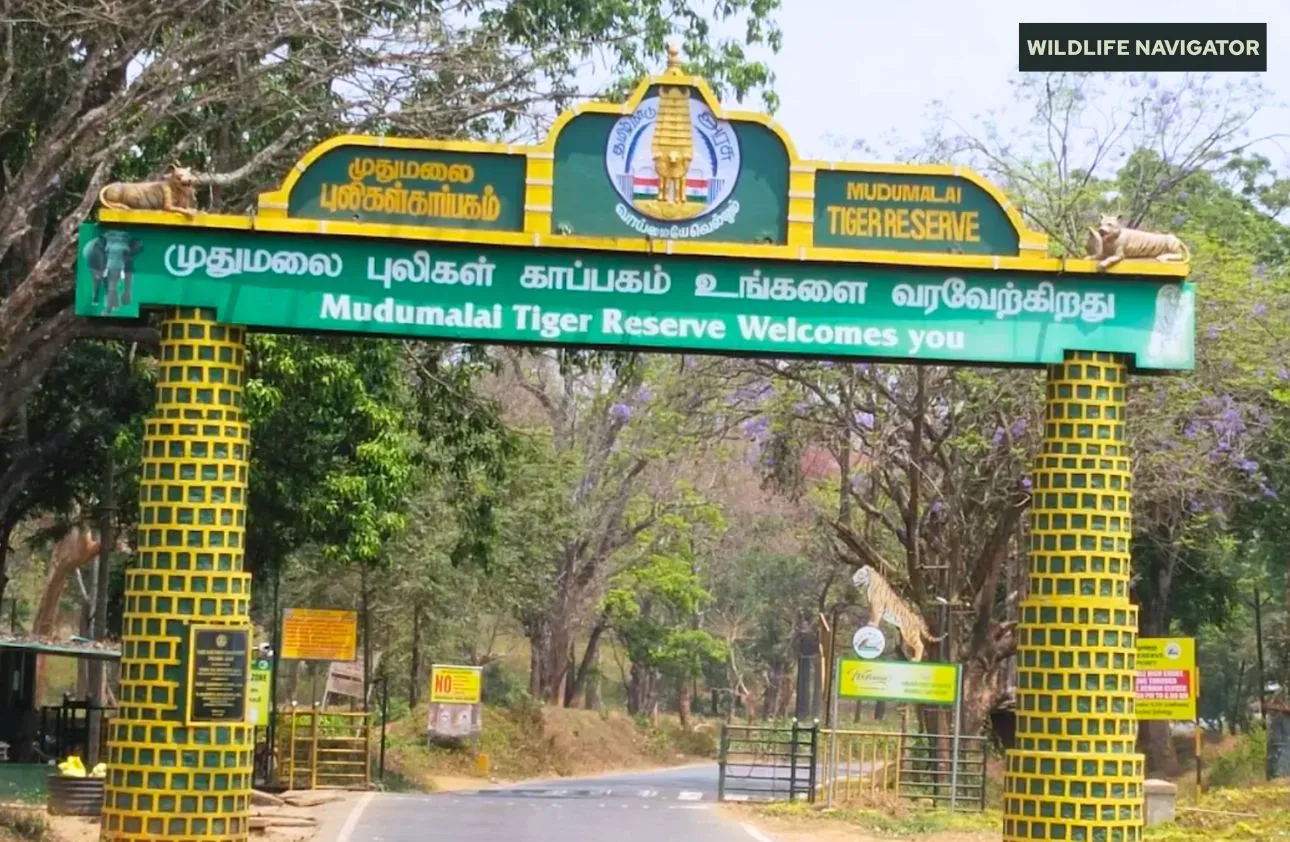
Mudumalai National Park is one of South India’s most celebrated wildlife destinations, nestled on the northwestern slopes of the Nilgiri Hills. Spanning over 321 square kilometres at the tri-junction of Tamil Nadu, Karnataka, and Kerala, it forms a crucial part of the Nilgiri Biosphere Reserve.
Renowned for its incredible biodiversity, the park shelters elephants, bengal tigers, leopards, deer, and over 260 species of birds, making it a paradise for wildlife enthusiasts, birdwatchers, and nature lovers. Its rolling hills, dense forests, and river valleys create a natural haven for flora and fauna, offering visitors a chance to experience the raw wilderness up close.
Mudumalai’s charm lies not only in its wildlife but also in its role as a vital ecological corridor, connecting neighbouring reserves and maintaining the health of the Western Ghats. A visit here promises an immersive experience into India’s wild heart, whether through tranquil jungle walks, birdwatching, or the excitement of spotting wildlife in their natural habitat.
Mudumalai Tiger Reserve
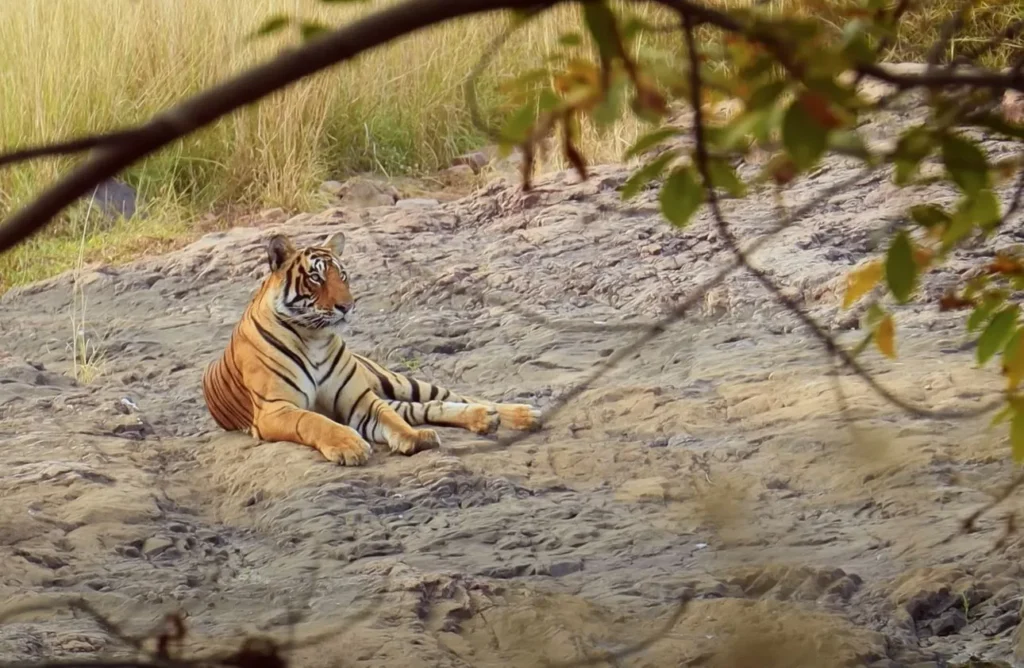
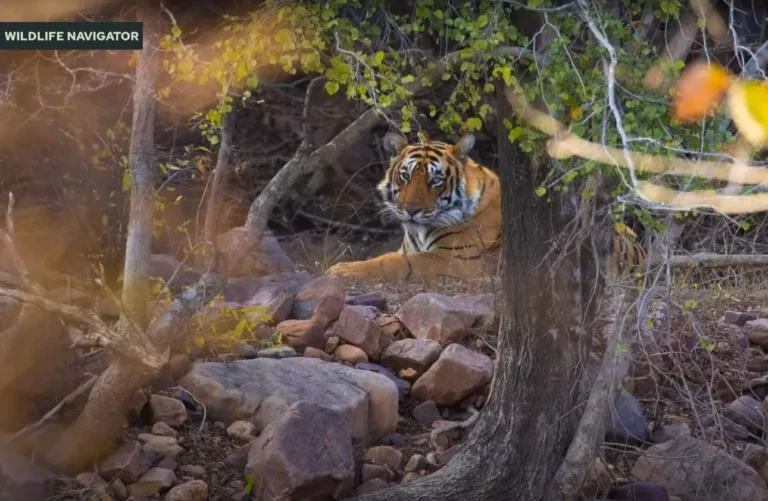
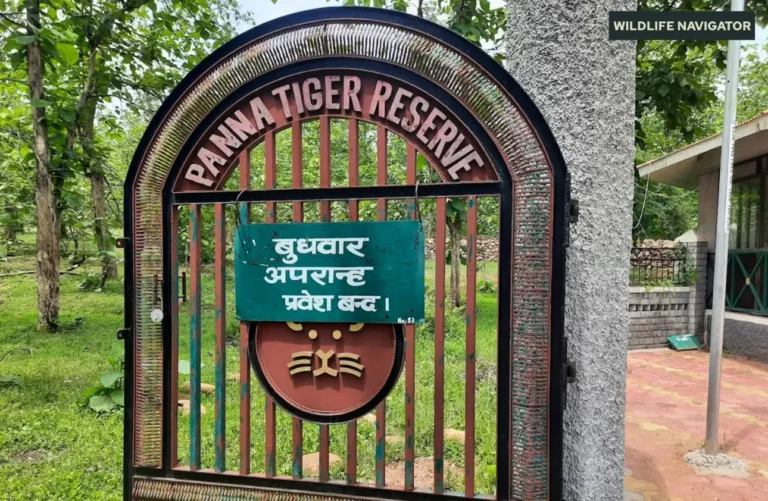
In addition to its status as a national park, Mudumalai also holds the prestigious designation of a Tiger Reserve, making it a key stronghold for India’s big cats. It was brought under the Project Tiger initiative in 2007, aimed at protecting and reviving the dwindling tiger population across the country.
The reserve is an integral part of the Nilgiri Biosphere landscape, forming a continuous habitat with Bandipur National Park (Karnataka), Wayanad Wildlife Sanctuary (Kerala), and Nagarhole National Park (Karnataka). This connectivity ensures healthy genetic exchange among tiger populations and strengthens the survival chances of other apex predators like leopards and dholes.
Mudumalai Tiger Reserve is also home to sloth bears, gaurs, elephants, and a rich variety of herbivores and birds, making it an ecologically diverse hotspot. For visitors, the designation adds an element of excitement—every rustle of leaves or paw print could indicate the presence of a tiger, giving safaris a thrilling edge while emphasising the importance of conservation efforts.
History, Significance & Geography of Mudumalai
Establishment and Conservation Milestones
Mudumalai National Park’s journey as a protected area began in 1940 when it was first declared a wildlife sanctuary. Its importance grew over the decades, and in 1986, it was upgraded to a national park, reflecting the need to safeguard its rich biodiversity. The park’s inclusion as a Tiger Reserve in 2007 under Project Tiger further strengthened conservation efforts, highlighting its role in protecting endangered species like the Bengal tiger and Indian elephant.
Being part of the Nilgiri Biosphere Reserve, Mudumalai also contributes to the UNESCO World Heritage Site, emphasising its global significance for biodiversity conservation and ecological research.
Location & Boundaries
Mudumalai National Park is strategically located at the junction of Tamil Nadu, Karnataka, and Kerala, covering 321 square kilometres. The park forms a vital corridor for wildlife, connecting seamlessly with neighbouring reserves such as Bandipur, Wayanad, and Nagarhole, allowing free movement of elephants, tigers, and other species.
Rivers, Terrain & Climate
- Rivers: The Moyar River, a tributary of the Bhavani, flows through the park, serving as a critical water source for wildlife.
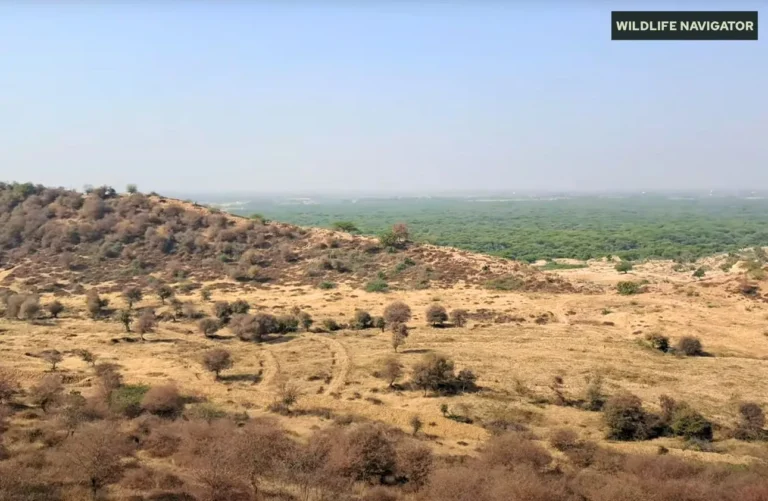
- Terrain: The park features rolling hills, dense forests, open grasslands, and river valleys. Elevation ranges from 850 to 1,250 meters above sea level, creating diverse ecological zones.
- Climate: Mudumalai experiences a tropical climate. Summers are hot and ideal for wildlife spotting, monsoons bring lush greenery but limit safari activities, and winters are cool and pleasant, perfect for exploring the forest and birdwatching.
This combination of historical significance, strategic location, and varied terrain makes Mudumalai a thriving ecological hub where both flora and fauna flourish, and conservation efforts have a tangible impact.
Flora & Fauna of Mudumalai
Mudumalai National Park is a biodiversity hotspot, with diverse habitats ranging from moist and dry deciduous forests to scrublands. Its rich flora and fauna form a balanced ecosystem where every species plays a vital role.
Flora – The Green Tapestry
- Forest Types: Tropical moist deciduous, dry deciduous, and scrub forests.
- Notable Trees: Teak, rosewood, sandalwood, and bamboo.
- Understory & Medicinal Plants: Ferns, shrubs, and wildflowers bloom seasonally, providing food and shelter for smaller wildlife and pollinators.
Big Mammals
- Elephants: Frequently seen near rivers and forest trails.
- Predators: Tigers, leopards, and dholes inhabit deep forest zones.
- Others: Sloth bears, gaur (Indian bison), and wild dogs.
Herbivores
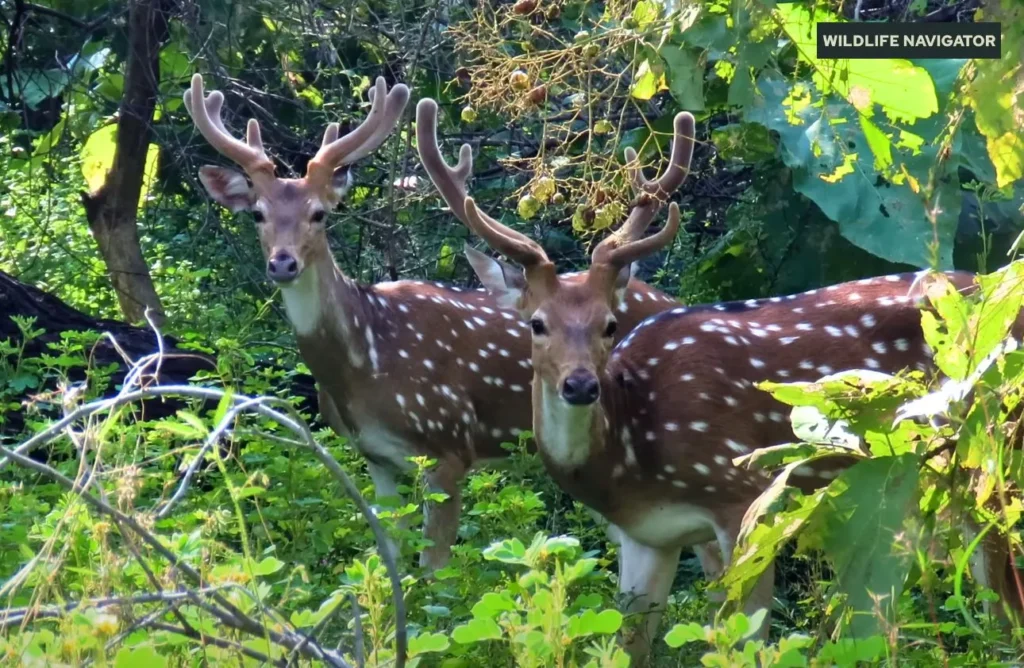
- Deer Species: Chital Deer, sambar deer, and muntjac.
- Primates: Bonnet macaques and langurs.
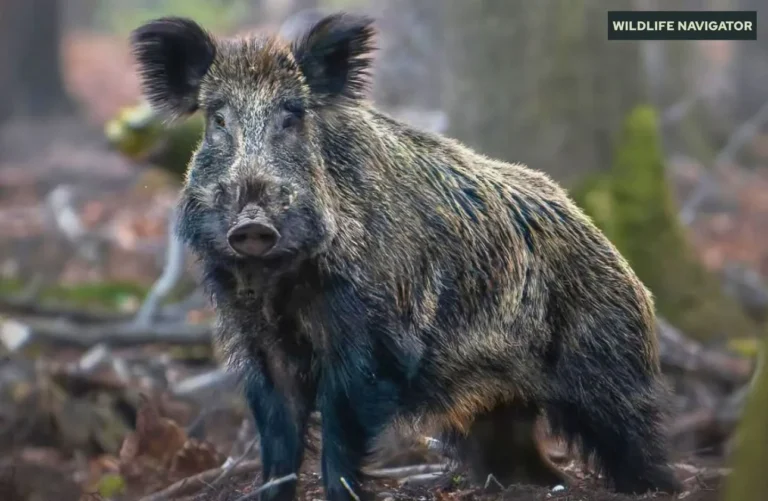
- Others: Wild boars grazing across grasslands.
Birds
- Over 260 species, including great hornbills, kingfishers, crested serpent eagles, and migratory species like ospreys and bar-headed geese.
Reptiles & Amphibians
- Reptiles: King cobras, pythons, monitor lizards, and geckos.
- Amphibians: Frogs and toads near rivers and marshes, crucial for controlling insects and maintaining ecosystem balance.
Together, the flora and fauna of Mudumalai National Park create an interconnected web of life where every creature—big or small—plays a vital role. This rich biodiversity is what makes the park not just a wildlife reserve, but a thriving, breathing ecosystem.
Safari in Mudumalai
One of the best ways to experience the wilderness of Mudumalai National Park is by joining a safari. Safaris here are designed to give visitors a safe yet thrilling encounter with wildlife in their natural habitat. Whether you choose a jeep, a van, or an elephant safari, each offers a unique perspective of the forest.
Types of Safaris
- Jeep Safari – The most popular choice, ideal for small groups and those looking for a more personalised experience. Jeeps can venture deeper into the forest, increasing chances of spotting tigers, elephants, and leopards.
- Bus/Van Safari – Operated by the forest department, this is a budget-friendly option and suitable for families. While it follows fixed routes, sightings of elephants, deer, and birds are frequent.
- Elephant Safari – A traditional and unique way to explore parts of the forest, available at the Theppakadu Elephant Camp. It allows you to experience the jungle at a slower pace and is especially popular with children.
Safari Timings
Safaris are conducted twice daily, usually at:
- Morning: 6:30 AM – 8:30 AM
- Evening: 3:30 PM – 5:30 PM
(Timings may vary slightly depending on the season and forest department rules.)
Safari Entry Points
The two main gateways to the reserve are:
- Theppakadu – The headquarters of the Mudumalai Tiger Reserve, offering safaris, elephant camps, and a nature interpretation centre.
- Masinagudi – A popular base town near the reserve with multiple resorts, from where private safaris and guided tours are organised.
Safari Charges & Entry Fee
As per the latest information from the Tamil Nadu Forest Department:
- Entry Fee:
- ₹30 per Indian adult
- ₹15 per Indian child
- ₹300 per foreign tourist
- Safari Charges:
- Van/Bus Safari: ₹150 per person (1-hour ride)
- Jeep Safari: ₹2,000 – ₹3,000 per jeep (shared among 6–8 people; rates vary by operator)
- Elephant Safari: Around ₹1,000 per person for a short ride at Theppakadu Elephant Camp
- Camera Fee:
- Still Camera: ₹50
- Video Camera: ₹150
(Note: Charges may change from season to season; it’s best to confirm with the forest department or authorised safari operators before visiting.)
What to Expect on a Safari
Safari rides in Mudumalai National Park are a blend of excitement and unpredictability. While spotting a tiger requires luck and patience, elephants, gaur, deer, and a variety of birds are commonly seen. Even when animals remain elusive, the sheer thrill of traversing the forest trails, listening to alarm calls, and watching the golden sunlight filter through the trees makes the experience unforgettable.
Best Time to Visit Mudumalai
Mudumalai National Park and Tiger Reserve is open year-round, but each season offers a different experience of the forest and wildlife. Choosing the right time depends on whether you prioritise wildlife sightings, pleasant weather, or scenic landscapes.
Summer (March – May)
- Weather: Hot and dry, with temperatures ranging from 25°C to 35°C.
- Experience: Ideal for wildlife spotting, as animals gather around rivers and waterholes. Elephants, gaurs, deer, and predators like tigers and leopards are more visible.
- Recommendation: Wear light cotton clothing, carry hats, sunscreen, and stay hydrated.
Monsoon (June – September)
- Weather: Heavy rainfall, lush greenery, temperatures 20°C – 25°C.
- Experience: The forest becomes vibrant and scenic, perfect for photography and nature enthusiasts. Safari routes may be limited, and wildlife sightings can be less frequent.
- Recommendation: Bring rain gear and waterproof footwear; be prepared for leeches during nature walks.
Winter (October – February)
- Weather: Cool and pleasant, 15°C – 25°C.
- Experience: Comfortable for all visitors, with clear skies and good visibility for birdwatching. Migratory birds flock to Mudumalai during these months.
- Recommendation: Carry light woollens for mornings and evenings; perfect for families and casual travellers.
Ideal Months
- For wildlife spotting: March – May (summer)
- For a comfortable holiday and birdwatching: October – February (winter)
Choosing the right season ensures you maximise your wildlife experience while enjoying the Nilgiri landscapes comfortably.
How to Reach Mudumalai
Mudumalai National Park and Tiger Reserve is well-connected by air, rail, and road, making it accessible from multiple nearby cities and hill stations.
By Air
- Coimbatore International Airport – Approximately 160 km away; connects to major cities like Chennai, Bangalore, Hyderabad, and Delhi.
- Mysore Airport – Around 90 km away; limited connectivity but closer to Mudumalai.
- Bangalore’s Kempegowda International Airport – 245 km away; ideal for international travellers.
- From airports, taxis, rental cars, and buses are available to reach Mudumalai.
By Rail
- Mysore Junction (90 km) – Well-connected to Bangalore, Chennai, and Mangalore.
- Coimbatore Railway Station (160 km) – Suitable for travellers from Kerala and Tamil Nadu.
- Nilgiri Mountain Railway to Ooty – UNESCO heritage toy train; from Ooty, Mudumalai is 35 km by road.
By Road
- From Ooty: 35 km via Kalhatti Ghat Road (scenic but sharp bends; closed to heavy vehicles).
- From Mysore: 90 km via NH181 through Bandipur (approx. 2.5 hours).
- From Coimbatore: 160 km via Mettupalayam and Ooty (4–5 hours).
- From Bangalore: 245 km (6–7 hours via road).
- Options include state-run buses, private buses, taxis, or self-drive for flexibility and scenic enjoyment.
Mudumalai National Park’s location at the crossroads of Tamil Nadu, Karnataka, and Kerala makes it convenient for travellers coming from multiple directions, while also serving as a gateway to nearby hill stations and wildlife reserves.
Accommodation & Things to Do Nearby
A trip to Mudumalai National Park and Tiger Reserve is not just about safaris—it’s also about experiencing the tranquil Nilgiri landscape, cosy stays amidst the jungle, and exploring nearby attractions that add depth to your journey.
Accommodation in Mudumalai
- Forest Guest Houses & Rest Houses
Managed by the Tamil Nadu Forest Department, these budget-friendly stays are located inside or near the reserve. They provide basic amenities and a rustic jungle atmosphere, perfect for those who want to stay close to nature. Advance booking through official channels is usually required. - Eco-Lodges & Jungle Camps
Several eco-friendly resorts and tented accommodations are available near Theppakadu and Masinagudi, offering guided safaris, campfires, and nature walks. These stays strike a balance between comfort and wilderness. - Luxury Resorts & Private Lodges
For travellers looking for comfort with a touch of adventure, luxury resorts around Masinagudi, Bandipur, and Ooty provide modern amenities, swimming pools, and curated jungle experiences. They are popular with families and couples seeking both relaxation and wildlife exploration. - Staying Inside vs. Outside the Park
Staying inside the reserve provides an immersive experience with the sounds of the jungle all around you. However, accommodation options are limited. Staying outside (Masinagudi, Bandipur, or Ooty) offers more variety and comfort, with easy access to safaris.
Things to Do Nearby
- Ooty (35 km away)
Known as the “Queen of Hill Stations,” Ooty is a favourite add-on to a Mudumalai trip. Visitors can enjoy the Botanical Gardens, Ooty Lake, Nilgiri Mountain Railway, and sprawling tea estates. - Bandipur National Park (20 km away)
Just across the border in Karnataka, Bandipur is another famous tiger reserve. Combining safaris in both parks increases your chances of spotting big cats and elephants. - Masinagudi Village
A small yet charming village at the edge of Mudumalai, Masinagudi offers jeep safaris, birdwatching tours, and rustic homestays. It’s also a good base for budget travellers. - Nature Walks & Trekking
The Nilgiris provide countless opportunities for trekking and guided nature walks. While trekking inside the core reserve is restricted, buffer zones and nearby forested trails offer a safe and scenic way to experience the Western Ghats.
With the right mix of jungle stays and nearby excursions, Mudumalai promises a fulfilling and memorable experience for all kinds of travellers.
Travel Tips for Visitors
Exploring Mudumalai National Park and Tiger Reserve is a memorable experience, but to make the most of your trip, it’s important to be well-prepared. Here are some practical tips every visitor should keep in mind:
Safari Booking Advice
- Advance Booking: Safaris can get fully booked, especially during weekends and holiday seasons. It’s advisable to book your slots online or through the forest department well in advance.
- Choose Morning or Evening Safaris: Early mornings and late evenings are the best times for spotting wildlife, as animals are more active.
- Limited Safari Options Inside the Core: Note that private vehicles are not allowed inside the reserve. Safaris are strictly conducted by the forest department in buses, jeeps, or via elephant rides (limited).
Rules & Regulations
- Respect Wildlife: Do not feed or disturb animals. Loud noises, music, or shouting are strictly prohibited.
- No Plastic: Carrying single-use plastic inside the reserve is banned. Use reusable water bottles and eco-friendly containers.
- Photography Etiquette: Flash photography is not allowed. Keep your camera settings ready to avoid disturbing animals.
- Follow Guide Instructions: Naturalists and forest guides are experienced—always follow their advice during safaris and treks.
What to Carry
- Clothing: Light cotton clothes in summer, warm layers in winter, and a raincoat during the monsoon. Neutral colours like beige, brown, and green help blend with the environment.
- Essentials: Binoculars, a good camera, insect repellent, sunscreen, and comfortable walking shoes.
- Travel Documents: ID proofs are mandatory for safari entry and accommodation check-ins.
Safety Guidelines
- Do not attempt to get down from the safari vehicle inside the reserve.
- Maintain distance from wild animals, especially elephants, as they can be unpredictable.
- Avoid night travel through forest roads (like the Mysore–Ooty route) since traffic is restricted and wildlife movement is high.
- Carry cash for entry fees and local purchases, as digital payment facilities may be limited in some areas.
By keeping these tips in mind, visitors can enjoy a smooth, safe, and eco-friendly experience while immersing themselves in the wilderness of Mudumalai.
Conclusion
Mudumalai National Park and Tiger Reserve stands as a testament to India’s rich natural heritage, offering a rare glimpse into the wild heart of the Nilgiris. From the roar of the tiger echoing through dense forests to the serene sight of elephants by the Moyar River, every moment in Mudumalai is an unforgettable encounter with nature.
Beyond its breathtaking wildlife, the park plays a crucial role in conservation—protecting endangered species, maintaining ecological balance, and connecting key forest corridors across South India. Whether you are a wildlife enthusiast, a birdwatcher, or a traveller seeking solace in nature, Mudumalai promises experiences that are both thrilling and soul-stirring.