Mrugavani National Park – Chilkur, Hyderabad

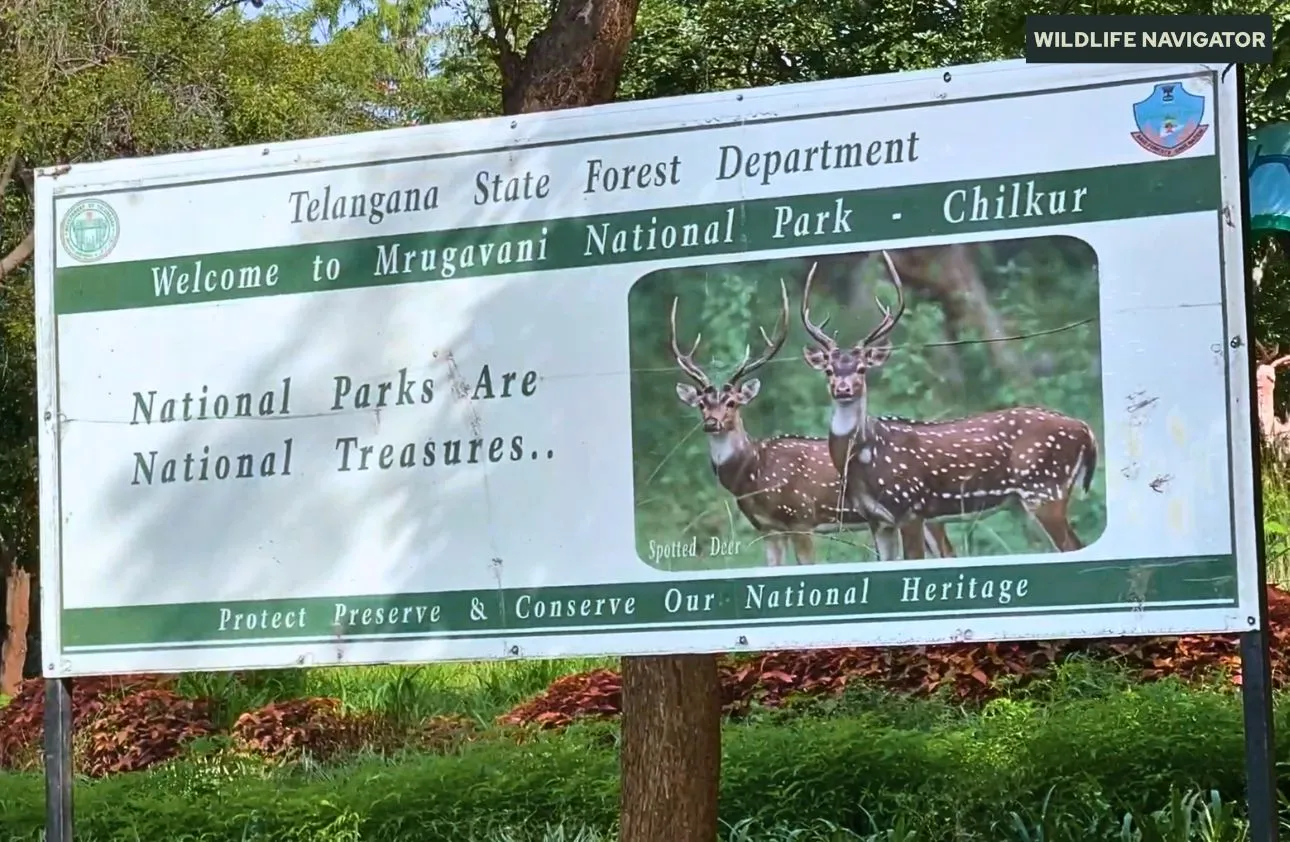
Mrugavani National Park, located just 25 kilometres from the bustling city of Hyderabad in Telangana, offers a rare escape into nature without having to travel far. Spanning over 3.6 square kilometres, this park is an urban wildlife oasis, showcasing the richness of the Deccan plateau’s flora and fauna. Despite its proximity to one of India’s largest cities, Mrugavani manages to maintain a serene and undisturbed environment, making it a favourite spot for nature lovers, photographers, and wildlife enthusiasts.
What sets Mrugavani apart is its unique combination of accessibility and biodiversity. Visitors can walk amidst dense forests, spot wild animals such as spotted deer, blackbucks, and peacocks, or listen to the melodious calls of various resident and migratory birds. The park also provides an excellent opportunity to observe how wildlife coexists near urban spaces, highlighting the importance of green spaces even in heavily developed regions.
Beyond wildlife, the park is a haven for those who simply want to reconnect with nature. Its well-laid trails, peaceful streams, and scenic viewpoints create a perfect environment for morning walks, photography sessions, and eco-tourism experiences. Whether you are a student, a wildlife photographer, or a family looking for a weekend getaway, Mrugavani National Park offers a refreshing blend of adventure, education, and natural beauty.
History and Background
Mrugavani National Park was officially established in 1994 with the aim of protecting the unique dry deciduous forests and wildlife of the Hyderabad region. Covering approximately 3.6 square kilometres, it was created to serve as a conservation area and a green lung for the city, providing both ecological benefits and a space for public education and recreation.
Purpose and Conservation Goals
The park was primarily developed to conserve local wildlife species, including spotted deer, blackbucks, jackals, and a variety of bird species. It also plays a vital role in preserving plant biodiversity, with indigenous tree species such as teak, bamboo, and tamarind thriving within its boundaries. By maintaining a protected area close to an urban centre, the park helps to reduce human-wildlife conflicts while promoting environmental awareness among city dwellers.
Evolution and Developments Over the Years
Since its inception, Mrugavani National Park has seen several improvements to enhance visitor experiences without compromising conservation goals. Walking trails, watchtowers, and designated picnic areas were introduced to encourage eco-friendly tourism. Educational programs, guided tours, and wildlife awareness workshops have also been organised to engage schools, colleges, and wildlife enthusiasts.
Significance Today
Today, Mrugavani National Park is not just a small wildlife reserve; it has become a model for urban biodiversity conservation. It demonstrates how a well-managed green space near a metropolitan area can support both wildlife and community engagement. The park is a reminder of the importance of balancing urban development with nature preservation, offering a peaceful retreat while promoting sustainable tourism practices.
Flora and Fauna
Flora at Mrugavani National Park
Mrugavani National Park is home to a rich variety of plant life that thrives in its dry deciduous forests. The park’s greenery provides shelter and food for numerous species, making it a perfect ecosystem for biodiversity.
Notable Tree Species:
- Teak (Tectona grandis) – valued for its timber and shade.
- Bamboo – forms dense groves, essential for wildlife cover.
- Tamarind (Tamarindus indica) – provides fruit for animals.
- Indian Rosewood (Dalbergia latifolia)
- Pongamia (Pongamia pinnata) – known for nitrogen-fixing abilities.
Shrubs and Grasses:
- Lantana camara – invasive but widely spread.
- Sacred Basil (Ocimum sanctum) – medicinal and aromatic.
- Various native grasses provide grazing grounds for herbivores.
The park also features seasonal flowering plants that bloom during the monsoon, adding vibrant colours to the landscape and attracting pollinators like bees and butterflies.
Fauna at Mrugavani National Park
The park supports a variety of mammals, birds, and reptiles, making it an ideal destination for wildlife enthusiasts.
Mammals:
- Spotted Deer – commonly seen grazing in open areas.
- Blackbuck – often found in grassland patches.
- Jackal – usually active in early mornings and evenings.
- Indian Hare – quick and often spotted near trails.
- Porcupine – nocturnal and shy.
Birds:
- Indian Peafowl (Peacock) – the park’s iconic resident.
- Parakeets and Parrots – colourful and active in the canopy.
- Drongos – agile insect hunters.
- Egrets and Herons – often near water bodies.
- Migratory Birds – including flycatchers and wagtails during winter.
Reptiles and Amphibians:
- Common Rat Snake – non-venomous and frequently seen.
- Monitor Lizard – inhabits forested and open areas.
- Garden Lizards – small, quick, and abundant.
- Frogs and Toads – especially after monsoon rains.
Endangered and Rare Species
Though the park is relatively small, it provides refuge to some locally threatened species, especially birds and small mammals. Conservation efforts ensure these species can thrive close to urban Hyderabad, creating an important ecological balance.
How to Reach Mrugavani National Park
Where is Mrugavani National Park?
Mrugavani National Park is located in Hyderabad, Telangana, approximately 25 kilometres from the city centre. Situated near the Hyderabad Outer Ring Road, it is easily accessible from major residential and commercial areas. The park lies in the Ranga Reddy district, surrounded by a mix of urban settlements and agricultural land, making it a convenient escape for city dwellers seeking a taste of nature.
Nearest Airport and Railway Stations
- Rajiv Gandhi International Airport (Hyderabad): Approximately 40 km from the park.
- Secunderabad Railway Station: Roughly 30 km away.
Both hubs provide easy access for out-of-town visitors and tourists planning a short trip to the park.
By Road
The park is well-connected by road. Visitors can reach Mrugavani via private car, taxi, or ride-sharing services. The nearest major highway, NH65, links Hyderabad with nearby towns and makes the park accessible from surrounding regions. Ample parking is available near the entrance, making it convenient for families and groups.
By Public Transport
For travellers relying on public transport, buses from various parts of Hyderabad regularly pass near the park. Local buses and shared auto-rickshaws can drop visitors close to the main entrance. It’s recommended to check timings in advance, especially during weekdays, as services may be less frequent.
Best Access Routes
- From Hyderabad city, take the Outer Ring Road and follow signs toward Kokapet or Gandipet, then proceed via the park’s main access road.
- GPS navigation and ride-sharing apps can provide the most convenient routes, avoiding traffic-heavy areas in Hyderabad.
Best Time to Visit
Mrugavani National Park can be visited throughout the year, but certain seasons offer better experiences depending on what visitors wish to see. The park experiences a tropical climate with distinct summer, monsoon, and winter seasons, each bringing unique aspects of flora and fauna.
Winter (October to February)
Winter is considered the best time to visit the park. With temperatures ranging between 15°C to 28°C, the weather is pleasant for trekking, wildlife spotting, and photography. During this time, animals are more active during the day, and migratory birds often visit, offering birdwatchers excellent opportunities.
Monsoon (June to September)
The monsoon season transforms the park into a lush green paradise. Heavy rainfall rejuvenates streams, waterfalls, and plant life, creating picturesque scenery. While trekking can be slippery, this season is ideal for nature photographers who want to capture the vibrant greenery and blooming flora. Wildlife sightings may be less frequent as animals seek shelter from rain.
Summer (March to May)
Summers in Mrugavani can get hot, with temperatures reaching up to 40°C, making daytime visits less comfortable. Early mornings or late afternoons are ideal for exploring during this season. Summer is also the breeding season for some species, so keen wildlife enthusiasts might spot unique animal behaviour.
Tips for Seasonal Visits
- Carry light cotton clothes in summer and rain gear in monsoon.
- Binoculars and cameras are useful year-round for bird and wildlife watching.
- Check park timings and any seasonal closures before visiting.
Activities and Attractions
Wildlife Safari and Trekking Trails
Mrugavani National Park offers several walking trails and guided safari routes that allow visitors to explore its rich flora and fauna. These trails vary in length and difficulty, catering to both casual walkers and avid trekkers. Early morning or late afternoon walks are ideal for spotting wildlife such as spotted deer, blackbucks, and peacocks, as animals are more active during these cooler hours.
Birdwatching Paradise
The park is a birdwatcher’s haven, home to both resident and migratory species. Visitors can spot vibrant parakeets, drongos, egrets, and wagtails, especially during the winter months when migratory birds arrive. A pair of binoculars and a field guide can make the experience more rewarding.
Nature Photography Opportunities
With its dense forests, open grasslands, and scenic water bodies, Mrugavani is ideal for nature photography. Wildlife photographers can capture mammals in their natural habitat, while macro photography enthusiasts will enjoy the variety of flowers, butterflies, and insects. The monsoon season provides particularly lush, green backdrops for stunning photographs.
Picnic and Recreation Areas
For families and casual visitors, the park has designated picnic spots and open areas where one can relax and enjoy the natural surroundings. These spots are perfect for small gatherings, birdwatching sessions, or simply soaking in the tranquillity of the forest.
Educational and Eco-tourism Programs
The park occasionally organises guided tours, wildlife awareness programs, and eco-education workshops. These initiatives aim to teach visitors about conservation, sustainable tourism, and the importance of protecting local ecosystems. Students, researchers, and nature enthusiasts benefit greatly from these programs.
Visitor Guidelines, Tips & Conservation
Rules and Regulations
To ensure the safety of both visitors and wildlife, Mrugavani National Park has specific rules that must be followed:
- Entry timings: Typically open from 9:00 AM to 5:00 PM (Monday Closed), though timings may vary seasonally.
- Entry Fee:
- ADULT ENTRY: RS – 40 / – PER HEAD
- CHILDREN ENTRY: RS – 20/ – PER HEAD
- SAFARI ENTRY: RS – 70/- PER HEAD
- SAFARI: MINIMUM RS – 700/ – (BUS) UP TO 10 PEOPLE
- OPEN SAFARI: RS – 800/- Per Family (UPTO 9 PEOPLE)
- CAMERA TICKET: RS – 250/- Per Camera (ALLOWED IN VISITORS ZONE ONLY)
- Do’s and Don’ts:
- Do not litter; use designated bins.
- Avoid loud noises to prevent disturbing wildlife.
- Stay on marked trails; venturing off-path can be dangerous.
- Pets are not allowed inside the park.
- Safety Precautions: Carry drinking water, wear comfortable shoes, and be mindful of snakes or insects.
Check the official park website or ticket counters for updated rates.
Visitor Tips
To make the most of your visit to Mrugavani National Park:
- Timing: Early morning or late afternoon is best for wildlife sightings.
- Clothing & Gear: Light, breathable clothing in summer; rain gear during monsoon. Binoculars and cameras are essential for wildlife observation.
- Family and Solo Visits: Families can enjoy short treks and picnic areas, while solo travellers or wildlife photographers may focus on longer trails and birdwatching spots.
- Respect Wildlife: Observe animals from a distance and avoid feeding them.
Conservation Efforts & Community Involvement
Mrugavani National Park plays a vital role in urban biodiversity conservation:
- Habitat Protection: Continuous efforts are made to preserve forests, grasslands, and water bodies.
- Wildlife Monitoring: Park authorities track animal populations and implement measures to protect endangered species.
- Community Engagement: Local communities participate in eco-tourism initiatives, educational programs, and volunteer activities, fostering a sense of stewardship.
- Visitor Responsibility: Guests contribute to conservation by adhering to rules, minimizing waste, and supporting eco-friendly initiatives within the park.
Accommodation Nearby
Luxury Stays Near Mrugavani National Park
- Mrugavani Resort & Spa: Situated opposite the Mrugavani National Park, this luxury eco‑retreat offers elegantly designed rooms, private cottages (some with pools), a spa, and fine dining.
- Aranya Resort by Mrugavani: Located near Shamirpet, this resort blends nature and upscale comfort with villas, lake views, modern amenities and luxurious cottages.
- Other luxury‑hotel alternatives: If you’d like 5‑star hotel comfort slightly further afield, you might consider properties like ITC Kohenur, A Luxury Collection Hotel, Hyderabad or Sheraton Hyderabad Hotel, which are within accessible distance from the park.
Resorts and Lodges Near the Park
For visitors looking for comfort close to nature, several resorts and lodges are located within a short drive of Mrugavani National Park:
- Green Valley Resort – Offers well-furnished rooms, a restaurant, and guided nature walks. Ideal for families and small groups.
- Eco Stay Hyderabad – Focuses on eco-friendly living, with sustainable practices and minimal environmental impact. Perfect for wildlife enthusiasts and photographers.
- Forest Edge Lodge – Nestled on the outskirts of the park, it provides scenic views, bonfire facilities, and early morning wildlife safaris.
Budget-Friendly Stays
For travellers on a budget, there are several guesthouses and homestays in the nearby villages:
- Comfortable rooms with basic amenities.
- Local hosts often provide traditional Telangana cuisine.
- Short commute (15–30 minutes) to the park entrance.
Tips for Choosing Accommodation
- Proximity: Staying closer to the park allows early morning or late evening visits, the best times for wildlife spotting.
- Facilities: Check for Wi-Fi, meals, and guided tour options if needed.
- Eco-conscious Choices: Opt for eco-lodges or homestays that follow sustainable practices to support conservation efforts.
Planning Your Stay
- Advance booking is recommended during peak seasons (winter and monsoon).
- Many resorts and lodges can arrange park entry tickets and guided tours, making the visit hassle-free.
- Staying nearby also allows visitors to enjoy sunrise treks, birdwatching, and photography sessions without long commutes.
Conclusion
Mrugavani National Park is a unique blend of urban accessibility and rich biodiversity, offering visitors a chance to experience nature without venturing far from Hyderabad. From spotting spotted deer and blackbucks to observing vibrant resident and migratory birds, the park provides countless opportunities for wildlife enthusiasts, photographers, and families alike. Its dense forests, scenic trails, and well-maintained picnic areas make it a perfect destination for both adventure and relaxation.
More than just a park, Mrugavani serves as an example of successful urban conservation. By following visitor guidelines, respecting wildlife, and supporting eco-friendly initiatives, tourists can actively contribute to preserving this green oasis for future generations.