Mount Cook National Park – South Island, New Zealand

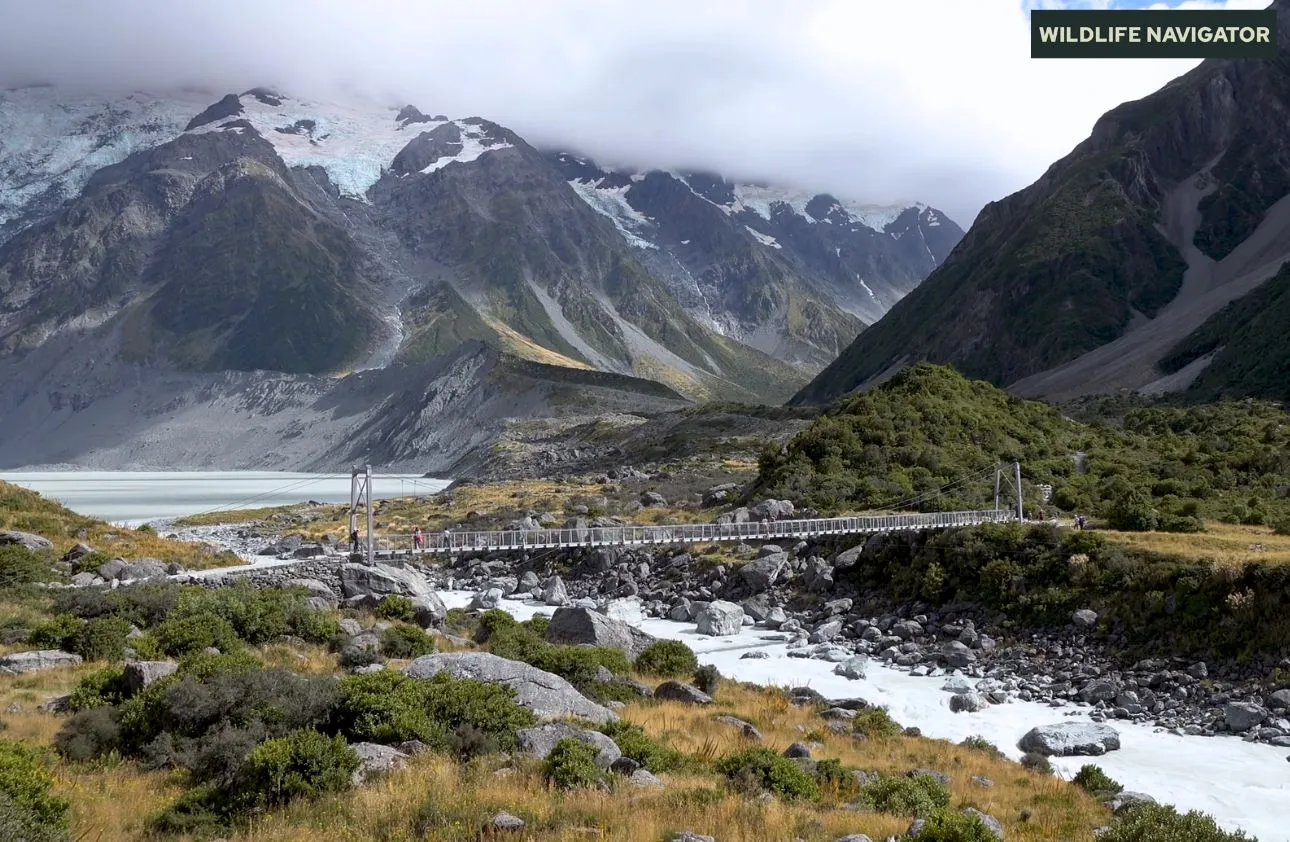
Aoraki/Mount Cook National Park is one of New Zealand’s most breathtaking alpine sanctuaries—a land where towering peaks, glittering glaciers, turquoise lakes, and vast open valleys come together to form a landscape of pure wilderness. Located in the heart of the Southern Alps on the South Island, the park is home to Aoraki/Mount Cook, New Zealand’s highest mountain, rising an impressive 3,724 metres above sea level.
As part of the internationally recognised Te Wāhipounamu – South West New Zealand World Heritage Area, Aoraki/Mount Cook stands among the most iconic destinations within the wider network of National Parks in New Zealand, attracting adventurers, photographers, and nature lovers from around the world. Its dramatic scenery has been sculpted over millions of years by powerful geological forces—immense glaciers, deep moraine valleys, and relentless alpine weather patterns.
Whether you’re trekking through the iconic Hooker Valley, watching the sunrise light up snow-capped peaks, or simply soaking in the silence of an untouched mountain landscape, Mount Cook National Park offers an experience that feels both humbling and unforgettable. This is a place where nature shows its true scale—and visitors are reminded of their place within it.
History & Cultural Significance
Aoraki/Mount Cook National Park carries deep cultural, spiritual, and historical meaning, shaped long before it became one of New Zealand’s most celebrated alpine destinations. For Māori, especially the iwi Ngāi Tahu, Aoraki is not just a mountain—it is an ancestor. According to tradition, Aoraki and his brothers were transformed into the snow-covered peaks of the Southern Alps after their canoe overturned, giving the landscape both its form and its enduring whakapapa (genealogy). This story remains central to the park’s identity and is honoured in its official dual name: Aoraki/Mount Cook.
European exploration began in the 19th century, marked by growing interest in the region’s dramatic peaks and challenging terrain. The park soon became a hub for mountaineering, with climbers drawn to its steep faces, unpredictable weather, and untouched beauty. One of the most famous figures associated with the area is Sir Edmund Hillary, who honed his climbing skills on Aoraki/Mount Cook before undertaking his historic ascent of Mount Everest. His legacy is still felt strongly in the region today.
Established as a national park in 1953, Aoraki/Mount Cook later became part of the Te Wāhipounamu – South West New Zealand World Heritage Area, recognised globally for its outstanding geological and natural significance. The park continues to be a place where cultural heritage, adventure history, and natural wonder come together—offering visitors a deeper connection to both the land and its stories.
Landscape & Geography
Aoraki/Mount Cook National Park showcases some of the most dramatic and awe-inspiring alpine scenery in the Southern Hemisphere. Dominated by the mighty Southern Alps, the park is home to New Zealand’s highest peak—Aoraki/Mount Cook, rising 3,724 metres above sea level. Its sheer cliffs, snow-covered ridges, and gleaming icefields form the heart of a rugged mountain environment shaped by millions of years of tectonic uplift and glacial erosion.
One of the park’s defining features is the Tasman Glacier, the longest glacier in New Zealand, stretching over 23 kilometres. This colossal river of ice carves through the landscape, feeding meltwater into the milky-blue Tasman Lake. The nearby Hooker Glacier, Mueller Glacier, and Murchison Glacier contribute to an impressive network of alpine ice that continues to sculpt the terrain.
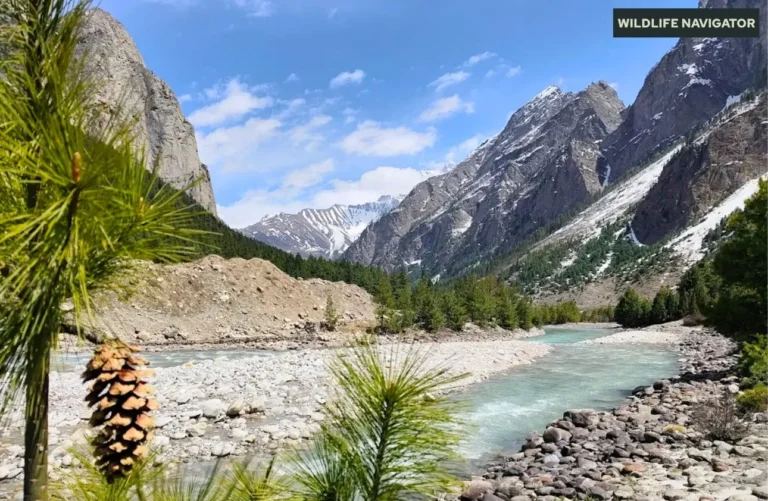
The valleys surrounding these glaciers—such as the Hooker Valley and Tasman Valley—are lined with moraine fields, braided rivers, and sweeping grasslands. Glacial lakes like Lake Pukaki, with its striking turquoise hue, add vibrant colour to the otherwise stark alpine palette.
Weather in the park is famously unpredictable. Strong winds, sudden storms, and heavy snowfall can transform the landscape quickly, creating a dynamic environment where nature constantly reshapes the land. This dramatic combination of towering peaks, shimmering glaciers, and harsh alpine climate makes Mount Cook National Park a geological masterpiece—and one of the most visually stunning regions within National Parks in New Zealand.
Flora & Fauna
Despite its harsh alpine conditions, Aoraki/Mount Cook National Park supports a surprising diversity of plants and animals uniquely adapted to high-altitude environments. From delicate alpine flowers to rare mountain birds, the park protects species found nowhere else in the world.
Flora of the Park
- Mount Cook Buttercup (Ranunculus lyallii) – The world’s largest buttercup, known for its glossy white petals and large round leaves; an icon of New Zealand’s alpine flora.
- Snow Tussock – Hardy grasses forming golden clumps across alpine slopes, vital for stabilising fragile mountain soils.
- Spaniard (Speargrass) – A spiky, rosette-forming plant adapted to withstand strong winds and cold; easily recognised by its sharp leaves.
- Mountain Daisy (Celmisia species) – Silvery-leaved daisies that blanket alpine meadows during summer, adding brightness to rocky terrain.
- Alpine Hebes – Compact shrubs with tiny leaves and purple or white flowers, thriving in exposed, windswept areas.
Fauna of the Park
- Kea – The world’s only alpine parrot; intelligent, playful, and known for its curiosity around hikers and vehicles.
- Rock Wren (Pīwauwau) – A small, endangered alpine bird that hops among boulders rather than flying; found only in high mountain zones.
- New Zealand Falcon (Kārearea) – A fast, powerful bird of prey often seen soaring above valleys and hunting smaller birds.
- Southern Alps Gecko – A cold-tolerant lizard adapted to rocky slopes and scree; active even in cool mountain temperatures.
- Alpine Wētā – Large, hardy insects capable of surviving freezing temperatures by producing natural antifreeze.
Birds
- Black-fronted Tern (Tarapiroe) – A graceful, endangered riverbed tern that nests along braided rivers; easily recognised by its black cap and sharp flight patterns.
- Paradise Shelduck (Pūtangitangi) – A striking, vocal duck with contrasting male–female colours; often seen grazing in open grasslands.
- Great Crested Grebe (Kamana) – An elegant diving bird found on nearby alpine lakes; known for its spectacular courtship display.
- Pied Oystercatcher (Tōrea) – Black-and-white shorebird with a vivid orange bill; commonly spotted along glacial lake shores and riverbeds.
- Welcome Swallow – A fast, agile flyer often seen skimming over water catching insects; easily recognised by its forked tail.
Reptiles & Amphibians
- McCann’s Skink – A small, fast-moving skink commonly found in rocky, sunny areas around the park’s lower elevations.
- Common Skink – Another hardy species adapted to alpine foothills; often seen basking on rocks.
- Southern Alpine Rock Wētā (Hemideina maori) – An insect rather than a reptile, but behaves similarly in the ecosystem; survives extreme cold and high altitude.
Invertebrates (Important for Alpine Biodiversity)
- Mountain Stonefly – A cold-adapted insect found in icy streams, playing a vital role in alpine freshwater ecosystems.
- Grasshoppers (Alpine Species) – Unique to the Southern Alps, often brightly coloured and thriving in sunny, rocky habitats.
- Alpine Copper Butterfly – A small but vibrant butterfly species that flutters around tussock and herb fields during summer.
- Glacial Midges – Tiny insects adapted to freezing environments; an essential food source for birds and reptiles.
Aquatic Life
- Brown Trout – Introduced but now well-established in alpine rivers and lakes; popular with anglers in surrounding areas.
- Longfin Eel (Tuna) – Native eel species occasionally found in lower-altitude waterways connected to the park’s river systems.
Best Things to Do
Aoraki/Mount Cook National Park is a paradise for hikers, photographers, wildlife enthusiasts, and adventure seekers. Whether you prefer easy scenic walks or high-adrenaline alpine activities, the park offers a variety of unforgettable experiences.
Hiking & Walking Tracks
- Hooker Valley Track
One of New Zealand’s most iconic day walks, featuring swing bridges, boardwalks, alpine streams, and spectacular views of Aoraki/Mount Cook and Hooker Lake. - Tasman Glacier View Track
A short, steep walk leading to a panoramic lookout over Tasman Lake, its floating icebergs, and the sprawling Tasman Glacier. - Kea Point Track
A gentle trail from Mount Cook Village offering excellent views of Mount Sefton, the Mueller Glacier, and the surrounding peaks. - Mueller Hut Route
A challenging alpine hike that rewards experienced hikers with sweeping views of Aoraki/Mount Cook, glacial valleys, and dramatic ridgelines. - Red Tarns Track
A steep climb that leads to a peaceful tarn reflecting the surrounding peaks, especially stunning at sunrise or sunset.
Adventure Activities
- Glacier Heli-Hiking
Combine a helicopter flight with a guided walk on glacial terrain—perfect for exploring ice caves, crevasses, and blue ice formations. - Scenic Flights
Experience the region from above with aerial views of Aoraki/Mount Cook, the Tasman Glacier, and the Southern Alps. - Mountaineering
The park is a world-class destination for climbers, offering routes ranging from technical ascents to guided climbs for beginners. - Skiing on the Tasman Glacier
A unique alpine skiing experience available in winter and early spring, featuring long, gentle runs across pristine glacial snowfields. - Kayaking on Tasman Lake
Paddle among icebergs and dramatic glacier views—an unforgettable way to experience the scale of the landscape.
Stargazing
- Aoraki Mackenzie International Dark Sky Reserve
With minimal light pollution and clear alpine air, the region offers some of the best stargazing on the planet. Visitors can enjoy guided tours or simply lie back and admire the Milky Way, southern constellations, and shooting stars.
Photography Highlights
Aoraki/Mount Cook National Park is a dream destination for photographers, offering dramatic landscapes, luminous skies, and ever-changing alpine light. Whether you’re capturing sweeping mountain vistas or intricate details of ice and flora, the park delivers endless inspiration.
Aoraki/Mount Cook at Sunrise & Sunset
- Soft golden and pink hues illuminate the snow-capped peak during dawn and dusk.
- Best spots: Hooker Valley, Kea Point, Lake Pukaki lookout.
Lake Pukaki’s Turquoise Waters
- The glacier-fed waters glow vivid blue, creating powerful contrast against the Southern Alps.
- Ideal for wide-angle shots and reflections on calm days.
Hooker Lake & Icebergs
- Floating icebergs, milky glacial water, and dramatic peaks offer striking compositions.
- Long exposure photography works beautifully here.
Tasman Glacier & Blue Ice
- The glacier’s fractures, cave formations, and deep blue tones make it a favourite for close-up and abstract photography.
- Heli-hiking tours provide exclusive access.
Alpine Flora Close-Ups
- Mount Cook buttercups, alpine daisies, and tussock create stunning macro opportunities during summer.
- High colour contrast against rocky terrain enhances detail.
Wildlife Encounters
- Kea, rock wren, and falcons make excellent wildlife subjects.
- Use longer lenses to capture behaviour without disturbing animals.
Night Sky & Milky Way
- As part of the Aoraki Mackenzie International Dark Sky Reserve, the region offers exceptional astrophotography.
- Capture the Milky Way arching over peaks, star trails above Aoraki, or long exposures reflecting stars in glacial lakes.
Weather Drama
- Fast-changing mountain weather brings moody clouds, mist, snow flurries, and storm light.
- Great for dramatic black-and-white photography.
Visitor Information
Aoraki/Mount Cook National Park is remote yet accessible, offering facilities for visitors while maintaining its wild alpine character. Proper planning ensures a safe and enjoyable experience in this high-mountain environment.
How to Reach: Access & Getting There
Aoraki/Mount Cook National Park is accessible by road and air, making it convenient for both domestic and international visitors. The journey itself offers breathtaking views of New Zealand’s Southern Alps.
By Air
- Christchurch International Airport (CHC): The nearest major international airport, about 330 km (~4.5 hours) from Mount Cook Village. Most international flights arrive here, and car rentals or shuttle services are available.
- Queenstown Airport (ZQN): Approximately 260 km (~3.5–4 hours) away. Ideal for visitors combining Mount Cook with Queenstown adventures.
- Regional Flights: Some small charter flights and scenic flights operate directly to Mount Cook or nearby airstrips, providing a quick and scenic approach.
By Road
- From Christchurch: Drive along State Highway 1 and State Highway 80 via the Canterbury Plains and Lake Pukaki.
- From Queenstown: Travel via Lindis Pass and Lake Tekapo for stunning alpine vistas.
- From Lake Tekapo: Around 105 km (~1.5 hours) via State Highway 8 and 80.
Public Transport & Shuttles
- Seasonal bus services connect Christchurch, Queenstown, and Tekapo to Mount Cook Village.
- Private shuttle services offer more flexibility, especially for hikers and guided tours.
Tips for Drivers
- Alpine roads can be narrow, winding, and affected by sudden weather changes.
- Fuel, food, and accommodation options are limited en route, so plan stops carefully.
Best Time to Visit
- Summer (December–February): Ideal for hiking, climbing, and wildlife spotting. Snow-free tracks and long daylight hours make exploration easier.
- Autumn (March–May): Cooler temperatures, fewer tourists, and clear crisp skies offer perfect photography conditions.
- Winter (June–August): Snow-covered peaks attract ski-tourers and photographers; some trails may be closed due to snow and ice.
- Spring (September–November): Alpine flowers bloom, and wildlife activity increases, making it a great season for nature enthusiasts.
Accommodation Options
- Mount Cook Village: Central hub for visitors, offering:
- Hotels: Luxury and mid-range options with stunning alpine views.
- Lodges & Motels: Cosy stays for families and hikers.
- Campgrounds: DOC-managed sites with basic facilities.
- Nearby Towns:
- Twizel (~65 km away): Budget-friendly options and easy access to the park.
- Lake Tekapo (~105 km away): Boutique hotels and lakeside accommodations, ideal for combining lake and alpine visits.
Park Facilities
- DOC Visitor Centre: Provides maps, track updates, weather advisories, and local guidance.
- Huts & Shelters: Located along longer hiking tracks; some require booking through the DOC website.
- Car Parks & Picnic Areas: Available at trailheads and scenic viewpoints.
- Toilets & Drinking Water: Limited at certain locations; always check the DOC website for updates.
Guidelines for Visitors
- Safety First: Weather can change rapidly. Carry warm clothing, proper footwear, and emergency supplies.
- Leave No Trace: Preserve the fragile alpine ecosystem by following marked trails, packing out rubbish, and avoiding disturbing wildlife.
- Guided Activities: Recommended for glacier hikes, heli-tours, and climbing; enhances safety and provides expert insights.
- Permits & Fees: No park entry fee, but some huts, guided activities, and heli-access require bookings and payment.
Tips for Travellers
Visiting Aoraki/Mount Cook National Park can be an unforgettable experience if you plan ahead and respect the alpine environment.
- Check Weather Conditions: Alpine weather is unpredictable—always check forecasts before heading out and be prepared for sudden changes.
- Dress in Layers: Temperatures can drop quickly; waterproof and windproof clothing is essential.
- Pack Essentials: Include water, snacks, sunscreen, a hat, and a first-aid kit for hikes.
- Stay on Marked Trails: Protect fragile vegetation and avoid accidents by sticking to designated paths.
- Wildlife Watching: Observe kea, rock wren, and other animals from a distance; do not feed or disturb them.
- Hut & Accommodation Booking: Popular trails and huts fill up quickly, especially in summer—book early.
- Photography Tips: Sunrise and sunset offer the best lighting; bring a tripod for night sky shots.
- Leave No Trace: Carry out all waste and respect the pristine alpine environment.
Following these simple tips ensures a safe, enjoyable, and responsible visit to one of the most iconic National Park in New Zealand.
Conclusion
Aoraki/Mount Cook National Park is a place where New Zealand’s alpine majesty is on full display. Towering peaks, shimmering glaciers, turquoise lakes, and rare wildlife combine to create a landscape that feels both powerful and serene. As part of the network of National Parks in New Zealand, it offers visitors a chance to experience raw wilderness, engage in adventure, and connect with the land’s cultural heritage.
Whether hiking through the Hooker Valley, photographing the Milky Way above snow-capped peaks, or simply soaking in the quiet beauty of the mountains, every moment in Mount Cook National Park leaves a lasting impression. For travellers seeking awe-inspiring scenery, wildlife encounters, and a true sense of adventure, this park is an unforgettable destination that showcases the very best of New Zealand’s natural heritage.