Mount Aspiring National Park – West Coast, New Zealand

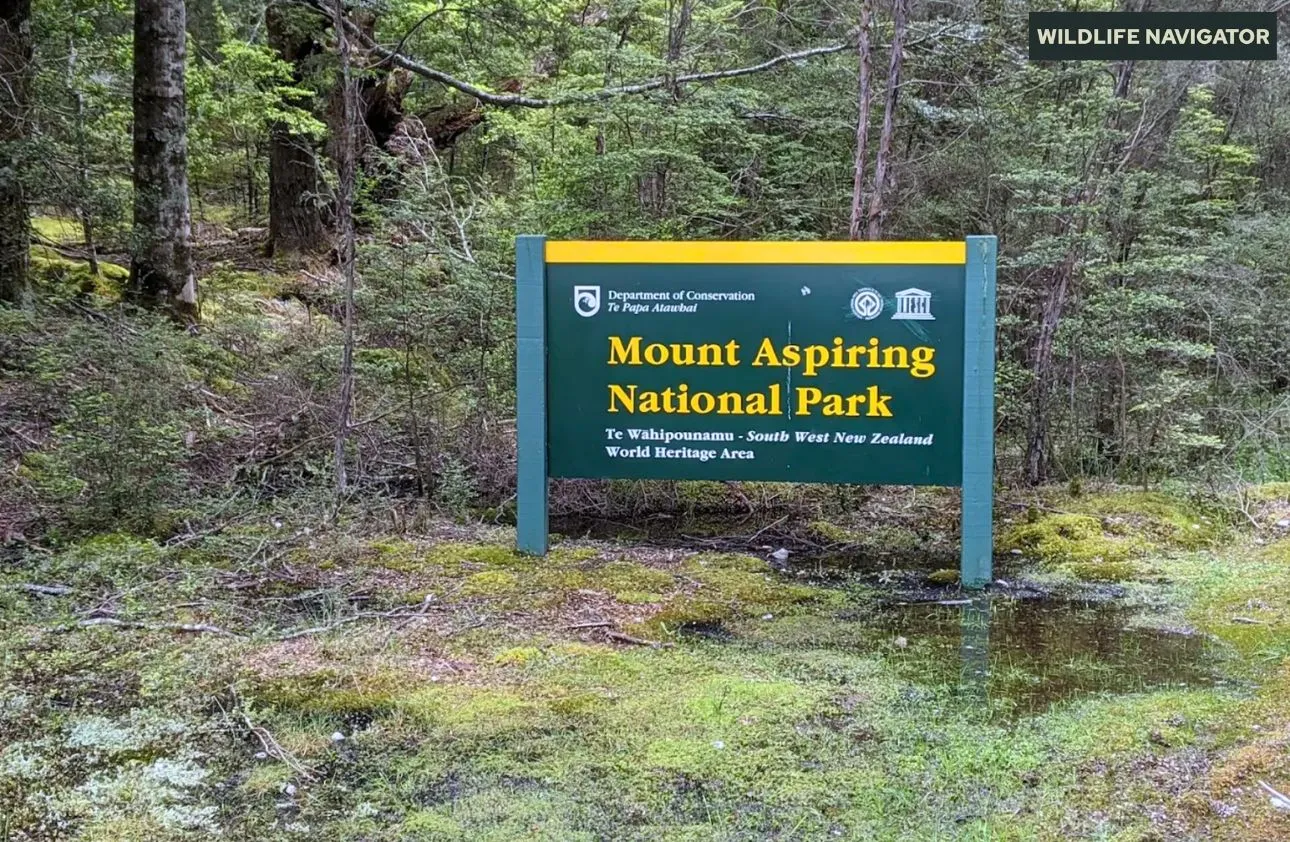
Mount Aspiring National Park is one of New Zealand’s most spectacular alpine wilderness regions—an immense sweep of ice-carved valleys, towering peaks, pristine rivers, and ancient beech forests set deep within the Southern Alps. As one of the most iconic destinations among the National Parks in New Zealand, it showcases the country’s finest blend of rugged adventure and untouched natural beauty.
Located in the South Island’s Otago and West Coast regions, the park forms a major part of the Te Wāhipounamu – South West New Zealand World Heritage Area, celebrated globally for its outstanding natural beauty and ecological significance.
At its heart stands Mount Aspiring/Tititea, the park’s namesake and one of New Zealand’s most recognisable mountains, often compared to the Matterhorn for its elegant pyramidal shape. Around it unfolds a landscape sculpted by millions of years of glaciation—hanging glaciers, sweeping snowfields, sheer rock faces, and deep river valleys that create some of the most dramatic scenery in the entire country.
Whether you come for its legendary trekking routes, remote alpine passes, photogenic waterfalls, or simply its sense of raw, untamed wilderness, Mount Aspiring National Park delivers an experience that feels both powerful and deeply serene. It is a place where adventure meets solitude, where every valley reveals a new geological story, and where New Zealand’s alpine beauty is on full display.
History & Significance
Mount Aspiring National Park holds a deep cultural, geological, and mountaineering legacy. For centuries, the region served as an important Māori walking and trading route, especially for those travelling between the Otago and West Coast regions in search of pounamu (greenstone). These routes followed major valleys such as the Haast, Makarora, and Dart, forming pathways that are still used as modern tramping tracks today.
European explorers arrived in the mid-1800s, mapping remote valleys and admiring the towering peak of Mount Aspiring / Tititea, often called the “Matterhorn of the South” for its elegant pyramid shape. The first successful ascent in 1909 marked a milestone in New Zealand mountaineering history, drawing climbers from around the world.
In 1964, Mount Aspiring was officially declared a national park to protect its untouched alpine terrain, vast glaciers, iconic valleys, and unique wildlife. Later, it became part of the Te Wāhipounamu – South West New Zealand UNESCO World Heritage Area, recognised for its outstanding natural beauty, geological importance, and thriving ecosystems.
Today, the park stands as one of New Zealand’s purest wilderness landscapes—an enduring symbol of adventure, cultural heritage, and high alpine splendour.
Wildlife of Mount Aspiring National Park
Mount Aspiring National Park shelters a remarkable collection of alpine and forest species, many of which are rare, endangered, or found only in New Zealand. The isolation of these Southern Alps valleys has allowed ecosystems to evolve in unique ways, creating a haven for biodiversity.
Birdlife
- Kea – The world’s only alpine parrot, known for its intelligence and curious nature.
- Whio (Blue Duck) – An endangered river specialist found in fast-flowing streams.
- Rock Wren (Pīwauwau) – A tiny alpine bird living above the treeline, extremely rare.
- Rifleman (Tītitipounamu) – New Zealand’s smallest bird, flitting in beech forests.
- Morepork (Ruru) and New Zealand Falcon (Kārearea) – Important native predators.
Native and Introduced Mammals
- Long-tailed and short-tailed bats – New Zealand’s only native land mammals, rarely seen.
- Introduced species – Deer, chamois, and tahr inhabit alpine slopes and valleys; controlled to protect vegetation.
Aquatic & River Life
- Native galaxias, freshwater invertebrates, and pristine stream ecosystems.
- Trout were introduced for anglers in certain rivers.
- Rivers like the Dart, Matukituki, and Makarora create habitat mosaics essential for native species.
Alpine Flora & Forest Vegetation
- Beech forests, tussock meadows, alpine buttercups, mountain daisies, and lichens covering high crests.
- A vibrant seasonal change—from snow-covered winters to wildflower summers.
Popular Attractions & Highlights
Mount Aspiring National Park is packed with dramatic viewpoints, glacier-fed rivers, and world-famous hiking spots. These are the park’s must-visit attractions that showcase its wild alpine beauty.
Rob Roy Glacier Track
One of the most iconic day hikes in New Zealand, the Rob Roy Glacier Track takes you deep into the Matukituki Valley before rising into a stunning alpine amphitheatre. From the final viewpoint, you can watch active icefalls, cascading waterfalls, and the hanging glacier perched high above the cliffs. It’s accessible, rewarding, and perfect for anyone seeking classic Southern Alps scenery without committing to a multi-day trek.
Blue Pools
Located near Makarora, the Blue Pools are famous for their clear, deep-turquoise glacial water. A short walk through beech forest leads to swing bridges overlooking pools so transparent you can see trout hovering in the depths. It’s a popular photo stop and a refreshing spot where some brave visitors take a plunge into the icy water.
Haast Pass Waterfalls
The drive through Haast Pass features some of the region’s most photogenic waterfalls.
- Thunder Creek Falls – a 28-metre straight plunge into a blue river.
- Roaring Billy Falls – accessed via a mossy forest walk to a wide river viewpoint.
- Fantail Falls – known for its fan-shaped cascade over smooth rocks.
These waterfalls are easy roadside stops, making them perfect for families and photography lovers.
Matukituki Valley
A vast, breathtaking glacial valley surrounded by sheer rock faces, braided rivers, and snow-fed waterfalls. The Matukituki Valley is the gateway to many top hikes such as Rob Roy Glacier, Aspiring Hut, and the Cascade Saddle Route. Its open, grassy meadows and alpine light make it a dream location for landscape photography and an essential stop for anyone exploring the park from Wanaka.
Mount Aspiring / Tititea Viewpoints
The pyramid-shaped Mount Aspiring is one of New Zealand’s most beautiful peaks, often called the “Matterhorn of the South.” You can capture impressive angles from:
- Matukituki Valley – classic side profiles.
- Cascade Saddle – full panoramas with glaciers.
- Scenic flights – aerial views of ice fields and ridgelines.
Whether from the valley floor or high alpine routes, these viewpoints highlight the raw, sculpted beauty of the Southern Alps.
Best Things to Do
Day Hikes
Mount Aspiring National Park offers some of the most rewarding day hikes in the Southern Alps, blending glacier views, deep valleys, and serene beech forests. The Rob Roy Glacier Track is the park’s signature half-day hike, leading through lush forest to a breathtaking amphitheatre of ice cliffs and cascading waterfalls. For something gentler, the Blue Pools Track near Makarora is ideal—an easy walk to crystal-clear glacial pools known for their surreal turquoise colour. More experienced hikers can try the Brewster Hut Track, a steep alpine climb that offers huge views across Lake Hawea and the surrounding peaks.
Multi-Day Treks
This park is a dream for seasoned trekkers. The Rees–Dart Track is a classic 4–5 day circuit through glacier-fed valleys, offering remote backcountry landscapes and the option to visit the Dart Glacier. The Gillespie Pass Circuit is more challenging, crossing high alpine passes and including side trips to the beautiful Crucible Lake. Adventurous hikers can tackle the Cascade Saddle Route, one of New Zealand’s most spectacular (yet demanding) alpine traverses, with views across the Dart Glacier and Mount Aspiring itself.
Adventure Activities
Mount Aspiring National Park is also a playground for high-adrenaline adventures. Mountaineering on peaks like Mount Aspiring/Tititea, Rolling Pin, and Mount French attracts climbers from around the world. Glacier tours, heli-hiking, canyoning, and scenic helicopter flights allow visitors to experience the park’s dramatic glaciers and ridgelines from the air. Kayaking, jet boating, and packrafting are popular in the Makarora and Matukituki rivers, offering wilderness perspectives rarely seen from the trails.
Camping & Backcountry Huts
DOC maintains a network of backcountry huts that give trekkers access to remote valleys and alpine basins. Popular huts include Aspiring Hut in the Matukituki Valley, Dart Hut on the Rees–Dart Track, Siberia Hut on the Gillespie Pass Circuit, and Brewster Hut perched high above the Haast Valley. For campers, there are DOC campsites at Raspberry Creek and along the Makarora–Haast Highway, allowing easy access to trailheads. All visitors should follow hut etiquette and be prepared for variable alpine weather.
Visitor Information
Best Time to Visit Mount Aspiring National Park
Mount Aspiring National Park can be explored year-round, but the experience varies with the seasons:
- Summer (December–March):
Best for hiking, multi-day treks, and photography. Long daylight hours, accessible tracks, and warmer temperatures. - Autumn (April–May):
Crisp air, fewer crowds, and golden beech forests. Great for day hikes and moderate tramps. - Winter (June–August):
Ideal for mountaineers and snow lovers. Many high-alpine routes become technical and require experience. - Spring (September–November):
Melting snow creates full waterfalls; some tracks may have avalanche risks or river surges.
Weather & Conditions
- Weather in the Southern Alps is unpredictable and fast-changing—sunshine can turn into rain or snow within hours.
- Check DOC alerts, avalanche advisories, and track updates before every trip.
- Be prepared for:
- Sudden temperature drops
- High winds in alpine zones
- Slippery conditions after rain
- River crossings are common on tramping routes—avoid crossing during or after heavy rain.
Accessibility & Roads
- Closest towns: Wanaka, Haast, Makarora.
- The main access route is Raspberry Creek Road, a scenic gravel road leading to the Matukituki Valley trailheads.
- Suitable for most vehicles, but can become rough after weather events.
- Fords on the road may be impassable after rain.
- Haast Pass (SH6) provides access to short walks, waterfalls, and the Blue Pools.
- Some trailheads require shuttle transport or 4WD depending on the season.
Major Access Gateways
- Wanaka (Main Hub)
- Closest town with full services, accommodation, food, gear rentals.
- Ideal for accessing the Matukituki Valley, Rob Roy Glacier Track, and many multi-day treks.
- Raspberry Creek Car Park (main trailhead) is approx. 54 km from Wanaka.
- Makarora
- Gateway to Blue Pools, Young Valley, and the start of Gillespie Pass Circuit.
- Located along SH6 between Wanaka and Haast.
- Haast
- Best for accessing short waterfall walks, remote river valleys, and scenic stops on the Haast Pass side.
- Queenstown
- Not directly connected to the park but often used as the major arrival airport.
- Drive to Wanaka is approx. 1–1.5 hours via Crown Range Road.
Road Access
Raspberry Creek Car Park (Matukituki Valley)
- Access point for Rob Roy Glacier, Aspiring Hut, and major routes.
- Last 30 km is unsealed gravel road.
- Conditions vary depending on rain and river fords.
- Suitable for 2WD in good weather; 4WD recommended after heavy rain.
Makarora–Haast Highway (SH6)
- Fully sealed, scenic drive.
- Easy access to Blue Pools, waterfalls, and Haast Pass walks.
Nearest Airports
- Queenstown Airport (ZQN) – Closest major airport.
- Wanaka Airport (domestic small planes and scenic flights).
- Dunedin Airport – Larger but farther; suitable for road trips.
Scenic Flights & Heli-Access
- Helicopter operators from Wanaka, Makarora, and Matukituki offer:
- Glacier landings
- Scenic alpine flights
- Access to remote huts and mountaineering routes
- Weather dependent; often the fastest way to reach remote backcountry zones.
Accommodation Options
Mount Aspiring National Park offers a mix of rugged backcountry huts, peaceful campsites, and comfortable stays in nearby towns like Wanaka, Makarora, and Haast. Whether you’re planning multi-day treks or short scenic hikes, you’ll find accommodation that suits your adventure style.
Backcountry Huts (DOC Huts)
The park is home to some of New Zealand’s most iconic backcountry huts, ideal for trekkers tackling long routes.
Popular Huts
- Aspiring Hut – A large, comfortable hut in the West Matukituki Valley, ideal for Rob Roy Glacier and valley hikes.
- Dart Hut – Key overnight stay on the Rees–Dart Track, surrounded by alpine peaks.
- Siberia Hut – Famous stop on the Siberia Experience, located in the Wilkin Valley.
- Brewster Hut – A high alpine hut with spectacular views, reached via a steep climb near Haast Pass.
- Pioneer Hut / Colin Todd Hut (Advanced) – Used by experienced climbers for glacier and mountaineering expeditions.
What to Know
- Most huts require bookings in peak season (October–April).
- Basic facilities: bunk beds, mattresses, water supply, toilets, some heating.
- Carry your own cooking gear unless specified.
- Huts in mountaineering zones require advanced alpine skills.
Camping Options
Campers can choose from scenic DOC sites as well as backcountry camping during multi-day hikes.
DOC Campgrounds
- Cameron Flat Campsite – Beautiful riverside site between Makarora and Haast.
- Kidds Bush Campground – On the shores of Lake Hāwea, great for families.
- Boundary Creek Campsite – Lakeside site near Makarora, ideal for travellers doing day hikes.
Backcountry Camping
- Allowed in most areas unless signposted otherwise.
- Must follow Leave No Trace and camp away from huts and marked tracks.
- Weather can be severe—use sturdy tents and secure all gear.
Accommodation in Nearby Towns
For comfort, warm beds, and great food after long hikes, these towns offer plenty of options.
- Wanaka (Best Base)
- Wide range of hotels, boutique lodges, backpackers, motels, and holiday parks.
- Close to major trailheads in Matukituki Valley.
- Ideal for travellers wanting both adventure and convenience.
- Makarora
- Quiet wilderness village with cabins, lodges, backpacker cottages, and camping.
- Best base for Blue Pools, Haast Pass walks, and Wilkin/Young valley hikes.
- Haast
- Remote, scenic town offering motels, simple lodges, and holiday parks.
- Ideal for travellers exploring Haast Pass waterfalls and short nature trails.
Itinerary Ideas
2–3 Day Itinerary (Hiking + Classic Highlights)
Day 1: Wanaka – Rob Roy Glacier
- Early morning hike to Rob Roy Glacier.
- Return to Wanaka for lunch and explore the town.
- Overnight in Wanaka.
Day 2: Makarora – Blue Pools – Short Trails
- Drive to Makarora.
- Walk the Blue Pools Track for the famous turquoise glacial pools.
- Add short easy trails such as:
- Thunder Creek Falls
- Fantail Falls
- Roaring Billy Falls
- Overnight in Makarora or Haast.
Optional Day 3
- Tackle the Brewster Hut Track (steep, but legendary views), or
- Relax with a scenic helicopter flight over Mount Aspiring/Tititea.
One-Day Itinerary
Perfect for First-Time Visitors:
Morning
- Drive from Wanaka to Raspberry Creek Car Park.
- Hike the Rob Roy Glacier Track (3–4 hours return).
Enjoy glacier views, waterfalls, and hanging ice cliffs.
Afternoon
- Return to Wanaka and visit Diamond Lake Lookout for panoramic alpine views.
- Optional: Quick stop at Blue Pools Track if driving towards Makarora.
Evening
- Lakeside sunset photography at Lake Wanaka.
4–5 Day Adventure Itinerary
For Experienced Hikers
Option A: Rees–Dart Track (4–5 Days)
- Traverse valleys, alpine passes, and old-growth beech forests.
- Highlights include Dart Glacier, Dart Hut, and the iconic Snowy Creek bridge.
Option B: Gillespie Pass Circuit (3–4 Days + Optional Day)
- One of the South Island’s most rewarding multi-day tracks.
- Features:
- Gillespie Pass alpine crossing
- Siberia Valley
- Crucible Lake side trip
- Optional: Add the Wilkin River Jet Boat for a thrilling finish.
Option C: Cascade Saddle Route (2–3 Days)
- A challenging route recommended only for very experienced hikers.
- Rewards include dramatic views over the Matukituki Valley, Dart Glacier, and Mount Aspiring.
Conclusion
Mount Aspiring National Park is where New Zealand’s Southern Alps reveal their most dramatic and untouched beauty. Whether you come for the soaring glaciers of Rob Roy, the turquoise clarity of the Blue Pools, or the sweeping backcountry valleys that seem to stretch into forever, the park offers a wilderness experience that feels both humbling and deeply inspiring. For hikers, climbers, photographers, and anyone who loves truly wild landscapes, this is one of the South Island’s most rewarding destinations.
From easy walks to legendary multi-day routes, every journey here brings you closer to the raw, rugged heart of Aotearoa. Mount Aspiring/Tititea stands as a symbol of exploration—and every path around it invites you to slow down, breathe deeper, and immerse yourself in one of New Zealand’s most spectacular alpine realms.