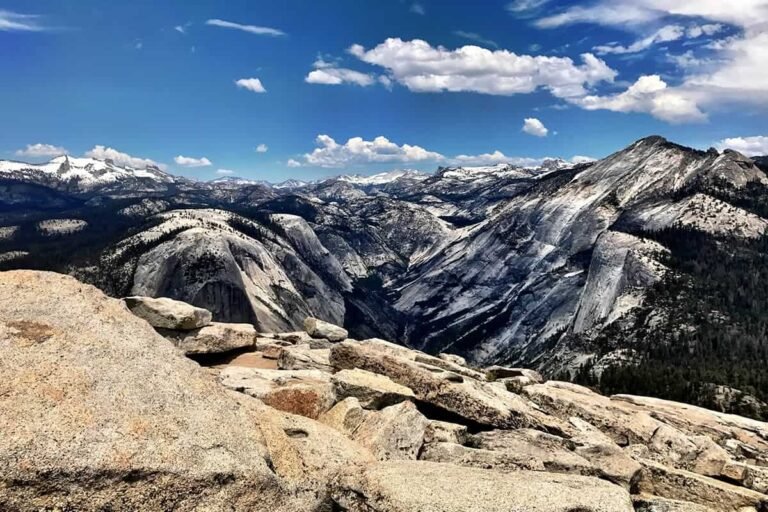
Discover Mouling National Park – Siang, Arunachal Pradesh

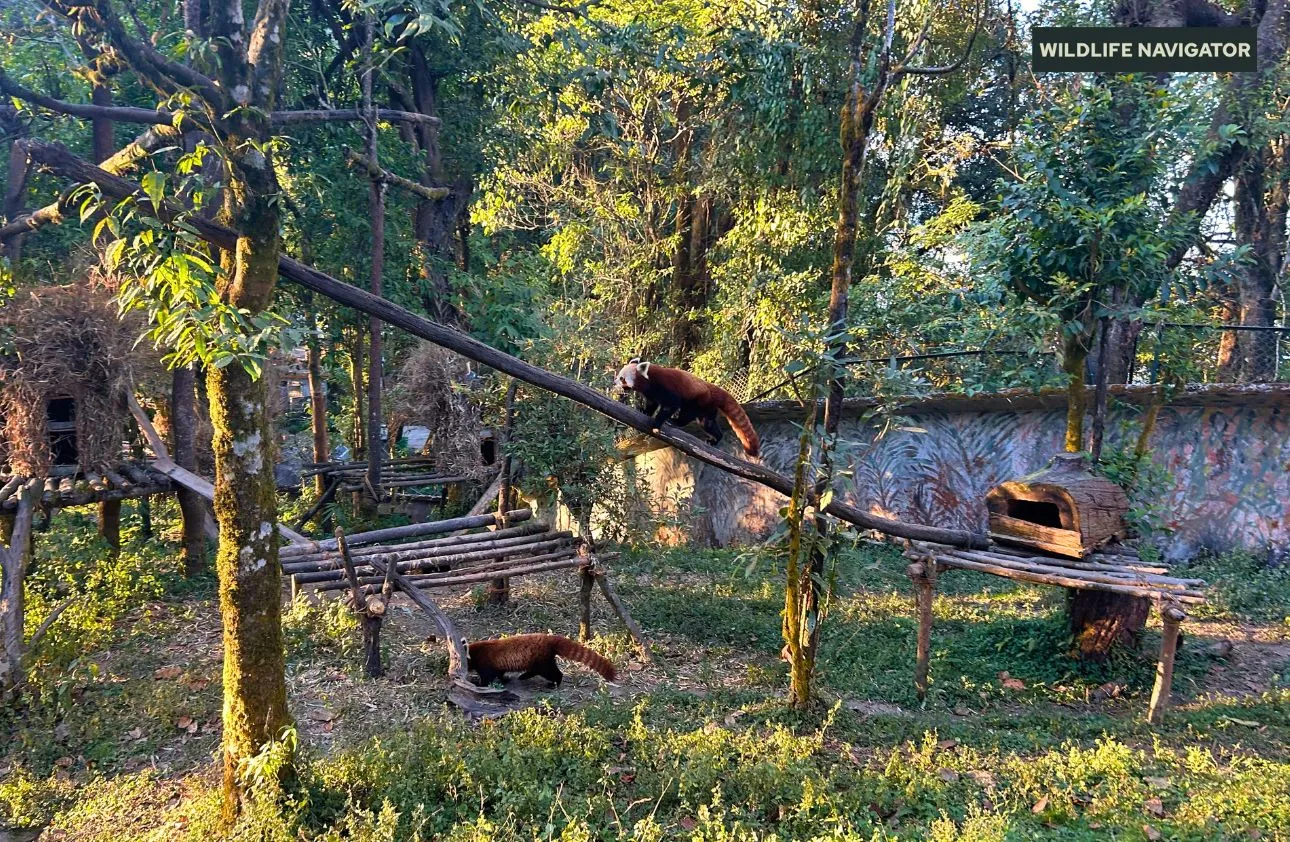
Mouling National Park is one of the most remote, wild, and breathtaking protected areas in Arunachal Pradesh—a landscape where dense forests, dramatic mountains, and untamed rivers come together to create an ecosystem found almost nowhere else in India. Established in 1986, the park forms a crucial part of the Dihang-Dibang Biosphere Reserve and represents the raw, untouched beauty of the Eastern Himalayas.
For wildlife lovers, trekkers, birdwatchers, and nature photographers, Mouling offers an experience that feels completely off-the-grid. Its steep valleys, thick vegetation, and mist-laden cliffs shelter some of the rarest species in the region, including the elusive Clouded Leopard and the charismatic Red Panda. Yet the park’s true charm lies not just in its biodiversity but in its isolation—many areas remain unexplored even today, giving visitors a sense of venturing into a living, breathing wilderness.
Whether you’re seeking quiet nature trails, rich tribal culture, or the thrill of discovering landscapes that still remain untouched by heavy tourism, Mouling National Park stands as a rare gem waiting to be explored.
Geography, Location and Natural Attractions
Mouling National Park spans across the Upper Siang, West Siang, and Lower Dibang Valley districts of Arunachal Pradesh, covering a vast stretch of rugged Himalayan terrain. Its location within the Eastern Himalayas makes it one of the richest biodiversity hotspots in India. The park’s landscape is a dramatic blend of steep ridges, deep gorges, rolling hill slopes, and dense sub-tropical forests that transition into temperate vegetation as the altitude rises.
Three major rivers—Siyom, Siku, and Subansiri—flow through or around the park, nourishing its dense canopy and shaping its wild riverine landscapes. These waterways create lush valleys, fertile forest corridors, and secluded habitats that support rare flora and fauna.
Natural attractions within the park include hidden waterfalls cascading through thick forests, panoramic viewpoints overlooking endless green hills, and unexplored trekking routes that offer breathtaking views at every turn. Altitude gradients create unique ecological zones, each home to distinct wildlife communities. Because much of the park is still difficult to access, many of its scenic locations remain untouched, lending Mouling its mysterious, raw, and truly pristine character.
History and Establishment
Mouling National Park holds an important place in the conservation history of Arunachal Pradesh. Established in 1986, it is one of the oldest national parks in the state and forms a key component of the larger Dihang-Dibang Biosphere Reserve, which protects a massive stretch of Eastern Himalayan biodiversity.
The name “Mouling” is believed to have originated from the local Adi language, often interpreted as “red poison” or “red soil,” because of the reddish clay found in certain parts of the region. This unique soil composition, along with the park’s extreme terrain and high rainfall, contributes to its thick vegetation and rich ecological diversity.
The park was created to safeguard its sensitive habitats and rare species, especially those dependent on dense forest ecosystems—like the Takin, Red Panda, and various endemic birds. Even decades after its notification, Mouling remains one of India’s least explored national parks, largely due to its isolation, limited infrastructure, and challenging terrain. However, this remoteness is also what keeps the park pristine, making it a vital refuge for wildlife and an ecological treasure for future generations.
Biodiversity of Mouling National Park
Mouling National Park is a treasure trove of Eastern Himalayan biodiversity, harbouring a wide variety of plants, animals, birds, and insects across its diverse altitudinal zones. The remote nature of the park has allowed its ecosystems to remain largely undisturbed, giving researchers and wildlife enthusiasts a rare glimpse into habitats that are both ancient and ecologically rich.
Flora
The vegetation in Mouling ranges from tropical evergreen forests at lower elevations to temperate broadleaf forests and alpine vegetation in the higher reaches. The park is covered with dense layers of canopies formed by tall hardwood species, bamboo groves, and lush undergrowth that thrives due to high rainfall.
Some important plant varieties include:
- Evergreen trees such as Michelia, Dipterocarp, and Amentotaxus
- Bamboo and cane species that dominate mid-altitude slopes
- Medicinal plants traditionally used by local tribal communities
- Mosses, ferns, lichens, and orchids thrive in moist, shady areas
This range of vegetation supports a dynamic ecosystem where every layer—from soil fungi to canopy flowers—contributes to the park’s ecological balance.
Fauna
The wildlife diversity in Mouling is both impressive and unique, with several species rarely seen elsewhere in India.
Key mammal species include:
- Takin – the state animal of Arunachal Pradesh
- Clouded Leopard – elusive and rarely spotted
- Red Panda – thriving in the temperate forests
- Himalayan Black Bear
- Goral, Musk Deer, and Serow
- Civet cats, langurs, and squirrels
Birdlife is equally remarkable, making the park a hidden paradise for birdwatchers. Species found here include:
- Various hornbills
- Pheasants and partridges
- Mountain birds like thrushes, flycatchers, and minivets
- Rare and endemic species adapted to high-altitude forests
The park also shelters reptiles and amphibians, such as snakes, monitor lizards, tree frogs, and numerous small forest reptiles, alongside a vibrant world of butterflies, moths, and insects that thrive in its humid, lush environment.
Overall, Mouling’s biodiversity reflects the ecological richness of the Eastern Himalayas, making it one of India’s most valuable but least studied wildlife regions.
Best Time to Visit and Things to Do
Best Time to Visit
Mouling National Park experiences a typical Eastern Himalayan climate—humid, forested, and heavily influenced by the monsoon. Because of this, choosing the right season is crucial for a comfortable and rewarding trip.
- Winter (November to February)
This is widely considered the best time to visit. The weather is cool and pleasant, the skies remain clearer, and trekking trails are more accessible compared to other seasons. Wildlife sightings also improve as animals move closer to lower altitudes. - Summer (March to May)
Early summer is a good time for visitors who enjoy lush forests, blooming flowers, and active birdlife. Temperatures remain moderate due to the park’s altitude. However, humidity can increase as the season progresses. - Monsoon (June to September)
This period is generally not recommended. Heavy rainfall can make trails slippery, rivers swell rapidly, and leeches become common in forested areas. Road accessibility also becomes challenging, especially in remote stretches.
Overall, November to May is ideal for comfortable travel, better visibility, and a safer wilderness experience.
Things to Do
Despite being less developed for tourism, Mouling National Park offers incredible experiences for adventurous travellers and nature enthusiasts.
Trekking and Nature Trails
Mouling is known for its rugged terrain, making it a paradise for trekkers seeking offbeat routes. Trails pass through dense forests, steep ridges, and river valleys, offering untouched scenery and occasional wildlife encounters. Since many areas are unexplored, trekking often feels like a true expedition.
Birdwatching
The park is home to an exceptional variety of Eastern Himalayan birds. The lush canopies, bamboo forests, and riverine patches attract hornbills, pheasants, flycatchers, and many rare species—making early morning birdwatching especially rewarding.
Wildlife Observation
While sightings can be challenging due to the thick vegetation, patient observers may spot animals like the Himalayan Black Bear, Red Panda, Goral, and even the elusive Clouded Leopard. Fresh tracks, scat, and sounds often indicate their presence.
Photography
From mist-draped forests and dramatic mountain backdrops to macro photography of insects, orchids, and mosses, Mouling offers endless opportunities for nature photographers.
Cultural Exploration
Several tribal communities live around the park, including the Adi and other indigenous groups. Visitors can explore traditional villages, learn about their sustainable lifestyles, and experience local customs that have been preserved for generations.
Trekking Routes in Mouling National Park
Jengging to Ramsing via Mouling Base Trek
This is the most frequently used route for trekkers seeking deep forest exploration.
Route Overview:
Jengging → Ramsing Village → Sine Area → Mouling Base Forest Zone
Highlights:
- Dense evergreen forests
- Chances of spotting goral, serow, and birdlife
- River crossings over small streams
- Ideal for experienced trekkers
Duration: 2–3 days
Difficulty: Moderate to Difficult
Best For: Wildlife enthusiasts and trekkers wanting a raw forest experience
Komsing to Yagrung via Mouling Southern Ridge Trail
A scenic trail starting from Komsing village, known for its cultural sites and beautiful valley views.
Route Overview:
Komsing → Yagrung → Hill Ridge → Southern Slopes of Mouling
Highlights:
- Spectacular views of Siang Valley
- Passing through Adi tribal settlements
- Great for photography
- Bamboo forests and birdwatching spots
Duration: 1–2 days
Difficulty: Moderate
Best For: Photographers and culture lovers
Pasighat to Mebo via Silluk to Lower Mouling Forest Edge
This is a beginner-friendly route that doesn’t go into the deep core but offers an excellent taste of the ecosystem.
Route Overview:
Pasighat → Mebo → Silluk → Lower Forest Zones
Highlights:
- Gentle trails through semi-evergreen forests
- Easy access and good for short nature walks
- Rich birdlife, butterflies, and orchids
Duration: Half-day to 1 day
Difficulty: Easy
Best For: Beginners, families, casual trekkers
Yingkiong to Puging via Upper Mouling Highlands
A remote, challenging route for serious trekkers who want high-altitude views.
Route Overview:
Yingkiong → Puging → Upper Highlands of Mouling
Highlights:
- Rugged Himalayan terrain
- High-altitude forests with Red Panda habitat
- Stunning ridge views and untouched landscapes
Duration: 3–4 days
Difficulty: Difficult
Best For: Experienced trekkers, researchers, adventure seekers
Jengging to Subbung via Northern Forest Trail
An offbeat route used by local villagers and forest staff.
Route Overview:
Jengging → Subbung → Northern Slopes & Streams
Highlights:
- Deep river valleys
- Mossy forests and waterfalls
- Good for amphibian and reptile sightings
Duration: 2 days
Difficulty: Moderate
Best For: Nature researchers, birdwatchers
Important Tips for Trekking in Mouling
- Always hire a local guide
- Trails are unmarked, thickly forested, and can be confusing
- Carry proper trekking shoes, rain gear, tents, and medical kit
- Avoid monsoon due to slippery paths and swollen streams
- Maintain a low ecological footprint—no littering, no loud noise
- Inform forest officials before entering trail routes
How to Reach
Reaching Mouling National Park requires some planning due to its remote Himalayan terrain, but the journey itself is incredibly scenic. Pasighat is generally considered the main entry point for most visitors.
Nearest City/Town
Pasighat in East Siang district serves as the primary access hub. From here, travelers can move towards Komsing, Jengging, or Yingkiong—towns closest to the park’s peripheral zones. Because the park has no heavily established entry gates, visitors generally begin from these nearby settlements.
By Air
- Pasighat Airport is the nearest functional airport with regional connectivity.
- Dibrugarh Airport (Assam) is the nearest major airport offering better flight frequency and connectivity to metro cities.
From both airports, taxis and shared vehicles take visitors toward Pasighat and further to the park’s vicinity.
By Rail
There is no direct railway connectivity in this part of Arunachal Pradesh.
- The nearest major railhead is Murkongselek Railway Station near Jonai (Assam).
- From here, Pasighat is about a 35–40 km drive.
Travellers coming from other Indian states usually reach Dibrugarh or Guwahati by train and then continue by road.
By Road
Road connectivity forms the main travel route to Mouling National Park.
- From Pasighat, travellers can take routes via Komsing, Jengging, or Yingkiong, depending on the chosen trailhead or trekking plan.
- Roads are scenic but can be narrow and winding, with certain stretches becoming difficult during monsoons.
Common road routes include:
- Dibrugarh → Bogibeel Bridge → Pasighat
- Guwahati → North Lakhimpur → Pasighat
- Pasighat → Jengging → Yingkiong region (for areas closer to the park)
Because the terrain is challenging, hiring a local SUV or 4×4 vehicle is recommended, especially for remote internal routes.
Accommodation Options
Mouling National Park is located in one of the most remote regions of Arunachal Pradesh, and as a result, accommodation options are limited and quite basic. Visitors should be prepared for simple stays focused more on proximity to nature rather than luxury.
Forest Rest Houses and Government Lodges
There are a few Forest Department guest houses located in and around the park’s peripheral zones. These rest houses are functional but offer only the essentials—simple rooms, basic bedding, and limited electricity. Prior permission and advance booking through the Forest Department or district authorities are usually required.
Government Guest Houses in Nearby Towns
Towns like Pasighat, Yingkiong, and Jengging have government circuit houses and inspection bungalows. These are clean, affordable, and managed by local administrative bodies. They serve as good base points for visitors planning early treks into the park.
Private Hotels and Homestays
In Pasighat and Yingkiong, travellers will find small hotels, lodges, and homestays offering better amenities such as:
- Comfortable beds
- Hot water
- Home-cooked meals
- Local guidance for routes and permits
Homestays are popular among visitors who want to experience the hospitality and lifestyle of the Adi and other local communities. These stays often provide delicious traditional meals and insights into the culture and customs of the region.
Camping Options
For trekkers heading deeper into Mouling’s forested areas, camping is sometimes the only choice. Travellers must carry tents, sleeping bags, and supplies, preferably with a local guide who knows the terrain. Since the park is extremely wild and untouched, safety precautions and responsible camping practices are essential.
Permits, Travel Tips and Conservation Challenges
Permits and Requirements
Travelling to Mouling National Park involves mandatory permits due to its location in Arunachal Pradesh—a protected and sensitive border state.
- Inner Line Permit (ILP)
Indian travellers must obtain an ILP to enter Arunachal Pradesh. It can be applied for online or collected from designated counters in Assam and Arunachal. - Protected Area Permit (PAP)
Foreign nationals require a PAP, which must be obtained through authorised government channels. - Forest Entry Permissions
Since Mouling is largely uncommercialized, visitors planning treks, research, or deep forest entry may need additional permissions from the Forest Department or local administrative offices. - Local Guide Requirement
Hiring a registered local guide is advisable—and often necessary—due to the park’s rugged terrain and unmarked routes.
Travel Tips
Because Mouling National Park is remote and minimally developed, preparing well is essential for a safe and smooth experience.
- Pack for Remote Conditions
Carry trekking shoes, rain gear, warm clothing, insect repellent, and a basic first-aid kit. - Navigation & Connectivity
Mobile networks are weak or often unavailable. Offline maps and a reliable guide are crucial. - Weather Awareness
The region receives heavy rainfall; avoid monsoon travel and always check weather updates before planning treks. - Respect Local Culture
The surrounding areas are home to indigenous tribes like the Adi. Visitors should follow local customs, dress modestly, and seek permission before photographing people or cultural sites. - Eco-Friendly Travel
Avoid littering, use biodegradable products when possible, and maintain low noise levels to avoid disturbing wildlife.
Conservation Challenges
Despite being a protected area, Mouling National Park faces significant challenges that threaten its fragile ecosystems.
- Accessibility Issues
Limited infrastructure makes patrolling and conservation work difficult for forest officials. - Human–Wildlife Conflict
Villages on the park’s periphery occasionally face crop damage and livestock threats from wildlife, leading to conflict. - Illegal Logging & Poaching
The dense forests and remote terrain provide cover for illegal activities, though ongoing surveillance helps curb these threats. - Climate Change Impacts
Changing rainfall patterns, rising temperatures, and habitat shifts pose long-term risks to species like the Red Panda and Clouded Leopard. - Need for Research & Documentation
Large parts of the park remain scientifically unexplored, making conservation planning challenging.
Efforts by the Forest Department, NGOs, and local communities continue to strengthen protection measures, but sustained support and awareness are crucial for preserving this untouched wilderness.
Conclusion
Mouling National Park stands as one of the last truly untouched wilderness regions of India—a place where nature thrives in its most raw, unfiltered form. Its remote mountains, dense forests, hidden waterfalls, and rich biodiversity make it a sanctuary not just for wildlife, but also for travellers seeking solitude, adventure, and an authentic connection with nature.
Unlike popular national parks, Mouling offers an experience that feels deeply personal and immersive. Every trail, viewpoint, and forest corridor carries the quiet mystery of a landscape that has remained largely unexplored. Whether you come for the wildlife, the trekking routes, or the cultural richness of Arunachal Pradesh’s tribal communities, the park rewards visitors with moments of wonder and discovery.
As tourism gradually increases, responsible travel becomes essential. Protecting Mouling’s fragile ecosystems, respecting local traditions, and supporting conservation initiatives will ensure that this rare Himalayan gem continues to thrive for future generations. For those ready to journey beyond the usual routes, Mouling National Park is a destination that inspires, challenges, and leaves a lasting imprint of the wild.