Kudremukh National Park – Karnataka

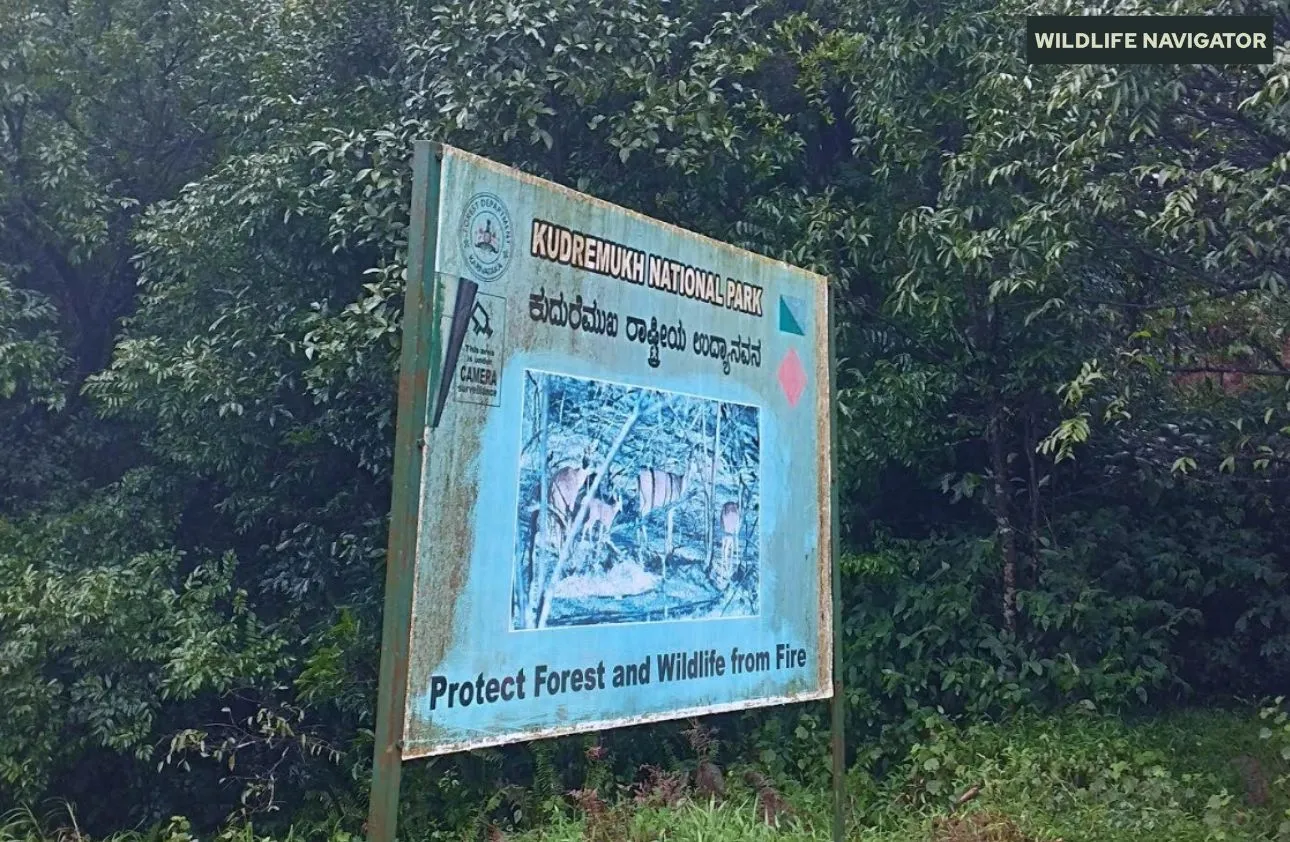
Kudremukh National Park in Karnataka is a paradise for nature lovers, trekkers, and wildlife enthusiasts. The name Kudremukh, meaning “horse-face” in Kannada, refers to the distinctive shape of its main peak, one of the most photographed landmarks in South India.
Covering over 600 square kilometres, Kudremukh is one of the most scenic national parks in India, where rolling grasslands seamlessly blend with dense evergreen forests. The park forms a vital part of the Western Ghats UNESCO World Heritage Site, known globally for its extraordinary biodiversity and ecological significance.
Kudremukh is not just a visual delight — it’s a living ecosystem teeming with rare flora and fauna. From the endangered Lion-tailed Macaque leaping through the canopy to the Malabar Whistling Thrush filling the valleys with its melodious calls, the park showcases the untamed beauty of India’s natural heritage.
For those seeking adventure, Kudremukh offers some of the best trekking trails in South India, winding through misty hills, gurgling streams, and hidden waterfalls. Its tranquil atmosphere and rich wilderness make it a perfect getaway for anyone looking to reconnect with nature and experience the raw charm of the Western Ghats.
History, Geography & Landscape of Kudremukh National Park
Historical Background
Declared a National Park in 1987, Kudremukh has long been recognized as one of the most ecologically sensitive regions in southern India. Before gaining its protected status, the area was known for iron ore mining, which once posed a serious threat to its forests and wildlife. Over time, sustained conservation efforts by the Karnataka Forest Department and environmental groups helped restore the park’s natural balance, transforming it into a symbol of successful ecological revival in the Western Ghats.
Geographical Features
Kudremukh National Park lies in the Chikkamagaluru district of Karnataka, covering about 600 sq. km of mountainous terrain. It forms part of the Western Ghats range, one of the world’s eight hottest biodiversity hotspots. The park’s altitude varies from 500 to 1,894 meters above sea level, with the Kudremukh Peak being the highest point.
Several major rivers — Bhadra, Tunga, and Nethravathi — originate from this region, making Kudremukh a crucial watershed area for the state. Its rolling hills, grass-covered ridges, and forested valleys give the landscape a unique character rarely seen elsewhere in India.
Ecosystem & Climate
The park’s ecosystem is a beautiful blend of tropical evergreen forests and shola–grassland habitats, supporting countless species found nowhere else on earth. These high-altitude grasslands are interspersed with dense forest patches that remain green throughout the year.
Kudremukh receives heavy monsoon rainfall, sometimes exceeding 7,000 mm annually, which feeds its rivers and waterfalls. The weather stays pleasant year-round, with cool winters (November to February) and misty monsoons (June to September) creating dramatically different experiences for visitors.
Landscape Highlights
- Expansive green hills and valleys covered with mist.
- Origin point of three major rivers.
- Numerous waterfalls like Kadambi Falls and Hanuman Gundi Falls.
- Grassland ridges ideal for trekking and panoramic photography.
- Dense evergreen forests that provide shelter to rare wildlife species.
Flora and Fauna of Kudremukh National Park
Flora: The Lush Green Canvas of the Western Ghats
Kudremukh’s landscape is a striking blend of tropical evergreen forests, montane shola woods, and rolling grasslands. The park’s vegetation changes dramatically with altitude — lower slopes are dense and humid, while higher ridges are open and grassy.
The forest canopy is dominated by species such as:
- Dipterocarpus indicus
- Mesua ferrea (Ironwood tree)
- Myristica dactyloides
- Calophyllum apetalum
- Syzygium cumini (Jamun)
These forests are also rich in medicinal plants, orchids, and endemic herbs that thrive in the moist mountain air. During the monsoon, the meadows burst into life with colourful wildflowers, giving the park a carpeted appearance that changes hues with the seasons.
Fauna: A Sanctuary of Rare and Endangered Life
Kudremukh National Park is home to a fascinating array of wildlife — from secretive big cats to playful primates and melodious birds. It forms part of the Western Ghats biodiversity hotspot, one of the most species-rich regions on Earth.
Mammals
- Tiger (Panthera tigris)
- Leopard (Panthera pardus)
- Wild Dog (Dhole)
- Gaur (Indian Bison)
- Sambar Deer
- Malabar Giant Squirrel
- Lion-tailed Macaque (the park’s flagship species and an endangered primate found only in the Western Ghats)
- Sloth Bear
- Indian Muntjac (Barking Deer)
Birds
The park is a birdwatcher’s delight, with over 200 species recorded, including several endemics.
- Great Hornbill
- Malabar Whistling Thrush
- Grey-headed Bulbul
- Nilgiri Flycatcher
- Emerald Dove
- Paradise Flycatcher
- Nilgiri Wood Pigeon
Reptiles & Amphibians
- King Cobra
- Malabar Pit Viper
- Beddome’s Keelback
- Endemic bush frogs and tree frogs unique to the Western Ghats.
Highlight Species
- Lion-tailed Macaque – a symbol of Western Ghats conservation.
- Tiger and Leopard – elusive predators maintaining the forest’s ecological balance.
- Malabar Whistling Thrush – famous for its melodious human-like whistle.
The diversity of life found here reflects the park’s ecological richness — a reminder of why Kudremukh remains one of the most important wildlife habitats in southern India.
Safari Experience, Trekking & Entry Details
Unlike many other national parks in India, Kudremukh does not offer jeep or elephant safaris. Instead, it’s known for its eco-friendly trekking trails, guided nature walks, and birdwatching routes that allow visitors to experience the wilderness up close without disturbing the fragile ecosystem.
Trekking Experiences in Kudremukh
Trekking is the most popular way to explore Kudremukh National Park, with routes winding through lush shola forests, mountain streams, and open grasslands that offer stunning panoramic views.
Here are some of the most well-known treks and trails:
- Kudremukh Peak Trek:
The most famous trek in the park, leading to the iconic “horse-face” peak. The 9 km one-way trail begins from Mullodi village, passing through dense forests, small waterfalls, and open grasslands. The view from the top offers a breathtaking panorama of the Western Ghats. - Hanuman Gundi Falls Trail:
A short, scenic walk through the forest leading to a beautiful waterfall where water cascades over layered rocks — a favourite spot for nature photographers. - Gangamoola Trek:
Known as the origin point of three major rivers — Bhadra, Tunga, and Nethravathi — this moderate trail passes through pristine forests rich in birdlife and endemic plants. - Kadambi Waterfalls Walk:
A relaxed trail perfect for casual visitors, ending at a picturesque waterfall surrounded by dense greenery.
Trekking & Entry Permissions
Visitors are required to obtain entry permission from the Kudremukh Range Forest Office or at Mullodi check post.
- Only a limited number of trekkers are allowed per day to maintain ecological balance.
- Mandatory guide: Every group must be accompanied by a licensed forest guide.
Entry Fees (Approximate)
- Indian visitors: ₹200 per person
- Foreign visitors: ₹1000 per person
- Camera fee: ₹200 (Still camera), ₹1000 (Video camera)
- Guide fee: ₹500–₹800 (varies by route)
Timings
- Park opens: 6:00 AM
- Park closes: 6:00 PM
- Trekking usually allowed between 6:30 AM – 2:00 PM, depending on the route and weather conditions.
Safari Alternative: Nature Walks & Eco-Trails
While traditional safaris are not permitted, the forest department organizes eco-trails, birdwatching walks, and forest interpretation programs. These experiences focus on observing wildlife signs, bird calls, butterflies, and the unique shola ecosystem — ideal for photographers and nature enthusiasts.
Safari Booking & Contact
- Booking: Obtain permits directly from the Kudremukh Wildlife Division Office (Karkala or Kalasa) or through registered eco-tourism operators in Chikkamagaluru.
- Best starting point: Mullodi village, accessible by jeep from Kalasa.
Best Time to Visit Kudremukh National Park
Kudremukh National Park offers a distinct experience in every season — from misty monsoon magic to crystal-clear winter skies. However, depending on what you wish to see or do, certain months are better suited for trekking, wildlife watching, or photography.
Winter (October – February): Ideal for Exploration
Winter is considered the best time to visit Kudremukh National Park. The air turns crisp and cool, skies are mostly clear, and the forest trails are dry — perfect for trekking and sightseeing.
- Temperature: 15°C to 25°C
- Highlights: Best visibility, pleasant weather, high chances of spotting birds and mammals.
- Perfect for: Trekking, camping, and nature photography.
Monsoon (June – September): For the Lush Green Lovers
During the monsoon, Kudremukh transforms into an emerald paradise. The hills are draped in mist, waterfalls gush in full force, and the grasslands shine in vibrant green. However, heavy rainfall may restrict trekking access.
- Temperature: 18°C to 22°C
- Highlights: Verdant landscapes, flowing streams, blooming wildflowers.
- Caution: Trails become slippery; leeches and heavy fog common.
- Perfect for: Landscape photographers and monsoon trekkers who enjoy challenges.
Summer (March – May): Quiet and Warm
Summer brings warmer days and clear mornings, ideal for exploring lower forest areas and nearby cultural attractions. Although animal sightings reduce due to dense vegetation, it’s a peaceful time for nature walks.
- Temperature: 20°C to 30°C
- Highlights: Less crowded, bright light for photography, good for birdwatching.
- Perfect for: Budget travellers and bird enthusiasts.
Best Season Recommendation
If you’re visiting for the Kudremukh Peak Trek or for photography, plan your trip between November and February.
If your goal is to witness the park’s lush, rain-drenched beauty, then July to September offers an unforgettable monsoon spectacle — provided you’re prepared for wet weather and slippery terrain.
How to Reach & Getting Around Kudremukh National Park
Kudremukh National Park is easily accessible from major towns in Karnataka and neighbouring states. The journey itself is a scenic experience — winding through lush forests, coffee plantations, and misty valleys of the Western Ghats.
Nearest Towns and Base Points
- Kalasa (20 km): The most common base town for reaching the park and arranging treks or local stays.
- Karkala (50 km): Another approach point with road access to the park’s western side.
- Chikkamagaluru (100 km): Major tourist hub with good road connectivity, accommodation, and transport facilities.
By Air
- Nearest Airport:Mangalore International Airport (130 km)
- Regular flights from Bengaluru, Chennai, Mumbai, and Hyderabad.
- From the airport, taxis or rental cabs are available to reach Kudremukh via Kalasa or Karkala.
By Train
- Nearest Railway Station:Mangalore Junction (120 km)
- Well connected to Bengaluru, Goa, Kochi, and Mumbai.
- From Mangalore, hire a taxi or take a bus toward Karkala or Kalasa.
By Road
- Kudremukh lies on the NH-169 route connecting Sringeri, Kalasa, and Karkala.
- Buses from Bengaluru (350 km), Mangalore (130 km), and Chikkamagaluru (100 km) operate regularly to Kalasa.
- From Kalasa, private jeeps can take you to Mullodi village, the starting point for most treks.
Getting Around the Park
Since private vehicles are not allowed beyond the check-post, visitors must rely on:
- Forest Department–approved jeeps up to base camps like Mullodi.
- Local guides and trekking escorts for exploring interior trails.
- Eco-tourism operators for organised nature walks, birding tours, or village experiences.
The park emphasises eco-friendly exploration, encouraging walking, guided trekking, and minimum-impact tourism rather than motorised safaris.
Accommodation, Dining & Stay Options in Kudremukh National Park
Kudremukh offers a mix of forest lodges, eco-camps, and cozy homestays that let visitors stay close to nature while supporting local communities. Most accommodations are found in nearby villages such as Mullodi, Kalasa, Samse, and Bhagavathi, offering serene surroundings and scenic views of the Western Ghats.
Forest Guesthouses & Nature Camps
- Kudremukh Forest Rest House:
Managed by the Karnataka Forest Department, this basic accommodation offers limited rooms and requires advance booking through the Forest Office. Ideal for those seeking a quiet stay within forest limits. - Bhagavathi Nature Camp (Jungle Lodges & Resorts):
A popular government-run eco-camp located within the park’s buffer zone. Offers comfortable cottages and tents, guided treks, birdwatching sessions, and local cuisine — all designed for nature lovers.
Homestays & Eco-Stays
Homestays around Kudremukh provide warm hospitality, authentic Malnad food, and insights into local life. They’re ideal for trekkers and photographers.
Popular options include:
- Mullodi Homestay – closest to the Kudremukh Peak trailhead.
- Bella Homestay – cozy rooms, organic food, and river views.
- Silent Valley Homestay – scenic location and family-friendly environment.
- Riverwoods Resort (near Kalasa) – premium eco-lodge surrounded by coffee estates and forests.
Resorts & Hotels Nearby
For travellers who prefer comfort with modern amenities, several mid-range and luxury options are available within 20–30 km of the park:
- Silent Valley Resort – offers cottages with mountain views.
- Upasana Retreat, Kalasa – peaceful resort with yoga and meditation facilities.
- God’s Own Homestay, Samse – known for its eco-friendly design and homemade food.
Dining Options
Dining options inside the park are minimal, so most visitors rely on meals provided by their stay hosts.
- Local Cuisine: The region serves delicious Malnad dishes like akki rotti, neer dosa, pandi curry, and bisi bele bath.
- Tea & Snacks: Found in Kalasa, Samse, and Karkala; ideal for short breaks during travel.
- Tip: Carry packed lunch and water for treks, as food facilities inside the park are limited.
Nearby Attractions, Culture & Suggested Itineraries
A visit to Kudremukh National Park is not just about its green valleys and wildlife — the surrounding region is dotted with ancient temples, scenic waterfalls, coffee estates, and charming hill villages that reflect the rich heritage of Karnataka’s Malnad region. Combining these experiences makes your trip more fulfilling and memorable.
Natural Attractions Nearby
- Hanuman Gundi Waterfalls:
A spectacular cascade within the park’s boundary where water tumbles over layered rocks into a clear natural pool — perfect for nature photography and a refreshing dip. - Kadambi Falls:
Easily accessible by road, this small yet beautiful waterfall offers a quick scenic stop for travellers driving between Kalasa and Kudremukh. - Gangamoola (Varaha Parvatha):
The origin point of three major rivers — Bhadra, Tunga, and Nethravathi. The site is revered by locals and surrounded by dense forest rich in birdlife. - Bhadra Wildlife Sanctuary (90 km):
Another prime Western Ghats wildlife reserve, home to tigers, elephants, and riverine habitats — ideal for those extending their nature exploration.
Cultural & Heritage Attractions
- Horanadu Annapoorneshwari Temple (35 km):
A centuries-old temple dedicated to Goddess Annapoorneshwari, known for its beautiful architecture and spiritual ambience. - Sringeri Sharada Peetha (50 km):
A historic temple town and major pilgrimage site established by Adi Shankaracharya on the banks of River Tunga — a perfect blend of heritage and nature. - Kalasa Town:
Known as the “Temple Town of Karnataka,” Kalasa features small shrines, local markets, and scenic coffee estates that reflect the essence of Malnad culture.
Adventure & Eco-Tourism Activities
- Trekking to Kudremukh Peak and Gangamoola.
- Birdwatching with local guides in the early mornings.
- Exploring coffee plantations and learning about local agriculture.
- Visiting eco-tourism initiatives that promote sustainable livelihoods for forest communities.
Local Communities & Culture
The region around Kudremukh is home to Malnad people, known for their hospitality, traditional homes, and love for nature. Visitors can learn about their organic farming, local cuisine, and eco-friendly living practices by staying in community-run homestays.
Suggested Itineraries
2-Day Trip (Quick Nature Escape)
Day 1:
- Arrive at Kalasa → Check into homestay or Bhagavathi Nature Camp
- Visit Kadambi and Hanuman Gundi Waterfalls
- Enjoy a relaxed evening by the Bhadra River
Day 2:
- Early morning trek to Kudremukh Peak
- Visit Gangamoola viewpoint
- Return to Kalasa or continue to Sringeri
3-Day Trip (Nature + Culture Mix)
Day 1:
- Arrive at Chikkamagaluru → Drive to Kalasa → Visit Horanadu Temple
- Overnight stay at eco-lodge near Kudremukh
Day 2:
- Trek to Kudremukh Peak → Explore waterfalls & local flora
- Evening campfire or guided nature walk
Day 3:
- Visit Sringeri Mutt or Bhadra Wildlife Sanctuary
- Return via scenic coffee estate routes
Conservation & Importance of Kudremukh National Park
Kudremukh National Park stands as one of the most vital ecological zones in the Western Ghats — a UNESCO World Heritage Site recognised for its exceptional biodiversity and unique montane ecosystems. Beyond its scenic beauty, Kudremukh plays a crucial role in conserving water, wildlife, and Western Ghats ecology.
Ecological Significance
Kudremukh forms the heart of the Kudremukh–Bhadra wildlife corridor, a key link in the Western Ghats that allows movement of elephants, tigers, leopards, and several endemic species.
It acts as a watershed for three major rivers — Tunga, Bhadra, and Nethravathi — which sustain millions of people downstream in Karnataka and neighbouring states.
The park’s lush shola–grassland ecosystem also regulates the region’s microclimate, preventing soil erosion and maintaining year-round water flow.
Role in Wildlife Conservation
Declared a national park in 1987, Kudremukh has been instrumental in protecting endangered species such as the Lion-tailed Macaque, Malabar Civet, and Slender Loris.
Its varied altitudes and dense vegetation provide safe breeding grounds for numerous mammals, reptiles, and over 200 bird species, many of which are endemic to the Western Ghats.
Ongoing conservation measures focus on:
- Preventing poaching and habitat loss through stricter patrolling.
- Rehabilitating former mining zones and restoring grassland habitats.
- Monitoring elephant migration corridors and human–wildlife conflict zones.
- Supporting research and biodiversity surveys in collaboration with scientists and NGOs.
Global Conservation Recognition
Kudremukh’s inclusion in the UNESCO Western Ghats World Heritage Site underscores its global ecological importance.
It represents a living example of how biodiversity conservation, water management, and sustainable tourism can coexist when balanced responsibly.
The park is often cited as a model for restoring degraded mountain ecosystems in tropical regions.
Community & Eco-Tourism Initiatives
Local communities play an active role in conservation. Eco-development committees and NGOs engage residents in reforestation, anti-poaching efforts, and tourism management.
Sustainable homestays and eco-camps have become platforms for spreading awareness about protecting forests and wildlife while offering income alternatives to forest-dependent families.
Visitors can directly support conservation by:
- Choosing eco-certified lodges.
- Hiring local guides and naturalists.
- Avoiding plastic waste and respecting park regulations.
The Ongoing Challenge
Despite its protection, Kudremukh faces challenges such as:
- Illegal mining activities in buffer zones.
- Encroachment pressures and expansion of plantations.
- Climate change affecting rainfall and forest composition.
Yet, with coordinated conservation strategies and eco-tourism awareness, Kudremukh continues to stand as a model for balancing biodiversity protection and human development.
Conclusion
Kudremukh National Park is more than just a wildlife destination — it is a living symphony of misty peaks, rolling grasslands, and evergreen shola forests that capture the essence of the Western Ghats. From the haunting calls of hornbills echoing through valleys to the tranquil cascades hidden deep within the forest, every corner of Kudremukh tells a story of nature’s quiet strength and resilience.
Its ecological importance goes far beyond its boundaries, serving as a cradle for rivers, a sanctuary for endangered species, and a symbol of India’s ongoing conservation efforts. For travelers, it offers not only breathtaking treks and serene landscapes but also an opportunity to reconnect with the wild — responsibly and respectfully.
Whether you visit for adventure, photography, or peace of mind, Kudremukh National Park reminds every visitor that true wilderness still thrives in India’s heartlands — waiting to be explored, cherished, and protected for generations to come.
FAQs about Kudremukh National Park
Which is the best time to visit Kudremukh National Park?
The ideal time to visit Kudremukh is from October to May, when the weather is pleasant and wildlife sightings are easier.
- Post-monsoon (October–February): The park is at its greenest, making treks and photography especially rewarding.
- Summer (March–May): Excellent for spotting animals near water sources.
Avoid visiting during the heavy monsoon months (June–September) when trekking routes are slippery and access is limited.
How can I book a safari or trek in Kudremukh National Park?
Safaris and guided treks can be booked through the Karnataka Forest Department or registered eco-tourism operators in Kalasa or Kudremukh township.
For official booking details, visit the Karnataka EcoTourism website or contact the Range Forest Office at Kudremukh.
Which animals can be seen in Kudremukh National Park?
Visitors often spot gaur (Indian bison), sambar deer, malabar giant squirrels, barking deer, and sometimes leopards or tigers.
Among primates, the park is famous for Lion-tailed macaques — an endangered species found only in the Western Ghats. Birdwatchers can enjoy sightings of Malabar whistling thrush, Nilgiri flycatcher, and great hornbill.
Is Kudremukh National Park safe for families with children?
Yes. Kudremukh is one of the safest Western Ghats parks for family visits. The park’s calm environment, easy treks, and organised forest guesthouses make it comfortable for visitors of all ages.
However, always follow forest department guidelines, maintain silence, and avoid isolated trails without authorised guides.
What is the nearest airport and railway station to Kudremukh?
- Nearest Airport: Mangalore International Airport (approx. 130 km)
- Nearest Railway Station: Mangalore Junction (125 km) and Udupi (110 km)
From either point, visitors can hire taxis or take KSRTC buses to reach Kalasa or Kudremukh township, the main gateways to the park.
Are there any permissions required for trekking?
Yes, entry and trekking inside the park require a forest entry permit issued by the Kudremukh Range Office or Karnataka EcoTourism portal.
Always trek with an authorised guide, as solo trekking is not permitted within core zones.
Can I camp inside Kudremukh National Park?
Camping inside the core park area is not allowed to minimise disturbance to wildlife.
However, visitors can stay at Bhagavathi Nature Camp, Kalasa eco-stays, or forest rest houses that provide a near-wilderness experience while maintaining eco-safety standards.
What kind of clothing should I carry?
- Light cottons for summer
- Warm layers for evenings and higher altitudes
- Rain gear if visiting during or after the monsoon
Sturdy shoes, binoculars, and insect repellent are also recommended for trekkers and wildlife enthusiasts.
Are drones or photography equipment allowed?
Photography is permitted, but drones require special permission from the forest department.
Visitors are encouraged to follow ethical photography practices — avoid flash, loud noises, or actions that disturb animals.
Why is Kudremukh called “Horse Face” mountain?
The name Kudremukh literally means “Horse Face” in Kannada, referring to the unique shape of the mountain that resembles a horse’s face when viewed from certain angles — an iconic symbol of the park’s identity.