Jaldapara National Park – Alipurduar, West Bengal

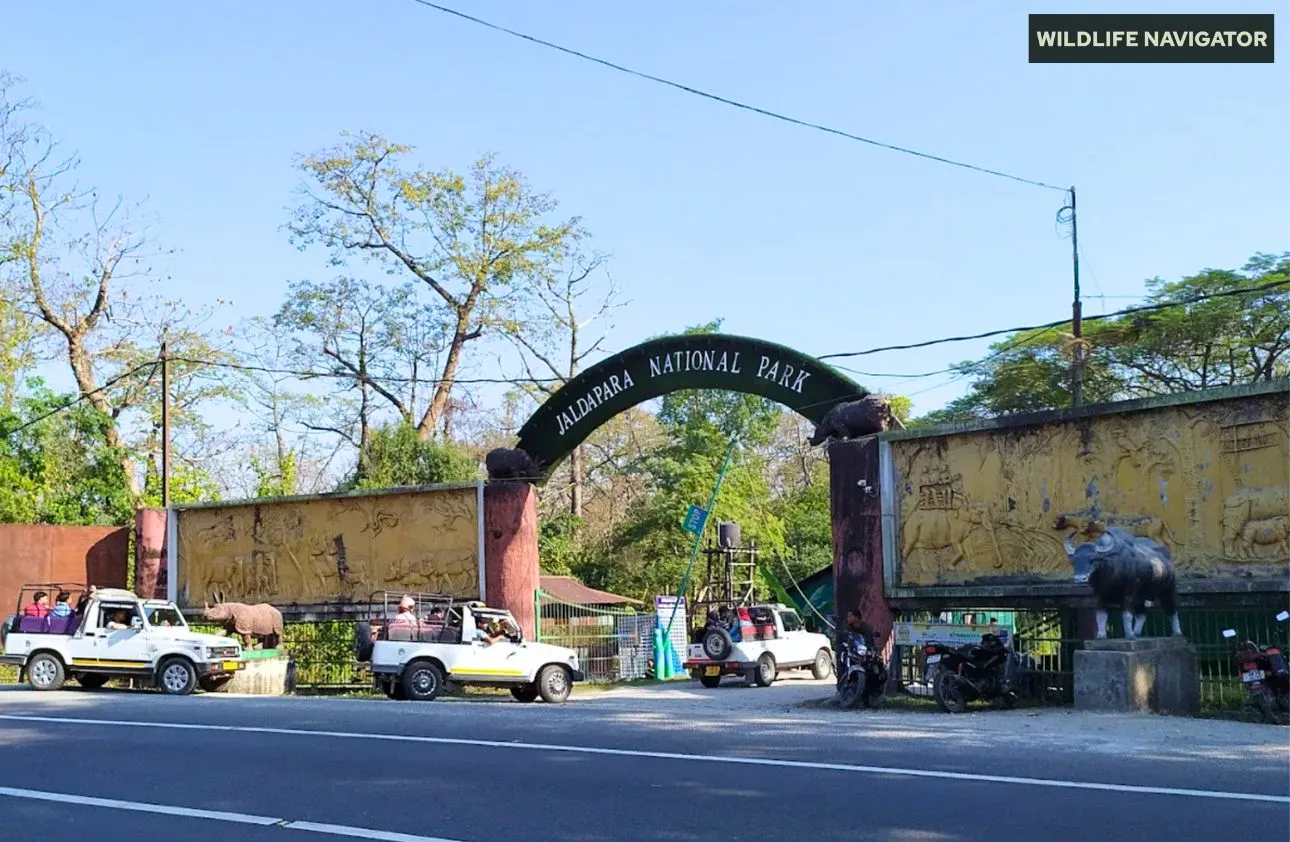
Jaldapara National Park is a haven for wildlife enthusiasts and nature lovers exploring the landscapes of West Bengal’s Dooars region. Spread over approximately 216 square kilometres in the Alipurduar district, the park is renowned for its sprawling grasslands, dense riverine forests, and winding rivers, creating a perfect habitat for a variety of flora and fauna.
Jaldapara holds a special place in India’s conservation story as one of the few protected areas dedicated to the preservation of the Indian one-horned rhinoceros, a species that once teetered on the brink of extinction. Beyond rhinos, the park is home to elephants, leopards, swamp deer, and over 250 species of birds, making it a paradise for photographers, birdwatchers, and wildlife enthusiasts.
Visiting Jaldapara is not just about spotting animals; it’s about experiencing the raw, untamed beauty of the Dooars’ wilderness, where the morning mist dances over grasslands and the calls of wild birds fill the air. Whether you are seeking adventure, serenity, or a glimpse into India’s rich biodiversity, Jaldapara National Park promises an unforgettable journey into nature’s heart.
History and Establishment
Jaldapara National Park has a rich history rooted in conservation and protection of India’s endangered species. Originally declared a wildlife sanctuary in 1941, it was later upgraded to a national park in 2014 to provide stronger protection to its unique ecosystem and iconic species, particularly the Indian one-horned rhinoceros.
The park’s landscape was historically part of the forests and grasslands of the Dooars region, an area known for its dense forests and fertile plains. During the British colonial period, these forests were home to abundant wildlife, but hunting and habitat loss posed severe threats. Recognising the urgent need for preservation, the government set aside this region as a sanctuary to safeguard its wildlife heritage.
Over the decades, Jaldapara has played a crucial role in rhino conservation, contributing to the revival of their population in India. The park also became a safe refuge for elephants, swamp deer, and numerous bird species. Its protected status ensures that both local communities and tourists can enjoy its biodiversity while supporting sustainable conservation efforts.
Today, Jaldapara is not just a wildlife reserve but a symbol of successful conservation, highlighting the importance of protecting India’s natural treasures for future generations.
Geography and Location
Jaldapara National Park is situated in the Alipurduar district of West Bengal, in the northern Dooars region, near the foothills of the Eastern Himalayas. The park spans approximately 216 square kilometres and features a unique mix of open grasslands, riverine forests, and marshy wetlands. The Torsa River and its tributaries meander through the park, creating a network of water bodies that support both flora and fauna.
The park’s open grasslands are ideal for spotting the one-horned rhinoceros, elephants, and swamp deer, while the dense riverine forests provide cover for leopards, wild boars, and various bird species. The landscape changes dramatically with the seasons, offering a different experience to visitors throughout the year.
Best Time to Visit
The ideal time to visit Jaldapara is during the winter months from November to March. During this period:
- Summer (March to May): Temperatures range from 20°C to 35°C. Grasslands are lush, but midday can be hot for safari activities.
- Monsoon (June to September): Heavy rainfall rejuvenates the forests and rivers but can make safaris challenging due to muddy paths.
- Winter (October to February): Cool and dry, with temperatures between 8°C and 25°C, making it the most comfortable time for wildlife viewing.
Visiting during the monsoon offers a different charm, with lush greenery and flowing rivers, but some areas may remain inaccessible due to heavy rains.
Fauna of Jaldapara
Jaldapara National Park is celebrated for its rich wildlife diversity, making it one of India’s most iconic wildlife destinations. The park is particularly famous for the Indian one-horned rhinoceros, but it is also home to a variety of mammals, birds, reptiles, and amphibians. Its mix of grasslands, forests, and wetlands provides ideal habitats for these species.
Mammals
The park is home to several notable mammals, including:
- Indian One-Horned Rhinoceros: The star attraction, often seen grazing in the grasslands.
- Elephants: Both wild herds and occasional domestic elephants used for safaris.
- Swamp Deer (Barasingha): Found in marshy areas, well-adapted to grassland habitats.
- Leopards: Elusive predators that roam the forested areas.
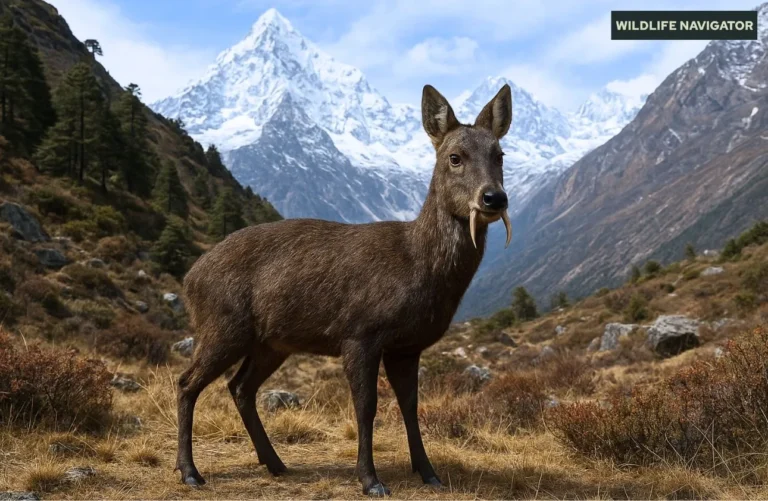
- Barking Deer (Muntjac): Common in forest edges and undergrowth.
- Wild Boar: Abundant throughout the park.
- Jackals and Hyenas: Smaller carnivores contributing to the ecological balance.
Birds
Jaldapara is a birdwatcher’s paradise, with over 250 species recorded:
- Hornbills: Large, striking birds often seen in forest canopies.
- Kingfishers: Brightly colored birds near rivers and wetlands.
- Egrets and Herons: Common in grasslands and water bodies.
- Raptors: Including eagles and kites hunting over open spaces.
- Migratory Species: Visiting during winter months, adding seasonal diversity.
Reptiles and Amphibians
- Snakes: Various species, including pythons and cobras.
- Turtles and Tortoises: Found in wetlands and riverbanks.
- Frogs and Amphibians: Flourish during the monsoon season.
Jaldapara’s faunal diversity not only makes it a hotspot for wildlife tourism but also highlights the importance of grassland and wetland ecosystems in supporting a wide range of species.
Flora of Jaldapara
Jaldapara National Park is not just a haven for wildlife—it is also home to rich and diverse plant life that supports the park’s ecosystem. The park’s unique combination of grasslands, riverine forests, and marshy wetlands provides habitats for a variety of flora, ranging from tall sal trees to aromatic grasses. These plants not only sustain herbivores like rhinos and deer but also create a thriving environment for birds, insects, and smaller mammals.
Key Flora Species in Jaldapara
The park boasts a variety of plant species, including:
- Sal Trees (Shorea robusta): Dominant in the riverine forests, providing shelter and food for many animals.
- Bamboo (Bambusa spp.): Important for habitat cover and erosion control.
- Kusum Tree (Schleichera oleosa): Produces fruits eaten by birds and deer.
- Indian Rosewood (Dalbergia latifolia): Valued for its hardwood, scattered in the forests.
- Bheru Tree (Terminalia bellerica): Found along riverbanks and forested areas.
- Tall Grasses (Saccharum spp., Imperata spp.): Form the iconic grasslands, crucial for rhinos and swamp deer.
- Water Lilies and Marsh Plants: Common in wetland areas, supporting aquatic life.
- Ferns and Shrubs: Abundant in shaded forest areas, adding to the undergrowth biodiversity.
These diverse plant species create a balanced ecosystem, sustaining herbivores and predators alike, and making Jaldapara a perfect example of nature’s interconnected web.
Wildlife Safaris and Activities
Experiencing the wildlife of Jaldapara National Park is best done through guided safaris and nature-based activities, which allow visitors to safely observe animals in their natural habitat while minimising disturbance.
Jeep Safaris
- Timings: Morning safaris (6:30 AM – 10:30 AM) and afternoon safaris (2:30 PM – 5:30 PM) are available.
- Routes: Safaris typically cover the grasslands, riverbanks, and forest patches, where rhinos, elephants, and deer are frequently sighted.
- Tips: Early morning safaris offer the best wildlife sightings, cooler temperatures, and softer light for photography.
Elephant Safaris
- Availability: Limited and often guided by forest officials.
- Experience: Riding atop elephants allows for a closer look at rhinos grazing and birds nesting in tall trees.
- Best For: Those looking for a unique perspective on the park’s grasslands and forests.
Birdwatching
- Jaldapara’s wetlands, grasslands, and riverine forests provide excellent birdwatching opportunities.
- Key Species: Hornbills, kingfishers, egrets, migratory ducks, and raptors.
- Equipment: Binoculars and a camera with a zoom lens are recommended for spotting elusive birds.
Photography and Nature Walks
- Photography: The park’s open grasslands, rivers, and early morning mist create stunning photographic opportunities.
- Guided Walks: Certain areas allow short nature walks under forest supervision, ideal for spotting smaller animals, insects, and plants.
Other Activities
- Local Village Visits: Nearby villages offer cultural experiences and insights into rural life in the Dooars.
- Eco-Tours: Some lodges organize eco-friendly tours to educate visitors about conservation and wildlife protection.
Accommodation Near Jaldapara
Located in and around Madarihat in West Bengal’s Dooars region, Jaldapara has a range of lodging—from budget homestays to forest lodges—to suit different types of wildlife-travellers.
Homestays & Budget Lodges
- There are homestay‑style rooms just outside the park, offering simple stays at very affordable rates. Starts from around ₹ 600 per night.
- Another budget option: an eco‑friendly accommodation at a package rate of ₹ 800 per person per day (including meals) in the area.
- Tip: Best for backpackers or those looking to maximise time in the park with minimal lodging cost. Food may be basic, rooms simple, but you’re close to nature.
Mid‑Range Forest Lodges / Government Tourist Lodges
- The government‑run Jaldapara Tourist Lodge in Madarihat (right at the park entrance area) lists approximate tariffs such as:
- Non‑AC deluxe double: ~ ₹ 1,500 per night.
- AC deluxe double (wooden block): ~ ₹ 2,200 per night.
- AC suite: ~ ₹ 3,000 per night.
- Another lodge inside the forest, the Hollong Tourist Lodge, has rooms around ₹ 2,500 per night for a double.
- Tip: These are good for comfortable stays, closer to safari zones, often with better amenities. You may still want to check what’s included (meals, hot water, etc.).
Premium / Resort‑Style Options
- While specific luxury price listings for Jaldapara are fewer, some private resorts near the park list “deluxe room” rates in the ~ ₹ 1,650 to ₹ 2,750 range for non‑AC standard/deluxe rooms. Example: one resort showing double bed standard at ~ ₹ 1,650 and deluxe ~ ₹ 1,980, four‑bed standard ~ ₹ 2,750.
- For a more upscale experience (resorts, eco‑luxury), you should expect higher rates depending on season, view, and inclusions.
- Tip: Useful for wildlife bloggers like you (Rosan) wanting good photo‑friendly stays, comfort, and location.
Approximate Price Summary
- Budget homestay: ₹ 600 – ₹ 1,000+ per night
- Mid‑range lodge: ₹ 1,500 – ₹ 3,000 per night for a double room
- Premium resort: ₹ 2,000+ and possibly much higher depending on luxury & season
Booking & Planning Tips
- Since you’re a wildlife blogger, book early, especially in peak season (winter), to get good rooms.
- Check whether meals are included or available onsite—some lodges offer full‑board packages.
- Confirm amenities: hot water, WiFi (if you need it), room view, proximity to safari gates.
- Consider staying inside or very near the park for better wildlife‑viewing opportunities (early morning, dusk).
- Check the refund/cancellation policy, as monsoon or unforeseen weather can affect access.
How to Reach Jaldapara National Park
Jaldapara National Park is well-connected by road, rail, and air, making it accessible from major cities in West Bengal and neighbouring states.
By Air
- Nearest Airport: Bagdogra Airport (~140 km from Jaldapara)
- Other Options: Netaji Subhas Chandra Bose International Airport in Kolkata (~560 km)
- From Airport to Park: Taxis or pre-arranged resort transfers are recommended. Travel time from Bagdogra is roughly 3–4 hours by car.
By Train
- Nearest Railway Stations:
- New Alipurduar (NOQ): ~16 km from Jaldapara, most convenient for trains from Northeast India and Kolkata.
- Alipurduar Junction (APDJ): ~25 km away, well-connected to major cities.
- From the station, taxis or shared jeeps are available to reach the park.
By Road
- Jaldapara is connected via NH31C and local highways.
- Regular state-run buses and private taxis operate from Siliguri, Alipurduar, and nearby towns.
- Self-drive is also an option, offering flexibility to stop at Dooars’ scenic spots along the way.
Visitor Tips and Conservation Efforts
Visiting Jaldapara National Park is a unique opportunity to experience India’s wilderness up close, but it also comes with responsibilities. By following some essential guidelines, you can enjoy the park safely while contributing to its conservation.
Visitor Tips
- Park Rules: Always follow instructions from forest officials and guides. Avoid venturing into restricted zones.
- Wildlife Safety: Maintain a safe distance from animals. Never feed or provoke wildlife.
- Noise and Disturbance: Keep noise to a minimum; loud sounds can disturb animals and birds.
- Eco-Friendly Practices: Avoid plastic and disposable items. Carry reusable water bottles and dispose of waste responsibly.
- Clothing and Gear: Wear neutral-colored clothing to blend in, sturdy shoes for safari walks, and binoculars/camera for wildlife viewing.
- Timing: Early mornings and late afternoons are best for sightings. Avoid safaris during the hottest part of the day.
Conservation Efforts
- Rhino Protection: Jaldapara plays a key role in protecting the Indian one-horned rhinoceros, with anti-poaching patrols and habitat management.
- Elephant and Deer Conservation: Grasslands and wetlands are carefully maintained to support elephants, swamp deer, and other herbivores.
- Community Involvement: Local communities are engaged in eco-tourism initiatives, providing income while fostering wildlife stewardship.
- Education and Awareness: Visitors are encouraged to learn about the ecosystem, biodiversity, and ongoing conservation programs.
By visiting responsibly, you not only enjoy the park’s breathtaking wildlife but also help protect its delicate ecosystem for future generations. Jaldapara is a living example of how sustainable tourism and conservation can go hand in hand.
Nearby Attractions
Jaldapara National Park is surrounded by scenic landscapes, cultural sites, and other wildlife destinations, making it an ideal base for exploring the Dooars region.
Buxa Tiger Reserve
- Located about 35 km from Jaldapara, Buxa Tiger Reserve is another rich wildlife habitat in West Bengal.
- Famous for tigers, elephants, leopards, and diverse bird species.
- Offers trekking trails, dense forests, and riverside landscapes.
Tea Gardens of Dooars
- Stretching across the foothills of the Eastern Himalayas, the Dooars tea estates are scenic and culturally vibrant.
- Visitors can tour tea plantations, see traditional tea processing, and interact with local workers.
- Popular estates near Jaldapara include Sujanpur Tea Estate and Chapramari Tea Garden.
Madarihat Village
- The gateway town to Jaldapara, Madarihat offers local markets, handicrafts, and cultural experiences.
- A chance to see traditional rural life of the Dooars region and taste authentic local cuisine.
River Torsa
- The Torsa River flows through the park, creating natural wetlands and attracting migratory birds.
- Ideal for photography, picnics, and spotting aquatic wildlife like otters and water birds.
Loleygaon and Kalimpong (Optional Day Trips)
- While slightly farther (80–120 km), these hill towns provide stunning views, trekking opportunities, and cultural attractions.
Visiting these nearby attractions can enrich your wildlife trip, combining jungle adventures with local culture, scenic landscapes, and photography opportunities.
Must Read: Kalimpong Travel Guide: Best Places to Visit, Things to Do & How to Reach - By Roads Rider
Conclusion
Jaldapara National Park is more than just a wildlife sanctuary—it is a living testament to India’s rich biodiversity and successful conservation efforts. From the iconic one-horned rhinoceros grazing in the sprawling grasslands to the melodious calls of hornbills and kingfishers, the park offers an unforgettable experience for nature lovers, photographers, and eco-tourists alike.
Beyond its wildlife, Jaldapara’s riverine forests, wetlands, and surrounding Dooars landscapes provide a serene escape from the hustle of city life. By visiting responsibly—following park rules, respecting wildlife, and supporting eco-friendly accommodations—you contribute to the protection of this pristine ecosystem for generations to come.
Whether you are a first-time visitor seeking adventure or a seasoned wildlife enthusiast, Jaldapara National Park promises a journey deep into the heart of India’s wilderness, where every safari, walk, and glance into the grasslands reveals the magic of untamed nature.