Hamilton Zoo – Animals, Conservation Efforts & Visitor Guide

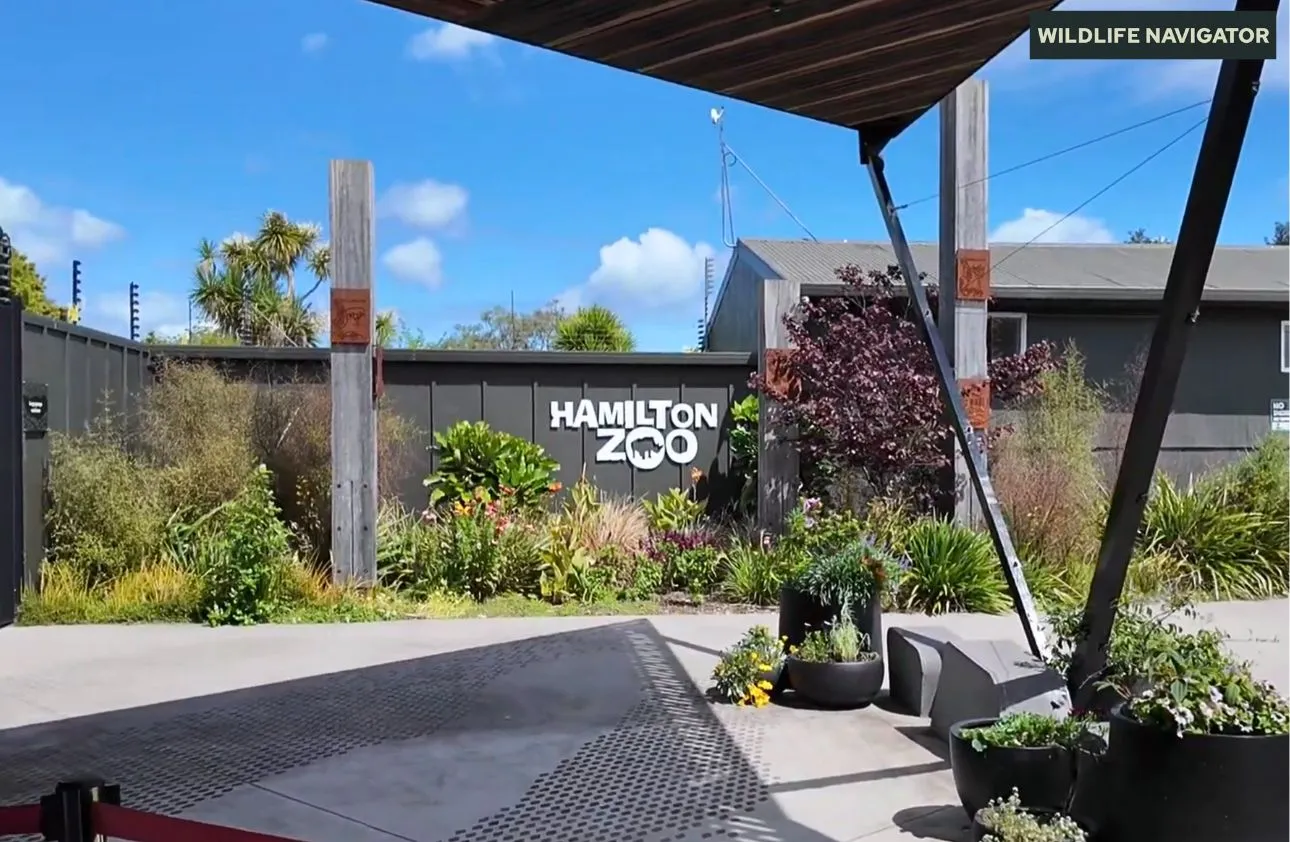
Hamilton Zoo is one of New Zealand’s most engaging wildlife attractions, offering visitors a chance to connect with animals from around the world while learning about conservation and sustainability.
Located in the heart of Waikato, this spacious, well-designed zoo is known for its naturalistic habitats that closely resemble the animals’ native environments, creating a more ethical and immersive experience for both wildlife and visitors.
Unlike traditional zoos, Hamilton Zoo places strong emphasis on conservation, education, and responsible animal care. Home to a diverse collection of native and exotic species—including giraffes, lions, lemurs, and rare birds—the zoo plays an active role in breeding programs and wildlife protection initiatives.
Whether you are travelling with family, exploring Hamilton as a tourist, or simply passionate about wildlife, Hamilton Zoo offers a meaningful and memorable day out that blends entertainment with environmental awareness.
History of Hamilton Zoo
Hamilton Zoo was officially opened to the public in 1969, starting as a small local attraction before gradually evolving into one of New Zealand’s most respected zoological parks. Over the decades, the zoo has undergone significant redevelopment, shifting away from traditional enclosures toward spacious, naturalistic habitats that prioritise animal welfare and enrichment.
A major turning point in its history came in the early 2000s, when Hamilton City Council invested in modern zoo standards, conservation-focused planning, and international best practices. Since then, Hamilton Zoo has become an active participant in regional and global conservation programs, particularly through partnerships with Zoo and Aquarium Association (ZAA) institutions.
Today, the zoo stands not just as a place to see animals, but as a center for conservation education, research, and the protection of endangered species for future generations.
Zoo Layout & Major Attractions
Hamilton Zoo is spread across a large, open landscape designed to give animals ample space while offering visitors an easy and enjoyable walking experience. The zoo is thoughtfully laid out into themed habitats, allowing guests to explore different ecosystems as they move through the park. Wide pathways, shaded areas, and scenic viewpoints make it suitable for families, photographers, and visitors of all ages.
One of the standout attractions is the African Savannah, where giraffes roam in expansive enclosures alongside other species, offering excellent viewing opportunities. The Big Cat habitats are another highlight, featuring lions and Sumatran tigers in environments designed to encourage natural behaviour.
Visitors also enjoy the walk-through aviary, immersive primate areas, and engaging animal encounter zones, all of which create a close, educational connection between people and wildlife while maintaining strong animal welfare standards.
Wildlife at Hamilton Zoo
Hamilton Zoo is home to a diverse collection of animals from Africa, Asia, Australia, and New Zealand, all housed in spacious, naturalistic enclosures designed to support animal welfare and natural behaviours.
The zoo focuses on species that play an important role in conservation breeding programs while also educating visitors about global wildlife protection. From iconic big cats to fascinating primates and native birds, Hamilton Zoo offers an engaging look at biodiversity from around the world.
List of Animals at Hamilton Zoo
Mammals
- African Lion
- Agouti
- American Plains Bison
- Sumatran Tiger
- Giraffe
- Ring-tailed Lemur
- Spider Monkey
- Meerkat
- Brown Capuchin Monkey
- Bennett’s Wallaby
Birds
- Southern Ground Hornbill
- Ostrich
- Emu
- Scarlet Macaw
- Native and exotic waterbirds
Reptiles & Amphibians
- Tuatara
- Carpet Python
- Blue-tongued Skink
- Various frog species
Invertebrates & Others
- Stick insects
- Native invertebrate species
Each animal at Hamilton Zoo plays a role in telling a broader conservation story, helping visitors understand species threats, habitat loss, and the importance of protecting wildlife both locally and globally.s in the wild and the importance of protecting natural habitats.
Conservation, Breeding & Research Programs
Conservation lies at the heart of Hamilton Zoo’s mission. The zoo actively participates in national and international breeding programs aimed at protecting endangered species and maintaining healthy, genetically diverse populations. As a member of the Zoo and Aquarium Association (ZAA), Hamilton Zoo follows strict animal welfare standards and collaborates with other accredited zoos to support long-term conservation goals.
A strong focus is placed on species that are threatened in the wild, including big cats, primates, and native wildlife. The zoo also contributes to research projects that improve animal care, enrichment, and breeding success, ensuring best practices are continually refined. Through these programs, Hamilton Zoo goes beyond being a visitor attraction, playing a meaningful role in safeguarding wildlife while educating the public about the urgent need for conservation and habitat protection.
Educational Programs & Visitor Engagement
Hamilton Zoo places strong emphasis on education, aiming to inspire visitors to care about wildlife and conservation. The zoo offers a range of educational programs designed for schools, families, and curious learners of all ages, helping to connect people with animals in a meaningful and responsible way.
School programs and guided learning sessions align with curriculum goals, providing hands-on experiences and expert-led insights into animal behaviour, habitats, and conservation challenges. For general visitors, daily keeper talks, animal feeding sessions, and interactive signage enhance the zoo experience by sharing behind-the-scenes knowledge.
Special events, holiday activities, and themed conservation days further encourage engagement, making Hamilton Zoo both an educational hub and an enjoyable destination for the community.
Tickets, Opening Hours & Visiting Information
Opening Hours & Location
The zoo is open every day of the year except Christmas Day.
- Hours: 9:30 am – 4:30 pm daily
- Last Admission: 3:30 pm
- Address: 183 Brymer Road, Rotokauri, Hamilton 3289, New Zealand
- Contact: +64 7 838 6720 or via email at zooinfo@hcc.govt.nz
Ticket Prices
Tickets can be purchased at the gate or online through the Hamilton Zoo website. Online tickets are valid for 90 days from the date of purchase, offering flexibility.
- Adult: $26.00
- Child (3 – 15 years): $13.00
- Child (Under 3 years): FREE
- Cardholder (Seniors 65+, Community Services Card, Students with valid ID): $20.00
- Family (2 adults + 3 to 4 children): $80.00
Group rates are available for 10 or more paying people, and annual passes offer unlimited entry for a full year.
Amenities & Accessibility
- Parking: Free on-site parking is available.
- Facilities: The zoo features a cafe, picnic areas, a gift shop, and playgrounds.
- Accessibility: The zoo offers wheelchair accessible entrances, parking lots, restrooms, and seating.
- Rules: For safety, visitors are asked to stay on public paths, avoid feeding the animals, and ensure children under 15 are supervised at all times.
How to Reach Hamilton Zoo
Hamilton Zoo is located in Rotokauri, on the northern edge of Hamilton city, making it easily accessible for both local visitors and travellers exploring New Zealand’s North Island.
Reaching Hamilton Zoo by Car
From Hamilton City Centre
- Distance: ~7–9 km
- Travel time: 10–15 minutes
- Route: Head north via Te Rapa Road, follow signs toward Rotokauri and Hamilton Zoo.
- Parking: Free on-site parking is available near the main entrance, including spaces for mobility permit holders.
From Auckland
- Distance: ~125 km
- Travel time: 1.5 to 2 hours, depending on traffic
- Route:
- Take State Highway 1 (SH1) south toward Hamilton
- Exit toward Te Rapa / Rotokauri
- Follow local signage to Hamilton Zoo
- Tip: Leaving Auckland early morning or after peak hours helps avoid traffic congestion.
From Rotorua
- Distance: ~110 km
- Travel time: 1.5 hours
- Route: Travel via SH5 and SH1, then follow signs to Te Rapa and the zoo.
Reaching Hamilton Zoo by Public Transport
By Bus
- Waikato Regional Council operates local bus services in Hamilton.
- Buses run toward Te Rapa / Rotokauri area.
- Visitors usually need to:
- Get off at a stop along Te Rapa Road
- Walk approximately 10–20 minutes to the zoo entrance
- Tip: Public transport is best suited for flexible schedules, as buses may not drop directly at the zoo gate.
By Train
- Hamilton has limited passenger rail connectivity.
- If arriving by train, continue the journey by taxi, rideshare, or bus to reach the zoo.
By Taxi or Rideshare (Uber, Ola, Local Taxis)
- Readily available throughout Hamilton city
- Travel time from city centre: 10–15 minutes
- Ideal for:
- Tourists without rental cars
- Families with children
- Visitors staying near central Hamilton hotels
- Drop-off point is directly at the zoo entrance.
By Bicycle
- Hamilton is known for being cycle-friendly
- Shared paths and relatively flat terrain make cycling feasible
- Distance from city centre: ~30–40 minutes by bike
- Bike racks are available near the entrance
- Best suited for fair-weather days
Travel Tips for First-Time Visitors
- Use Google Maps or local navigation apps for the most accurate routing
- Arrive early to secure parking during weekends and school holidays
- Combine your visit with nearby attractions like Hamilton Gardens or Waikato River Trails for a full-day itinerary
Hamilton Zoo’s well-connected location makes it easy to reach whether you’re a local resident, a family traveler, or a wildlife enthusiast exploring the Waikato region.
Tips for Visiting Hamilton Zoo
To make the most of your visit to Hamilton Zoo, plan to arrive early in the day when animals are generally more active and the zoo is less crowded. Mornings are also ideal for attending keeper talks and feeding sessions, which offer valuable insights into animal behaviour and care.
Wear comfortable walking shoes, as the zoo covers a large area and is best explored on foot. Bringing sun protection, water bottles, and light snacks can enhance your experience, especially during warmer months.
Families with children may want to prioritise interactive exhibits and shaded rest areas, while wildlife photographers should allow extra time around the African Savannah and big cat enclosures for the best viewing opportunities.
Nearby Attractions
- Waikato River Trails – Scenic walking and cycling paths along New Zealand’s longest river
- Hamilton Gardens – World-renowned themed gardens showcasing global landscapes
- Lake Rotoroa (Hamilton Lake) – Popular spot for relaxing walks, picnics, and birdwatching
- Waikato Museum – Cultural and historical exhibits highlighting the Waikato region
- Glenview Nature Reserve – Quiet green space ideal for short nature walks and wildlife spotting
These nearby attractions make it easy to combine a visit to Hamilton Zoo with other enjoyable experiences around Hamilton.
Conclusion
Hamilton Zoo is more than just a place to see animals—it is a destination that blends conservation, education, and memorable wildlife experiences. With its spacious naturalistic habitats, diverse animal collection, and strong commitment to endangered species protection, the zoo offers visitors a meaningful way to connect with nature.
Whether you are visiting Hamilton with family, exploring New Zealand’s wildlife attractions, or simply looking for a responsible and enjoyable day out, Hamilton Zoo stands out as a must-visit destination. A trip here not only entertains but also helps support vital conservation efforts that protect wildlife for future generations.