Guindy National Park – Chennai’s Green Heart and Urban Wildlife Haven

Guindy National Park is one of India’s smallest yet most extraordinary protected areas. Spread over just 2.7 square kilometres, this compact sanctuary proves that size does not define significance. Guindy is not only a refuge for wildlife but also a living example of how nature can thrive alongside a bustling metropolis.
What makes Guindy truly exceptional is its location right in the heart of Chennai, surrounded by landmarks such as Raj Bhavan (the Governor’s residence), IIT Madras, and the Guindy Race Course. Few national parks in the world share such proximity to a major urban centre, making it a rare ecological gem in India’s conservation story.
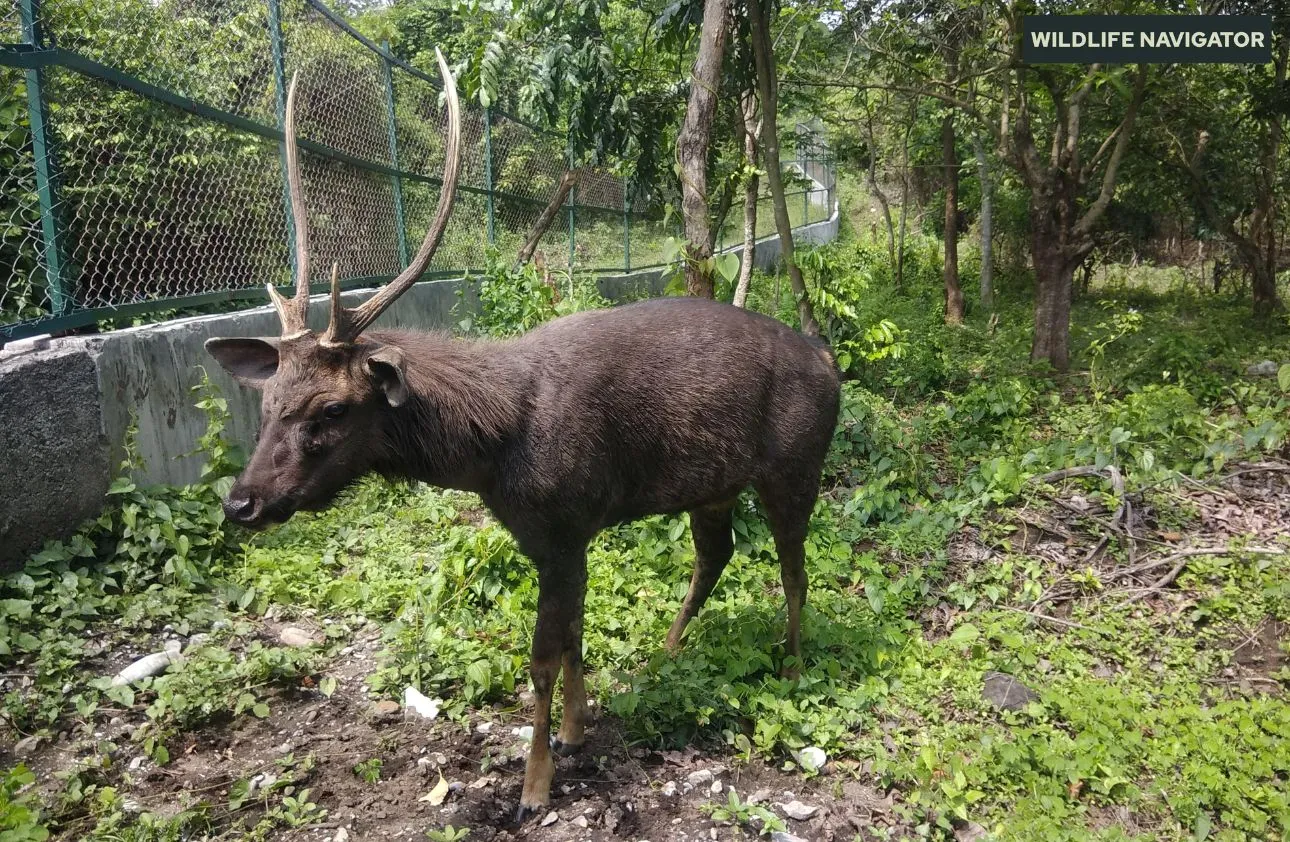
The park’s landscapes are a mosaic of dry evergreen forests, scrublands, and open grasslands, home to a thriving population of spotted deer, blackbuck, jackals, and over 130 species of birds. It forms an essential green lung for the city, purifying the air and offering residents a glimpse into the wild just minutes away from concrete towers and crowded streets.
Guindy’s history stretches back to the colonial era, when it was part of the Governor’s estate and preserved to protect its deer population. Over the decades, the area evolved into a model of urban conservation, culminating in its declaration as a national park in 1978. Today, it stands as a vital reminder that biodiversity conservation and city development can coexist, inspiring similar urban wildlife initiatives across India.
History and Recognition of Guindy National Park
The story of Guindy National Park is deeply intertwined with the history of Chennai itself. From its origins as a portion of the British Governor’s private estate to its transformation into one of India’s most inspiring examples of urban conservation, Guindy’s journey reflects how foresight and protection can preserve nature even in the heart of a city.
Early Exploration
- The area now known as Guindy National Park was once part of the Guindy Lodge Estate, the official residence of the British Governor of Madras during colonial times.
- As early as the 19th century, portions of the estate were fenced off to protect the resident deer population, particularly blackbuck and spotted deer (chital), which roamed freely in the region.
- British officers and naturalists documented the local flora and fauna, recognising Guindy as an important dry evergreen ecosystem — a habitat type unique to Tamil Nadu’s Coromandel plains.
Formation of the National Park
- Following India’s independence, Raj Bhavan (the Governor’s residence) and its surrounding lands remained under state ownership.
- In 1958, a portion of this area was officially designated as the Guindy Deer Park, a small reserve meant to conserve native herbivores and other wildlife.
- Recognising its ecological and educational value, the Tamil Nadu Forest Department expanded the protected area, and in 1978, Guindy was declared a National Park under the Wildlife (Protection) Act.
- The park’s current expanse of about 2.7 square kilometres makes it one of the smallest national parks in India, yet one of the most unique due to its location within an urban core.
Conservation Milestone
- Guindy stands as a model of coexistence between humans and wildlife. Despite encirclement by roads, institutions, and residential colonies, it sustains over 400 species of plants and animals.
- The establishment of the Guindy Snake Park (1972) and the Children’s Park (1977) on its periphery marked an innovative approach — combining education, research, and recreation without harming the ecosystem.
- Ongoing efforts by the Tamil Nadu Forest Department focus on habitat restoration, species monitoring, and awareness programs targeting schools and urban residents.
- The park’s conservation model demonstrates that even small green spaces can play a big role in protecting biodiversity, especially in cities battling pollution and habitat loss.
Geography and Landscape of Guindy National Park
Guindy National Park is a unique ecosystem set right within the urban sprawl of Chennai, Tamil Nadu. Despite its compact area, the park encapsulates an incredible variety of landscapes — from dense dry forests and grasslands to wetlands that sustain a surprising diversity of life. Its geography tells a story of how natural habitats can survive amid one of India’s busiest metropolitan regions.
Location and Setting
- Located in southern Chennai, within the Guindy region, this national park lies adjacent to several important city landmarks — Raj Bhavan, IIT Madras, and Adyar’s residential neighbourhoods.
- It forms part of a larger green zone that includes the Guindy Snake Park and Children’s Park, extending the reach of wildlife education and conservation in the city.
- The park’s geographical coordinates place it at the heart of Chennai’s Coromandel Coast, approximately 12°59’N latitude and 80°14’E longitude, showcasing an urban biodiversity hotspot unparalleled in India.
- Its accessibility — just a few kilometres from Chennai International Airport and key city junctions — makes it one of the most easily reachable national parks in the country.
Topography and Elevation
- The park lies on the flat coastal plains of the Eastern Ghats’ tail end, typical of Tamil Nadu’s low-lying terrain.
- Elevation ranges between 20 to 30 meters above sea level, offering gentle slopes and occasional undulations.
- The soil composition is largely sandy loam with patches of red earth, providing ideal conditions for dry evergreen vegetation.
- Natural depressions across the park form seasonal ponds and marshy areas, creating small aquatic microhabitats that support fish, amphibians, and waterfowl.
Major Valleys and Rivers
- Guindy does not feature large valleys or flowing rivers due to its size and location.
- However, it benefits from proximity to the Adyar River, one of Chennai’s major watercourses that flows just south of the park.
- Several small rain-fed ponds and tanks, such as Kotturpuram marshes nearby, act as crucial water sources for wildlife during dry months.
- These hydrological features help maintain a delicate urban ecological balance, supporting life even in peak summer.
Flora of Guindy National Park
Though modest in size, Guindy National Park shelters a remarkable variety of plant species that form the foundation of its thriving ecosystem. The park represents the tropical dry evergreen forest (TDEF) — a rare and endangered vegetation type native to the Coromandel Coast of Tamil Nadu. Within its 2.7 square kilometres, Guindy hosts over 350 species of plants, including native trees, shrubs, herbs, and grasses, which support a wide diversity of wildlife.
Major Vegetation Zones
- Dry Evergreen Forests
- The dominant vegetation type of Guindy, typical of Tamil Nadu’s coastal plains.
- Evergreen canopy interspersed with thorny undergrowth and climbers.
- Characterized by species adapted to withstand long dry spells and saline winds.
- Memecylon edule (Anjani)
- Manilkara hexandra (Paalai)
- Randia dumetorum (Madanapala)
- Albizia amara (Arappu)
- Chloroxylon swietenia (Satinwood)
- Acacia leucophloea (Vellai Vagai)
- Azadirachta indica (Neem)
- Ficus benghalensis (Banyan) and Ficus religiosa (Peepal)
- Scrublands and Grass Patches
- Found along the park’s open clearings and edges.
- These zones sustain grazing herbivores like deer and blackbuck.
- The soil here supports hardy grasses and shrubs that flourish during monsoon months.
- Cynodon dactylon (Bermuda Grass)
- Andropogon contortus (Bluestem Grass)
- Lantana camara (Lantana – invasive but abundant)
- Cassia auriculata (Tanner’s Cassia)
- Dodonaea viscosa (Hop Bush)
- Wetlands and Ponds
- Seasonal ponds and depressions collect rainwater, forming small aquatic habitats.
- These areas support reeds, sedges, and water lilies, providing food and cover for amphibians and water birds.
- Nymphaea nouchali (Blue Water Lily)
- Typha angustata (Cattail)
- Cyperus rotundus (Nut Grass)
- Eichhornia crassipes (Water Hyacinth – introduced species)
Unique Features of Guindy’s Flora
- Tropical Dry Evergreen Forest (TDEF): Once widespread along India’s southeast coast, this forest type is now rare and fragmented, with Guindy representing one of the last surviving pockets within an urban environment.
- Medicinal Plants: The park hosts several native herbs and shrubs with traditional medicinal value, used in Siddha and Ayurveda practices.
Examples include:- Aegle marmelos (Bael)
- Ocimum tenuiflorum (Tulsi)
- Phyllanthus emblica (Indian Gooseberry)
- Butterfly and Pollinator Flora: Flowering plants like Ixora coccinea, Clerodendrum inerme, and Jasminum sambac attract numerous butterflies and bees throughout the year.
- Sacred and Heritage Trees: Ancient banyan and peepal trees dot the landscape, offering nesting sites for birds and shade for visitors.
- Ecological Importance: The park’s vegetation plays a crucial role in carbon sequestration, temperature regulation, and air purification — vital functions for an urban ecosystem.
In essence, Guindy’s flora demonstrates the resilience of dry evergreen forests — plants that adapt to harsh sunlight, saline winds, and limited rainfall — all while nurturing the delicate balance of life within one of India’s largest cities.
Fauna of Guindy National Park
Despite its small size and proximity to one of India’s busiest cities, Guindy National Park teems with wildlife. It shelters a diverse array of species — from elegant blackbucks grazing in open grasslands to colorful birds, reptiles, and countless smaller creatures that keep the ecosystem alive and balanced. The park’s fauna exemplifies how nature can persist even in a heavily urbanized environment, making it a living classroom for urban ecology and conservation.
Major Mammals Found
Guindy National Park provides safe refuge to around 20 species of mammals, many of which have adapted remarkably well to city surroundings.
Common and notable mammals include:
- Spotted Deer (Chital – Axis axis) – The most frequently sighted mammal, found in herds across grasslands and forest edges.
- Blackbuck (Antilope cervicapra) – Once abundant, now rare and highly protected. Guindy is one of the few remaining strongholds for this graceful antelope within city limits.
- Indian Jackal (Canis aureus) – Seen at dawn and dusk; plays a vital role in controlling smaller prey populations.
- Indian Civet (Viverricula indica) – Nocturnal species that thrives in wooded areas, feeding on fruits and small vertebrates.
- Common Mongoose (Herpestes edwardsii) – Frequently observed during the day; known for its agility and snake-hunting ability.
- Indian Pangolin (Manis crassicaudata) – A rare, shy, and endangered species occasionally reported within the park.
- Three-striped Palm Squirrel (Funambulus palmarum) – Abundant and active, often seen darting across tree trunks and park trails.
- Indian Hare (Lepus nigricollis) – Found in open scrub and grasslands during early mornings and evenings.
Birdlife
Birdwatchers consider Guindy National Park a birding hotspot within Chennai, boasting over 130 recorded bird species. Its mosaic of trees, grasslands, and ponds attracts both resident and migratory birds throughout the year.
Common Resident Birds:
- Rose-ringed Parakeet (Psittacula krameri)
- White-breasted Kingfisher (Halcyon smyrnensis)
- Indian Peafowl (Pavo cristatus)
- Black Drongo (Dicrurus macrocercus)
- Coppersmith Barbet (Psilopogon haemacephalus)
- Common Myna (Acridotheres tristis)
- Purple-rumped Sunbird (Leptocoma zeylonica)
- Spotted Dove (Spilopelia chinensis)
Migratory and Seasonal Visitors:
- Pond Heron (Ardeola grayii)
- Little Egret (Egretta garzetta)
- Common Sandpiper (Actitis hypoleucos)
- Asian Koel (Eudynamys scolopaceus)
- Oriental Magpie Robin (Copsychus saularis)
The park’s wetlands, particularly after monsoon rains, come alive with egrets, cormorants, and storks, while the tree canopy resonates with the calls of parakeets and cuckoos.
Reptiles and Smaller Species
Guindy’s herpetofauna is equally fascinating, reflecting the habitat diversity within this compact ecosystem. The adjoining Guindy Snake Park also contributes to reptile conservation and education.
Common Reptiles:
- Indian Cobra (Naja naja)
- Rat Snake (Ptyas mucosa)
- Checkered Keelback (Fowlea piscator)
- Garden Lizard (Calotes versicolor)
- Common Skink (Eutropis carinata)
- Fan-throated Lizard (Sarada superba) – seen basking in open sandy areas.
- Indian Star Tortoise (Geochelone elegans) – rare but occasionally recorded.
Amphibians:
- Indian Bullfrog (Hoplobatrachus tigerinus)
- Skittering Frog (Euphlyctis cyanophlyctis)
- Common Tree Frog (Polypedates maculatus)
Butterflies and Invertebrates:
The park is a haven for insects and butterflies, with over 60 recorded species fluttering through flowering meadows and forest trails.
Common butterflies include:
- Common Jezebel (Delias eucharis)
- Lemon Pansy (Junonia lemonias)
- Plain Tiger (Danaus chrysippus)
- Common Mormon (Papilio polytes)
- Blue Tiger (Tirumala limniace)
- Crimson Rose (Pachliopta hector)
These pollinators, along with numerous dragonflies, bees, and beetles, contribute significantly to the ecological health of the park.
Ecological Importance
- The fauna of Guindy forms a complex web of interdependence — herbivores like deer sustain predators like jackals, while pollinators support plant regeneration.
- The park acts as a biodiversity reservoir in Chennai’s urban ecosystem, offering refuge to species that might otherwise be lost to habitat loss and pollution.
- For researchers, students, and nature lovers, Guindy serves as an open-air laboratory for studying wildlife adaptation in an urban landscape.
Best Time to Visit Guindy National Park
The ideal time to visit Guindy National Park is during the cooler months from November to February, when Chennai’s weather is pleasant, humidity is lower, and wildlife activity is more visible. During this season, visitors can enjoy comfortable walks through the park’s shaded trails, spot deer and birds easily, and explore the adjoining Snake Park and Children’s Park without the summer heat.
Monsoons (June–September) bring lush greenery and occasional showers, while summers (March–May) can be quite hot and humid, making early mornings the best time for exploration.
Best Season to Visit:
- Winter (November – February): Pleasant weather, active birdlife.
- Monsoon (June – September): Greener surroundings, fewer crowds.
- Summer (March – May): Hot and dry; visit early morning or late evening.
Recommended Visiting Hours:
- 8:30 AM – 5:30 PM (Closed on Tuesdays).
- Early morning hours are ideal for birdwatching and photography.
Visual Appeal
- The landscape of Guindy National Park is a vibrant mix of green canopies, open grass meadows, and tranquil water bodies framed by the backdrop of city structures.
- Early mornings often reveal deer grazing under acacia trees, sunlight filtering through banyan branches, and flocks of parakeets filling the air with chatter.
- Photographers are drawn to the contrast between wilderness and urban skyline — a living juxtaposition of nature and city life.
- The park’s eco-trails and viewing zones offer perfect vantage points for observing wildlife in its natural yet urban-adapted setting.
Nearby Attractions Around Guindy National Park
The charm of Guindy National Park extends beyond its forested trails — its surrounding area is dotted with eco-tourism sites, cultural landmarks, and nature education centers that make Chennai a vibrant destination for both wildlife lovers and travellers. A visit to Guindy can easily be combined with nearby attractions that highlight the city’s balance between heritage, ecology, and modern life.
Guindy Snake Park
- Located adjacent to the main entrance of Guindy National Park, this is one of India’s earliest reptile conservation centres.
- Established in 1972 by herpetologist Romulus Whitaker, the park houses snakes, lizards, turtles, and crocodiles in naturalistic enclosures.
- Serves as an educational hub, promoting awareness about reptiles and dispelling common myths and fears associated with snakes.
- Popular exhibits include King Cobra, Russell’s Viper, Indian Rock Python, and Monitor Lizard.
- The on-site interpretation centre offers displays, feeding sessions, and guided tours for visitors.
Adyar Eco Park (Tholkappia Poonga)
- Located about 5 km from Guindy, this restored estuarine eco-park near the Adyar River mouth showcases Chennai’s commitment to restoring urban wetlands.
- Spread over 58 acres, the park features mangroves, tidal creeks, and salt-tolerant vegetation — crucial habitats for migratory birds and aquatic life.
- Access is restricted to guided tours focused on environmental education and wetland conservation.
- Ideal for those who wish to see how ecological restoration projects can revive degraded landscapes.
Theosophical Society Gardens, Adyar
- About 15 minutes from Guindy, these tranquil gardens lie along the banks of the Adyar River.
- Home to the Great Banyan Tree, one of the largest in India, covering nearly an acre in area.
- The gardens harbor numerous bird species and ancient trees, making them a peaceful retreat for nature lovers and photographers.
- A perfect example of spiritual ecology, blending environmental preservation with quiet contemplation.
Marina Beach
- Just 8 km from Guindy, Marina Beach is among the world’s longest urban beaches, stretching over 13 km along the Bay of Bengal.
- Offers stunning sunrise views and a chance to experience Chennai’s coastal culture.
- Nearby attractions include the Madras Lighthouse, Triumph of Labour statue, and local seafood stalls.
- An ideal evening stop after exploring Guindy’s green trails.
Government Museum, Egmore
- Located around 10 km from Guindy, the Government Museum, Chennai, is one of India’s oldest and most comprehensive museums.
- Its Natural History Gallery complements the Guindy experience by showcasing specimens of wildlife, fossils, and preserved species from across India.
- Visitors can explore ethnographic, archaeological, and art sections that narrate the region’s rich cultural and environmental past.
Birla Planetarium and Periyar Science & Technology Centre
- Situated in Kotturpuram, close to the park.
- Offers planetarium shows, science exhibits, and educational displays that attract students and families.
- Great for combining nature and science learning within one visit.
Accommodation Options Near Guindy National Park
While Guindy National Park itself is located in the heart of Chennai and does not offer extensive accommodation inside the protected area, visitors will find a wide range of stays nearby — from eco-friendly lodges and budget hotels to luxury urban retreats. The surrounding neighborhoods of Guindy, Adyar, Saidapet, T. Nagar, and Velachery provide convenient bases for exploring both the park and the city’s attractions.
Hotels and Lodges Near Guindy
Visitors can choose from comfortable hotels located just minutes away from the park entrance. Many of these properties cater to both leisure travelers and professionals visiting Chennai.
Popular options include:
- ITC Grand Chola, Guindy – A luxury 5-star property blending sustainable practices with modern comfort; located about 2 km from the park.
- Park Hyatt Chennai – Overlooking the Raj Bhavan forest zone, this hotel offers scenic views and eco-conscious amenities.
- Hilton Chennai – Situated near Guindy railway station; ideal for business and leisure travelers.
- Lemon Tree Hotel, Guindy – Mid-range option offering comfort and easy access to the park and Chennai Airport.
- Treebo Trend Adyar – Budget-friendly choice within 10 minutes’ drive from the park gate.
Eco-Friendly and Boutique Stays
For visitors seeking a stay experience that aligns with Guindy’s green spirit, several properties emphasize sustainability and local charm.
Recommended stays:
- Green Meadows Resort, Palavakkam – A boutique eco-resort surrounded by greenery, about 8 km from the park.
- The Leela Palace Chennai – Though a luxury hotel, it practices water recycling and greenery preservation; located near Adyar Creek.
- Ambrosia Guest House, Adyar – A peaceful homestay-style option, ideal for solo travelers or nature enthusiasts.
Forest Rest Houses and Research Facilities
- Guindy National Park has limited forest department accommodations, primarily reserved for officials, researchers, or approved study groups.
- These facilities are not open to the general public but can sometimes be accessed through special permits from the Tamil Nadu Forest Department.
- The Forest Range Office within the park coordinates educational visits, study programs, and eco-camps for students.
Accessibility and Connectivity
- Guindy’s prime location ensures excellent connectivity to Chennai’s transport hubs.
- Chennai International Airport is just 8 km away, while Guindy railway and metro stations offer easy access from all parts of the city.
- Most hotels and lodges provide taxi or cab facilities for guests wishing to visit the park early in the morning — the best time for birdwatching and photography.
Whether you prefer a luxury eco-stay, budget-friendly lodge, or a simple guesthouse, the Guindy area ensures you’re always close to both urban comforts and the tranquility of the wild.
Conclusion
Guindy National Park stands as a living reminder of how nature can coexist with urban growth, offering a rare green refuge within the bustling cityscape of Chennai. Despite its compact size, this park embodies an extraordinary diversity of life — from spotted deer grazing under tamarind trees to vibrant kingfishers darting across quiet ponds.
It represents not only an ecological treasure but also an educational and emotional landmark for generations of Chennai residents who have grown up visiting its shaded trails and learning about wildlife conservation. The park’s proximity to institutions, schools, and urban neighborhoods has made it one of India’s most accessible and impactful natural reserves, inspiring countless young minds to value biodiversity.
Guindy’s enduring charm lies in its blend of wilderness and heritage — from the historic Raj Bhavan estate and the serene children’s park to its ancient trees that have silently witnessed the city’s evolution. Each visit reminds us that even in the heart of development, there can exist sanctuaries of silence, beauty, and life.
In essence, Guindy National Park is more than just a protected forest — it’s a symbol of hope for urban conservation, proving that cities, too, can nurture the wild if given a chance.