Denali National Park and Preserve – Alaska, North America

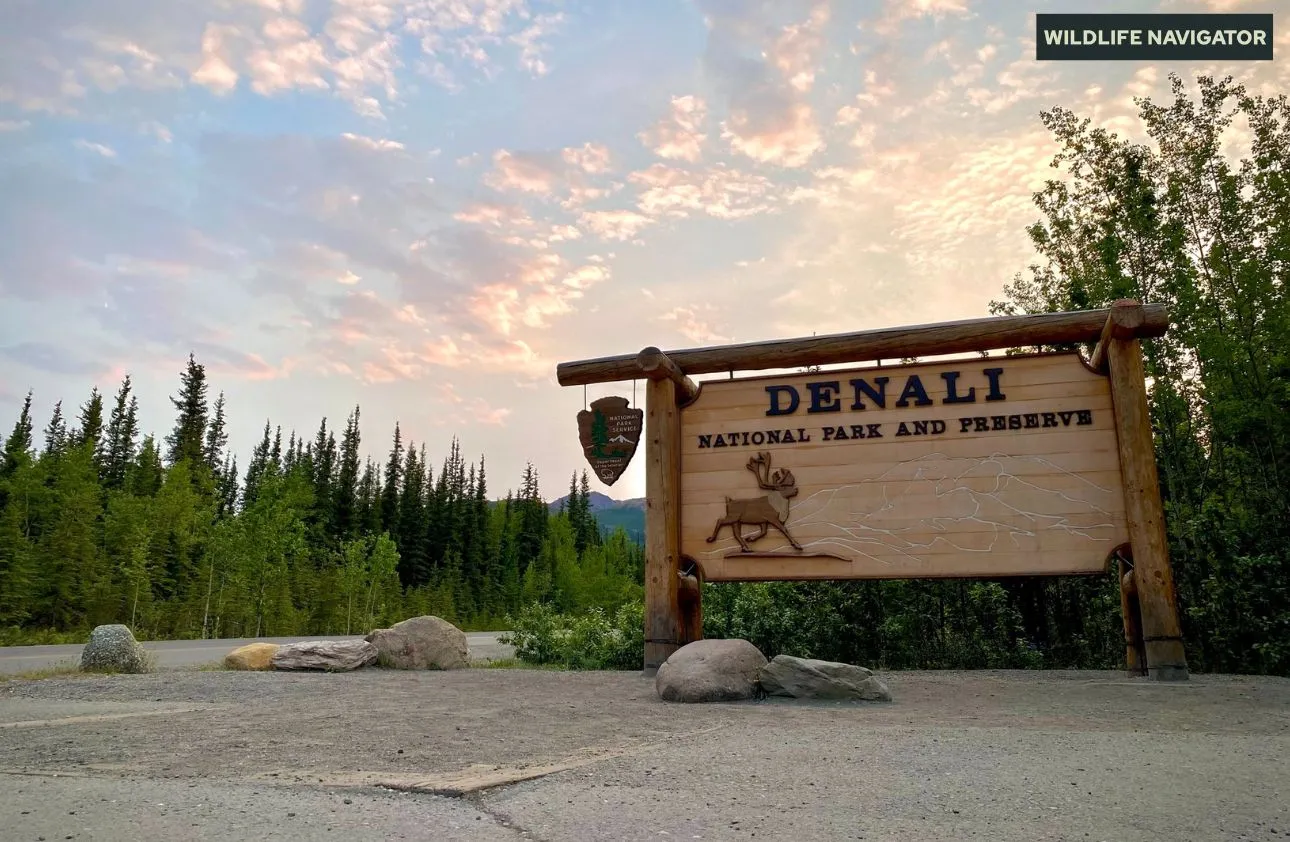
Located in the heart of Alaska, Denali National Park and Preserve is one of the most spectacular wilderness areas in North America. Covering more than six million acres of wild landscapes, the park protects vast tundra, boreal forests, braided rivers, glaciers, and rugged mountains. At its centre rises Denali, the tallest peak in North America, standing at 20,310 feet (6,190 m). This iconic mountain dominates the skyline and has become a symbol of Alaska’s raw and untamed beauty.
Denali National Park is renowned for its extraordinary wildlife and remote backcountry. Visitors often come hoping to spot the park’s famous “Big Five” mammals—grizzly bears, wolves, moose, caribou, and Dall sheep—roaming freely across the open tundra and alpine slopes. Unlike many national parks with extensive road networks, Denali remains largely wild, with only one main road penetrating deep into the park, helping preserve its pristine ecosystems.
From wildlife viewing and hiking to scenic bus tours and mountaineering adventures, Denali offers an unforgettable experience for nature lovers and explorers. Whether you are seeking dramatic landscapes, rich biodiversity, or a true Alaskan wilderness adventure, Denali National Park stands as one of the world’s most remarkable protected areas.
History, Geography & Landscape of Denali National Park
Early Indigenous Presence
Long before the establishment of Denali National Park and Preserve, the region was home to Indigenous Athabascan peoples who lived across the interior of Alaska. These communities relied on the land for hunting, fishing, and seasonal travel. The mountain they called Denali, meaning “The High One,” held cultural and spiritual significance. Indigenous knowledge of wildlife movements, weather patterns, and the landscape shaped the early understanding of this vast wilderness.
Establishment of the Park
The park was originally established in 1917 as Mount McKinley National Park, primarily to protect wildlife populations, especially Dall sheep, from overhunting. Conservationist Charles Sheldon played a major role in advocating for the creation of the protected area. In 1980, the park was significantly expanded under the Alaska National Interest Lands Conservation Act, creating the modern Denali National Park and Preserve and protecting millions of acres of wilderness.
Geography & Major Landscapes
Denali National Park covers more than 6 million acres and contains a remarkable diversity of landscapes. Elevations range from low valleys and forests to towering alpine peaks.
Key landscapes within the park include:
- Tundra Ecosystems – Vast open tundra dominates much of the park, especially in higher elevations.
- Boreal Forests – Lower elevations contain spruce, birch, and aspen forests typical of interior Alaska.
- Glaciers and Icefields – Numerous glaciers flow down from the Alaska Range.
- Mountain Peaks and Alpine Slopes – The rugged Alaska Range forms the park’s dramatic skyline.
- Braided Rivers and Valleys – Rivers like the Toklat River carve wide gravel valleys through the wilderness.
Together, these landscapes create one of the most intact and wild ecosystems in North America, making Denali National Park a crucial refuge for Arctic and subarctic wildlife.
Flora and Fauna of Denali National Park
The vast wilderness of Denali National Park and Preserve supports an impressive variety of wildlife and plant life adapted to the harsh subarctic climate of Alaska. From boreal forests in lower valleys to alpine tundra at higher elevations, the park’s diverse habitats provide refuge for many iconic northern species.
Major Wildlife Species
Denali is famous for its large mammals, often referred to as the park’s “Big Five.” These animals roam freely across the tundra, mountains, and river valleys.
- Grizzly Bear – Frequently seen foraging across open tundra slopes.
- Gray Wolf – Elusive predators that travel in packs across vast territories.
- Moose – The largest member of the deer family, commonly found in forested areas.
- Caribou – Large migratory herds move across the tundra plains.
- Dall Sheep – Known for their white coats and curled horns, often seen on steep mountain slopes.
Other mammals include the Red Fox, Arctic Ground Squirrel, and Snowshoe Hare.
Birdlife in Denali
The park is also home to more than 160 bird species, especially during the summer breeding season.
Notable birds include:
- Golden Eagle
- Willow Ptarmigan (Alaska’s state bird)
- Gyrfalcon
- Common Raven
Many migratory birds travel thousands of miles to nest in the park’s tundra and wetlands during the short Arctic summer.
Plant Life
Despite its rugged environment, Denali supports more than 1,500 plant species. Vegetation varies greatly depending on elevation and climate.
Common plant communities include:
- Boreal Forest Vegetation – Dominated by spruce, birch, and aspen trees.
- Tundra Plants – Mosses, lichens, dwarf shrubs, and hardy grasses.
- Wildflowers – Species such as fireweed, lupine, and alpine forget-me-not bloom during the brief summer season.
These plant communities form the foundation of Denali’s ecosystems, supporting the diverse wildlife that makes the park one of the most remarkable natural areas in North America.
Denali Mountain: The Crown Jewel of Denali National Park
At the heart of Denali National Park and Preserve stands Denali, the tallest mountain in North America. Rising to an elevation of 20,310 feet (6,190 meters), this massive peak dominates the skyline of Alaska and is one of the most iconic mountains in the world. Its immense vertical rise from the surrounding landscape makes it appear even more dramatic than many taller Himalayan peaks.
The name “Denali,” meaning “The High One”, comes from the language of the region’s Indigenous Athabascan peoples. For many years the mountain was officially known as Mount McKinley, but in 2015 the U.S. government restored the traditional name Denali to honor its cultural heritage.
Denali is also one of the world’s most challenging mountains for climbers. Extreme weather, high altitude, and freezing temperatures make mountaineering here a serious expedition. Each year, experienced climbers attempt to reach the summit using routes such as the famous West Buttress Route, the most popular climbing path.
Even for visitors who do not climb, the mountain remains a breathtaking sight. On clear days, travelers along the Denali Park Road can enjoy spectacular views of the snow-covered peak rising above glaciers, tundra valleys, and the rugged Alaska Range. Seeing Denali appear through the clouds is often considered one of the most unforgettable moments of a visit to Denali National Park.
Wildlife Viewing & Bus Tours in Denali National Park
One of the most memorable experiences in Denali National Park and Preserve is wildlife viewing across its vast tundra landscapes. Because much of the park is protected wilderness, access is carefully managed to minimize environmental impact and protect animals in their natural habitat.
Denali Park Road
The main route through the park is the Denali Park Road, a scenic 92-mile road stretching deep into the wilderness toward the base of Denali. Private vehicles are generally restricted beyond the first section of the road, helping reduce traffic and preserve the park’s natural environment.
As a result, most visitors explore the park using authorized bus services. Traveling along Denali Park Road offers excellent opportunities to spot wildlife such as Grizzly Bear, Caribou, Moose, and Dall Sheep roaming freely across the tundra.
Bus Tour Options
Visitors typically choose between two main types of bus experiences:
1. Shuttle Buses
- More flexible and budget-friendly
- Allow passengers to hop on and off at designated stops
- Ideal for hikers and independent explorers
2. Narrated Tour Buses
- Guided tours with naturalist commentary
- Stops for wildlife viewing and photography
- Comfortable option for first-time visitors
Best Wildlife Viewing Areas
Certain sections of the park are especially known for wildlife sightings. Popular viewing areas include:
- Savage River – A great place for early wildlife sightings near the entrance.
- Toklat River valley – Known for caribou and grizzly bear activity.
- Eielson Visitor Center – Offers stunning views of Denali and nearby wildlife habitats.
Patience is key when exploring Denali. Wildlife sightings can happen at any moment, and part of the excitement comes from scanning the vast wilderness for animals moving across the landscape.
Best Things to Do in Denali National Park
A visit to Denali National Park and Preserve offers a wide range of outdoor adventures and nature experiences. From wildlife watching to backcountry exploration, the park provides opportunities for travelers to immerse themselves in the rugged wilderness of Alaska.
Hiking and Backcountry Exploration
Denali is a paradise for hikers. Unlike many national parks, much of Denali has no marked trails, allowing visitors to explore the vast tundra and mountain landscapes freely. Popular hiking areas include:
- Savage River Loop Trail – A scenic and relatively easy trail.
- Horseshoe Lake Trail – Known for beautiful lake views and possible beaver sightings.
- Backcountry hiking areas for experienced adventurers.
Wildlife Photography
The open tundra landscapes of Denali make it one of the best places in North America for wildlife photography. Visitors often photograph animals like Grizzly Bear, Moose, and Caribou, often against dramatic mountain backdrops.
Flightseeing Tours
For a truly unforgettable perspective, many visitors take flightseeing tours over the Alaska Range. These scenic flights offer breathtaking aerial views of glaciers, deep valleys, and the towering summit of Denali. Some tours even land on remote glaciers.
Camping and Backpacking
Camping is one of the best ways to experience the park’s wilderness. Several campgrounds are available along Denali Park Road, while experienced adventurers can obtain permits for remote backcountry camping.
Ranger-Led Programs
The National Park Service offers educational ranger programs throughout the summer season. These programs include guided walks, wildlife talks, and evening presentations that help visitors learn about Denali’s ecology, geology, and cultural history.
With its dramatic scenery and abundant wildlife, Denali National Park offers unforgettable experiences for hikers, photographers, nature lovers, and adventure travelers alike.
Best Time to Visit Denali National Park
The best time to visit Denali National Park and Preserve largely depends on what kind of experience you are looking for. Located in the interior of Alaska, the park experiences long winters, short summers, and rapidly changing weather conditions.
Summer (Late May – Early September)
Summer is the most popular season to visit Denali. During this time, the park is fully accessible and most visitor services are open.
Highlights of summer include:
- Best wildlife viewing opportunities
- Bus tours operating along Denali Park Road
- Long daylight hours, sometimes up to 20 hours of sunlight
- Blooming tundra wildflowers
This season is ideal for hiking, wildlife photography, and scenic exploration.
Fall (Early September)
Early autumn is brief but incredibly beautiful in Denali. The tundra transforms into vibrant shades of red, orange, and gold.
Visitors during fall can enjoy:
- Stunning fall colors
- Fewer tourists compared to summer
- Excellent photography opportunities
However, colder temperatures and limited services begin after mid-September.
Winter (October – April)
Winter in Denali is long, cold, and quiet. Snow blankets the landscape, creating a dramatic Arctic wilderness.
Winter experiences include:
- Viewing the Aurora Borealis (Northern Lights)
- Dog sledding and winter camping
- Peaceful snow-covered landscapes with very few visitors
Although many park facilities close in winter, adventurous travelers can still experience the raw beauty of Denali in its most remote and pristine form.
How to Reach Denali National Park
Reaching Denali National Park and Preserve is relatively convenient despite its remote location in Alaska. The park lies roughly midway between the major cities of Anchorage and Fairbanks, making it accessible by air, train, and road.
By Air
Most visitors traveling from outside Alaska arrive at Ted Stevens Anchorage International Airport in Anchorage or Fairbanks International Airport in Fairbanks. From either city, travelers can continue to Denali by train, rental car, or bus.
- Anchorage to Denali: about 240 miles (386 km)
- Fairbanks to Denali: about 120 miles (193 km)
Both routes offer scenic drives through Alaska’s interior landscapes.
By Train
One of the most scenic ways to reach Denali is by traveling on the Alaska Railroad. The train connects Anchorage, Denali, and Fairbanks with comfortable rail services and panoramic views of mountains, forests, and rivers.
The railway station near the park entrance makes it easy for travelers to access nearby lodges and visitor facilities.
By Road
Visitors driving to Denali typically use the George Parks Highway, a major highway that runs between Anchorage and Fairbanks. The highway passes directly by the entrance area of Denali National Park.
Driving allows flexibility to stop at scenic viewpoints, small towns, and roadside attractions along the way.
Once inside the park, most travel beyond the entrance is done via buses along Denali Park Road, helping protect the park’s fragile wilderness while still allowing visitors to explore its incredible landscapes.
Accommodation & Where to Stay Near Denali National Park
Visitors exploring Denali National Park and Preserve can choose from a variety of accommodation options ranging from wilderness campgrounds to comfortable lodges near the park entrance. Most lodging facilities are located in the small tourism community of Denali Park, just outside the park boundary.
Lodges Near the Park Entrance
Several lodges and hotels provide comfortable stays with easy access to park tours and transportation services. These accommodations often include restaurants, guided tours, and shuttle connections to park facilities.
Many visitors stay near the entrance area to conveniently access Denali Park Road, the main route used for bus tours and wildlife viewing.
Campgrounds Inside Denali
For travelers seeking a closer connection to nature, Denali offers multiple campgrounds within the park. Popular camping areas include:
- Riley Creek Campground – Located near the park entrance and open to vehicle camping.
- Savage River Campground – A scenic campground deeper in the park.
- Teklanika River Campground – Ideal for visitors planning longer stays.
These campgrounds allow visitors to experience Denali’s wilderness while staying close to wildlife habitats and dramatic landscapes.
Nearby Town Stays
Travelers looking for more amenities can stay in nearby towns such as Healy, located just north of the park entrance. Healy offers additional hotels, restaurants, and services for visitors exploring Denali.
Whether staying in a cozy lodge, scenic campground, or nearby town, accommodation around Denali provides easy access to one of the most breathtaking wilderness areas in North America.
Visitor Tips & Responsible Travel in Denali National Park
Exploring Denali National Park and Preserve is an unforgettable experience, but it also requires preparation and respect for the park’s fragile wilderness. Because much of the park remains wild and remote, visitors should follow safety guidelines and practice responsible travel to protect both wildlife and the environment.
What to Pack
Weather conditions in Alaska can change quickly, even during summer. Visitors should pack essential gear to stay comfortable and safe.
Recommended items include:
- Layered clothing for changing temperatures
- Waterproof jacket and sturdy hiking boots
- Binoculars for wildlife viewing
- Camera or telephoto lens for photography
- Insect repellent during summer months
Wildlife Safety
Denali is home to wild animals such as Grizzly Bear, Moose, and Gray Wolf, so maintaining a safe distance is essential.
Basic wildlife safety tips include:
- Never approach or feed wildlife
- Keep at least 300 yards from bears and 25 yards from other animals
- Carry bear spray when hiking in remote areas
- Store food properly in designated containers
Leave No Trace Principles
To help protect the park’s natural ecosystems, visitors are encouraged to follow the Leave No Trace Center for Outdoor Ethics principles. These guidelines promote responsible outdoor behavior and environmental protection.
Key principles include:
- Pack out all trash and waste
- Stay on designated areas when required
- Avoid disturbing plants and wildlife
- Respect other visitors and the quiet wilderness atmosphere
By following these guidelines, visitors can help ensure that Denali remains one of the most pristine and wild national parks in the world for future generations to enjoy.
Conservation Importance of Denali National Park
Denali National Park and Preserve plays a vital role in protecting one of the largest intact wilderness ecosystems in North America. Covering more than six million acres in Alaska, the park safeguards vast tundra, boreal forests, glaciers, and mountain landscapes within the rugged Alaska Range.
Protected Wilderness Ecosystem
Much of Denali is designated wilderness, meaning the land remains largely untouched by roads or development. This protection allows natural ecological processes to continue with minimal human impact. Large mammals such as the Grizzly Bear, Gray Wolf, Caribou, and Dall Sheep roam freely across vast territories, maintaining natural predator-prey relationships.
Role in Wildlife Conservation
The park was originally established in 1917 primarily to protect populations of Dall Sheep, which were declining due to overhunting. Today, Denali serves as an important refuge for many Arctic and subarctic species. Scientists and park managers also monitor wildlife populations, migration patterns, and ecosystem health to ensure long-term conservation.
Climate Change and Environmental Challenges
Like many Arctic regions, Denali is experiencing the effects of climate change. Rising temperatures can influence glacier retreat, permafrost stability, and wildlife habitats. Ongoing research conducted by the National Park Service helps scientists understand these changes and develop strategies to protect the park’s ecosystems.
By preserving vast landscapes and wildlife populations, Denali National Park continues to serve as a global symbol of wilderness conservation and environmental stewardship.
FAQs About Denali National Park
Where is Denali National Park located?
Denali National Park and Preserve is located in interior Alaska, roughly halfway between the cities of Anchorage and Fairbanks in the United States.
Why is Denali National Park famous?
The park is best known for Denali, the tallest mountain in North America at 20,310 feet. It is also famous for its vast wilderness landscapes and opportunities to see iconic Alaskan wildlife like Grizzly Bear, Moose, and Caribou.
How big is Denali National Park?
Denali National Park and Preserve covers about 6.1 million acres, making it one of the largest national parks in the United States.
Can you drive through Denali National Park?
Private vehicles can only travel the first portion of Denali Park Road. To go deeper into the park, visitors must use shuttle buses or guided tour buses operated within the park.
What animals can you see in Denali?
Visitors may see wildlife such as Grizzly Bear, Gray Wolf, Moose, Caribou, and Dall Sheep, often referred to as the park’s “Big Five.”
When is the best time to visit Denali National Park?
The most popular time to visit is late May through early September, when roads, visitor centers, and tours are open and wildlife viewing opportunities are highest.
Is Denali National Park good for wildlife photography?
Yes. The wide tundra landscapes, abundant wildlife, and scenic views of the Alaska Range make Denali one of the best national parks in North America for wildlife and landscape photography.