Dehing Patkai National Park – Assam’s Hidden Rainforest & Wildlife Haven

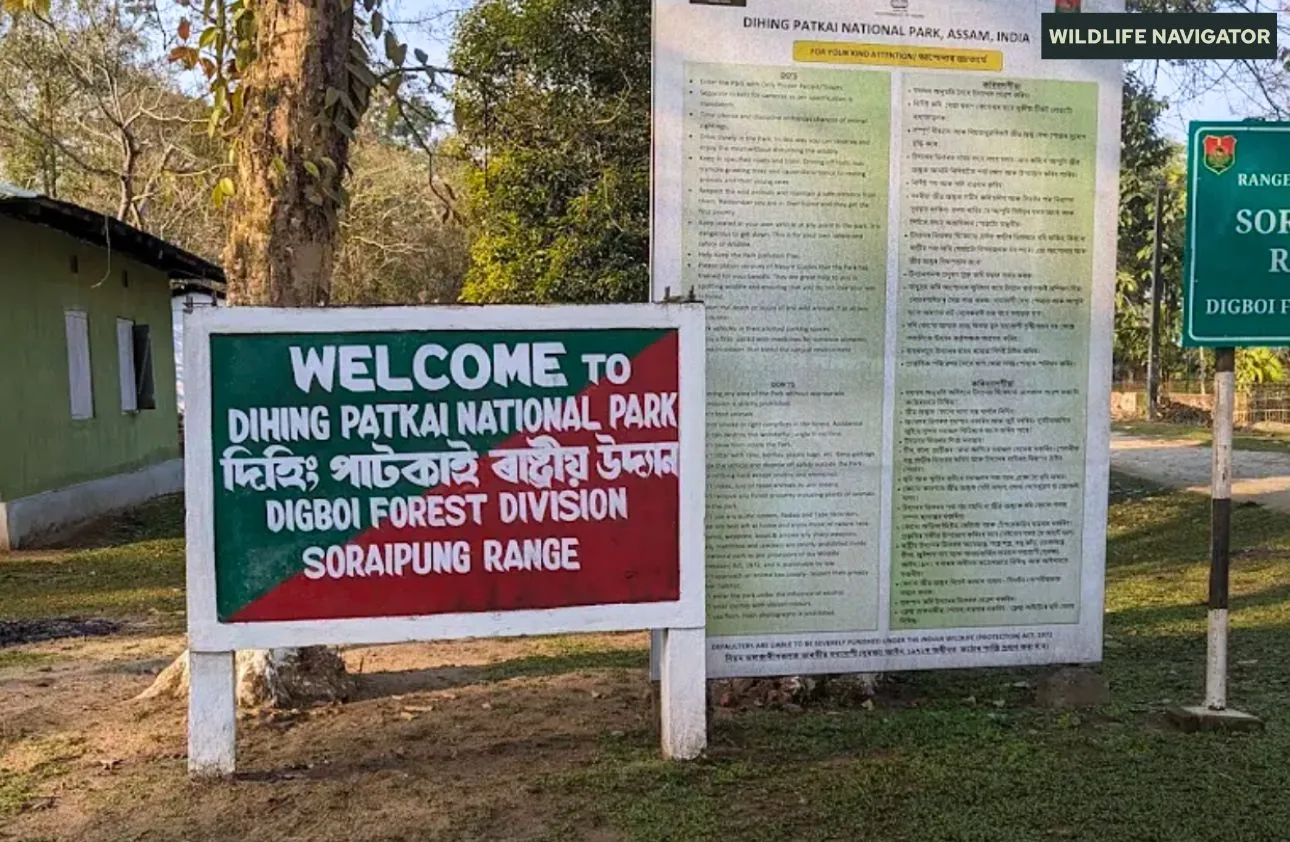
Dehing Patkai National Park, often called the “Amazon of the East,” is one of India’s most vibrant and biologically rich rainforests. Spread across the Dibrugarh and Tinsukia districts of Assam, this park forms a vital part of the Dehing-Patkai Elephant Reserve — a landscape where ancient trees, mist-laden canopies, and the calls of hornbills fill the air.
Declared a National Park in 2021, Dehing Patkai represents one of the last remaining stretches of lowland tropical rainforest in India. Its dense green cover shelters an extraordinary variety of wildlife, including elephants, clouded leopards, and over 300 species of birds. The park is also home to rare orchids, wild bananas, and Assam’s state tree, the Hollong, which towers high above the forest floor.
Beyond its natural grandeur, Dehing Patkai carries deep cultural and historical significance. This region has witnessed centuries of tea cultivation, oil exploration, and coal mining — industries that shaped Assam’s identity while also challenging its delicate ecosystem. Today, it stands as a symbol of resilience and conservation, reminding us of the urgent need to protect what remains of India’s rainforests.
For travellers, Dehing Patkai offers a glimpse into a world where nature reigns supreme — a realm of lush greenery, whispering streams, and the rhythmic pulse of wild Assam.
Location and Geography
Where Dehing Patkai Lies
Dehing Patkai National Park spreads across the Dibrugarh and Tinsukia districts of upper Assam, forming part of the larger Dehing-Patkai Elephant Reserve. It covers an area of about 234 square kilometers, making it one of the richest biodiversity zones in Northeast India. The park is around 80 kilometers from Dibrugarh, a major city known for its tea gardens and airport connectivity.
A Landscape of Evergreen Majesty
This rainforest thrives in the foothills of the Patkai Range, which forms a natural border between India and Myanmar. The terrain is mostly low-lying and undulating, carpeted with dense tropical evergreen and semi-evergreen forests. The Dehing River, from which the park gets its name, flows gracefully through these woods, feeding countless streams and wetlands that sustain life here.
Climate and Environment
Dehing Patkai experiences a humid tropical climate with heavy rainfall, especially between May and September. The abundant rain nourishes the dense canopy and undergrowth, supporting an incredible range of flora and fauna. Mist often hangs in the early mornings, adding a mystical aura to the forest — a paradise for photographers and nature lovers alike.
A Vital Ecological Corridor
The park forms an essential corridor connecting the forests of Assam with those of Arunachal Pradesh and Myanmar, allowing animals like elephants and big cats to move freely. This connectivity makes Dehing Patkai a cornerstone for regional conservation and one of the last intact rainforests in the Brahmaputra Valley.hape each other’s stories.
History and Conservation Status
From Forest Sanctuary to National Park
Before earning its national park status, Dehing Patkai was part of the Dehing Patkai Wildlife Sanctuary, established in 2004. This sanctuary, spread across Dibrugarh and Tinsukia districts, was known for its thick rainforest cover and its role as a vital elephant habitat. After years of public awareness campaigns and conservation movements, the Assam government declared Dehing Patkai a National Park in June 2021, recognizing its ecological importance and the urgent need to protect its fragile ecosystem.
A Legacy of Coal and Oil
The region surrounding Dehing Patkai holds deep historical roots in Assam’s industrial story. It was here that India’s first oil well was drilled in Digboi, and coal mining began in the late 19th century under British rule. While these industries shaped Assam’s economy, they also left scars on the land, causing habitat loss and fragmentation. The forest has long been at the crossroads of progress and preservation.
The Turning Point – Public Uprising for Nature
In 2020, reports of renewed coal mining activities within the forest sparked widespread concern. Environmentalists, students, and local communities rallied together under the “Save Dehing Patkai” movement, demanding strict protection for the rainforest. The outcry gained nationwide attention, becoming one of India’s strongest modern conservation movements. It ultimately pushed the government to elevate the sanctuary’s status, ensuring greater legal protection.
Current Conservation Efforts
Today, the park is managed under the Assam Forest Department, with efforts focused on habitat restoration, anti-poaching patrols, and regulating human activity around its borders. NGOs and research institutions are working on biodiversity surveys, elephant corridor mapping, and community-based conservation initiatives to promote harmony between people and wildlife.
A Living Symbol of Hope
Dehing Patkai stands as a living testament to what collective action can achieve. Its journey from an exploited resource zone to a protected rainforest reflects India’s growing awareness of environmental balance. Every rustle of leaves and echoing birdcall here reminds visitors that nature, when defended, has the power to heal and thrive again.
Flora – The Rainforest Riches
Dehing Patkai National Park is often described as a botanical wonderland — a living museum of India’s tropical rainforest heritage. The forest canopy here towers high and dense, forming several layers of vegetation that create a humid, shaded world below. Sunlight barely touches the ground, and the air carries the earthy fragrance of wet soil, orchids, and moss-covered bark.
This park belongs to the Assam Valley Tropical Wet Evergreen Forest type — one of the most luxuriant ecosystems found in India. With more than 300 species of trees, 100 species of orchids, and countless shrubs, climbers, and ferns, the forest overflows with life in every direction.
Dominant Tree Species
Dehing Patkai is home to some of Assam’s most iconic and valuable trees. These form the backbone of the forest’s structure and support numerous species of birds, mammals, and insects.
Major tree species include:
- Hollong (Dipterocarpus macrocarpus) – State tree of Assam; tall, straight, and majestic
- Nahar (Mesua ferrea) – Known for its fragrant flowers and dense wood
- Bhelu (Tetrameles nudiflora) – A fast-growing deciduous tree often seen along riverbanks
- Mekai (Shorea assamica) – A dominant species in the upper canopy
- Hollock (Terminalia myriocarpa) – Provides food and shelter for arboreal wildlife
- Amari (Amoora wallichii) and Sam species – Common in mid-canopy zones
These trees not only sustain wildlife but also stabilize the region’s microclimate, soil, and water systems.
Orchids, Ferns, and Understory Plants
The forest floor and lower canopies of Dehing Patkai burst with colour and texture. The park supports a dazzling variety of orchids and shade-loving plants that thrive in the moist environment.
Notable species include:
- Foxtail orchid (Rhynchostylis retusa) – The state flower of Assam
- Cymbidium species – Epiphytic orchids clinging to branches
- Vanda coerulea – Rare blue orchid species
- Asplenium nidus (Bird’s Nest Fern) – Large ferns found on tree trunks
- Curcuma species – Wild turmeric varieties growing in the understory
Bamboo, Cane, and Shrub Layer
Dehing Patkai’s lower vegetation is dominated by bamboo thickets, rattan canes, and dense shrubs. These provide both shelter and food for elephants, macaques, and other forest dwellers.
Common bamboo and cane species include:
- Dendrocalamus hamiltonii (Giant bamboo)
- Bambusa nutans (Clumping bamboo)
- Calamus tenuis (Rattan cane)
A Cradle of Oxygen and Life
Every leaf, vine, and moss in this rainforest contributes to its role as the “lungs of Assam.” The vegetation filters the air, captures carbon, and regulates rainfall — sustaining not just the wildlife within, but also the human communities surrounding it.
Dehing Patkai’s flora forms the foundation of an ecosystem that hums with resilience, beauty, and timeless balance.
Fauna – Wildlife Diversity
Dehing Patkai National Park is a thriving sanctuary where life exists in dazzling variety. The dense rainforest resonates with the trumpeting of elephants, the haunting calls of hornbills, and the rustle of unseen creatures moving through thick foliage. This park is part of the Indo-Burma biodiversity hotspot, one of the most species-rich zones in the world — yet also one of the most threatened.
Home to over 47 species of mammals, 300 species of birds, 70 species of reptiles, and countless insects and amphibians, Dehing Patkai is a natural treasure chest waiting to be explored.
Mammals – Giants of the Green
The park’s mammal population reflects its untouched wilderness. From the silent stalk of predators to the slow march of elephants through the rain-soaked forest floor, Dehing Patkai’s wildlife is both rare and resilient.
Notable mammal species include:
- Asian Elephant (Elephas maximus) – The park is part of the Dehing Patkai Elephant Reserve
- Clouded Leopard (Neofelis nebulosa) – An elusive and threatened big cat of the canopy
- Leopard (Panthera pardus) – Top predator of the region
- Marbled Cat (Pardofelis marmorata) and Golden Cat (Catopuma temminckii) – Rarely seen small wild cats
- Capped Langur (Trachypithecus pileatus) and Rhesus Macaque (Macaca mulatta)
- Malayan Giant Squirrel (Ratufa bicolour) – A striking arboreal species
- Barking Deer (Muntiacus muntjak), Civets, and Porcupines
These mammals play vital roles in the food web, maintaining ecological balance through seed dispersal, predation, and grazing.
Birds – The Feathered Symphony
For bird lovers, Dehing Patkai is nothing short of paradise. The rainforest canopy and forest edge offer perfect habitats for hornbills, barbets, kingfishers, and migratory visitors.
Prominent bird species found in Dehing Patkai:
- Great Hornbill (Buceros bicornis)
- Rufous-necked Hornbill (Aceros nipalensis) – Rare and near-threatened
- Oriental Pied Hornbill (Anthracoceros albirostris)
- Green Imperial Pigeon, Blue-throated Barbet, Scarlet Minivet
- Kingfishers: Stork-billed, White-throated, and Blue-eared varieties
- Drongos, Woodpeckers, Flycatchers, and Sunbirds
Over 300 avian species make this park one of the best birdwatching destinations in Assam, rivaling even Kaziranga and Dibru-Saikhowa for diversity.
Reptiles and Amphibians – The Hidden World
In the moist, shaded layers of Dehing Patkai’s forest floor lives a community of fascinating reptiles and amphibians. Their presence is crucial to maintaining the park’s natural equilibrium.
Commonly observed species include:
- King Cobra (Ophiophagus hannah) – World’s longest venomous snake
- Indian Rock Python (Python molurus)
- Monitor Lizards, Vine Snakes, Pit Vipers
- Tree Frogs, Common Toads, and several unidentified endemic amphibians
The high humidity and abundant leaf litter make this region ideal for herpetofauna, many of which are still being scientifically documented.
Insects and Butterflies – The Little Wonders
Beneath the canopy, a smaller but equally vibrant world exists — one of butterflies, moths, beetles, and dragonflies. Dehing Patkai’s butterfly population is among the richest in Assam.
Common species include:
- Blue Mormon, Common Jezebel, Tailed Jay, Great Eggfly, and Common Nawab
- Atlas Moth – One of the largest moth species in the world
These insects form the foundation of the food web, pollinating plants and sustaining larger species.
A Biodiversity Hotspot of Global Significance
The variety of species found in Dehing Patkai is a reflection of nature’s extraordinary resilience. Many species here are either endangered or regionally restricted, making conservation efforts all the more vital. Every animal — from the hornbill soaring above the canopy to the frog croaking by a stream — adds to the living symphony that makes this park the true “Amazon of the East.”
Things to Do in and Around Dehing Patkai
Jungle Safari and Nature Trails
Experience the thrill of exploring Assam’s only lowland rainforest through guided jeep safaris or forest walks. The park’s dense canopy, murmuring streams, and wildlife sightings — from elephants to hornbills — make every journey unforgettable. Early mornings and late afternoons offer the best chances to spot animals and birds.
Birdwatching and Photography
With over 300 species of birds, Dehing Patkai is a paradise for bird enthusiasts. Great and Rufous-necked Hornbills, kingfishers, barbets, and drongos are common sights. The soft light filtering through the rainforest canopy creates perfect conditions for wildlife photography.
Trekking and Eco-Tours
Short guided treks lead visitors through bamboo groves, orchid-laden trees, and fern-filled gullies. Eco-tours organised by local guides reveal the intricate balance of flora and fauna while promoting sustainable travel.
Cultural Experiences
Interact with indigenous communities such as the Singpho and Tai Phake tribes living around the park. Their traditional bamboo houses, tea gardens, and age-old customs offer a glimpse into the harmonious coexistence of people and nature.
Nearby Attractions
- Digboi Oil Refinery: The oldest working oil refinery in Asia, showcasing Assam’s industrial legacy.
- Namphake Village: A serene Tai Phake settlement known for its Buddhist monastery and traditional lifestyle.
- Dibru-Saikhowa National Park: Around 100 km away, this riverine ecosystem hosts feral horses and migratory birds.
- Digboi Museum & WWII Cemetery: Reflecting Assam’s colonial and wartime history.
Whether you’re a wildlife lover, nature photographer, or cultural explorer, Dehing Patkai and its surroundings offer a unique blend of wilderness, heritage, and adventure — a true gateway into the wild heart of Assam.
Best Time to Visit Dehing Patkai National Park
Dehing Patkai’s rainforest character means the park stays lush and green throughout the year, but seasonal variations greatly affect accessibility, wildlife sightings, and comfort. The best time to visit is generally between November and April, when the weather is pleasant and trails are dry enough for safaris and treks.
Winter (November – February)
- Weather: Cool, misty mornings and comfortable daytime temperatures (15°C–25°C).
- Highlights: Excellent visibility, active birdlife, and the ideal time for photography.
- Experience: Great for jungle walks and spotting elephants, hornbills, and other wildlife without the discomfort of humidity.
Spring (March – April)
- Weather: Warm and pleasant, with light pre-monsoon showers.
- Highlights: Forests bloom with orchids and new foliage; butterflies and insects thrive.
- Experience: Perfect for nature walks, flora observation, and eco-tours.
Monsoon (May – September)
- Weather: Heavy rainfall (up to 3,000 mm annually), high humidity, and leeches on trails.
- Highlights: Streams overflow, creating stunning scenery — but access may be restricted.
- Experience: Not recommended for travel; park entry often limited for safety and conservation reasons.
Post-Monsoon (October)
- Weather: The forest rejuvenates after rains, lush and alive with new growth.
- Highlights: A good shoulder month before peak season, with fewer tourists.
- Experience: Ideal for those seeking solitude and vibrant greenery.
Travel Tip: Carry light rain gear even in the dry season — showers in the rainforest can appear without warning. Early mornings and dusk offer the best wildlife activity and photography light.
How to Reach Dehing Patkai National Park
Reaching Dehing Patkai National Park is an adventure through the heart of Assam’s tea country. The park lies in the Dibrugarh and Tinsukia districts of Upper Assam, about 80 km from Dibrugarh city — the region’s main gateway. Well-connected by air, rail, and road, visitors can easily plan their journey to this rainforest paradise.
By Air
- Nearest Airport: Dibrugarh Airport (Mohanbari Airport) – approximately 80 km away.
- Regular flights connect Dibrugarh to major Indian cities such as Guwahati, Kolkata, and Delhi.
- From the airport, taxis or private cars can be hired to reach the park via Digboi or Naharkatia.
By Train
- Nearest Railway Stations:
- Naharkatia – around 30 km from the park
- Duliajan – about 40 km away
- Tinsukia Junction – around 70 km, with wider rail connectivity
- Frequent trains from Guwahati, Dibrugarh, and New Jalpaiguri make travel convenient for domestic tourists.
By Road
- Dehing Patkai is accessible via NH-38 and NH-37, passing through towns like Digboi, Duliajan, and Margherita.
- The park’s entry points are well-marked, with forest check posts guiding visitors.
- Buses, shared jeeps, or rented cars are available from Dibrugarh and Tinsukia.
- Approximate distances:
- Dibrugarh → Dehing Patkai: 80 km (2.5 hrs)
- Tinsukia → Dehing Patkai: 70 km (2 hrs)
- Digboi → Dehing Patkai: 35 km (1 hr)
It’s best to hire a local driver familiar with the terrain, as roads near the forest can be narrow and winding. Mobile network coverage is limited in deeper forest zones, so plan navigation offline in advance.
Accommodation Options
Nearby Eco-Camps & Forest Lodges
For the most immersive experience, consider eco-camps or forest lodges close to the park boundary. These tend to be rustic yet comfortable stays, often aligned with wildlife tours and nature walks.
- Typical price range: ₹2,000–₹5,000 per night for basic-to-mid level cabins or tents (depending on season and amenities).
- Highlights: Wake up to the sounds of the rainforest, stay closer to safari pick-up, often meals are included.
Mid-Range Resorts & Hotels (in Digboi / Tinsukia / Dibrugarh area)
These stay options offer more amenities (A/C rooms, attached bathrooms, resort gardens) and are a good balance of comfort + proximity.
- Typical price range: ₹3,000–₹6,000 per night.
- Highlights: Good for families or travellers who prefer comfort, still relatively close to the park.
Budget Hotels / Guesthouses (in Towns Nearby)
If you’re okay staying in the nearby towns (e.g., Tinsukia, Dibrugarh) and commuting to the park, plenty of budget options are available.
- Typical price range: ₹800–₹2,500 per night.
- Highlights: Best for budget-conscious travellers, but expect to drive some distance to reach the park.
Prices vary by season (lower during monsoon, higher in peak wildlife window Nov–Apr), and many forest-edge stays book up early in peak season. Also check whether meals, transport to park gate, and guide fees are included.
Conservation & Travel Tips
Conservation at a Glance
Dehing Patkai faces multiple challenges despite its protected status. Illegal mining, deforestation, and encroachment in surrounding areas threaten its rainforest ecosystem. Expanding tea plantations and human settlements have led to habitat loss and human–elephant conflicts within the Dehing-Patkai Elephant Reserve. Climate change and erratic rainfall patterns also affect forest health and wildlife movement.
However, initiatives inspired by the “Save Dehing Patkai” movement (2020) have strengthened protection laws and raised awareness. Increased patrolling, eco-tourism programs, and community-led conservation now offer hope for sustainable coexistence between people and nature.
Essential Travel Tips
- Entry & Permits: Visitors should obtain permission from the Assam Forest Department or local eco-tourism offices before entering the park.
- Best Time: November to April for safaris, birdwatching, and treks.
- Guides: Always hire registered local guides — they enhance safety and enrich your experience.
- What to Pack: Light clothing, rain gear, binoculars, camera, insect repellent, sturdy footwear.
- Connectivity: Mobile networks are weak inside the forest; plan navigation and communication in advance.
- Responsible Tourism: Avoid littering, maintain silence, respect wildlife distance, and support eco-friendly lodges or community-run stays.
Conclusion
Dehing Patkai National Park stands as a living testament to Assam’s natural grandeur — a rainforest where elephants roam freely, hornbills soar above ancient trees, and every leaf tells a story of resilience. Beyond its beauty, it’s a symbol of hope born from collective conservation efforts.
Visiting this “Amazon of the East” is more than a journey through nature — it’s a reminder of our shared responsibility to protect India’s last lowland rainforests. Travel mindfully, leave no trace, and let Dehing Patkai’s wilderness inspire a deeper respect for the wild.