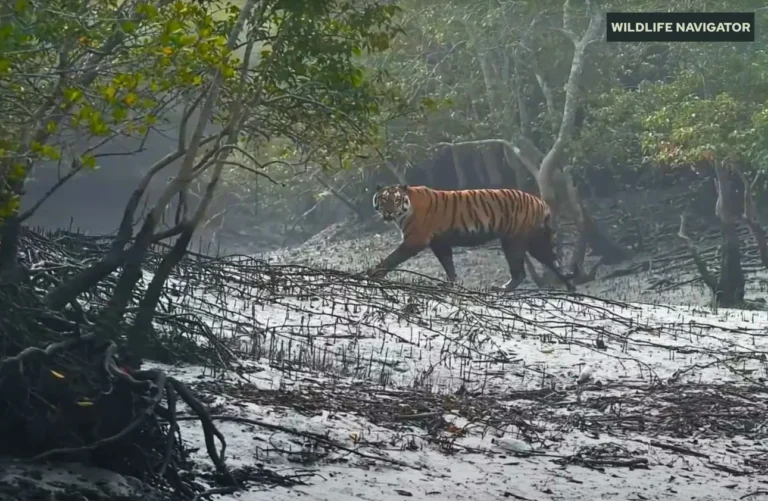
Dampa Tiger Reserve – Mamit, Mizoram

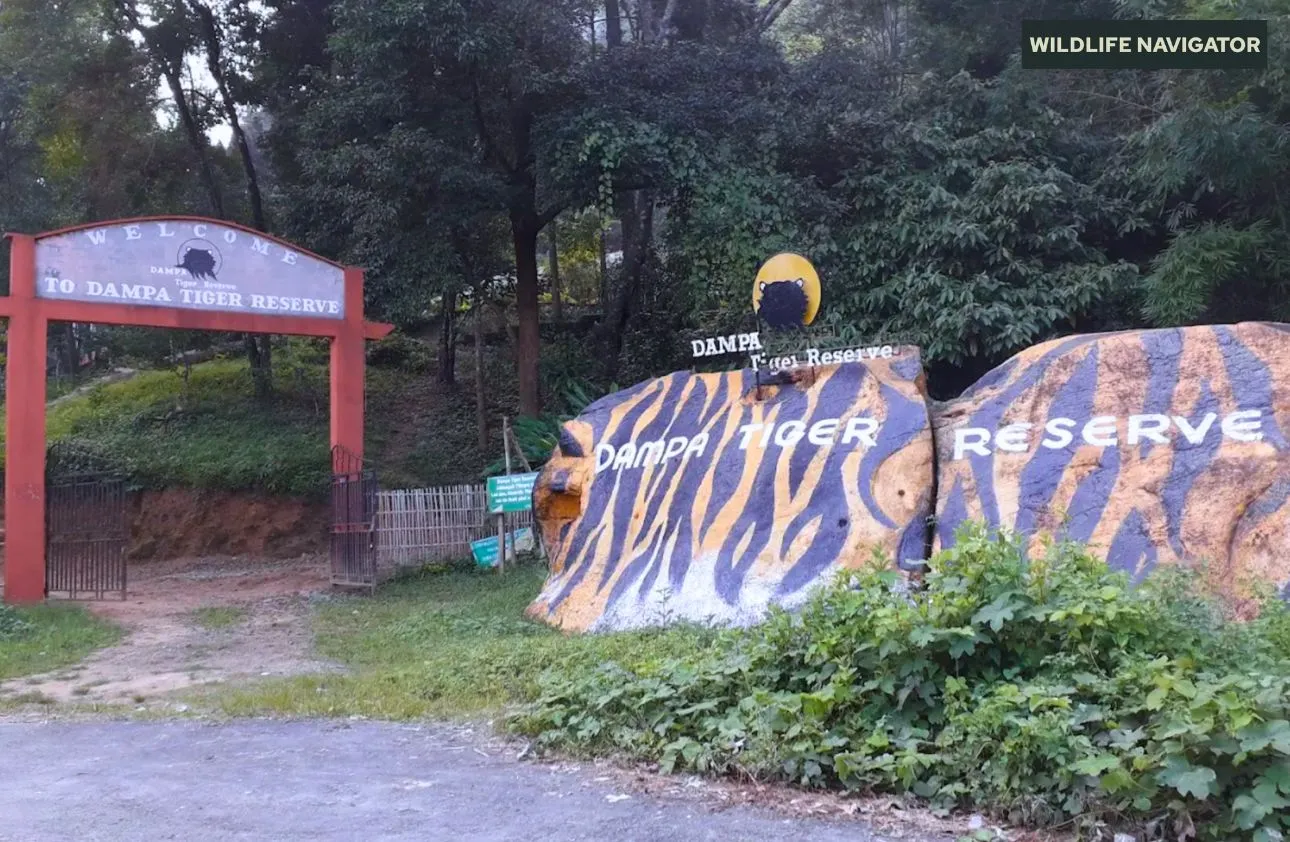
Dampa Tiger Reserve, located in the Mamit district in the northeastern state of Mizoram, is one of India’s lesser-known but ecologically significant wildlife sanctuaries. Spanning over 500 square kilometres, it is a haven for tigers, leopards, and a diverse range of flora and fauna. Nestled in the lush, undulating hills of western Mizoram, the reserve is largely untouched by commercial tourism, making it an ideal destination for wildlife enthusiasts, nature photographers, and eco-travellers seeking a tranquil retreat. Beyond its tigers, Dampa is home to rare primates, exotic birds, and a rich variety of plant life, making it a true biodiversity hotspot in India’s northeast.
The reserve’s remote location, dense forests, and serene streams offer visitors an immersive wildlife experience unlike the more commercial tiger reserves in India. Whether you are planning a safari, trekking through its hills, or simply observing nature in its purest form, Dampa Tiger Reserve promises an unforgettable journey into the wild heart of Mizoram.
History, Geography and Landscape
Establishment
Dampa Tiger Reserve was initially declared a wildlife sanctuary in 1985 and later upgraded to a tiger reserve under India’s Project Tiger initiative. The upgrade recognised its importance in tiger conservation and the need to protect its dense tropical forests and unique ecosystem.
Area & Location
The reserve covers over 500 sq km and is located in the Mamit district of Mizoram, bordering Bangladesh. Its strategic location makes it a crucial wildlife corridor for big cats and other animals.
Topography
Dampa is characterised by rolling hills, deep valleys, and meandering streams. Its rugged terrain is mostly covered in dense tropical and semi-evergreen forests, which provide excellent camouflage for wildlife and create a serene, untouched environment.
Climate
The region experiences a tropical monsoon climate, with heavy rainfall between June and September. Winters (October to March) are mild and ideal for visiting, while summers are warm and humid. The seasonal variation in climate adds to the richness of flora and fauna in the reserve.
Flora in Dampa Tiger Reserve
Dampa Tiger Reserve is home to diverse vegetation types, including:
- Evergreen forests: Dominated by hardwood trees like Mesua ferrea, Dillenia indica, and various species of figs.
- Semi-evergreen forests: Feature a mix of trees, shrubs, and climbers, providing food and shelter for herbivores.
- Bamboo groves: Bamboo is abundant and supports various species, including primates and deer.
- Medicinal plants: The forest is rich in herbs used by local communities for traditional medicine.
The rich flora not only supports a variety of herbivores but also sustains predators like tigers and leopards. Its dense forest cover and varied vegetation make Dampa an important ecological zone in northeast India.
Wildlife in Dampa Tiger Reserve
Big Cats
- Tiger: The primary predator, central to the reserve’s conservation efforts.
- Leopard: Elusive and mostly nocturnal, spotted occasionally during safaris.
- Jungle cat & clouded leopard: Rare sightings, contributing to the reserve’s biodiversity.
Mammals
- Gaur & Sambar deer: Primary prey for big cats.
- Barking deer & wild boar: Commonly seen in the early mornings or late evenings.
- Primates: Includes Hoolock gibbons, slow loris, and pig-tailed macaques.
Birds
- Rich avifauna, including hornbills, pheasants, kingfishers, and several migratory species.
- Birdwatchers can spot exotic species during the winter months.
Reptiles & Amphibians
- Snakes, lizards, and various frogs inhabit the forest floor and streams.
- The reserve’s wetlands provide breeding grounds for amphibians.
Safari & Trekking Information
Jeep Safari
While Dampa Tiger Reserve is still relatively offbeat compared to other tiger reserves in India, jeep safaris are the most common way to explore the park.
- Entry Points: The main entrance is near Phuldungsei village. Forest department guides are mandatory for safaris.
- Timing: Safaris are best conducted early in the morning (6:00–10:00 AM) and late afternoon (3:00–6:00 PM) when wildlife is most active.
- Safari Cost: Approximate costs for a guided jeep safari are around ₹2,500–₹3,000 per jeep for Indian tourists. Foreign tourists may be charged higher. Additional fees for guides and permits may apply.
- Wildlife Spotting Tips:
- Move quietly and avoid loud conversations.
- Binoculars and cameras with telephoto lenses are essential.
- Early morning safaris increase your chances of spotting tigers, leopards, and deer.
Trekking Routes
Dampa Tiger Reserve offers several scenic trekking trails for enthusiasts who want to explore the forest on foot.
- Popular Trails: The trails mostly pass through dense forests, bamboo groves, and small streams. Exact trail maps are available at the forest department office.
- Difficulty Level: Moderate; suitable for individuals with basic trekking experience. Trekking during monsoon is discouraged due to slippery trails.
- Scenic Spots: Hilltops overlooking valleys, streams, and birdwatching spots make treks particularly rewarding.
Wildlife Spotting Tips
- Early Morning & Late Afternoon: Wildlife is most active during these hours.
- Stay Low & Quiet: Avoid sudden movements or loud noises to prevent scaring animals.
- Hire a Guide: Forest guides know animal trails and can help spot rare species.
- Binoculars & Camera: Essential for observing elusive species like leopards and hornbills.
Visiting Dampa by safari or trekking gives travellers a rare glimpse into an untouched ecosystem, where the thrill of spotting a tiger or a herd of sambar deer amidst dense greenery is unmatched.
Accommodation & Facilities
Though Dampa Tiger Reserve is relatively remote and offbeat, it offers basic yet comfortable accommodation options for travellers who want to experience its wilderness up close.
Forest Rest Houses
- The Mizoram Forest Department operates a few rest houses near the main entry points and within the reserve.
- These rest houses are simple, clean, and surrounded by nature, offering basic amenities such as beds, bathrooms, and electricity.
- Staying here allows you early access to safaris and a peaceful retreat close to the forest.
Eco-Cottages & Lodges
- Nearby towns and villages may offer eco-cottages or private lodges that combine comfort with a rustic experience.
- Eco-lodges are designed to blend with nature, often made of bamboo or wood, providing a serene stay amidst the forest.
- These accommodations are ideal for travellers who prefer a quiet, immersive wildlife experience.
Village Homestays
- For a cultural experience, some local villages near Dampa offer homestays.
- Visitors can enjoy traditional Mizo hospitality, local cuisine, and insight into village life.
- Homestays are also a way to support local communities while travelling responsibly.
Other Facilities
- Guided tours and safaris are organized by the forest department.
- Basic food and refreshment options are available at nearby villages or lodges.
- Travellers are advised to carry essentials like snacks, water, and first-aid, as facilities inside the reserve are limited.
Staying near Dampa Tiger Reserve allows visitors to maximise wildlife sightings and enjoy the peaceful ambiance of one of India’s most pristine tiger habitats.
Best Time to Visit
Choosing the right time to visit Dampa Tiger Reserve is crucial for wildlife sightings, comfortable travel, and trekking experiences.
October to March – Ideal Season
- Weather: Mild temperatures and low humidity make exploring the forest enjoyable.
- Wildlife Activity: Animals are more visible during this period as water sources shrink and tigers, leopards, and deer often come out in the open.
- Trekking & Safari: Trails are dry and safe, making trekking and jeep safaris convenient. This is the peak visiting season.
April to May – Summer
- Weather: Summers are warm and humid, with temperatures rising significantly.
- Wildlife Activity: Wildlife sightings can be less frequent during the day as animals rest in shaded areas to escape the heat.
- Travel Tips: Early morning safaris are recommended. Carry adequate water, sun protection, and light clothing.
June to September – Monsoon
- Weather: Heavy rainfall leads to slippery trails, waterlogged paths, and swollen streams.
- Wildlife Activity: Dense vegetation and heavy rains make spotting animals more difficult.
- Travel Advisory: Monsoon is not ideal for visiting due to challenging terrain and restricted forest access.
Additional Tips
- Birdwatchers: Winter months (October–March) are perfect for observing migratory and exotic bird species.
- Photography: Clear skies and good light conditions during the dry season enhance wildlife and landscape photography.
Visiting Dampa during the dry winter months ensures maximum comfort, better wildlife sightings, and safer trekking, allowing you to experience the reserve in its full splendor.
Travel Tips
To make your visit to Dampa Tiger Reserve safe, enjoyable, and environmentally responsible, consider the following tips:
Permits & Entry
- Forest Permits: Visitors must obtain permits from the Mizoram Forest Department before entering the reserve.
- Guides: Hiring a forest guide is mandatory for safaris and trekking. Guides enhance your experience by helping spot wildlife and ensuring safety.
What to Carry
- Binoculars & Camera: Essential for spotting tigers, leopards, and birds from a distance.
- Trekking Gear: Comfortable shoes, long-sleeved clothing, hats, and rain gear (if visiting early or late in the season).
- Essentials: Water, snacks, first-aid kit, insect repellent, and a flashlight.
Wildlife Etiquette
- Keep Quiet: Avoid loud noises to prevent disturbing animals.
- Maintain Distance: Never attempt to approach or feed wildlife.
- Follow Rules: Stick to marked trails, safaris, and guidance from forest staff.
Health & Safety
- Vaccinations: Ensure standard vaccinations are up to date; consult a doctor about anti-malarial precautions if needed.
- Weather Preparedness: Carry raincoats or umbrellas during unpredictable rainfall.
- Emergency Contacts: Keep the forest department and nearest medical facility contacts handy.
Responsible Travel Tips
- Avoid Plastic: Carry reusable bottles and bags to minimise plastic waste.
- Support Local Communities: Opt for local homestays, guides, and handicrafts.
- Leave No Trace: Do not litter or disturb the forest environment.
By following these travel tips, visitors can maximise wildlife sightings, stay safe, and contribute to the conservation of Dampa Tiger Reserve’s unique ecosystem.
Conclusion
Dampa Tiger Reserve is a hidden gem in Mizoram, offering travellers a rare opportunity to experience pristine wilderness and rich biodiversity away from the crowds. From elusive tigers and leopards to exotic birds and dense tropical forests, the reserve is a paradise for wildlife enthusiasts, photographers, and eco-travellers.
Its remote location, serene landscapes, and offbeat trails make Dampa an ideal destination for those seeking a peaceful and immersive nature experience. With proper planning—choosing the right season, securing permits, and following forest guidelines—visitors can enjoy safaris, trekking, and birdwatching in a safe and rewarding way.
Beyond its natural beauty, visiting Dampa also supports local communities and conservation efforts, helping preserve this vital ecosystem for future generations. Whether you are observing a tiger from a jeep, listening to the call of hornbills, or walking along bamboo groves, Dampa Tiger Reserve leaves a lasting impression on every traveller who ventures into its wild heart.