Bhitarkanika National Park – Kendrapara, Odisha

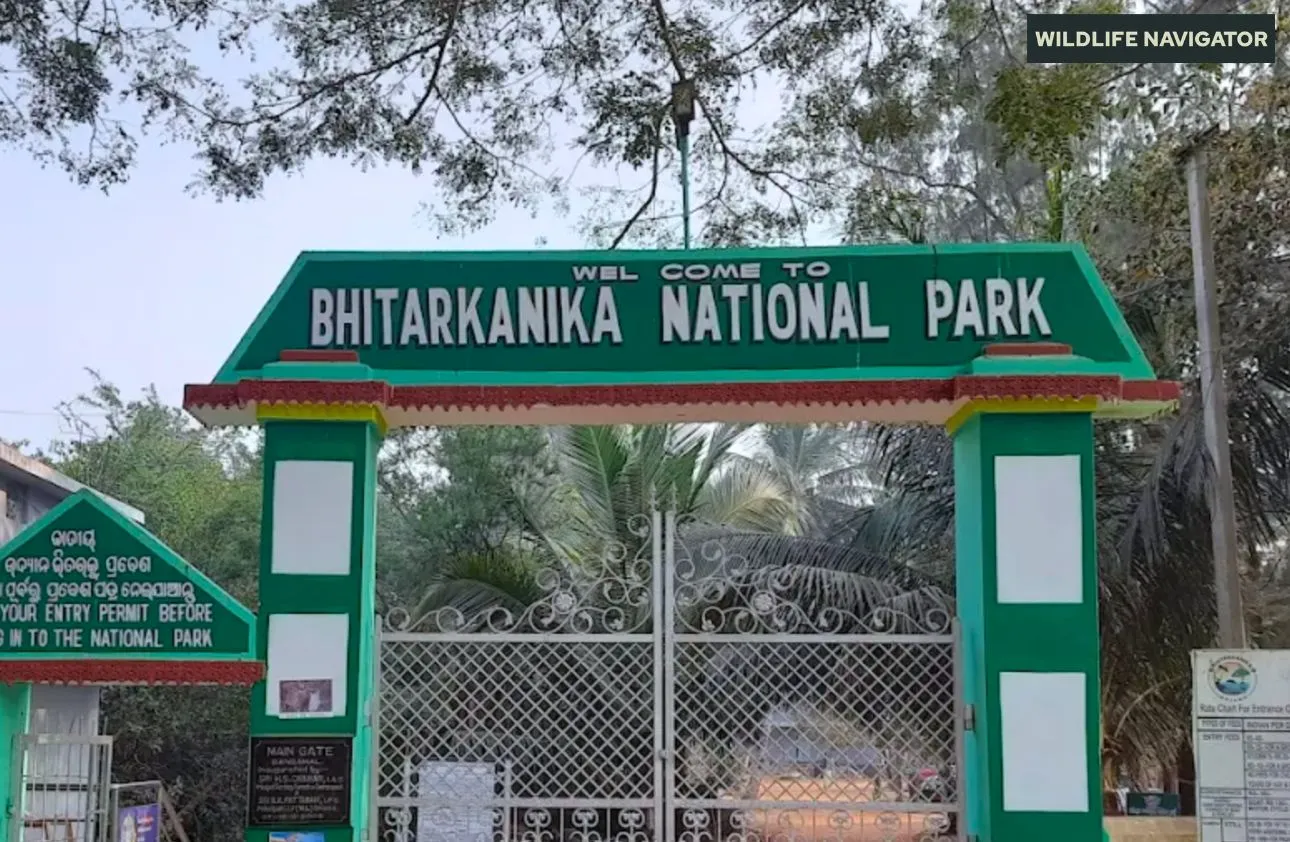
Bhitarkanika National Park, located in the Kendrapara district of Odisha, is one of India’s most enchanting and ecologically vital wetlands. Spread across lush mangrove forests, tidal creeks, and mudflats, this park represents the thriving heart of the country’s second-largest mangrove ecosystem, after the Sundarbans. It is a natural wonderland where land, river, and sea merge seamlessly to sustain a wide variety of life — from massive saltwater crocodiles basking on muddy banks to flocks of migratory birds painting the sky in winter.
The region was once the private hunting reserve of the Kanika royal family, who prized it for its abundant wildlife and scenic waterways. Over time, conservation efforts transformed this area into a sanctuary of biodiversity. Declared a wildlife sanctuary in 1975 and later upgraded to national park status in 1998, Bhitarkanika now stands as a celebrated Ramsar Wetland Site, acknowledged for its global ecological importance.
Today, it draws nature enthusiasts, researchers, and eco-tourists eager to explore its labyrinth of mangrove creeks and observe its diverse flora and fauna. Whether you’re gliding through silent waterways, spotting crocodiles at Dangmal, or witnessing Olive Ridley turtles at nearby Gahirmatha, Bhitarkanika offers an unforgettable glimpse into coastal Odisha’s untamed wilderness.
History, Geography & Landscape of Bhitarkanika National Park
Historical Background
Before becoming one of India’s premier mangrove sanctuaries, Bhitarkanika was once the royal hunting ground of the Raj Kanika kings. Its creeks and wetlands, rich with crocodiles and deer, served as a prized hunting retreat for Odisha’s aristocracy. However, with growing awareness of wildlife conservation, the area underwent a dramatic transformation in the 1970s.
In 1975, Bhitarkanika was declared a Wildlife Sanctuary to protect its delicate estuarine ecosystem and the rapidly declining crocodile population. This marked the beginning of the Crocodile Conservation Project, a pioneering effort supported by the Government of India and the United Nations Development Programme (UNDP). Due to its ecological richness, the core area was later designated as Bhitarkanika National Park in 1998, covering about 145 square kilometres. In 2002, the wetlands earned international acclaim when they were recognised as a Ramsar Site, underscoring its global significance as a biodiversity hotspot.
Geographical Setting and Terrain
Bhitarkanika lies in the Kendrapara district of Odisha, within the fertile Mahanadi Delta, where three major rivers — Brahmani, Baitarani, and Dhamra — flow into the Bay of Bengal. This deltaic landscape gives rise to a unique mix of mangrove forests, mudflats, creeks, tidal rivers, and estuarine islands. The park’s low-lying terrain is constantly shaped by tides, creating a mosaic of saline and freshwater habitats.
The region experiences a tropical coastal climate — hot and humid summers, heavy monsoons, and pleasant winters, which make it ideal for lush mangrove growth and diverse aquatic life.
The Landscape: A Living Mangrove Ecosystem
The essence of Bhitarkanika lies in its mesmerising network of mangrove forests, forming natural corridors for crocodiles, birds, and aquatic life. Over 60 species of mangroves thrive here, acting as a green shield against coastal erosion and cyclones. Interlaced waterways wind through forests alive with bird calls, while saltwater crocodiles bask on sunlit mudbanks.
Prominent zones within the park include Dangmal, known for its crocodile breeding centre; Habalikhati, famous for its serene beach and turtle nesting; and Kalibhanjadiha Island, a birdwatcher’s paradise. Together, they make Bhitarkanika a rare confluence of beauty and biodiversity — a living laboratory of India’s coastal wilderness.
Flora and Fauna of Bhitarkanika National Park
Flora: Coastal and Mangrove Diversity
Bhitarkanika’s landscape is a masterpiece of green — an intricate network of mangroves, tidal forests, and mudflats that breathe life into the entire deltaic region. It harbours over 60 species of mangroves and associated flora, making it India’s second-largest mangrove ecosystem after the Sundarbans.
- Dominant mangrove species: Rhizophora mucronata, Avicennia officinalis, Sonneratia apetala, Heritiera fomes, and Excoecaria agallocha.
- Associated vegetation: salt-tolerant grasses, palm species, creepers, and aquatic herbs.
- These plants thrive in saline, waterlogged soils and form natural barriers against coastal erosion and cyclonic storms.
- The mangrove roots act as nurseries for fish, prawns, and crabs — supporting both the ecosystem and local fishing communities.
During high tide, parts of the forest remain submerged, while at low tide, the exposed roots and mudflats create a surreal landscape teeming with life. This remarkable vegetation not only sustains wildlife but also plays a crucial role in stabilising Odisha’s fragile coastline.
Fauna: Realm of Reptiles and Rare Species
Bhitarkanika’s fame largely rests on its extraordinary wildlife — especially its population of Saltwater Crocodiles (Crocodylus porosus), the largest living reptiles on Earth. With hundreds of individuals thriving here, including specimens over 20 feet long, the park is recognised as India’s most successful crocodile conservation site.
- Reptiles: saltwater crocodiles, water monitor lizards, king cobras, Indian pythons, and olive ridley turtles (at nearby Gahirmatha Beach).
- Mammals: spotted deer, wild boar, fishing cat, smooth-coated otter, mongoose, and jackal.
- Avifauna: a paradise for birdwatchers — home to openbill storks, darters, cormorants, sandpipers, egrets, herons, and winter visitors like pintail ducks and bar-headed geese.
- Aquatic life: mud crabs, prawns, mollusks, and numerous fish species flourish in the creeks and estuaries.
During the winter months, the park becomes a sanctuary for migratory birds from Central Asia and Europe, transforming its wetlands into a vibrant spectacle of colour and sound. This thriving mix of mangrove, marine, and terrestrial species makes Bhitarkanika a living classroom for ecologists and a breathtaking experience for nature lovers.
Safari Experience, Boating & Entry Details
Boating Safari through Mangrove Creeks
Exploring Bhitarkanika National Park is unlike any conventional wildlife safari — here, your trail flows with the tide. The boating safari through the mangrove creeks offers the most authentic way to experience the park’s beauty. Boats glide silently through narrow waterways flanked by dense mangroves, where sunlight filters through tangled roots and crocodiles bask lazily on muddy shores.
- Main entry points: Khola and Gupti, both equipped with forest offices and boat facilities.
- Popular routes: Khola → Dangmal (for crocodile sightings) and Gupti → Habalikhati (for beach and turtle experiences).
- Duration: 2 to 4 hours depending on route and tide levels.
- Highlights: saltwater crocodile sightings, birdwatching, mangrove tunnels, and peaceful estuarine views.
All safaris are conducted by government-approved boats operated under the Odisha Forest Department and Odisha Ecotourism. Visitors can choose between private or shared boats, but early booking is advised during winter months.
Timings & Regulations
Bhitarkanika follows seasonal access rules to ensure the park’s ecological balance:
- Visiting months: November to May (closed during monsoon and crocodile breeding season).
- Entry timing: Generally from 8:00 AM to 5:00 PM (timings may vary slightly by entry gate).
- Mandatory requirements: valid entry permits, identity proof, and forest guide accompaniment.
- Visitor guidelines:
- Do not feed or disturb animals.
- Avoid plastic and loud noises inside the park.
- Follow the instructions of forest guides and boatmen at all times.
The park’s tranquillity and safety depend on responsible tourism — visitors are encouraged to explore Bhitarkanika with respect for its fragile ecosystem.
Booking & Entry Points
To visit Bhitarkanika, travellers must obtain permits from designated entry gates or online portals:
- Khola Gate: The primary entrance to the park, located about 120 km from Cuttack. Offers direct access to Dangmal and other core zones.
- Gupti Gate: Another popular entry point, especially for eco-camps and Habalikhati Beach.
- Dangmal: Serves as the central hub with a crocodile breeding center, interpretation center, and forest guesthouse.
Online Booking:
Visitors can book safaris, accommodations, and permits through the official Odisha Ecotourism website (www.ecotourodisha.com). This ensures a smooth, eco-friendly, and regulated travel experience within the park.
Best Time to Visit Bhitarkanika National Park
Bhitarkanika’s charm shifts beautifully with each season, but the best experience depends on what you seek — whether it’s spotting crocodiles basking in the sun, photographing migratory birds, or gliding peacefully through green waterways.
Winter (October – February)
This is the best season to visit Bhitarkanika National Park. The weather remains cool and pleasant, with temperatures ranging between 17°C and 28°C, making it ideal for boating safaris and exploration. During these months, migratory birds from Central Asia and Europe arrive, turning the park into a lively birdwatching paradise. Clear skies, calm tides, and excellent visibility make this season perfect for photography and nature walks around Dangmal and Habalikhati.
Highlights:
- Ideal for boating safaris and crocodile spotting.
- Peak season for migratory bird activity.
- Comfortable weather for exploring the mangrove trails.
Monsoon (June – September)
The park receives heavy rainfall, rejuvenating its mangrove forests and creeks. However, Bhitarkanika remains closed to tourists during monsoon, as this period coincides with the breeding season for saltwater crocodiles. Though inaccessible to visitors, it’s a crucial time for ecological regeneration, ensuring the long-term survival of the park’s wildlife.
Highlights:
- Park remains closed for safety and conservation.
- Essential breeding period for crocodiles and aquatic species.
Summer (March – May)
Summer in Bhitarkanika is hot and humid, with temperatures touching 38°C, but for dedicated wildlife enthusiasts, it offers an opportunity for clear sightings of reptiles, especially crocodiles basking along the mudflats. The number of visitors drops during this time, allowing for quieter, more personal experiences of the mangrove wilderness.
Highlights:
- Good for crocodile and reptile sightings.
- Lesser tourist rush and peaceful exploration.
- Early mornings and late afternoons are best for safaris.
Best Season Recommendation
If you’re planning a trip to Bhitarkanika, November to February is undoubtedly the most rewarding period. The pleasant climate, abundance of birdlife, and open waterways combine to make winter the perfect time to witness the park’s rich biodiversity at its vibrant best.
How to Reach & Getting Around Bhitarkanika National Park
Reaching Bhitarkanika National Park is an adventure in itself — a journey through Odisha’s serene countryside, winding rivers, and vibrant coastal villages. Though located in a remote part of the Kendrapara district, the park is well-connected by road, rail, and air from major cities like Bhubaneswar, Cuttack, and Bhadrak.
Nearest Towns & Base Points
- Kendrapara: The nearest major town (about 50 km from the park) serves as the main base for visitors, offering transport, food, and lodging options.
- Rajnagar: A smaller gateway town closer to the entry points, about 12 km from Khola Gate.
- Bhadrak: Another access point, roughly 77 km away, convenient for travellers coming from northern Odisha or Kolkata side.
By Air
- Nearest Airport:Biju Patnaik International Airport, Bhubaneswar (approx. 160 km).
- From Bhubaneswar, visitors can hire a cab or take a bus to Kendrapara, then proceed to Khola or Gupti entry gates.
- The journey takes around 4–5 hours by road.
By Rail
- Nearest Railway Stations:
- Bhadrak (77 km) – connected by major trains from Kolkata, Bhubaneswar, and Puri.
- Cuttack (100 km) – a convenient rail hub for those coming from western or southern Odisha.
- From both stations, taxis and local transport are available to reach Kendrapara → Rajnagar → Khola/Gupti.
By Road
Bhitarkanika is well-connected by roads passing through lush farmlands and river crossings.
- From Bhubaneswar: ~160 km via Cuttack – Kendrapara – Rajnagar (around 4.5 hours).
- From Cuttack: ~120 km via Patkura and Kendrapara (around 3.5 hours).
- From Bhadrak: ~77 km via Chandbali and Rajkanika (around 2.5 hours).
Pro Tip: The final stretch often requires small boats or ferries to cross creeks, depending on your chosen entry point.
Getting Around the Park
- Boat Safari: The only way to truly explore Bhitarkanika’s mangrove wilderness. Boats are available at Khola and Gupti, managed by the Forest Department and Odisha Ecotourism.
- Walking Trails: Short forest walks at Dangmal and Habalikhati offer close-up encounters with mangroves, birds, and deer.
- Eco-Camps and Nature Lodges: Provide guided tours, birding walks, and community-based experiences.
Visitors are encouraged to book boats and stays in advance, especially during peak winter months, as daily visitor numbers are regulated to preserve the park’s delicate ecosystem.
Accommodation, Dining & Stay Options in Bhitarkanika National Park
Bhitarkanika offers visitors a peaceful stay amidst nature — with eco-friendly lodges, forest rest houses, and river-facing cottages that perfectly blend comfort with wilderness. Most accommodations are managed by the Odisha Forest Department and Odisha Ecotourism, ensuring sustainability and authentic local experiences.
Forest Guesthouses & Nature Camps
For those seeking to stay close to the core of Bhitarkanika, forest lodges are the best choice. These government-managed camps provide basic yet comfortable facilities surrounded by mangrove forests and wildlife sounds.
- Dangmal Nature Camp: Located within the park’s core zone, offering eco-cottages with modern amenities, a crocodile breeding centre nearby, and nature trails for birdwatching.
- Gupti Nature Camp: Set along the banks of the Baitarani River, it provides spacious cottages, boating access, and scenic views of the mangrove creeks.
- Habalikhati Eco-Retreat: A unique beachfront camp accessible only by boat — perfect for solitude seekers and turtle nesting enthusiasts.
- Ekkakula Island Camp: Remote, scenic, and ideal for travellers looking for complete tranquillity and mangrove exploration.
All these camps can be booked online through the official Odisha Ecotourism portal.
Homestays & Eco-Stays
Eco-conscious travellers can experience the warmth of local Odia culture through community-run homestays near Khola, Gupti, and Dangmal. These stays often provide:
- Traditional Odia meals made from local produce and seafood.
- Guided mangrove walks with local fishermen.
- Storytelling sessions about Bhitarkanika’s history and wildlife.
They not only offer affordable accommodation but also support community livelihoods through eco-tourism.
Resorts & Hotels (Outside the Park)
- Kendrapara and Rajnagar towns offer small hotels, guesthouses, and mid-range lodges suitable for travellers preferring urban conveniences.
- Some private eco-resorts near Gupti and Khola provide modern amenities, Wi-Fi, and packaged safari tours.
Nearby Dining Options
Inside the park, dining is mostly available at forest rest houses or eco-camps, where meals are prepared using local ingredients. Outside the park:
- Local eateries in Rajnagar and Kendrapara serve traditional Odia dishes such as rice, dalma, crab curry, and prawns.
- Some eco-camps also serve continental and North Indian meals for tourists.
The dining experience here is simple yet satisfying — emphasising fresh, local flavours served in serene natural surroundings.
Nearby Attractions, Culture & Suggested Itineraries
Bhitarkanika is not just a destination—it’s the heart of a broader natural and cultural landscape that defines coastal Odisha. From tranquil mangrove creeks and sea turtle nesting beaches to ancient temples and Buddhist relics, the region offers diverse experiences for travellers seeking both nature and heritage.
Natural Attractions
- Gahirmatha Marine Sanctuary: Located just north of Bhitarkanika, it is the world’s largest nesting site for Olive Ridley sea turtles. Between December and March, thousands of turtles come ashore to lay eggs on the sandy beaches — a spectacular wildlife event.
- Kalibhanjadiha Island: A picturesque island within the Brahmani River, ideal for birdwatching, boating, and photography.
- Ekkakula Island: Accessible only by boat, it offers panoramic views of the Bay of Bengal and serene mangrove landscapes.
- Habalikhati Beach: A pristine, crowd-free beach perfect for relaxation and spotting turtle hatchlings during the nesting season.
Cultural & Heritage Sites
Bhitarkanika’s surrounding region is steeped in Odisha’s cultural and spiritual heritage.
- Baladevjew Temple (Kendrapara): A grand temple dedicated to Lord Balabhadra, showcasing Odishan architecture and craftsmanship.
- Udayagiri & Ratnagiri Buddhist Complexes: Ancient monasteries and stupas dating back to the 7th century, part of Odisha’s famed “Diamond Triangle” of Buddhist sites.
- Lalitgiri: Another major Buddhist site known for relic stupas and monastery ruins.
These sites make Bhitarkanika an ideal stopover for travellers exploring the cultural corridor between Bhubaneswar and Odisha’s northern coast.
Adventure & Eco-Tourism Activities
Bhitarkanika’s mangrove ecosystem invites immersive, eco-friendly adventures for nature lovers:
- Boating & Creek Exploration – Navigate through narrow tidal waterways surrounded by mangrove roots.
- Birdwatching – Spot migratory and resident species, especially around Dangmal and Kalibhanjadiha.
- Nature Walks – Short guided trails around Dangmal for spotting deer, monkeys, and reptiles.
- Turtle Watching – Seasonal tours to Gahirmatha for witnessing Olive Ridley nesting (December–March).
- Village Tours – Interact with local fishermen and artisans, learning about sustainable coastal livelihoods.
Suggested Itineraries
2-Day Itinerary (Quick Eco Getaway):
Day 1: Arrive Bhubaneswar → Drive to Gupti → Boat Safari to Dangmal → Overnight stay at Dangmal Eco-Camp.
Day 2: Early morning birdwatching → Visit Habalikhati Beach → Return via Rajnagar and Kendrapara.
3-Day Itinerary (Wildlife & Culture Mix):
Day 1: Bhubaneswar → Kendrapara → Khola → Boat Safari → Stay at Dangmal.
Day 2: Explore Habalikhati and Gahirmatha Marine Sanctuary → Beach walk → Stay at Habalikhati Camp.
Day 3: Drive to Lalitgiri & Udayagiri Buddhist Complex → Return to Bhubaneswar.
4-Day Itinerary (Extended Exploration):
Day 1: Bhubaneswar → Rajnagar → Dangmal Safari → Stay at Dangmal.
Day 2: Birdwatching at Kalibhanjadiha Island → Habalikhati Beach visit → Stay overnight.
Day 3: Visit Gahirmatha Turtle Beach → Back to Gupti.
Day 4: Cultural tour of Baladevjew Temple → Return journey.
Conservation & Importance of Bhitarkanika National Park
Bhitarkanika stands as a model of successful coastal conservation, protecting both wildlife and fragile mangrove ecosystems.
Ecological Significance: Part of the Mahanadi delta, Bhitarkanika’s mangroves act as natural shields against cyclones and erosion while supporting rich marine biodiversity. These wetlands also store carbon, making them vital for climate balance.
Wildlife Conservation: The park’s Crocodile Breeding and Management Project (since 1975) helped restore the saltwater crocodile population from near extinction to over a thousand today. It also shelters rare species like the King Cobra, Fishing Cat, and Olive Ridley turtles.
Global Recognition: Declared a Ramsar Wetland in 2002, Bhitarkanika is globally acknowledged for its unique mangrove ecosystem and biodiversity value.
Community Involvement: Eco-tourism and local participation form the heart of its conservation model. Villagers now serve as guides, boat operators, and homestay hosts, linking livelihood with preservation.
Challenges: Rising sea levels, pollution, and human-wildlife conflict remain concerns, highlighting the need for responsible tourism and continuous habitat protection.
Conclusion
Bhitarkanika National Park is a living treasure of India’s eastern coast — where mangrove forests, winding creeks, and wildlife coexist in perfect harmony. Its transformation from a royal hunting reserve to a globally recognised wetland reflects decades of dedicated conservation. The park not only shelters rare species like saltwater crocodiles and Olive Ridley turtles but also safeguards the ecological balance of the Mahanadi delta.
For travellers and nature lovers, Bhitarkanika offers more than a wildlife experience — it’s a reminder of how fragile and interconnected our natural world truly is. Every visit contributes to the park’s continued preservation, ensuring that its wild beauty thrives for generations to come.