Balpakram National Park – South Garo Hills, Meghalaya

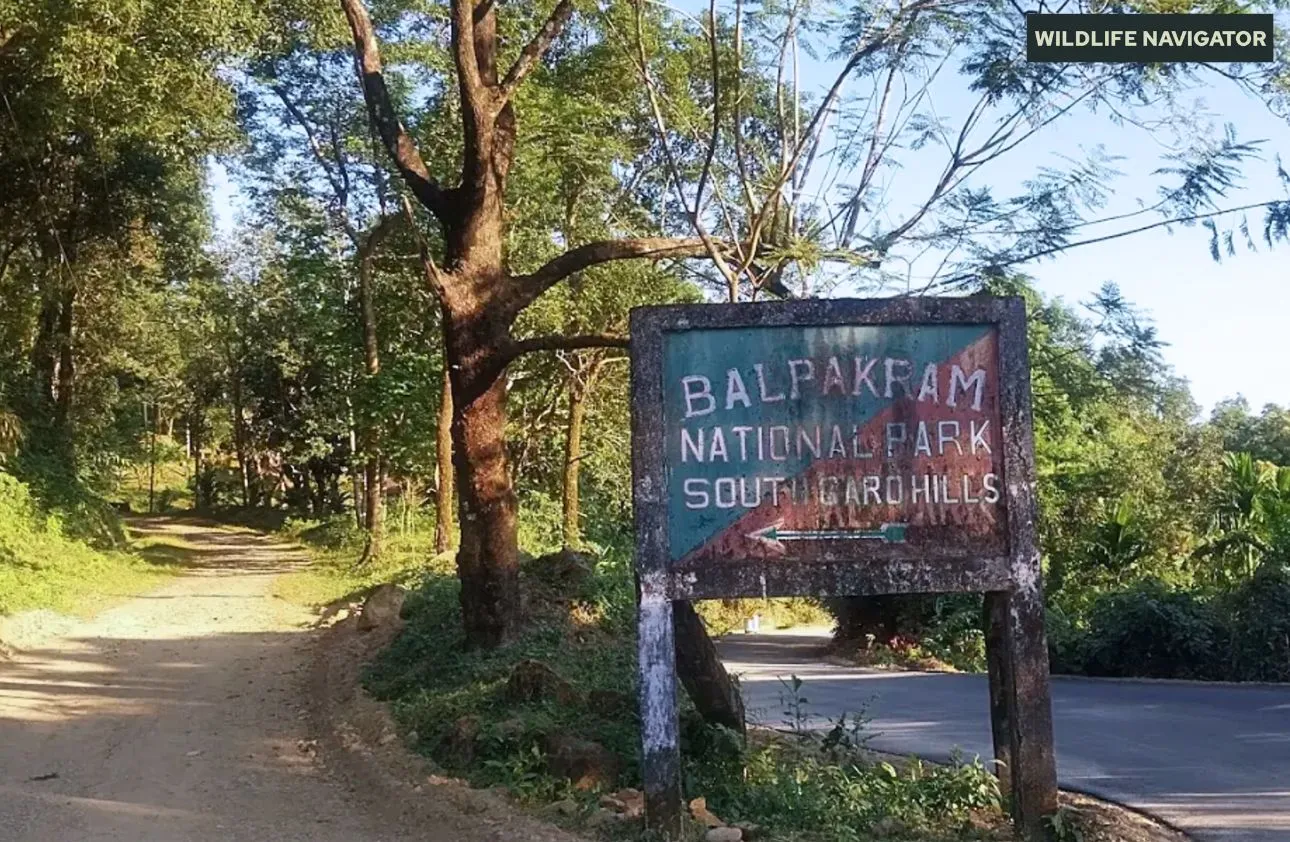
Balpakram National Park, often referred to as the “land of the spirits” by the local Garo tribe, is one of Meghalaya’s most enchanting natural treasures. Located in the South Garo Hills, this park is a perfect blend of breathtaking landscapes, diverse ecosystems, and rich cultural heritage. From mist-covered plateaus and deep river valleys to dense subtropical forests, Balpakram offers a mesmerising experience for nature lovers, wildlife enthusiasts, and adventure seekers alike.
The park is home to a remarkable variety of flora and fauna, including rare and endangered species such as the wild water buffalo, red panda, and several unique bird species like hornbills and sunbirds. Beyond its ecological importance, Balpakram is steeped in folklore and mystique, with the Garo people believing it to be a sacred resting place for departed souls. This blend of natural beauty and cultural significance makes Balpakram National Park a must-visit destination for anyone looking to explore India’s lesser-known wilderness.
Whether you are trekking through its rolling grasslands, spotting exotic wildlife, or simply soaking in the serene landscapes, Balpakram promises an unforgettable journey into one of India’s most pristine natural habitats.
Geography and Location
Balpakram National Park is situated in the South Garo Hills district of Meghalaya, in northeastern India, near the border with Bangladesh. The park spans an area of approximately 220 square kilometres, encompassing a diverse terrain of undulating plateaus, deep gorges, river valleys, and dense forests. Its unique topography, ranging from grass-covered hills to subtropical forests, supports a rich variety of wildlife and plant species.
The park is characterised by karstic formations, including limestone cliffs, caves, and waterfalls, which add to its scenic charm and geological significance. The Balpakram River, originating in the hills, flows through the park, creating fertile valleys that sustain both flora and fauna.
Balpakram experiences a subtropical highland climate, with cool winters (October to February), warm summers (March to May), and heavy monsoon rains (June to September). The best time to visit is generally October to April, when the weather is pleasant and wildlife sightings are more frequent.
Accessibility: The park is located about 200 km from Guwahati, Assam, the nearest major city with an airport and railway connectivity. From Shillong, Meghalaya’s capital, it is approximately 180 km by road. Visitors can reach the park via road trips through scenic routes, with local buses, taxis, and private vehicles available for transport.
The combination of its remote location, rugged terrain, and rich biodiversity gives Balpakram a sense of untouched wilderness, making it a perfect destination for eco-tourists, wildlife photographers, and adventure travellers seeking an offbeat experience in India.
History and Cultural Significance
Balpakram National Park is not just a haven for wildlife—it is also a place steeped in myth, legend, and cultural heritage. The local Garo tribe regards Balpakram as a sacred land, often referring to it as the “land of the spirits.” According to Garo folklore, the park is believed to be a resting place for the souls of departed individuals before they journey to the afterlife. This belief gives Balpakram an air of mystery and spiritual significance, which has been passed down through generations.
The park’s name, “Balpakram,” is derived from the Garo language, loosely meaning “land of the eternal wind” or “land of spirits,” reflecting both its remote, rugged terrain and its mystical reputation. Traditional rituals and local tales are still an integral part of the region, with some areas considered sacred, where hunting or large-scale human activities are strictly avoided.
From a conservation perspective, Balpakram was designated as a National Park in 1987, recognising its unique biodiversity, endemic species, and ecological importance. Over the years, efforts have been made to protect its fragile ecosystems, from dense subtropical forests and rolling grasslands to rare wildlife habitats. The park is also part of the Northeast India biodiversity hotspot, making it critical for preserving species that are threatened elsewhere in the country.
Balpakram’s blend of cultural lore and ecological significance offers visitors more than just a scenic adventure. It is a place where nature and tradition coexist, giving travelers a rare opportunity to experience both India’s rich natural heritage and indigenous cultural history.
Flora and Fauna
Balpakram National Park is a biodiversity hotspot, boasting a remarkable variety of flora and fauna due to its unique terrain, climate, and location in the Indo-Burma biodiversity region. The park’s diverse ecosystems—ranging from subtropical forests to grasslands and river valleys—support both common and rare species.
Flora
- The park is primarily covered with subtropical forests, interspersed with tall grasslands, bamboo groves, and mossy hills.
- Trees and plants include oak, pine, magnolia, bamboo, and rhododendrons, which provide food and shelter for wildlife.
- Medicinal plants and herbs grow abundantly, traditionally used by the Garo people for remedies.
- The mix of forest and grassland ecosystems creates a rich habitat for birds, mammals, and reptiles.
Fauna
Balpakram is home to several rare and endangered species, making it a paradise for wildlife enthusiasts:
- Mammals:
- Wild water buffalo – a critically endangered species and one of the park’s highlights.
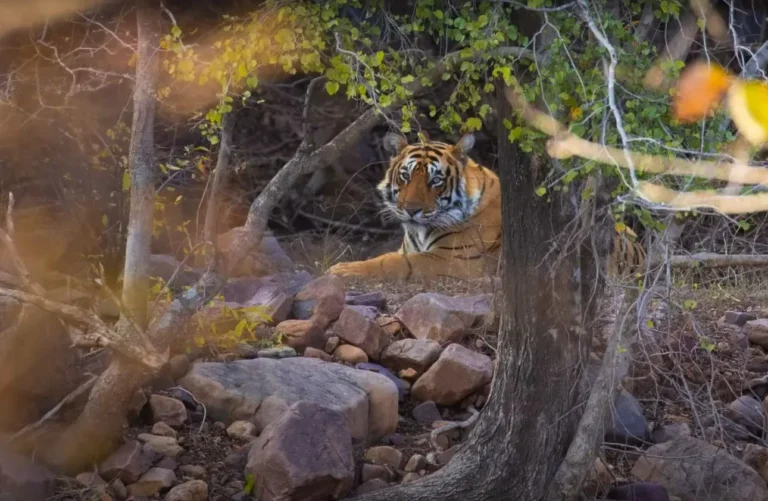
- Bengal tiger – elusive but present in the dense forests.
- Red panda – rare sightings in higher altitudes.
- Barking deer, Indian leopard, gaur, slow loris, and gibbons.
- Birds:
- Hornbills, sunbirds, and trogons are commonly spotted.
- Migratory species visit during the winter months, making it a hotspot for birdwatchers.
- The park’s cliffs and valleys provide nesting sites for vultures and eagles.
- Reptiles and Amphibians:
- Monitor lizards, snakes, and several frog species thrive in the park’s wetlands and forests.
- Insects and Butterflies:
- A wide variety of butterflies and colourful insects contribute to the park’s vibrant ecosystem.
Balpakram’s flora and fauna are intricately connected, creating a delicate balance that supports both wildlife and local communities. Its combination of rare species, dense forests, and open grasslands makes it a unique destination for eco-tourism, wildlife photography, and nature research.
Key Attractions and Spots
Balpakram National Park is not just about wildlife—it is a landscape of breathtaking natural beauty, offering visitors several spots that are perfect for sightseeing, photography, and adventure. Here are some of the must-visit attractions within the park:
Balpakram Plateau
- The plateau is the park’s centerpiece, offering expansive views of rolling grasslands and surrounding hills.
- Ideal for sunrise and sunset photography, the plateau’s open spaces are also excellent for spotting wild animals in the early morning.
- The plateau is often shrouded in mist, creating a mystical atmosphere that aligns with local legends of spirits.
Caves
- Balpakram is dotted with limestone caves that have geological and historical significance.
- Siju Cave, located nearby, is one of the longest caves in India and a popular spot for exploration.
- These caves are home to several bat species and are surrounded by lush vegetation, adding to the park’s mysterious charm.
Waterfalls and Rivers
- The park is interlaced with small waterfalls and streams, most of which flow into the Balpakram River.
- These water bodies not only add scenic beauty but also sustain the park’s diverse flora and fauna.
- Visiting during or just after the monsoon provides a spectacular view of cascading waterfalls and full rivers.
Viewpoints
- Various hilltop viewpoints offer panoramic views of valleys, forests, and plateaus.
- These spots are ideal for birdwatching, landscape photography, and nature observation.
Trekking and Adventure Spots
- The park offers several moderate trekking trails suitable for nature enthusiasts and adventure seekers.
- Treks often pass through dense forests, grasslands, and river crossings, providing a firsthand experience of the park’s diverse ecosystems.
- Guided treks are recommended, as local guides offer insights into flora, fauna, and tribal folklore.
Cultural Spots
- Certain areas of the park are considered sacred by the Garo tribe, with local shrines and rituals still practised.
- Visitors can witness or learn about these traditions while respecting the cultural sanctity of the region.
Balpakram National Park’s combination of plateaus, caves, rivers, viewpoints, and cultural landmarks makes it a destination that satisfies both adventure and serenity seekers. Each spot provides a different perspective of the park, ensuring that every visit is unique and memorable.
Activities to Do and Essential Visitor Tips
Balpakram National Park offers a rich blend of adventure, wildlife experiences, and cultural insights. To make the most of your trip, here is a combined guide that highlights the best activities along with practical tips every visitor should know.
Wildlife Spotting & Birdwatching
Balpakram is a paradise for wildlife lovers.
- Spot mammals like barking deer, wild water buffalo, slow loris, and leopards.
- Birdwatchers can look out for hornbills, eagles, sunbirds, and migratory species.
- Best Tip: Early mornings and late afternoons offer maximum sightings. Carry binoculars, remain quiet, and follow your guide’s instructions.
Trekking and Nature Trails
The park has several moderate trekking routes that pass through forests, grasslands, and river crossings.
- Enjoy scenic views from hilltop viewpoints.
- Explore lesser-known trails with a local guide who can introduce you to flora, fauna, and tribal folklore.
- Essential Tip: Wear sturdy trekking shoes, carry water, and avoid venturing off marked paths.
Photography, Wildlife, Landscapes & Culture
Balpakram’s dramatic plateaus, misty valleys, and deep gorges provide unforgettable photography opportunities.
- Sunrise and sunset from the Balpakram plateau are especially stunning.
- Caves, waterfalls, and forest trails make great backdrops.
- Photography Tip: Carry extra batteries, and never use flash when photographing wildlife.
Exploring Caves & Waterfalls
Nature enthusiasts can explore limestone caves like Siju and enjoy seasonal waterfalls within and around the park.
- These spots are ideal for geological interest and scenic exploration.
- Safety Tip: Caves can be slippery—wear proper footwear and always go with a guide.
Experiencing Local Garo Culture
The park is deeply connected to the traditions of the Garo tribe.
- Interact with locals to learn about myths, folklore, and rituals linked to Balpakram.
- Visit nearby villages for handicrafts, food, and cultural immersion.
- Respect Tip: Always seek permission before photographing people or cultural sites.
Visitor Tips for a Safe & Eco-Friendly Experience
- Permits & Entry Rules
- Check if permits or entry fees are required before visiting.
- Follow all park regulations, including no-horn zones and restricted areas.
- Health & Safety
- Carry insect repellent and basic first aid.
- Mobile networks may be weak—keep your group together during treks.
- Avoid night visits as wildlife movement increases after dark.
- Environmental Responsibility
- Do not litter; carry back all waste.
- Avoid loud noises that may disturb wildlife.
- Never feed animals or damage plants.
- What to Pack
- Lightweight clothing + warm layers (evenings can be cool).
- Water bottles, binoculars, rain gear (if visiting near monsoon), and a power bank.
This combined guide helps visitors enjoy the best of Balpakram—from wildlife encounters and breathtaking treks to cultural experiences—while ensuring responsible and safe travel. By respecting the park’s rules and natural ecosystem, travellers can contribute to preserving this mystical land for future generations.
Best Time to Visit
Balpakram National Park experiences a varied climate throughout the year, shaped by its subtropical highland geography and dense forest cover. Understanding the seasons will help you plan a trip that aligns with the kind of experience you’re seeking—be it wildlife sightseeing, trekking, or landscape photography.
October to April, The Best Season
This is widely considered the ideal time to visit Balpakram National Park.
- Weather: Pleasant temperatures, clear skies, and minimal rainfall.
- Wildlife Sightings: Animals are more active, making it easier to spot species like barking deer, slow loris, and rare birds.
- Trekking: Trails are dry and comfortable, perfect for long walks and exploration.
- Photography: Crisp air and clear visibility make this the best period for landscape and wildlife photography.
Winter Months (December to February)
- Cool mornings and nights with mild daytime temperatures.
- Excellent for birdwatching as migratory species arrive.
- Light woolens are recommended.
Summer (March to May)
- Warm but not extreme.
- Great for exploring plateaus, grasslands, and viewpoints.
- Flowers begin to bloom, adding color and vibrancy to the landscape.
Monsoon (June to September)
- Balpakram receives heavy monsoon rainfall, making trails slippery and unsafe.
- Wildlife becomes harder to spot due to dense vegetation.
- Caves and river crossings can be risky during this time.
- Landslides may disrupt travel from major routes.
For the safest, most scenic, and wildlife-rich experience, plan your trip between October and April. These months offer the right balance of good weather, open trails, and vibrant biodiversity—perfect for trekking, birdwatching, and soaking in the magical landscapes of Balpakram National Park.
Accommodation and Nearby Facilities
Balpakram National Park is located in one of the more remote corners of Meghalaya, so while the region doesn’t offer luxury stays, it provides a range of comfortable and nature-friendly accommodation options that align well with the park’s serene environment. Travellers can choose from forest rest houses, eco-lodges, and homestays that offer a peaceful stay surrounded by greenery, fresh air, and local hospitality.
Forest Rest Houses
- The Meghalaya Forest Department maintains a few Forest Rest Houses (FRHs) near the park.
- These provide basic amenities such as clean rooms, bedding, and simple meals.
- They’re ideal for visitors who want to stay close to nature and enjoy early morning treks.
- Tip: Advance booking is recommended as availability is limited, especially during peak travel seasons.
Eco-Lodges and Guesthouses
- Several small eco-lodges and guesthouses can be found in towns like Baghmara and nearby villages.
- These stays offer a rustic, comfortable atmosphere with home-cooked food.
- Many eco-lodges also help arrange guided treks, birdwatching tours, and cultural visits to Garo villages.
Homestays with Local Families
- Homestays are a wonderful way to experience Garo hospitality and culture.
- Visitors get to enjoy traditional meals, interact with local families, and gain insights into their customs and folklore.
- These are budget-friendly and ideal for travellers looking for immersive cultural experiences.
Facilities and Essentials Near the Park
- Food: Most stays offer freshly prepared meals since restaurants are limited in the area. It’s best to order your meals in advance.
- Medical: Basic medical facilities are available in nearby towns like Baghmara. Carry essential medicines and first-aid.
- Transport: Local taxis and shared vehicles are available, but services may be limited—plan travel timings carefully.
- Guides: Certified local guides can be hired for trekking, wildlife spotting, and cultural tours.
What to Expect
- Accommodation near Balpakram focuses on simplicity and nature immersion rather than luxury.
- Electricity and network connectivity may be limited in some areas—ideal for travellers seeking a digital detox.
- Warm blankets, mosquito repellents, and basic conveniences are usually provided by hosts.
Accommodation around Balpakram National Park enhances the overall experience by offering a peaceful environment and a chance to live amidst untouched nature. Whether you choose a forest guesthouse, eco-lodge, or a traditional Garo homestay, each option promises comfort, authenticity, and close proximity to the wilderness.
How to Reach Balpakram National Park
Balpakram National Park is located in the South Garo Hills of Meghalaya, and while it lies in a remote region, it can be reached through a combination of road, air, and rail connectivity. The journey to Balpakram is scenic, taking you through rolling hills, dense forests, and charming villages—making the travel experience as memorable as the destination itself.
By Air (Nearest Airports)
Since Balpakram doesn’t have its own airport, visitors can fly to nearby major airports and continue the journey by road.
- Lokpriya Gopinath Bordoloi International Airport, Guwahati (Assam) – approx. 200 km
- Best option with frequent domestic flights to major Indian cities.
- Offers taxi services and car rentals for a direct road trip to the park.
- Shillong Airport, Umroi (Meghalaya) – approx. 180 km
- Limited flights but closer to the park.
- Scenic drive through the Khasi and Garo Hills.
By Rail (Nearest Railway Stations)
- Guwahati Railway Station – most convenient major railhead.
- From Guwahati, travellers must continue by road for about 6–7 hours.
Meghalaya itself does not have a major rail network, making Guwahati the primary gateway for rail travellers.
By Road
Road travel is the most common and rewarding way to reach Balpakram.
Visitors can access the park via well-connected highways from major cities:
- From Guwahati:
- Distance: ~200 km
- Route: Guwahati → Goalpara → Dudhnoi → Baghmara → Balpakram
- Travel Time: 6–7 hours
- The scenic journey includes river crossings, lush hills, and winding roads.
- From Shillong:
- Distance: ~180 km
- Route: Shillong → Mawphlang → Nongstoin → Williamnagar → Baghmara → Balpakram
- Travel Time: 6–7 hours
- Ideal for travellers exploring other Meghalaya attractions.
Local Transportation
- Shared sumos, local taxis, and private jeeps operate between Baghmara and nearby towns.
- Hiring a local guide or driver is recommended due to remote trails and limited signage.
- Roads near the park can be rugged; opting for an SUV or sturdy vehicle ensures a smoother journey.
Travel Tips
- Start early to avoid driving in the dark, as the region is hilly and forested.
- Fuel stations are limited—ensure your tank is full before leaving major towns.
- During monsoon, landslides and roadblocks may cause delays; check road conditions beforehand.
Reaching Balpakram National Park is an adventure in itself. Whether you’re driving from Guwahati, catching a scenic road from Shillong, or traveling with local guides, the journey offers stunning views and a rewarding taste of rural Meghalaya. The remote setting enhances Balpakram’s charm, making it a truly offbeat destination for nature lovers.
Conclusion
Balpakram National Park is one of those rare places where nature, culture, and mythology blend seamlessly to create an unforgettable experience. Its sweeping grasslands, deep gorges, limestone caves, and rich wildlife make it a treasure for explorers and eco-travellers seeking an offbeat destination in India. Beyond its natural charm, Balpakram’s deep cultural and spiritual significance to the Garo tribe adds a unique layer of depth to every journey through this mystical landscape.
Whether you’re trekking across its serene plateaus, spotting rare wildlife in the forest canopy, or listening to stories of spirits and ancestral legends, Balpakram offers an immersive experience that stays with you long after you leave. It is a reminder of how beautifully nature thrives when left untouched—and why protecting such fragile ecosystems is more important than ever.
For those who yearn to connect with wilderness in its purest form, Balpakram National Park stands as a picturesque, peaceful, and profound destination. Visiting here means embracing quiet forests, breathtaking views, rich biodiversity, and the timeless traditions of the Garo hills—a journey that truly brings you closer to the heart of Meghalaya’s natural heritage.